


AA batteries all look the same on the shelf—but their performance, lifespan, and long-term cost can be drastically different.
If you’ve ever compared standard alkaline AA batteries with lithium AA batteries, you’ve probably noticed the price gap immediately. Both are labeled “AA.” Both claim reliable power. Yet one costs significantly more than the other.
This raises a common and important question:
Can you use AA lithium batteries instead of regular alkaline batteries—and does the higher price actually deliver real value?
The short answer is yes. In most AA-powered devices, lithium AA batteries can safely replace alkaline batteries without any modification or risk.
The more important answer depends on how your devices use power. Battery chemistry affects voltage stability, runtime, cold-weather performance, leakage risk, and how often you need to replace batteries. In many real-world scenarios, choosing the wrong battery doesn’t just cost more—it leads to unreliable performance and premature device shutdowns.
At Bevigor, we’ve spent over 20 years manufacturing batteries and supplying customers in more than 50 countries, from everyday households to professional and industrial users. In this guide, we’ll break down the practical differences between lithium AA and alkaline batteries, show where each one makes sense, and help you decide when paying more upfront actually saves you money over time.
What Is the Difference Between Lithium AA Batteries and Alkaline Batteries?
At a glance, AA lithium and alkaline batteries look identical. Same size. Same voltage rating. Same fit.
Internally, however, they behave very differently—and those differences directly affect device performance, lifespan, and reliability.
The Chemistry Difference (Why It Matters)
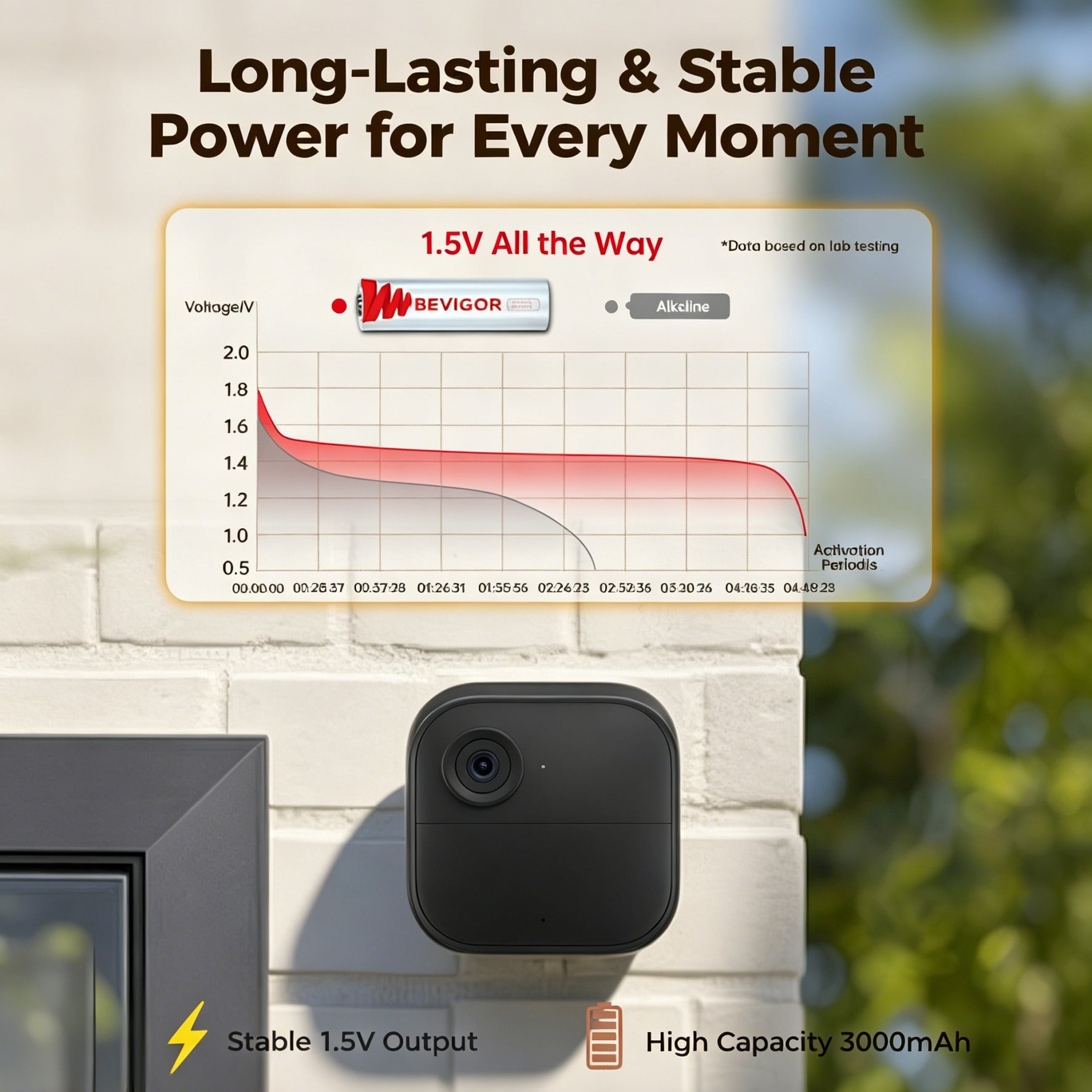
Alkaline batteries use a zinc–manganese dioxide chemistry with an alkaline electrolyte. This technology has been around for decades and works well for low-power devices. However, as alkaline batteries discharge, their voltage steadily drops.
This gradual voltage decline means:
-
Devices receive less and less power over time
-
Performance slowly degrades
-
Many electronics shut down before the battery is truly empty
Lithium AA batteries, by contrast, are engineered for stable voltage delivery. They maintain close to 1.5V for most of their usable life and then shut off rapidly near depletion.
What this means in practice:
-
More consistent device performance
-
Longer usable runtime
-
Better compatibility with modern electronics
Key takeaway: both batteries are rated at 1.5V, but lithium batteries deliver that voltage far more effectively.
How Voltage Stability Affects Real-World Performance
Most modern electronics don’t drain a battery evenly. Instead, they require a minimum voltage threshold to function.
When voltage drops below that threshold:
-
Cameras stop taking photos
-
Controllers disconnect
-
Sensors fail to transmit data
-
Devices shut off—even if energy remains
Alkaline batteries often cross this threshold early due to their declining voltage curve. Lithium AA batteries avoid this problem by staying within the optimal voltage range for much longer.
That’s why users often feel that alkaline batteries “die suddenly,” while lithium batteries feel predictable and reliable—even though they are actually delivering more usable energy.
Performance Comparison: Where Each Battery Type Makes Sense
Devices Where Alkaline Batteries Work Well
Alkaline batteries are still a practical choice for low-drain, infrequently used devices, including:
-
TV remotes
-
Wall clocks
-
Smoke detectors
-
Basic LED flashlights
-
Simple children’s toys
In these applications, power demand is minimal and consistent. Alkaline batteries can last years, making their low upfront cost attractive.
Devices Where Lithium AA Batteries Clearly Win
Lithium AA batteries excel in high-drain, performance-critical, and outdoor devices, such as:
-
Digital cameras and trail cameras
-
Gaming controllers
-
High-output LED flashlights
-
Wireless security systems likes blink camera and blink doorbell lock
-
Outdoor sensors and monitoring devices
-
Emergency and survival gear
Real-world test examples:
-
1W LED flashlight
-
Alkaline: ~68 minutes
-
Lithium: ~200 minutes
-
-
Digital camera photo cycles
-
Alkaline: ~40–50 photos
-
Lithium: 500+ photos
-
This isn’t marketing hype—it’s the result of fundamentally different battery chemistry.
Cost Analysis: When Higher-Priced Batteries Actually Save You Money
At first glance, AA lithium batteries can cost up to five times more than alkaline batteries. But focusing on price per battery is misleading.
A more accurate metric is cost per hour of reliable use.
In high-drain devices:
-
Alkaline batteries require frequent replacement
-
Lithium batteries last significantly longer
-
Fewer replacements mean less waste, less downtime, and lower long-term cost
Lithium Batteries Are More Cost-Effective When:
-
Devices drain batteries monthly or faster
-
Downtime disrupts work or security
-
Equipment is expensive or hard to access
-
Batteries are used in cold or outdoor conditions
Alkaline Batteries Still Make Sense When:
-
Power usage is extremely low
-
Devices are rarely used
-
Budget is the primary concern
For many users, a mixed strategy—alkaline for low-drain devices and lithium for high-demand equipment—is the smartest approach.
Cold Weather Performance: Where Lithium Dominates
Temperature has a massive impact on battery performance.
Alkaline Battery Performance in Cold Conditions
-
Above 70°F: Normal performance
-
32–50°F: 20–30% capacity loss
-
Below 32°F: Up to 50% loss
-
Below 0°F: May stop working entirely
Lithium AA Battery Performance
-
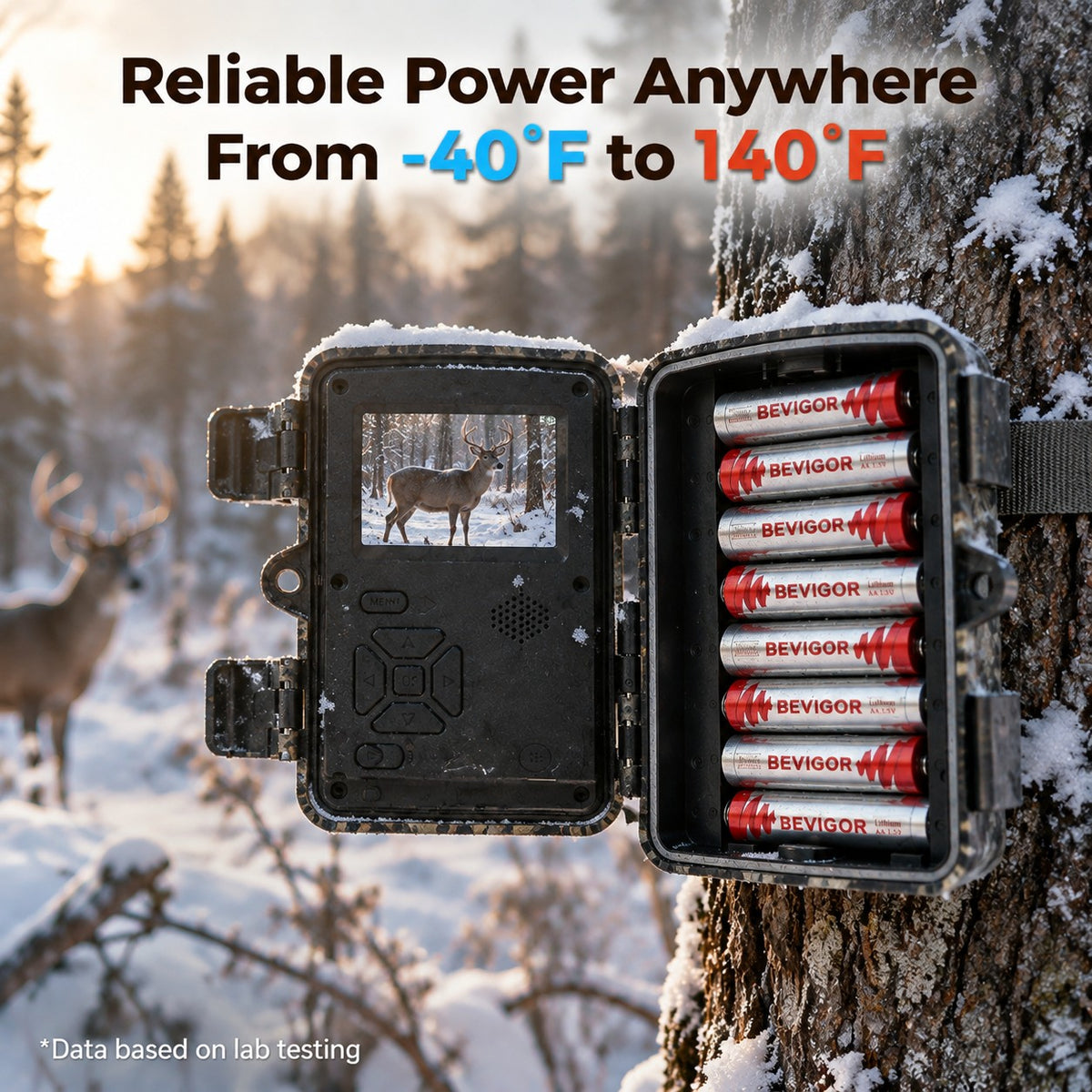
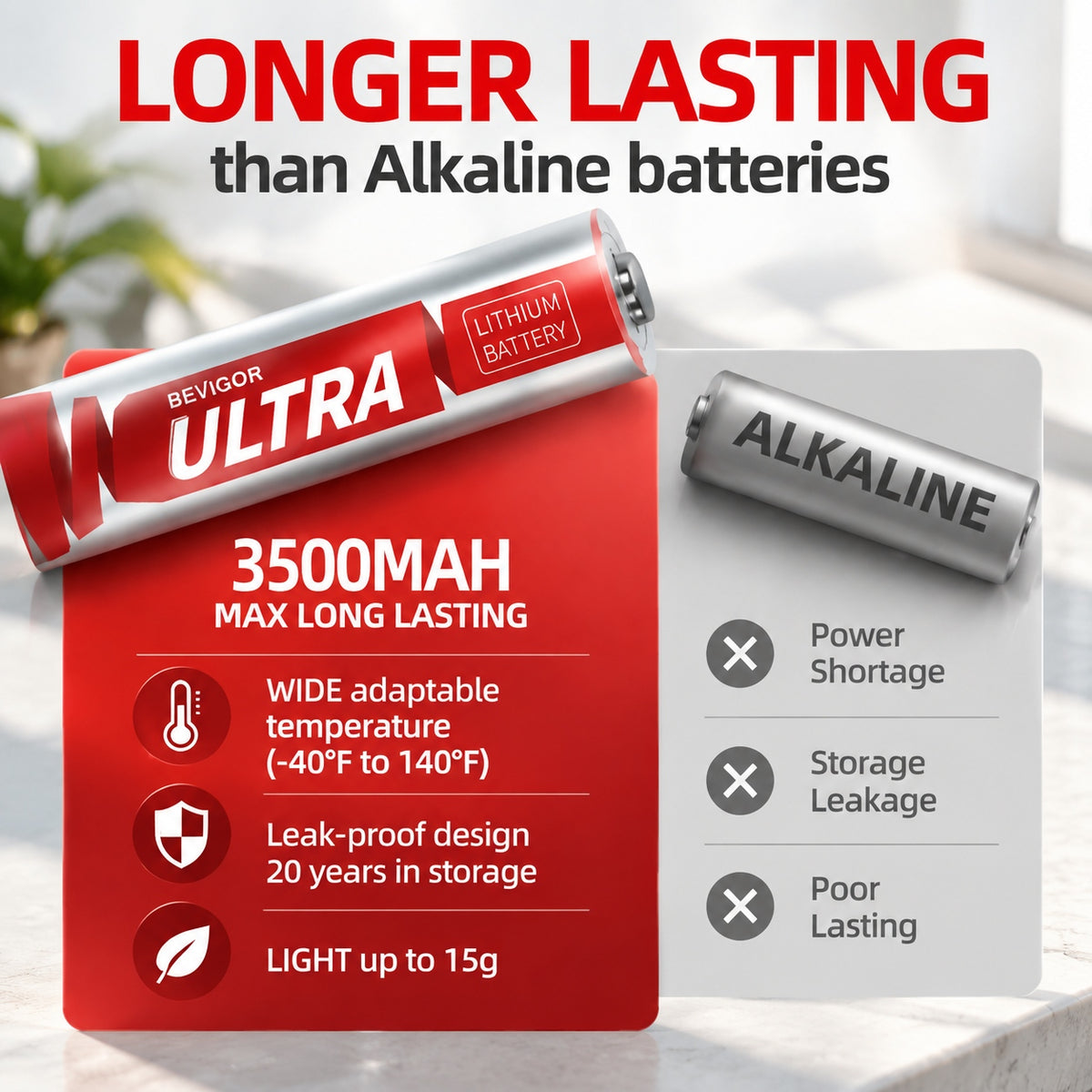
Reliable from -40°F to 140°F
-
Minimal capacity loss
-
Stable voltage output
This makes lithium AA batteries the preferred choice for:
-
Trail cameras
-
Outdoor security systems
-
Camping and hiking gear
-
Vehicle emergency kits
-
Garage door and outdoor remotes
Shelf Life and Storage: Why Lithium Is Ideal for Emergencies
Shelf life is one of the most overlooked battery features—yet one of the most important.
Alkaline batteries
-
Up to 10-year shelf life
-
Gradual self-discharge
-
Higher leakage risk over time
Lithium AA batteries
-
True 10-year shelf life
-
Extremely low self-discharge
-
Very low leakage risk
For emergency kits, backup equipment, and long-term storage, lithium batteries offer peace of mind that alkaline batteries often can’t.
Weight Advantage: Same Size, Less Load
Lithium AA batteries are approximately 35% lighter than alkaline batteries.
This matters for:
-
Trail cameras using multiple batteries
-
Backpacking and outdoor gear
-
Emergency kits
-
Portable electronics
When devices rely on multiple cells, weight reduction becomes noticeable.
Environmental Impact: Which Battery Creates Less Waste?
Neither battery type is perfect from an environmental standpoint, but usage patterns matter.
-
High-drain devices consume many alkaline batteries
-
One lithium battery can replace several alkalines
-
Fewer replacements = less total waste
In frequent-use scenarios, lithium batteries often result in a lower overall environmental footprint.
Compatibility & Safety: Can Lithium Replace Alkaline Batteries?
Yes. AA lithium batteries are compatible with nearly all AA-powered devices.
They share:
-
Standard AA size
-
1.5V voltage rating
-
Identical polarity
Some devices may not show early low-battery warnings because lithium batteries maintain voltage until near depletion. This is normal behavior and not a defect.
Why Some Devices Don’t Warn Before Lithium Batteries Die
Many electronics trigger low-battery alerts at around 1.0–1.2V.
-
Alkaline batteries gradually fall into this range
-
Lithium batteries remain near 1.5V, then shut off quickly
The result is maximum usable energy—even if the warning window is shorter.
Leakage Risk: Protecting Your Devices Long-Term
Battery leakage is a leading cause of device damage.
-
Alkaline batteries are more prone to leakage over time
-
Risk increases in warm environments or long-term storage
Lithium AA batteries have a significantly lower leakage risk, making them ideal for:
-
Expensive electronics
-
Emergency equipment
-
Seasonal devices
-
Long-term backups
Bulk Buying and Long-Term Storage Advantages
Because lithium AA batteries have extremely low self-discharge and true 10-year shelf life, they are uniquely suited for bulk purchasing.
For households, businesses, and institutions, this means:
-
Predictable inventory lifespan
-
Reduced maintenance cycles
-
Lower labor and replacement costs
-
Fewer unexpected failures
Bevigor offers dedicated solutions for bulk and wholesale buyers: https://bevigor.com/pages/bulk-wholesale
How to Dispose of Lithium Batteries Safely
Proper disposal is essential.
Safe disposal guidelines:
-
Never crush or puncture used batteries
-
Tape terminals to prevent short circuits
-
Do not throw lithium batteries in household trash
-
Use certified battery recycling programs
-
Follow local disposal regulations
Choosing the Right Battery: A Simple Decision Guide
Choose Alkaline Batteries If:
-
Devices use very little power
-
Budget is the top priority
-
Devices are rarely used
Choose Lithium AA Batteries If:
-
Devices drain batteries quickly
-
Reliability matters
-
Equipment is expensive or mission-critical
-
Devices are used outdoors or in cold weather
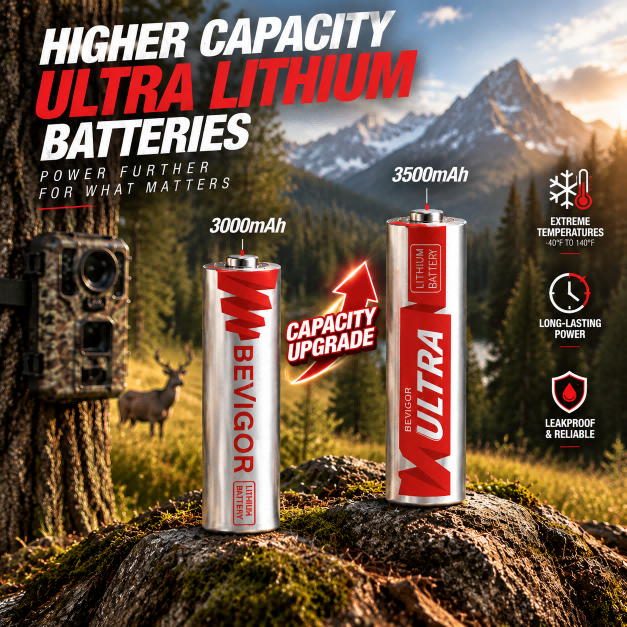
Bevigor AA Lithium Batteries: Built for Real-World Use
At Bevigor, battery performance isn’t measured only in lab numbers—it’s measured in real-world reliability.
Our lithium AA batteries are designed with:
-
Advanced globally integrated materials
-
Strict production management
-
Consistent batch-level quality control
-
Long-term temperature and storage stability
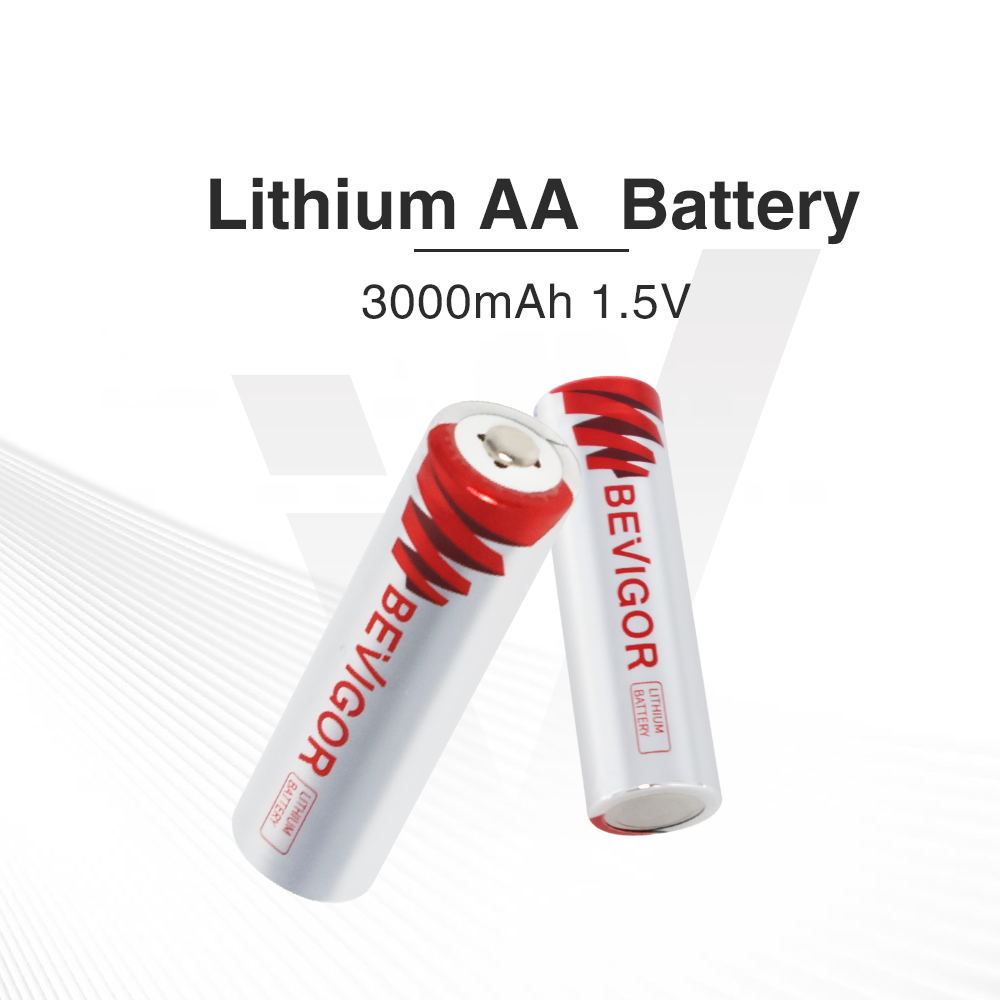
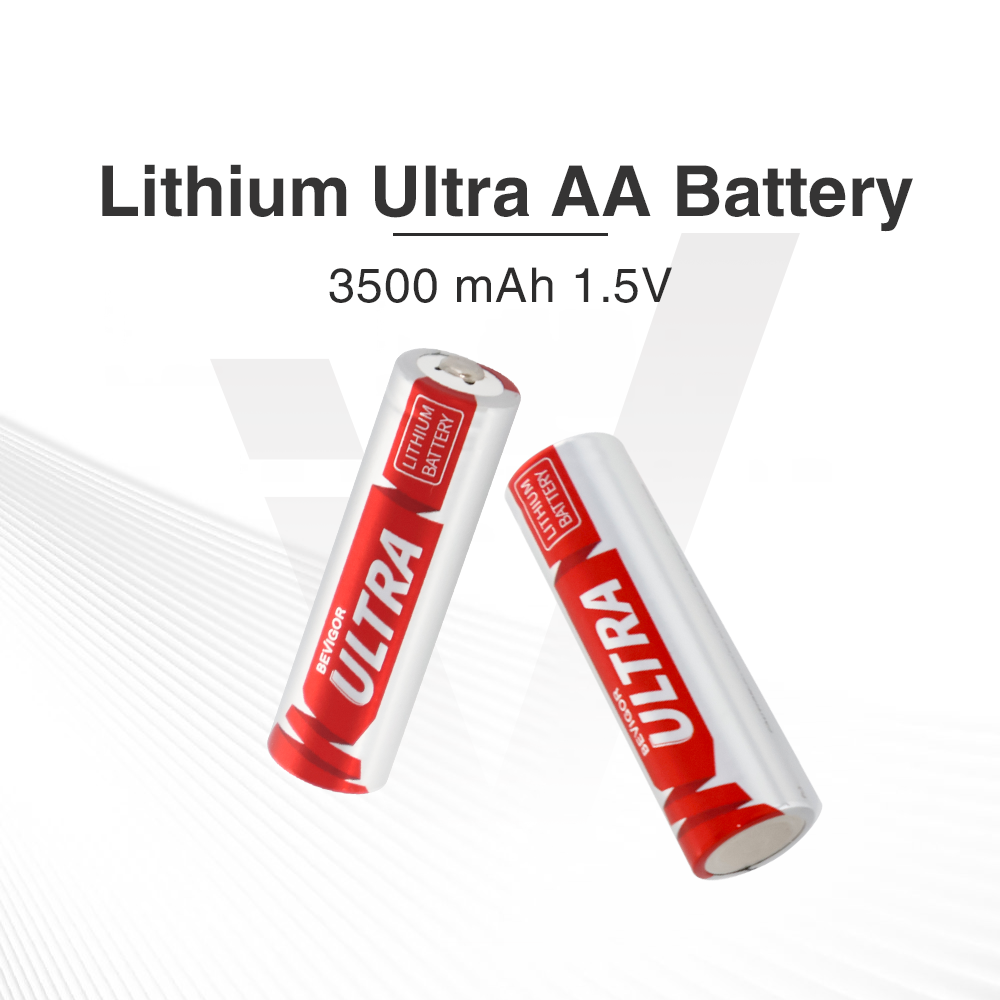
Explore Bevigor lithium AA batteries:
For bulk and wholesale buyers:
-
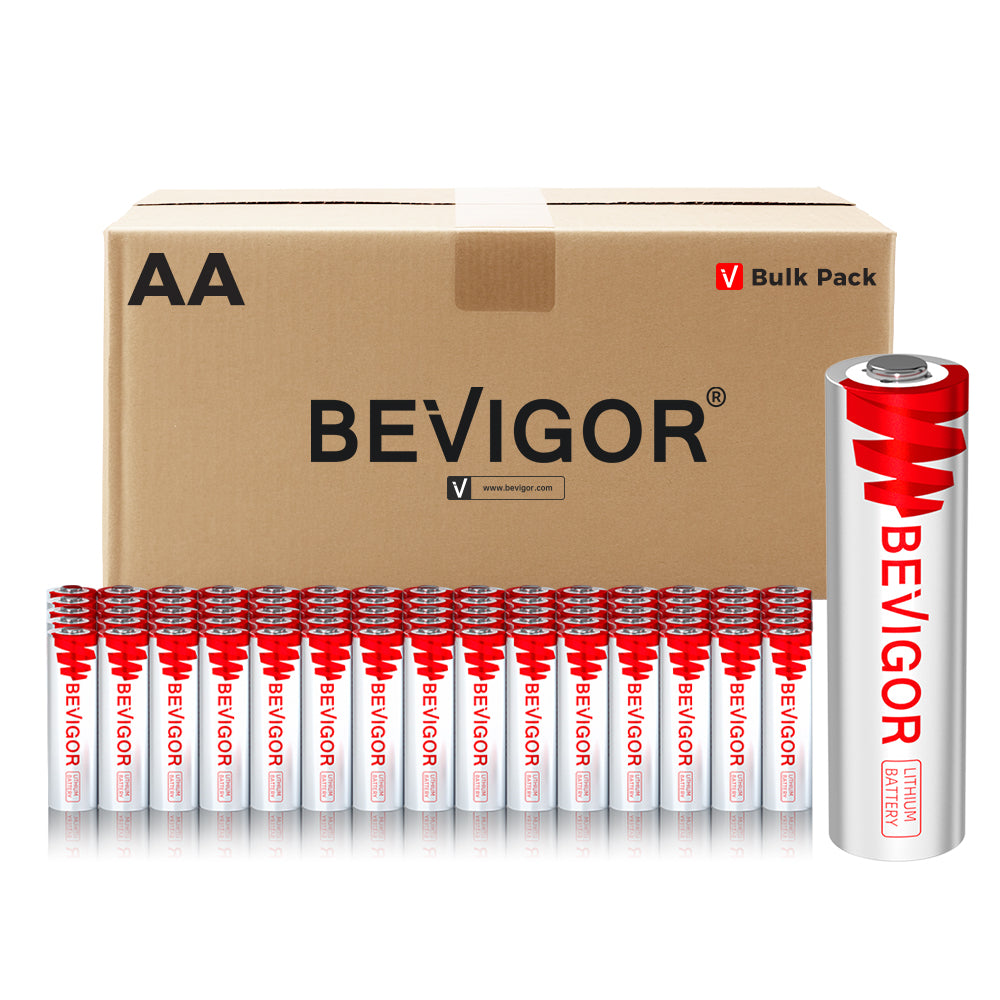
https://bevigor.com/products/aa-lithium-batteries-3000mah-bulk
-
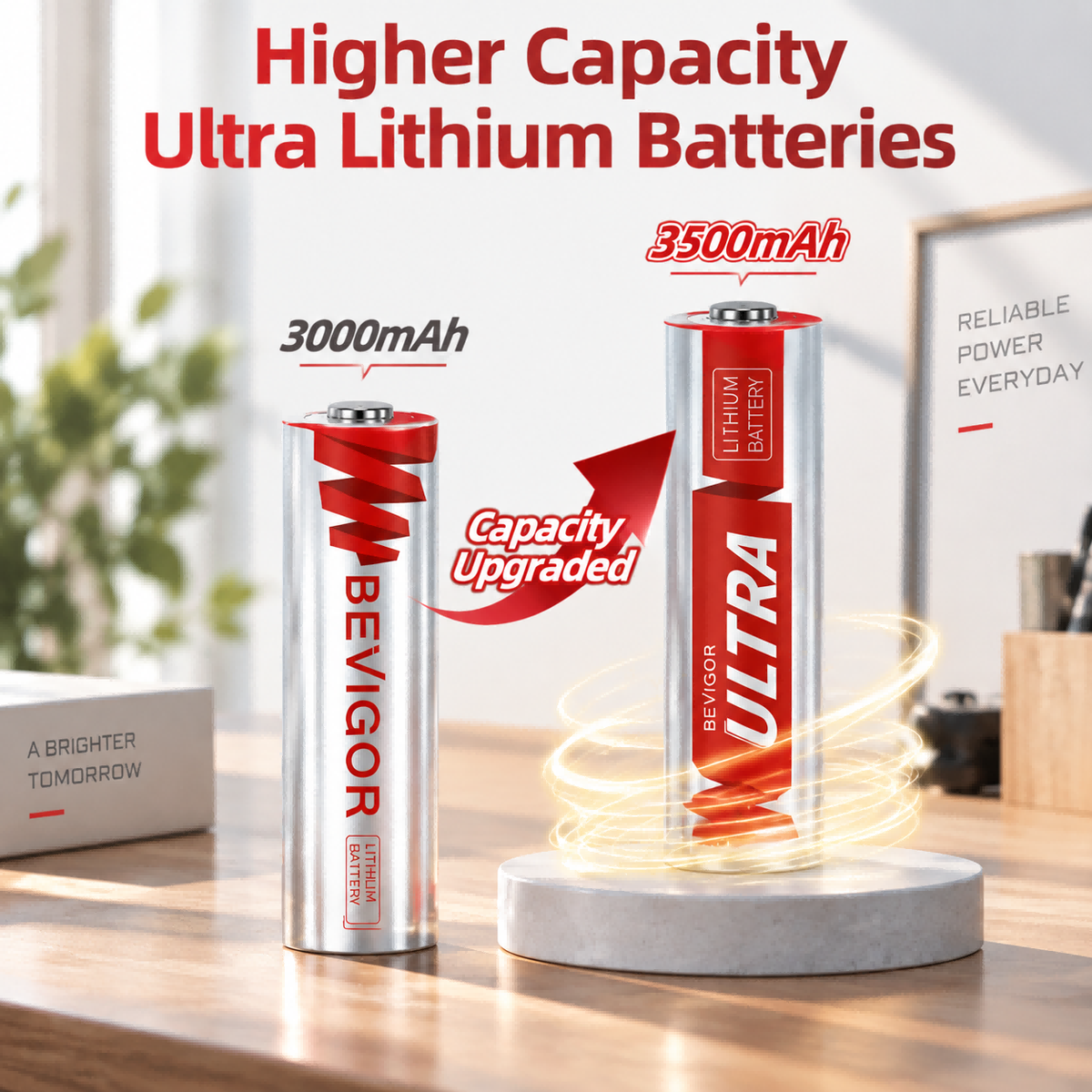
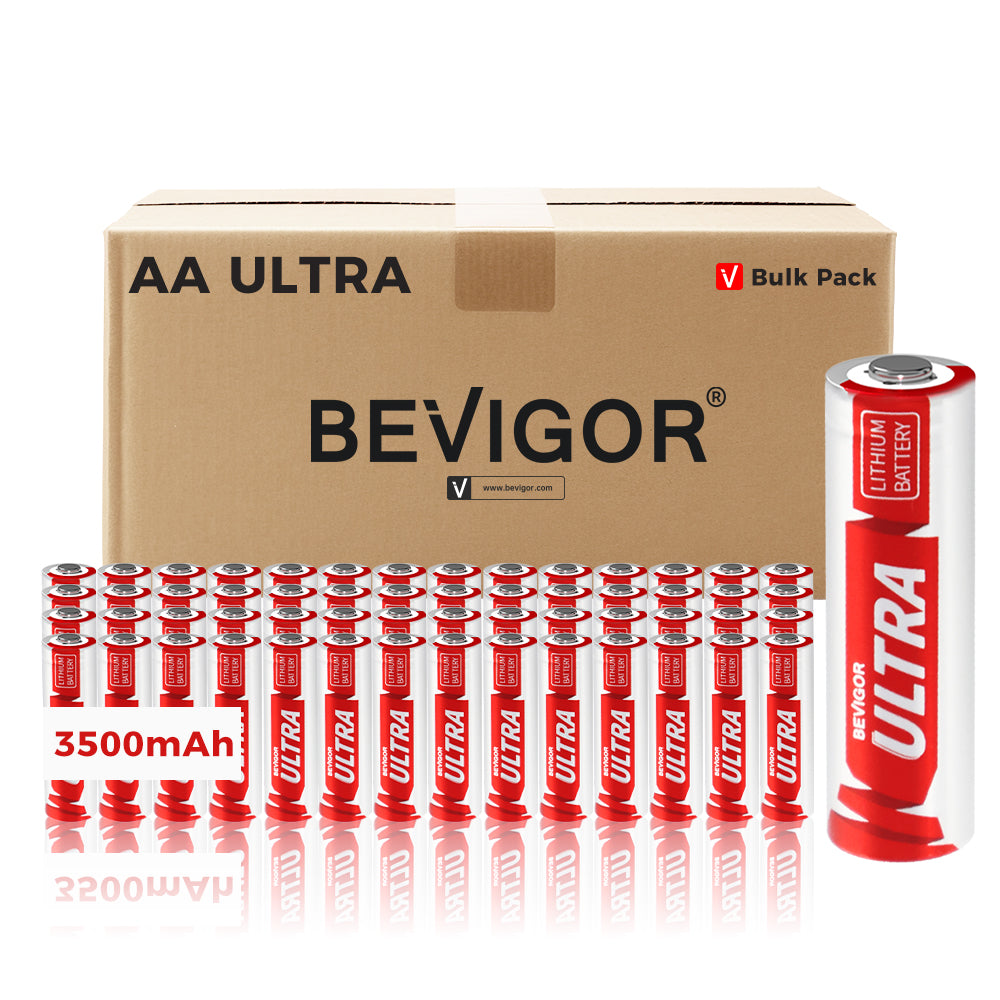
https://bevigor.com/products/bevigor-ultra-3500mah-aa-lithium-batteries-bulk-pack
Final Takeaway: Don’t Use One Battery Type for Everything
The biggest mistake consumers make is assuming all AA batteries are interchangeable.
-
Alkaline batteries are cost-effective for low-drain basics
-
Lithium AA batteries excel in high-drain, outdoor, and reliability-critical devices
Choosing the right battery for each device protects your equipment, saves money over time, and ensures dependable performance when it matters most.
When reliability counts, Bevigor AA lithium batteries deliver power you can trust—exactly when you need it.
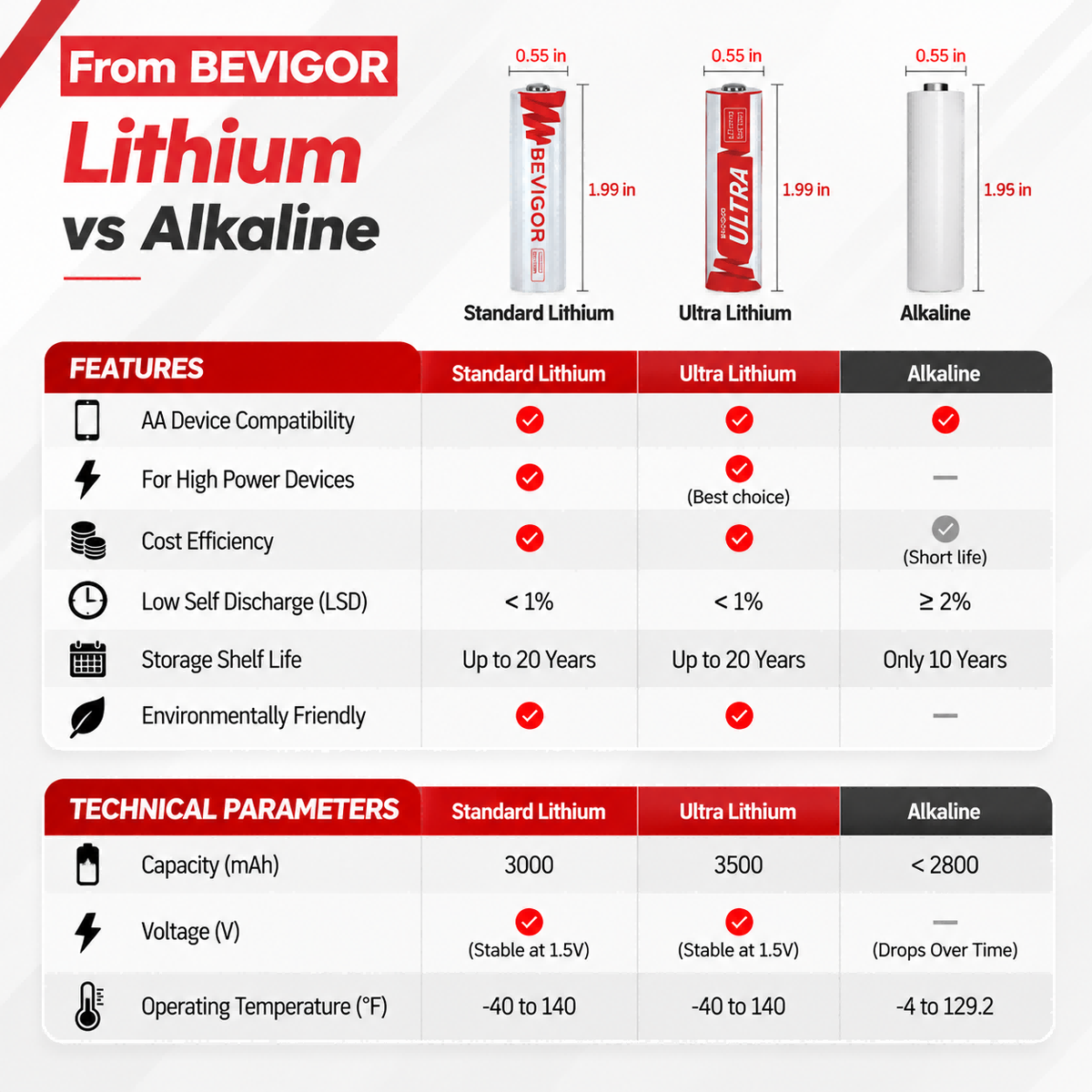
Quick Comparison: Lithium AA vs Alkaline AA (At a Glance)
| Feature | Alkaline AA Batteries | Lithium AA Batteries |
|---|---|---|
| Upfront price | Lower | Higher |
| Runtime in high-drain devices | Short | 5–10× longer |
| Voltage stability | Drops steadily over time | Stable until near depletion |
| Cold weather performance | Poor (fails below freezing) | Excellent (down to -40°F) |
| Leakage risk | Moderate to high over long storage | Extremely low |
| Shelf life | Up to 10 years (with gradual loss) | 20-year shelf life |
| Best use cases | Remotes, clocks, basic toys | Cameras, controllers, outdoor & emergency gear(blinks camera, blink doorbell lock), Trail Camera for Hunting |



Share:
How Long Do Lithium AA Batteries Typically Last?
Why Should You Use Lithium AA Batteries in Hunting Cameras?