

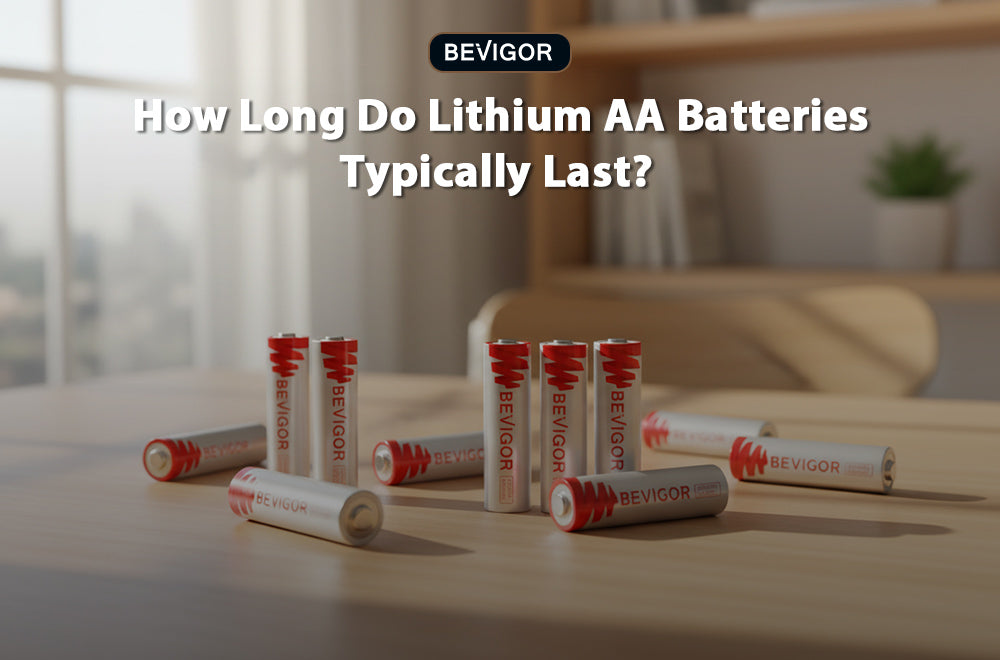
How long AA lithium batteries last depends on the device, settings, temperature, cutoff voltage, battery age, and usage. They do not have one fixed runtime: a set may serve a low-drain device for a long time but run down much faster in a camera, motorized toy, or bright flashlight. Average and peak power draw, operating schedule, and whether every cell in the set was installed fresh at the same time also affect useful life.
This guide explains how to think about in-device runtime, storage life, and replacement timing for primary, non-rechargeable AA lithium batteries. Always use the battery size, chemistry, and voltage allowed by the device manufacturer.
AA Lithium Battery Runtime vs. Storage Life
“How long a battery lasts” can mean two different things:
- Runtime or service life is how long the battery powers a device after installation.
- Storage life is how long an unused battery can remain stored before age and storage conditions reduce its available performance.
These are not interchangeable. A long storage-life claim does not predict how many hours or months a battery will run a particular device. For stored batteries, follow the date and storage instructions printed on the product packaging rather than applying another manufacturer’s shelf-life specification to BEVIGOR batteries.
Why There Is No Universal Number of Hours
Device makers design products around different loads and shutoff thresholds. Two devices using the same number of AA cells can therefore produce very different results.
| Use pattern | What affects battery life most | What to check |
|---|---|---|
| Low-drain, intermittent devices | Standby demand, wake frequency, radio transmissions, and cutoff voltage | Device settings, connection quality, and the manufacturer’s battery guidance |
| Cameras and security devices | Image or video frequency, night illumination, alerts, wireless activity, and temperature | Recording settings, signal strength, firmware guidance, and supported chemistry |
| Flashlights and motorized toys | Brightness level, motor load, duty cycle, and peak current | Expected continuous-use time and whether the device permits primary lithium cells |
| Outdoor and seasonal equipment | Temperature, moisture exposure, activity level, and access for replacement | Device manual, enclosure condition, seasonal settings, and inspection schedule |
Six Factors That Change AA Lithium Battery Life
1. Average and peak power draw
A device that stays mostly asleep uses energy differently from a device that powers a motor, high-output LED, flash, speaker, or wireless transmitter. Short high-power events can matter even when average use appears low. Device-specific testing is more useful than a general claim about “typical” runtime.
2. How often the device operates
A trail camera that captures many nighttime clips, a security sensor that reports frequently, or a toy used every day will consume batteries faster than the same device under lighter use. Settings such as recording duration, display brightness, wireless check-ins, and alert frequency can materially change replacement intervals.
3. Device cutoff voltage
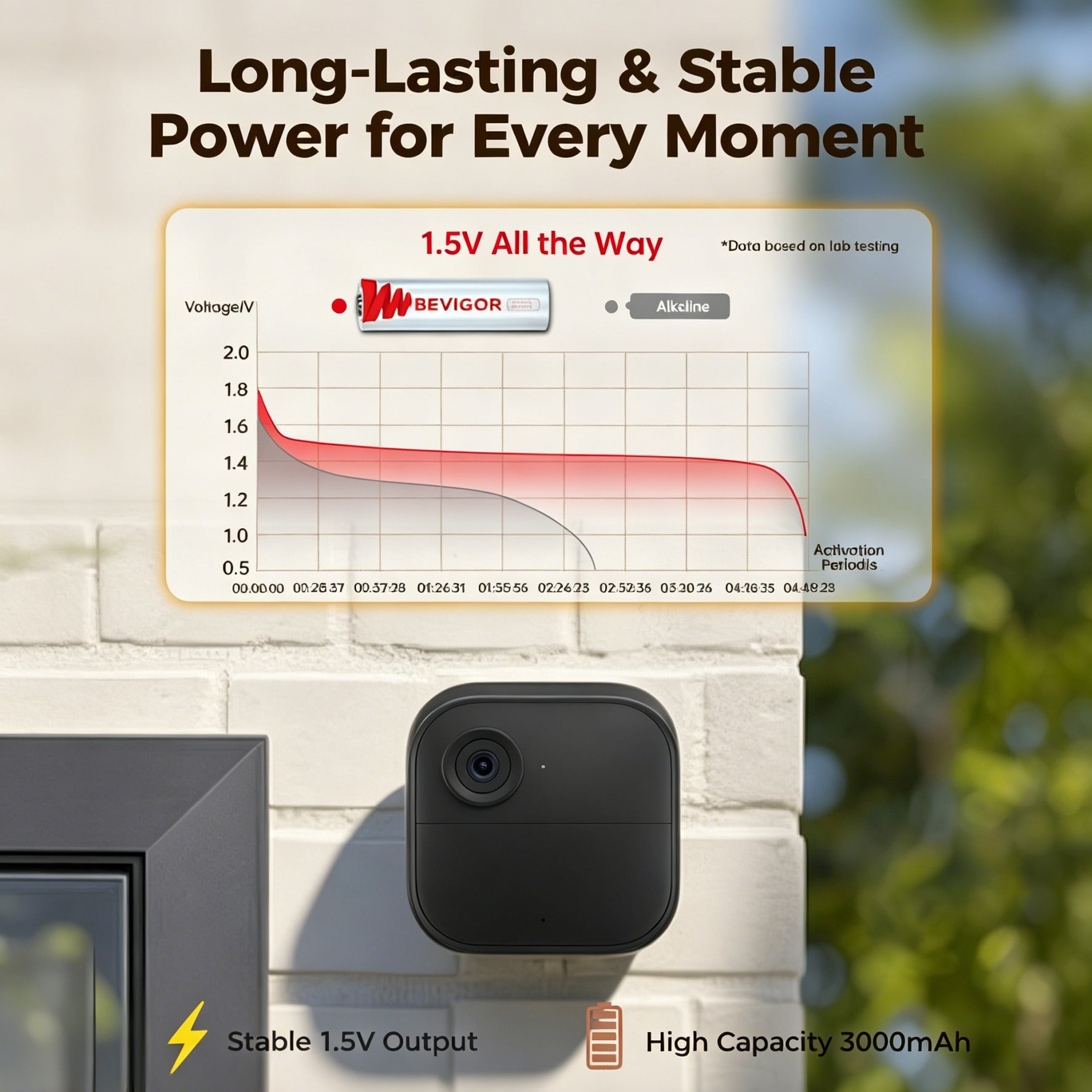
A battery may still contain energy when a device reports “low battery” or shuts down. The usable runtime ends when voltage under load falls below the device’s operating threshold, not necessarily when every bit of stored energy has been delivered. Battery-level indicators may also behave differently across chemistries, so follow the device maker’s guidance.
4. Temperature
Temperature changes electrochemical behavior and device demand. A public lithium/iron-disulfide AA datasheet from Energizer, for example, shows that available capacity varies with both temperature and discharge rate. That manufacturer-specific data illustrates why conditions matter; it should not be treated as a BEVIGOR runtime guarantee. See the Energizer L91 product datasheet for the test curves and stated conditions.
5. Battery age and storage conditions
Heat, moisture, damaged packaging, and long storage can reduce usable performance. Keep unused cells in their original packaging in a dry location away from excessive heat, loose metal objects, children, and pets. Do not use cells that are damaged, leaking, swollen, or otherwise abnormal.
6. The condition of the full battery set
When a device uses multiple cells, install the quantity and arrangement specified by the manufacturer. Do not mix old and new batteries or different brands, capacities, or chemistries in the same set. One weaker cell can limit the performance of the group.
Can You Estimate Runtime From mAh?
A simple theoretical estimate divides capacity in milliamp-hours by average current in milliamps. For example, 3,000 mAh divided by a steady 100 mA load equals 30 hours in an idealized calculation. Real devices rarely operate as a perfectly steady load, so that number is only a starting point.
Actual service life can be lower or otherwise differ because of peak loads, temperature, voltage conversion losses, battery age, rest periods, the device’s cutoff voltage, and the test conditions used to state capacity. Do not use the simple equation as a promise or compare two products solely by dividing the label capacity by a guessed current.
How to Measure Battery Life in Your Own Device
For equipment you use regularly, a simple replacement log is more dependable than a broad online estimate. Record the battery brand and model, labeled capacity, installation date, device settings, approximate activity level, and replacement date. If the device reports battery percentage, note when warnings begin, but treat the display as an estimate rather than a direct measurement of remaining capacity.
Keep the comparison fair. Use fresh matching cells, keep major settings consistent, and compare similar weather and activity periods. A trail camera tested during a quiet summer week is not directly comparable with the same camera recording frequent nighttime clips in winter. Likewise, a flashlight used at its highest output cannot be compared with intermittent low-output use.
If runtime suddenly drops, investigate the device as well as the batteries. Check for a firmware or settings change, higher recording frequency, weak wireless signal, a motor working harder than normal, dirty contacts, moisture, or a damaged battery compartment. These conditions can raise energy use or increase resistance without any change to the battery label.
For critical equipment, follow the device maker’s preventive replacement schedule even when the battery indicator still shows remaining power. A calendar-based change may be more appropriate than waiting for complete depletion when access, safety, or missed operation matters.
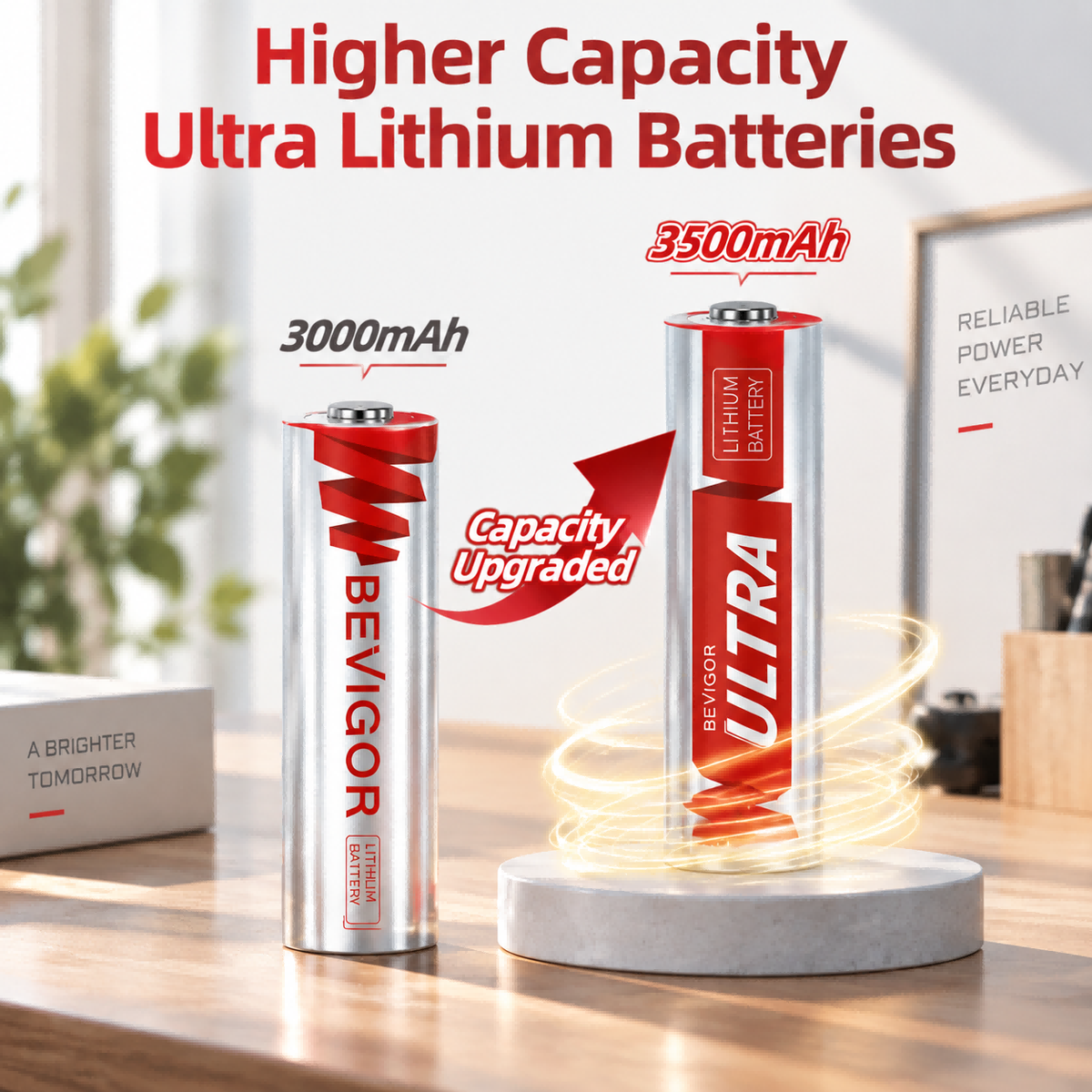
Choosing Between 3000mAh and 3500mAh BEVIGOR AA Batteries
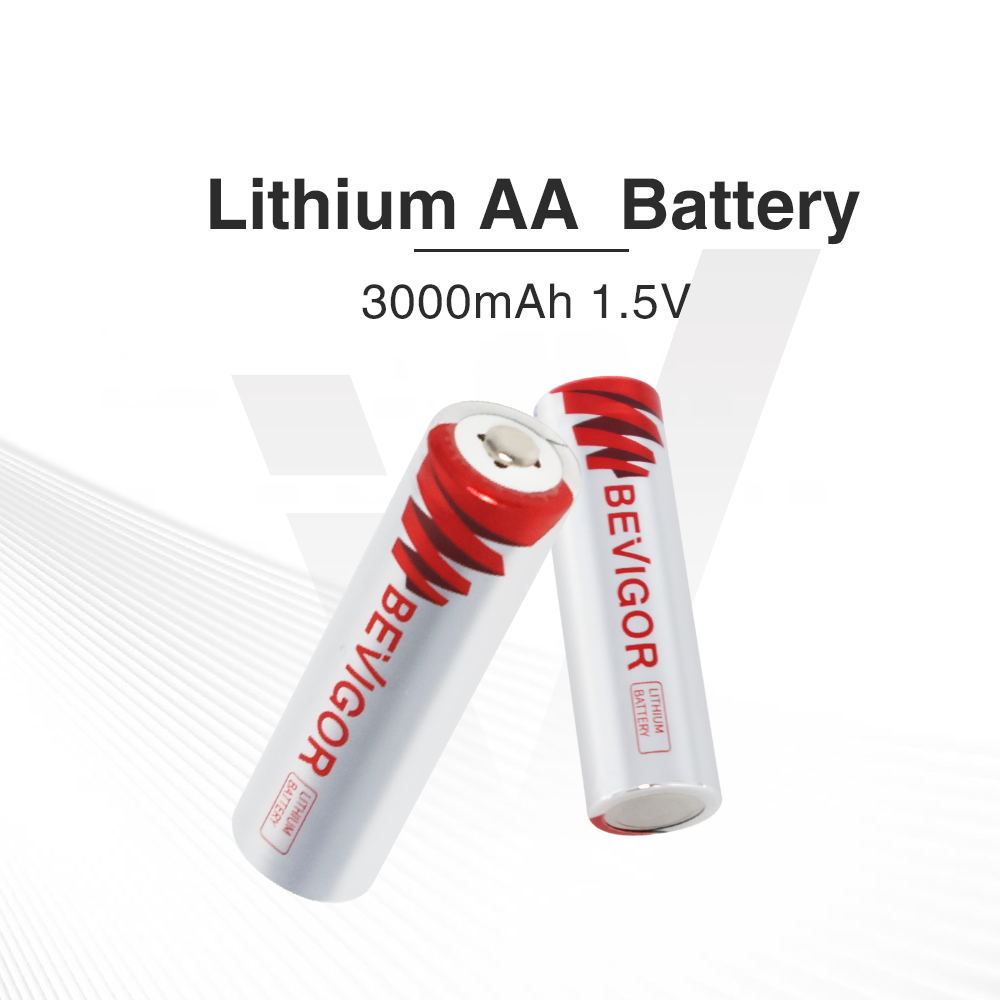
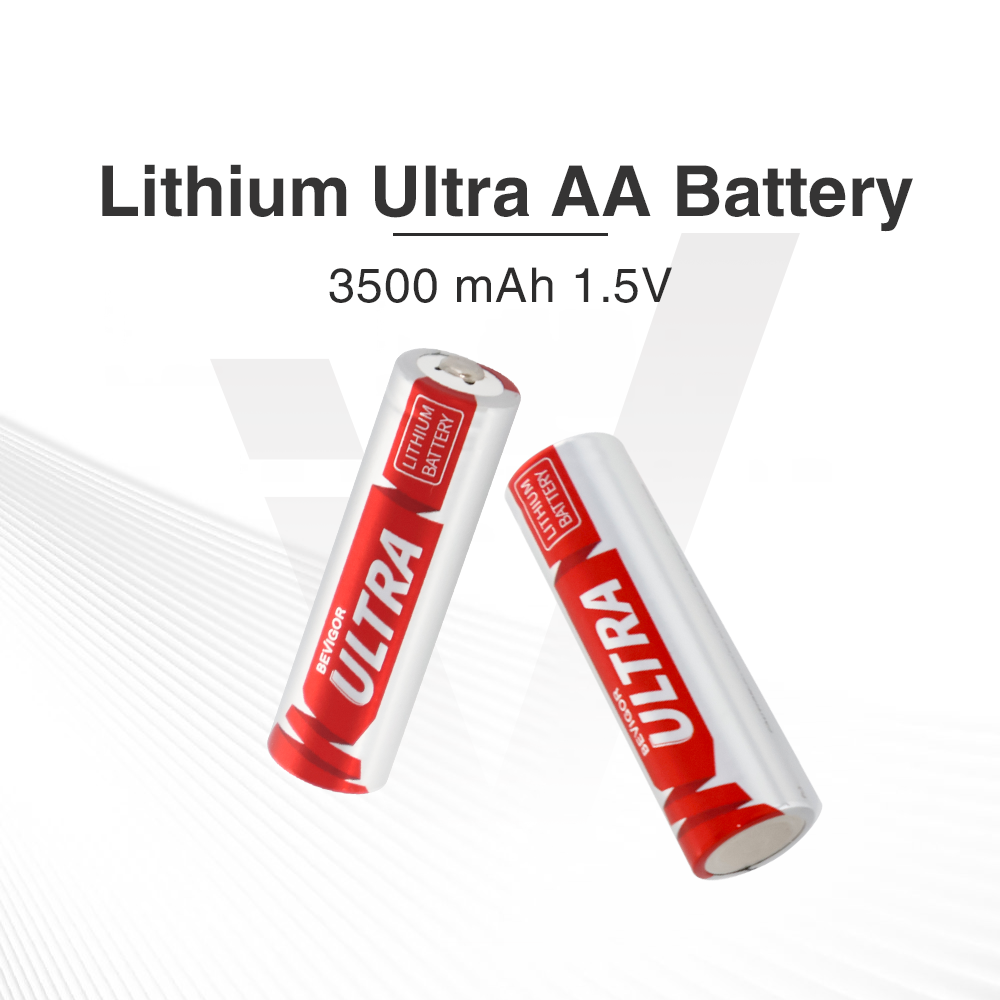
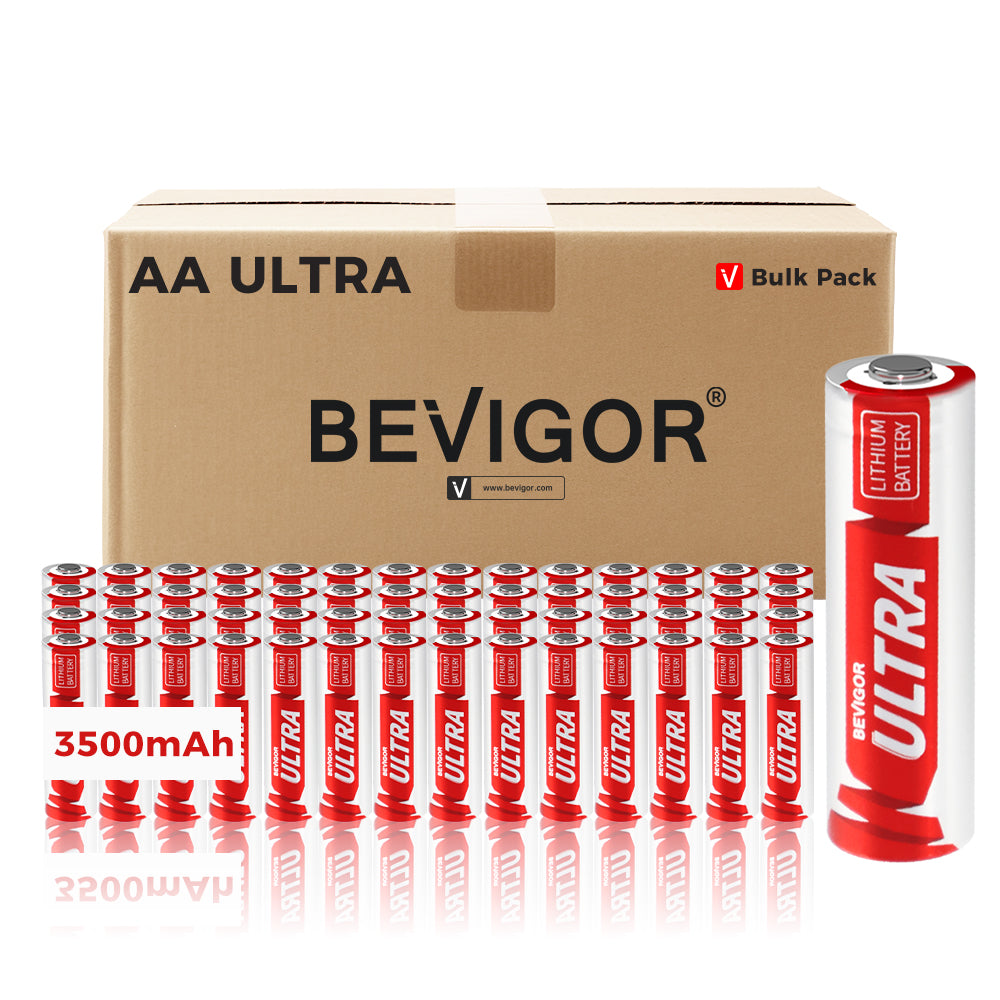
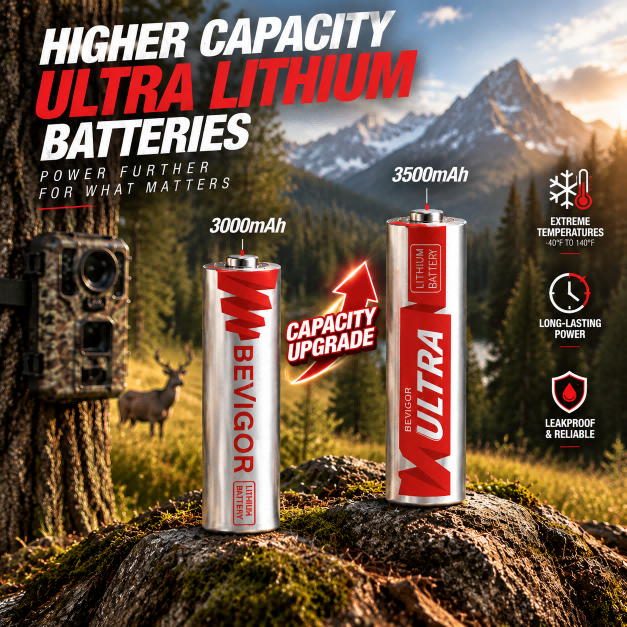
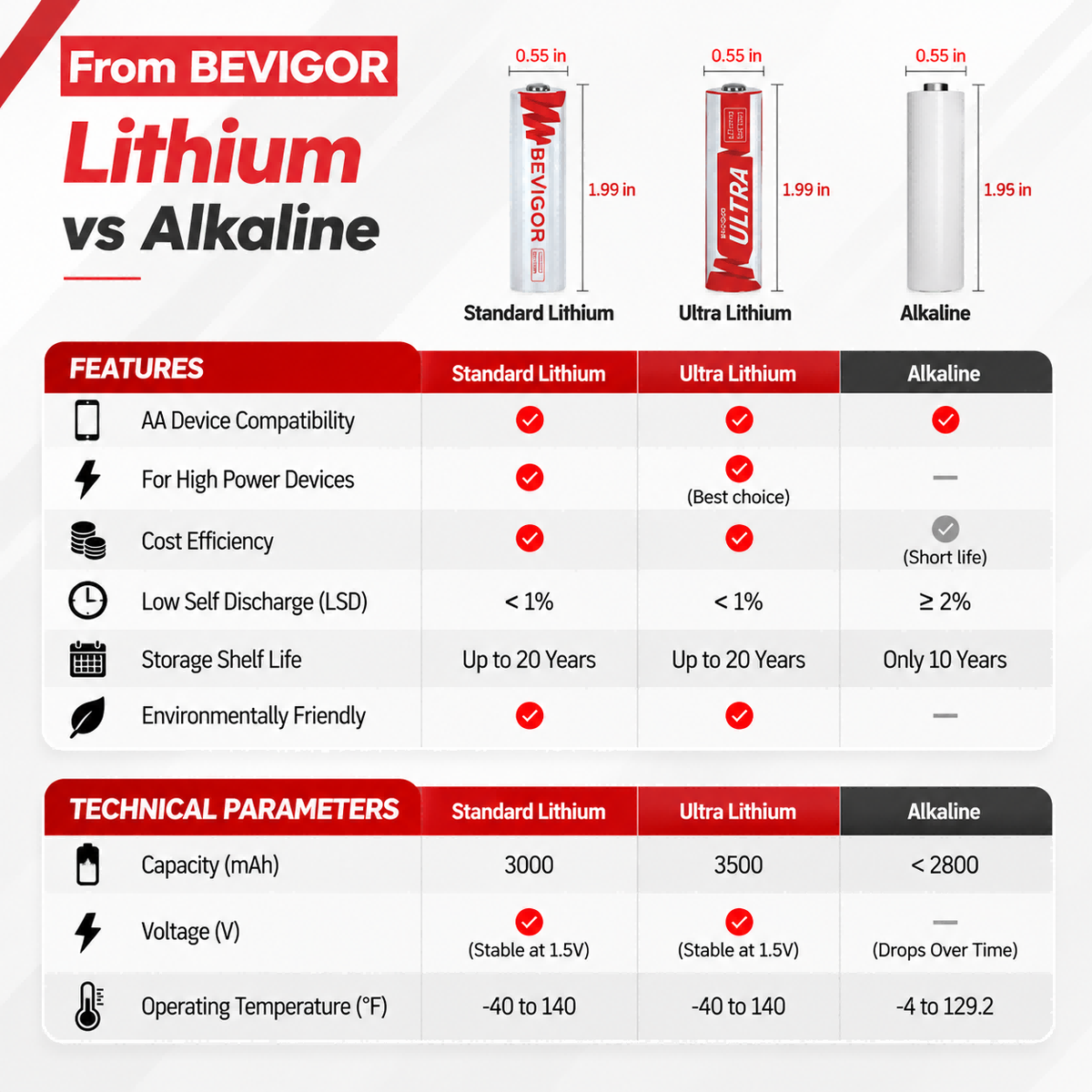
BEVIGOR currently offers primary 1.5V AA lithium options labeled 3000mAh and 3500mAh. The higher nominal capacity may provide more available energy under suitable conditions, but it does not guarantee a fixed percentage of additional runtime in every device.
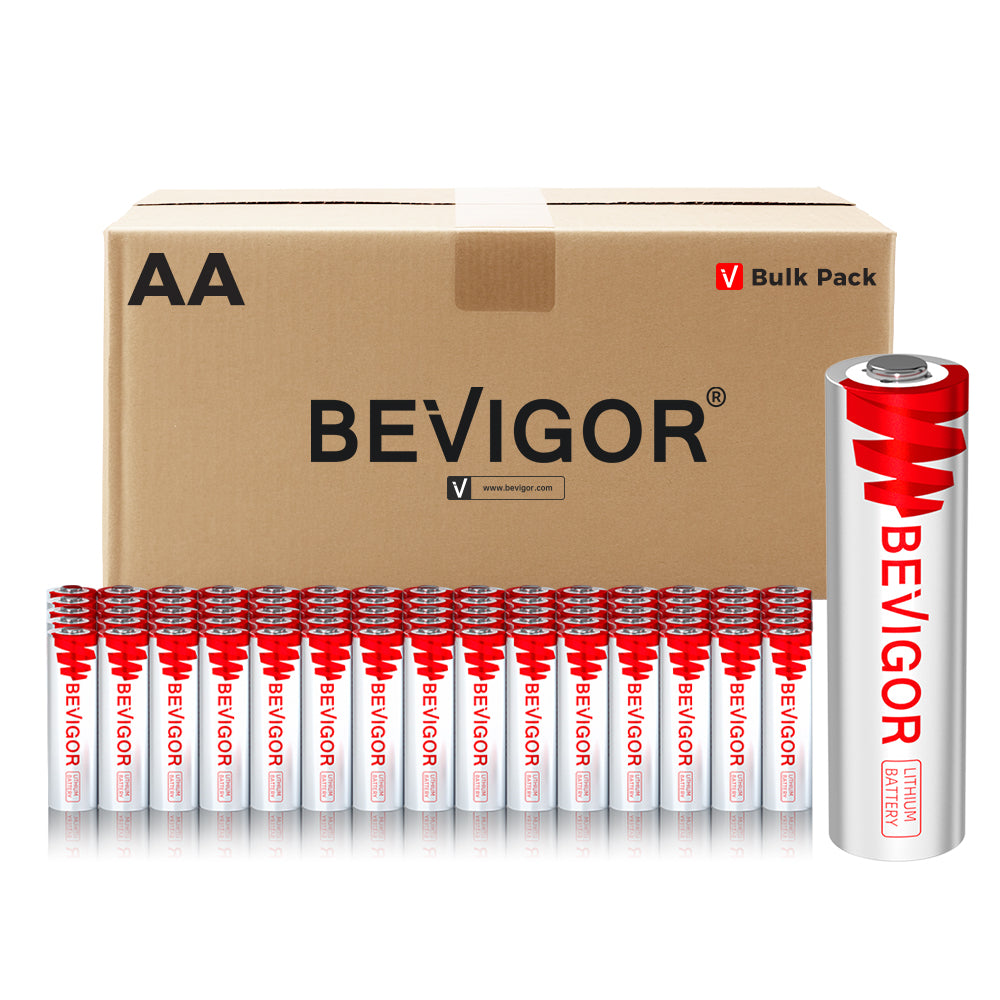
Start with compatibility, then consider the device’s demand, replacement access, pack size, and operating conditions. You can compare the available options in the BEVIGOR AA lithium battery collection. For a chemistry-focused decision, read lithium AA batteries vs. alkaline.
How to Get More Consistent Service Life
- Confirm that the device allows 1.5V primary lithium AA batteries.
- Install fresh, matching cells as one set and observe polarity markings.
- Review settings that increase power demand, including recording, brightness, wireless, and motor activity.
- Keep contacts and the battery compartment dry and follow the device maker’s cleaning instructions.
- Record the installation date and major setting changes when replacement access is difficult.
- Remove batteries before long-term device storage when the device manufacturer recommends it.
- Never place primary, non-rechargeable AA lithium batteries in a charger.
When Should You Replace the Batteries?
Replace the full set when the device displays a persistent low-battery warning, becomes unreliable, loses brightness or motor performance, or reaches the replacement point specified by the manufacturer. Before assuming the batteries are depleted, check for settings changes, poor wireless signal, dirty contacts, corrosion, moisture, or unusually high activity.
If a cell is hot, damaged, leaking, swollen, or has an unusual odor, stop using the device and follow the device and battery manufacturer’s safety instructions. Do not puncture, crush, heat, or attempt to recharge a primary lithium cell.
Storage and Disposal
Store unused batteries in their original packaging in a dry place away from heat and conductive objects. Keep batteries out of reach of children and pets, and do not store loose cells where their terminals can contact metal.
End-of-life requirements depend on battery chemistry and local rules. The U.S. Environmental Protection Agency notes that batteries should be managed according to their type and directs consumers to recycling and household hazardous-waste resources. Review the current EPA guidance for used household batteries and follow state and local requirements.
Frequently Asked Questions
How many hours do AA lithium batteries last?
There is no single reliable number. Runtime depends on average and peak load, operating schedule, settings, temperature, battery age, and the device’s cutoff voltage. Use a device-specific test or manufacturer estimate when available.
Can AA lithium batteries last for years in a device?
They may serve some compatible low-drain, intermittent devices for long periods, but “years” is not a universal expectation. Wireless activity, standby current, temperature, settings, and maintenance conditions can shorten service life.
Does 3500mAh always last longer than 3000mAh?
A higher nominal capacity can indicate more available charge under the stated test conditions, but it does not guarantee a fixed runtime advantage. Device load, cutoff voltage, temperature, battery age, and usage pattern still determine the result.
Are these batteries rechargeable?
No. The BEVIGOR batteries discussed here are primary, non-rechargeable AA lithium cells. Do not place them in a charger.
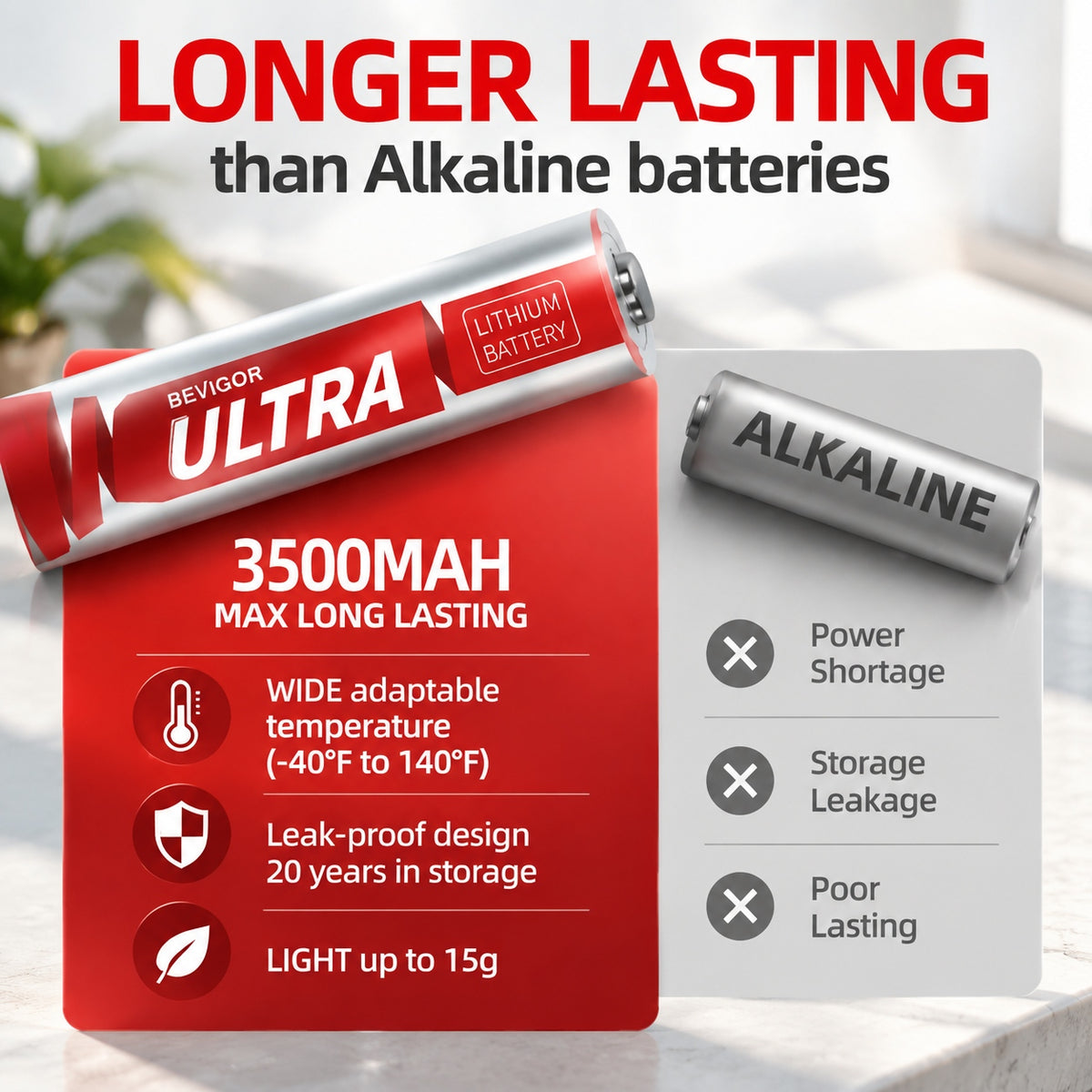
Can I use AA lithium batteries instead of alkaline?
Only when the device manufacturer allows 1.5V primary lithium AA batteries. The same AA size does not by itself prove that different chemistries are interchangeable.




Share:
9V Batteries for Smoke Detectors: Complete Guide, Types, Lifespan, and How to Choose
Can You Use AA Lithium Batteries Instead of Alkaline Batteries?