

Tired of leaky batteries ruining your expensive electronics or having your devices die unexpectedly as soon as the temperature drops? Choosing between AAA batteries alkaline vs lithium shouldn't be a gamble.
We compare the high-performance Lithium Iron AAA against standard cells to help you find the ultimate power solution for your gadgets.

Understanding the Chemistry: What are AAA Batteries Made of?
When you're standing in the battery aisle, the sheer variety can be overwhelming. To make an informed choice, you first need to understand what are AAA batteries made of. The two most common types—Alkaline and Lithium Iron—operate on fundamentally different chemical reactions, and choosing the wrong one can mean the difference between a working device and a piece of corroded plastic.
Standard are AAA batteries alkaline by traditional standards, utilizing a zinc-manganese dioxide (Zn/MnO2) chemistry with a potassium hydroxide electrolyte. These have been the household staple for decades because they are inexpensive to produce and reliable for low-drain devices like TV remotes and wall clocks. However, they have a major design flaw: as they discharge, they produce hydrogen gas. This gas can build up pressure, eventually compromising the battery seals and leading to the dreaded "leaking" that destroys expensive battery terminals.
So, is AAA battery lithium or alkaline when you buy it at the store? Most "everyday" batteries are alkaline, but high-performance tech requires a shift in chemistry. Is AAA battery lithium in the same way your smartphone is? Not exactly. While many consumers ask are AAA batteries lithium ion, there is a crucial technical distinction. Are AAA batteries lithium in a disposable format? Yes—these are specifically Lithium Iron Disulfide (Li-FeS2) batteries.
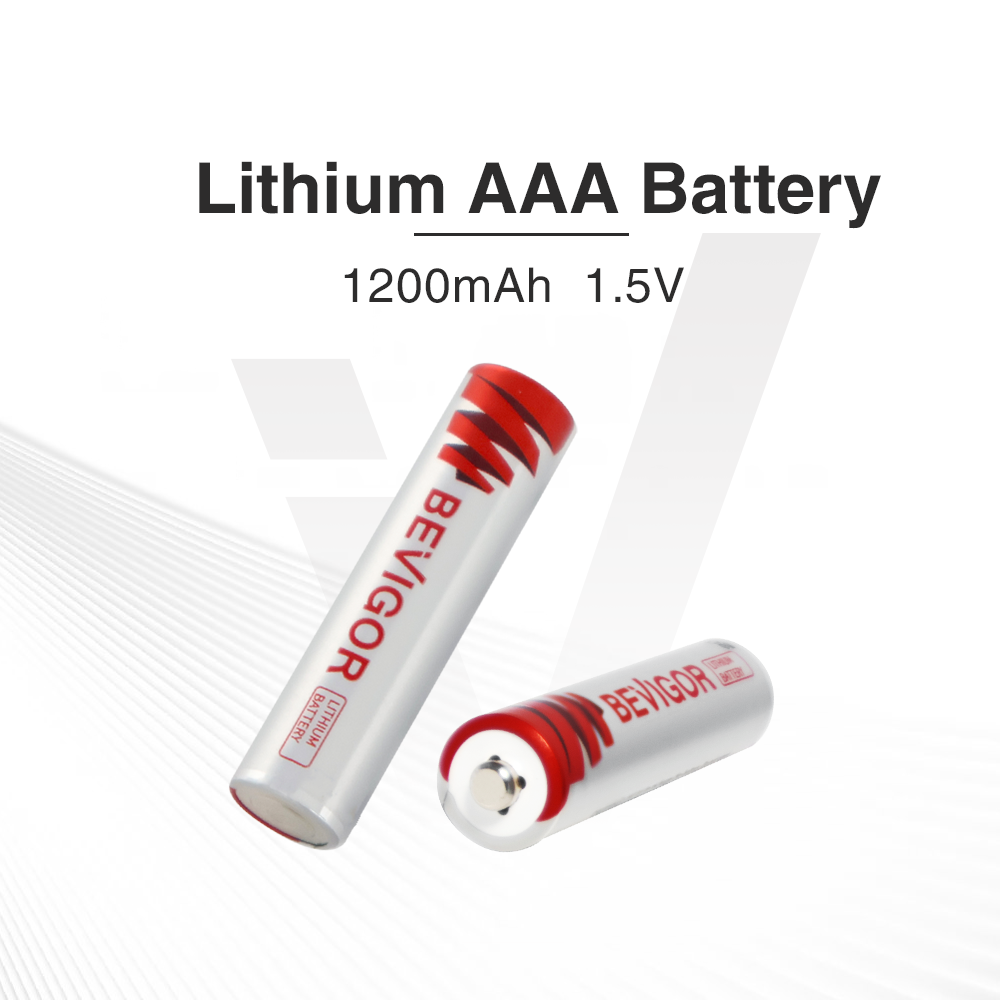
Unlike the 3.7V rechargeable lithium-ion cells found in laptops, Lithium Iron AAA batteries are primary (non-rechargeable) cells designed at a nominal 1.5V. This makes them a safe, high-performance replacement for any device that normally takes an alkaline cell. Knowing are triple a batteries lithium in their chemistry helps you select the right power source for mission-critical gear where failure is not an option.
Voltage Stability: Why Lithium Iron AAA Outperforms Alkaline in High-Drain Tech
The real battle in AAA batteries alkaline vs lithium is how they manage voltage under a heavy load. If you've ever noticed your digital camera flash taking longer to recycle, or your smart lock struggling to turn, you're experiencing a phenomenon known as "voltage sag."
In lithium AAA vs alkaline AAA head-to-head tests, alkaline batteries show a sloping discharge curve. As the battery is used, its voltage drops steadily from 1.5V down to 0.9V. Here's the kicker: many modern electronics, especially smart home devices, will "think" the battery is dead and shut down when the voltage hits 1.1V. This happens even if there is still 40% of the energy left inside the alkaline cell.
This is where the 1.5V Lithium Iron AAA shines. It maintains a "flat" discharge curve, staying at nearly 1.5V until the very end of its life. Because of this, are lithium AAA batteries better than alkaline for high-drain tech? Absolutely. They provide consistent, full power, ensuring that gadgets like handheld gaming consoles and GPS units run at peak performance until the cell is truly exhausted. You get to use 100% of the energy you paid for.
The Weight Factor: Lithium Iron AAA for Outdoor and Travel Gear
For backpackers, photographers, and professional travelers, AAA batteries weight is a decisive factor. Every ounce added to a pack or a camera bag matters during long treks or all-day shoots. Carrying a dozen spare batteries can suddenly feel like carrying a brick.
Lithium is the lightest metal known to man, and this translates directly to the battery's mass. When evaluating AAA batteries weight, a standard alkaline cell weighs approximately 11.5 grams. In contrast, a Lithium Iron AAA weighs only about 7.6 grams.
When you compare lithium vs alkaline AAA batteries, you're looking at a 33% weight reduction. For a high-end headlamp that requires three batteries, or a professional flash unit that requires four, the difference is immediately noticeable. Choosing AAA lithium batteries vs alkaline allows you to pack more spare power with significantly less physical strain, making them the superior choice for travel and outdoor survival.
Temperature Resilience of Lithium Iron AAA in Extreme Weather
Temperature is the ultimate test of battery reliability. Standard alkaline batteries rely on a water-based electrolyte. When temperatures drop toward freezing, the chemical reaction inside the battery slows down significantly, and internal resistance increases. This is why your flashlight might barely glow, or your outdoor camera might go offline on a winter night.
Lithium AAA batteries vs alkaline testing in extreme environments tells a completely different story. Since Lithium Iron AAA batteries do not use a water-based electrolyte, they are far more resilient to thermal changes. According to manufacturer specifications, these batteries operate efficiently in temperatures ranging from -40°F to 140°F (-40°C to 60°C).
Whether you are using a trail camera in the snowy woods or an outdoor security sensor in the desert heat, lithium AAA batteries vs. alkaline performance remains night and day. While alkaline capacity can plummet by 50% or more in freezing weather, lithium maintains nearly its full capacity. This proves once again why are lithium AAA batteries better than alkaline for outdoor security and emergency preparedness.
Longevity and Storage: The 20-Year Shelf Life Advantage
If you are building an emergency kit or a bug-out bag, you need to know if are AAA batteries lithium designed for long-term storage. Reliability in five years is just as important as reliability today.
Alkaline batteries typically have a shelf life of 5 to 7 years. Over time, the seals can degrade even when the battery isn't in use, leading to potassium hydroxide leakage—a corrosive white powder that can destroy the circuit boards of your gadgets.
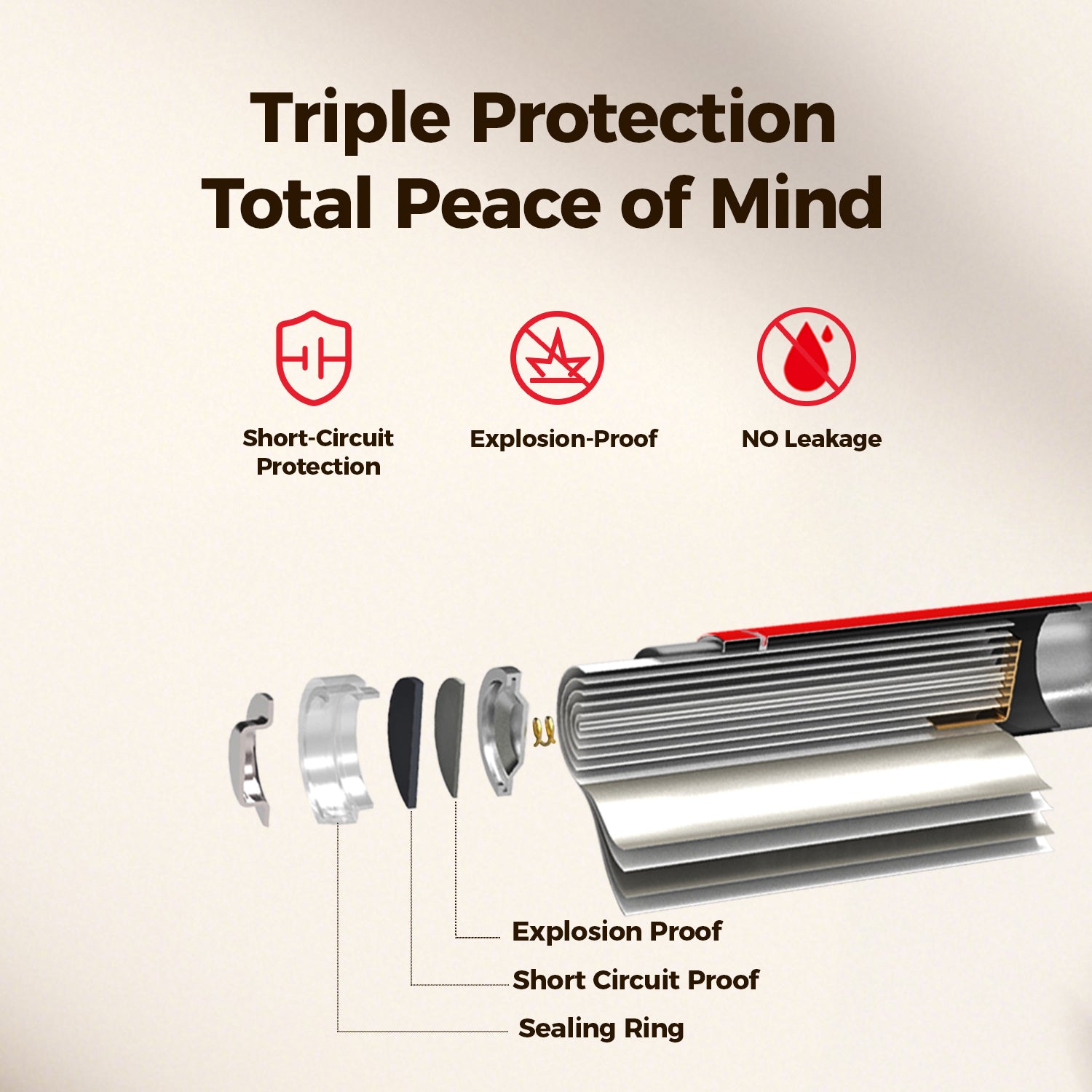
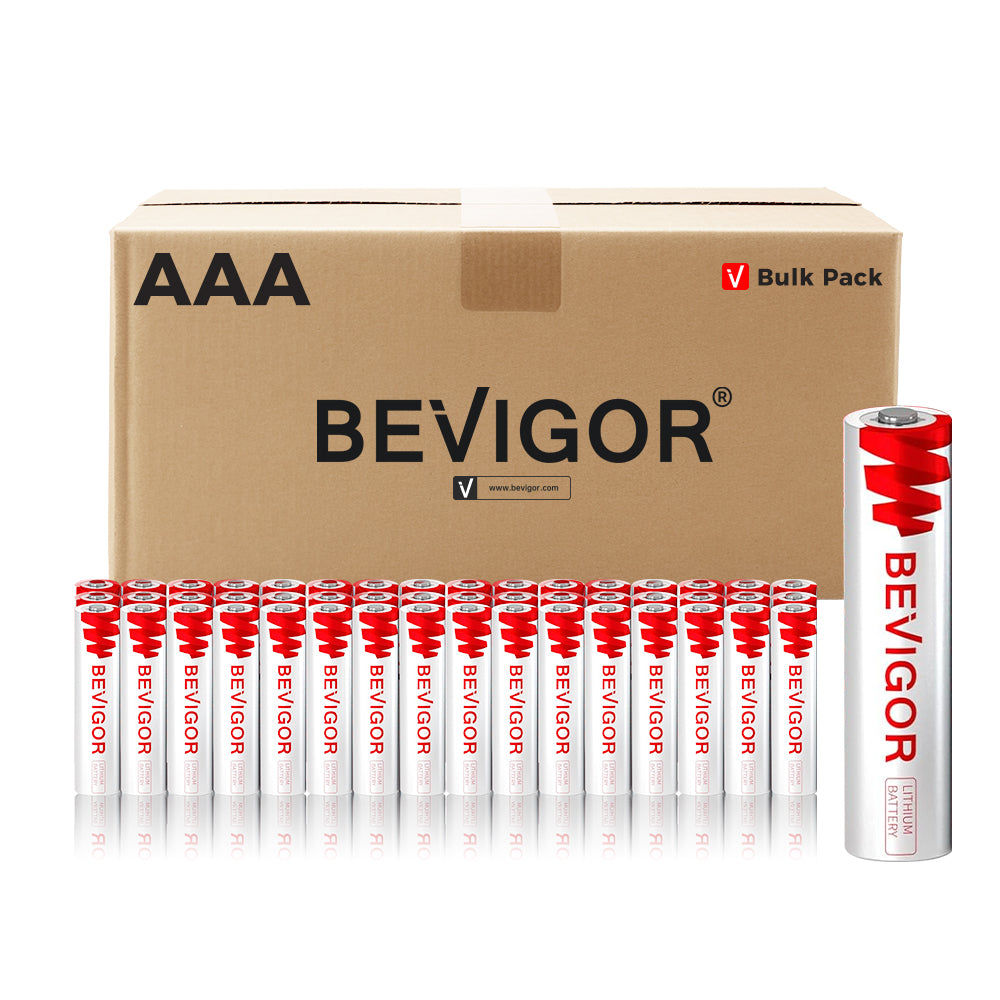
In contrast, Lithium Iron AAA batteries feature a superior seal and stable chemistry that allows for a shelf life of up to 20 years. This makes stocking up on AAA bulk packs an excellent investment. You can store them in your car's glove box or an emergency drawer and trust that they will have nearly 100% of their power when you finally need them a decade later.
FAQ: Common Questions About Lithium Iron AAA
Can you use lithium AAA batteries instead of alkaline for any device?
Yes. Can you use lithium AAA batteries instead of alkaline in any standard 1.5V slot? Definitely. Because they share the exact same dimensions and nominal voltage, they are a direct "drop-in" replacement. They are especially recommended for expensive electronics because they are virtually leak-proof.
Are triple a batteries lithium by default?
No, the majority of batteries sold in multipacks at grocery stores are alkaline. If you want the performance benefits, you must specifically look for the "Lithium" or "Lithium Iron" label on the packaging.
Are AAA batteries lithium ion?
This is a frequent point of confusion. Standard 1.5V batteries are AAA batteries lithium ion? No. Lithium-ion refers to rechargeable 3.7V technology. AAA Lithium Iron is a "primary" (single-use) 1.5V technology.
Is AAA battery lithium better than alkaline for smart home devices?
Smart locks, Blink cameras, and Ring doorbells often specifically recommend lithium batteries. Because these devices have high "pulse" power needs (moving a motor or connecting to Wi-Fi), lithium AAA vs alkaline AAA performance is noticeable. Lithium prevents the device from constantly reporting "low battery" due to voltage fluctuations.
What happens if I mix AAA lithium batteries vs alkaline in one device?
Never do this. Mixing chemistries can cause the weaker battery to over-discharge, which may lead to leakage or even a fire. Always replace the entire set at once.
Detailed Comparison: Lithium Iron AAA vs. Alkaline
|
Feature |
Alkaline AAA |
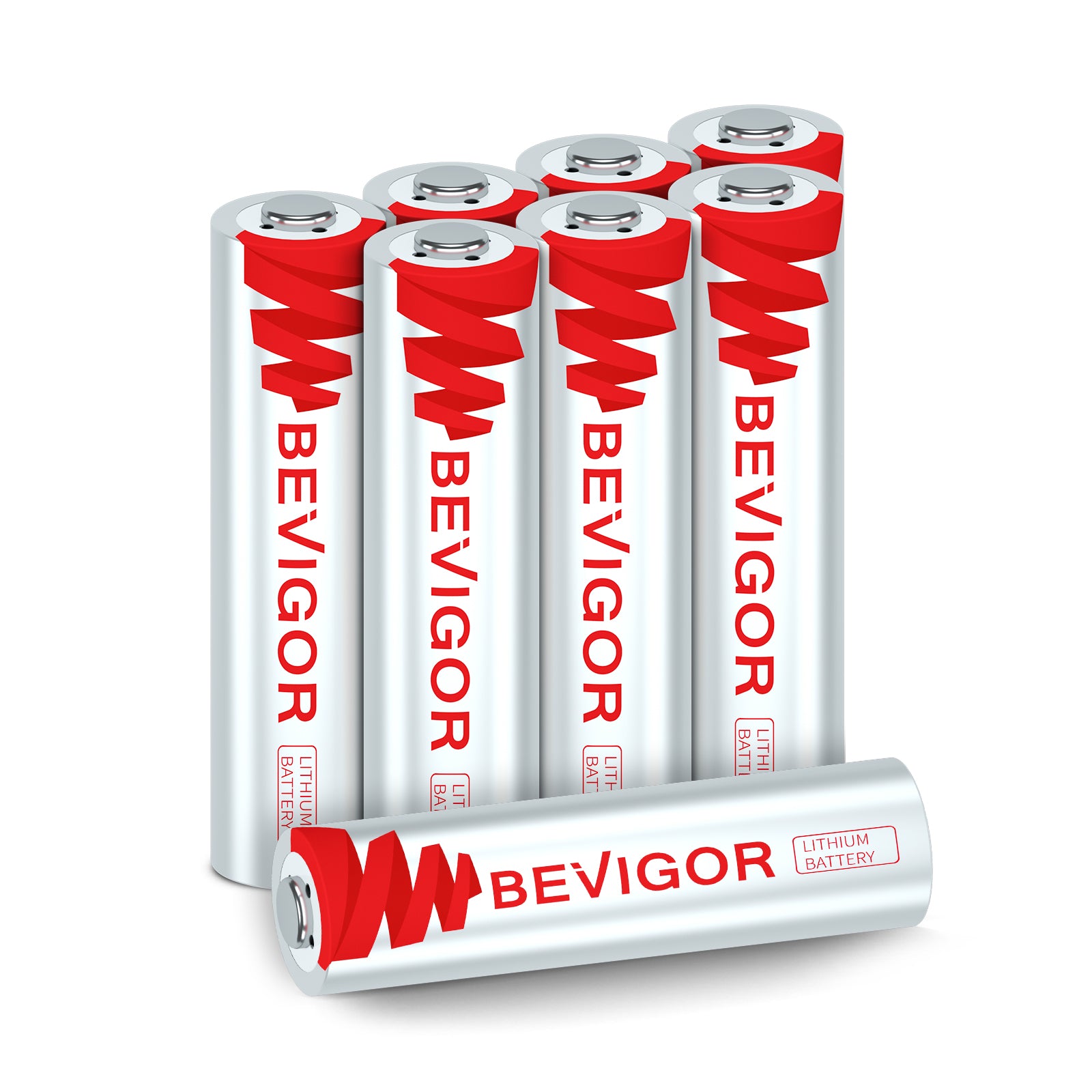
BeVigor Lithium Iron AAA |
|
Nominal Voltage |
1.5V (drops quickly) |
1.5V (stays flat) |
|
Capacity (High Drain) |
~600-800 mAh |
~1200 mAh |
|
Shelf Life |
5-10 Years |
15-20 Years |
|
Weight per Cell |
~11.5g |
~7.6g |
|
Leakage Risk |
Moderate/High |
Minimal |
|
Ideal Temp Range |
30°F to 110°F |
-40°F to 140°F |
Which One Should You Buy?
In the battle of AAA lithium vs alkaline, the winner depends entirely on your application. For low-cost, low-drain devices like a kitchen clock or a basic TV remote, alkaline is a budget-friendly choice that does the job.
However, for anything mission-critical—medical devices, digital cameras, outdoor security, or smart home tech—the Lithium Iron AAA is the undisputed victor. With its light AAA batteries weight, extreme temperature tolerance, and leak-proof design, it offers a level of reliability that alkaline simply cannot match.
If you are looking to stock up on reliable power for your home or business, exploring our wholesale battery options or choosing a high-capacity 1200mAh pack ensures that your devices are always ready when you are.
Trust & Safety Information
Data Verification: Capacity (1200mAh) and shelf-life metrics are derived from BeVigor official laboratory testing under controlled discharge rates.
Performance Variables: Factors such as device signal strength (for smart devices), motor frequency, and ambient humidity can affect actual runtime.
Safety Warning: Primary lithium batteries are not rechargeable. Attempting to charge them in a standard charger may cause leakage or explosion.
Environmental Tip: Help protect our planet by recycling your used batteries at an authorized Call2Recycle location.


Share:
How to Choose Reliable Battery-Powered Toys for Children?
What CR123A Power Cell Suits High-Performance Devices?