

When packing electronics for a trip, many travelers ask: can you bring AA batteries on a plane?
The short answer is yes, but the rules depend on the battery type. Aviation safety agencies such as the TSA and FAA allow most small household batteries on flights, but lithium batteries have additional safety requirements compared with alkaline or NiMH batteries.
Understanding these rules helps travelers avoid security issues and ensures safe transportation of portable power sources such as lithium AA batteries used in cameras, smart home devices, and outdoor electronics.
Can You Bring AA Batteries on a Plane?
Yes, you can bring AA batteries on a plane, including several common battery chemistries.
However, TSA rules treat them differently depending on their internal chemistry.
Battery rules overview
| Battery Type | Carry-On | Checked Bag | Notes |
|---|---|---|---|
| Lithium AA batteries | Yes | Limited | Spare batteries must be in carry-on |
| Alkaline batteries | Yes | Yes | Few restrictions |
| NiMH rechargeable batteries | Yes | Yes | Treated similar to alkaline |
Lithium batteries are regulated more strictly because damaged lithium cells can overheat. For detailed aviation guidelines, travelers can check the official safety resource:
https://www.faa.gov/hazmat/packsafe/lithium-batteries
The TSA also provides a search tool for items allowed on flights:
https://www.tsa.gov/travel/security-screening/whatcanibring/all?combine=lithium+batteries
TSA Rules for Lithium Batteries on Flights
Most lithium AA batteries fall under the category of lithium metal batteries, which power many small electronics.
According to FAA safety guidelines:
-
Lithium metal batteries must contain no more than 2 grams of lithium per battery
-
Spare lithium batteries must be placed in carry-on baggage
-
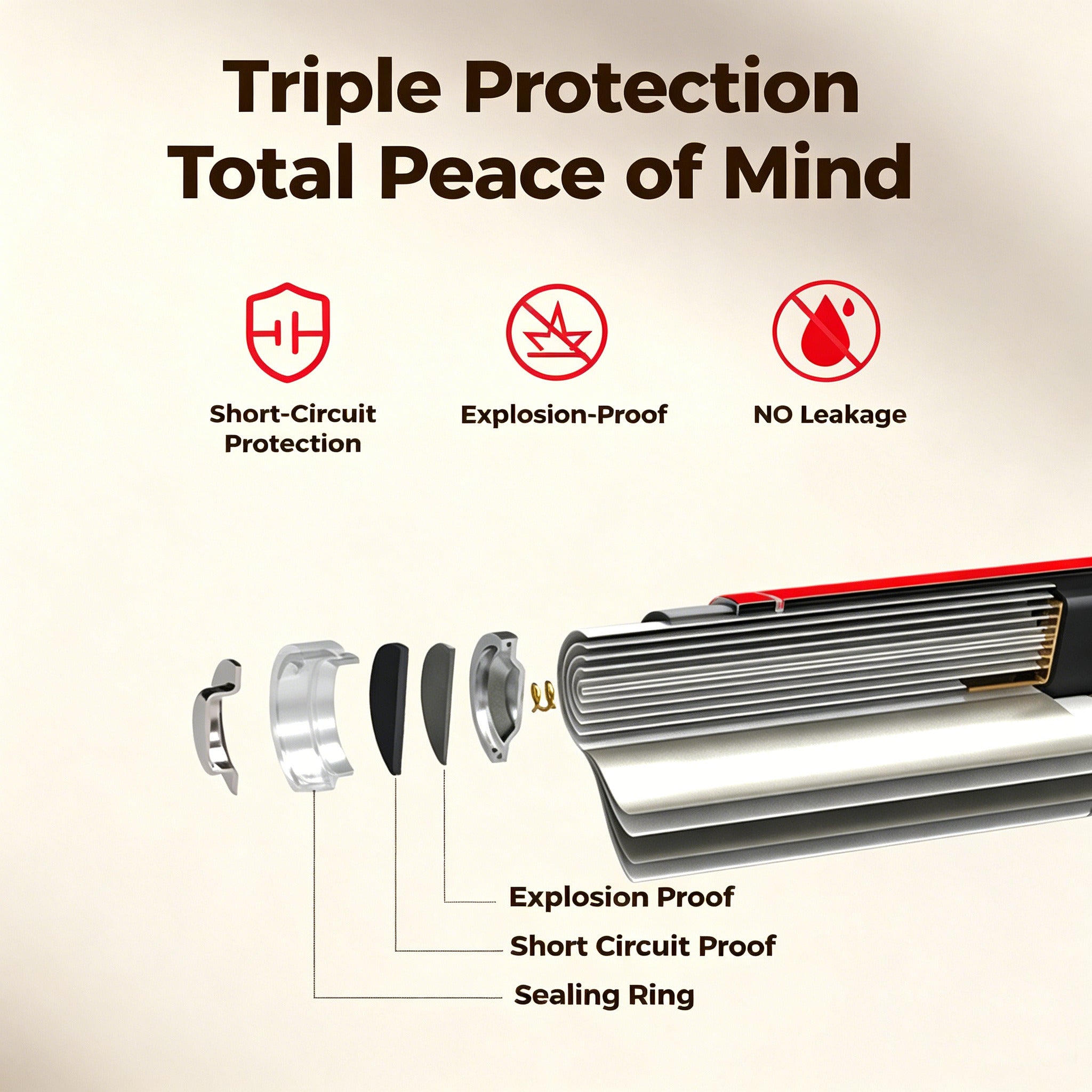
Battery terminals must be protected to prevent short circuits
This applies to spare batteries used in electronics like cameras, flashlights, and security devices.
Because lithium batteries can potentially overheat in rare cases, aviation authorities require passengers to keep them inside the aircraft cabin where crew members can respond quickly if a problem occurs.
Are Lithium AA Batteries Allowed on Planes?
Yes, lithium AA batteries are allowed on planes when carried correctly.
Most consumer AA lithium batteries fall safely within FAA limits and are commonly used for travel electronics due to their high energy density and long shelf life.
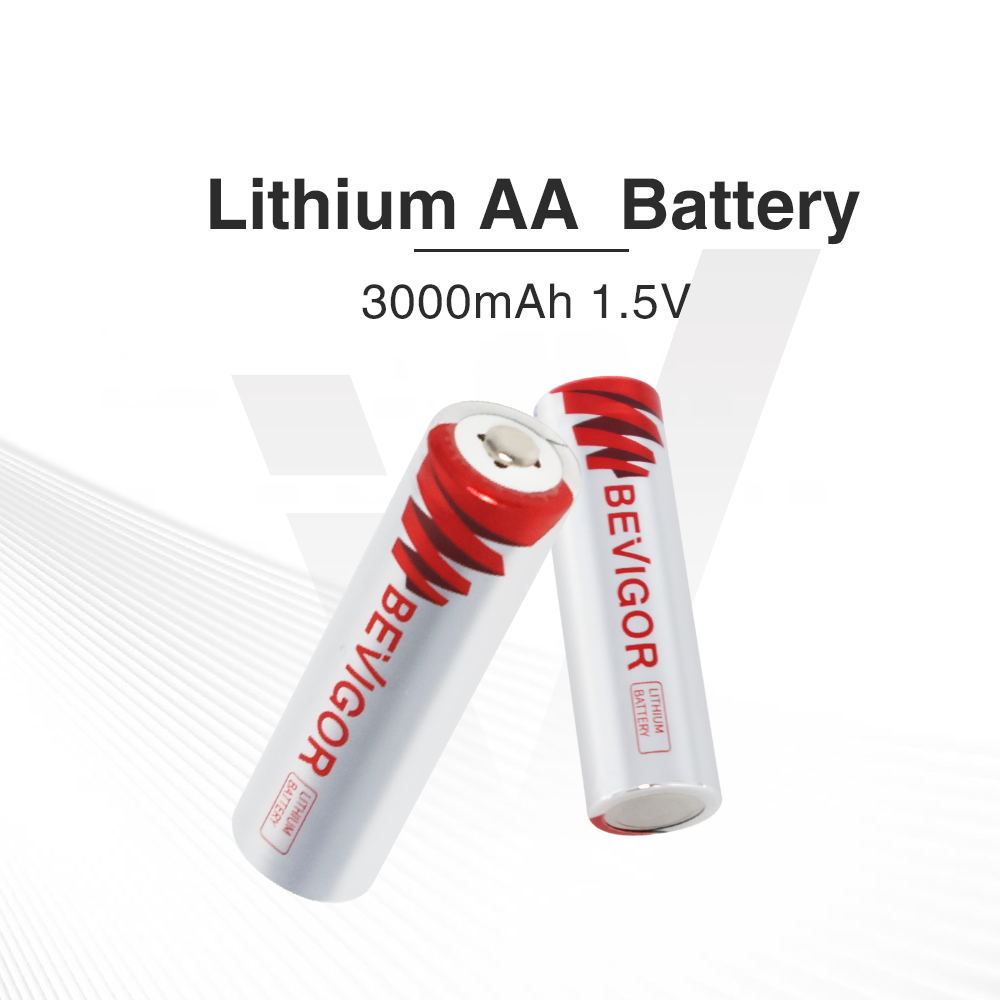
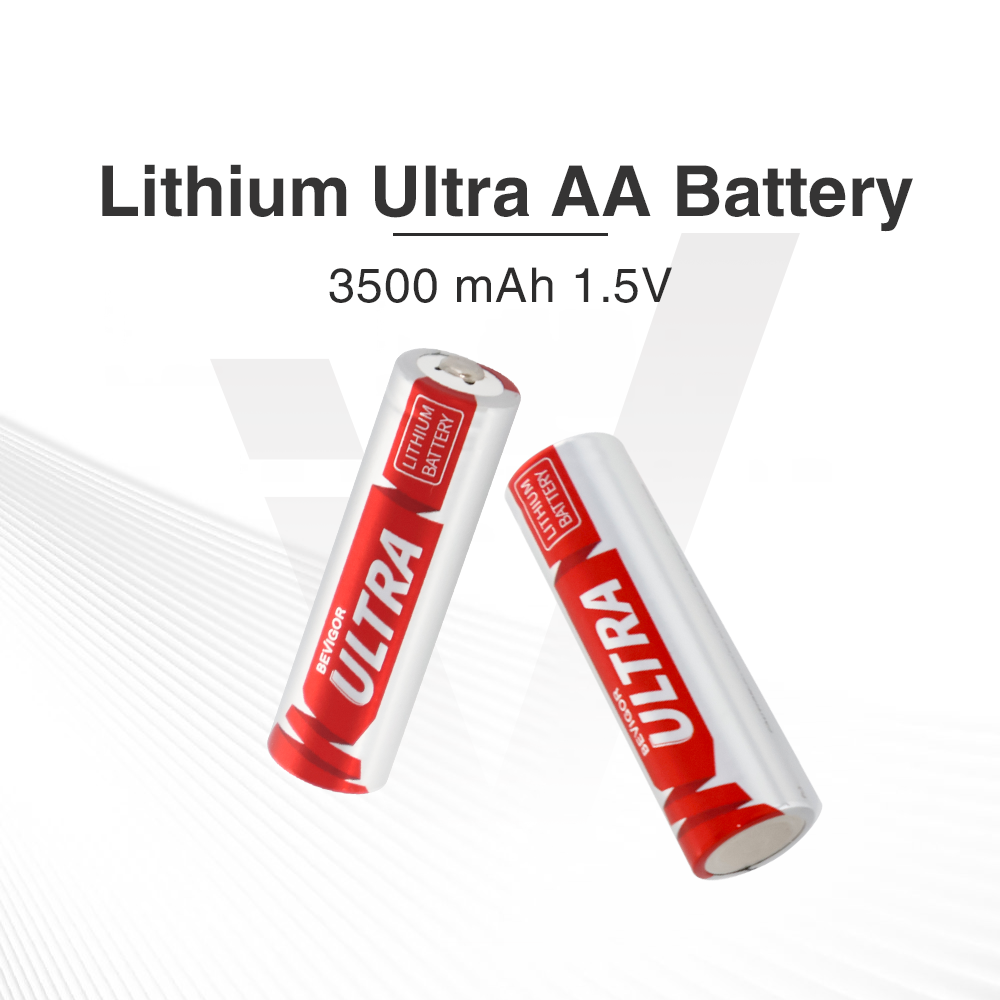
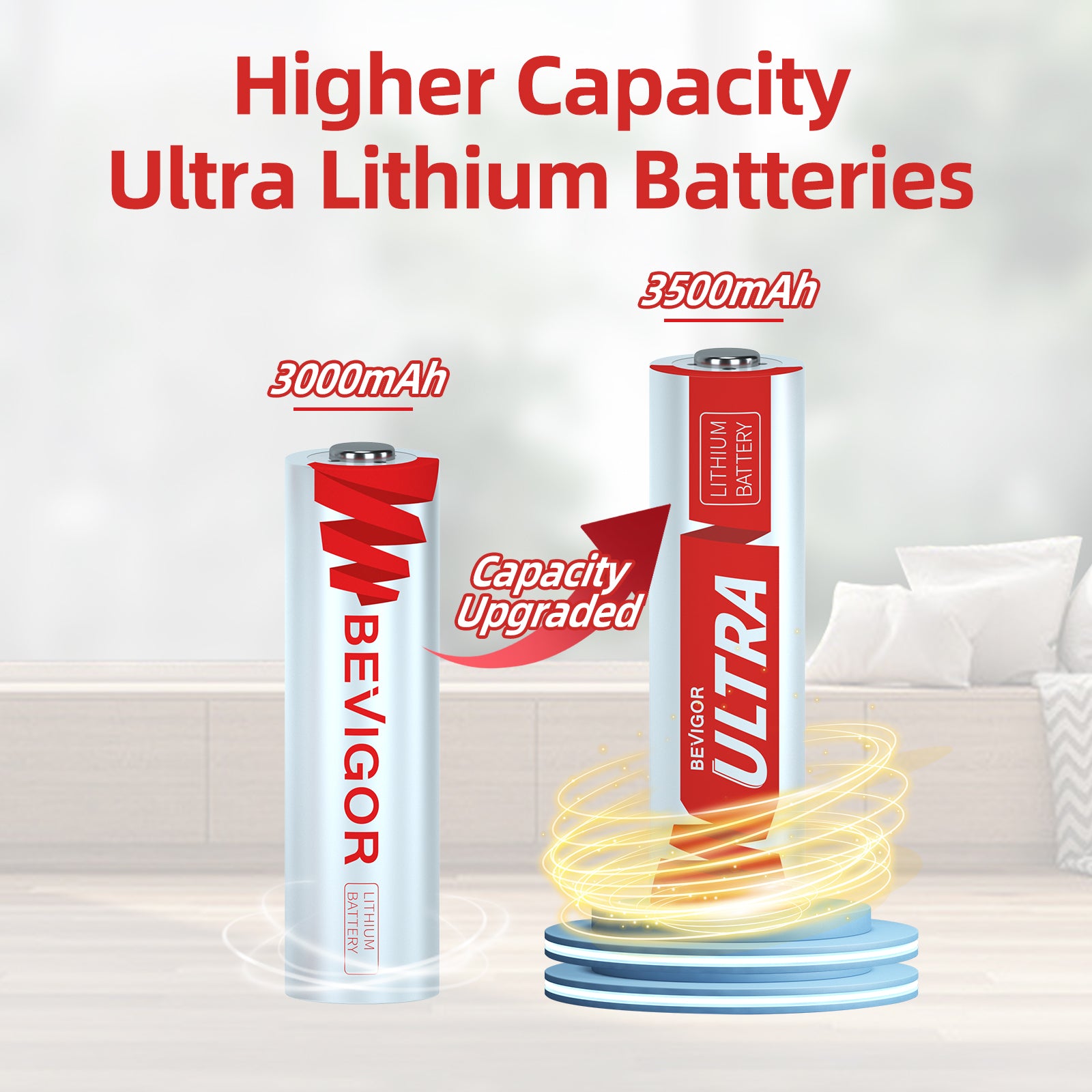
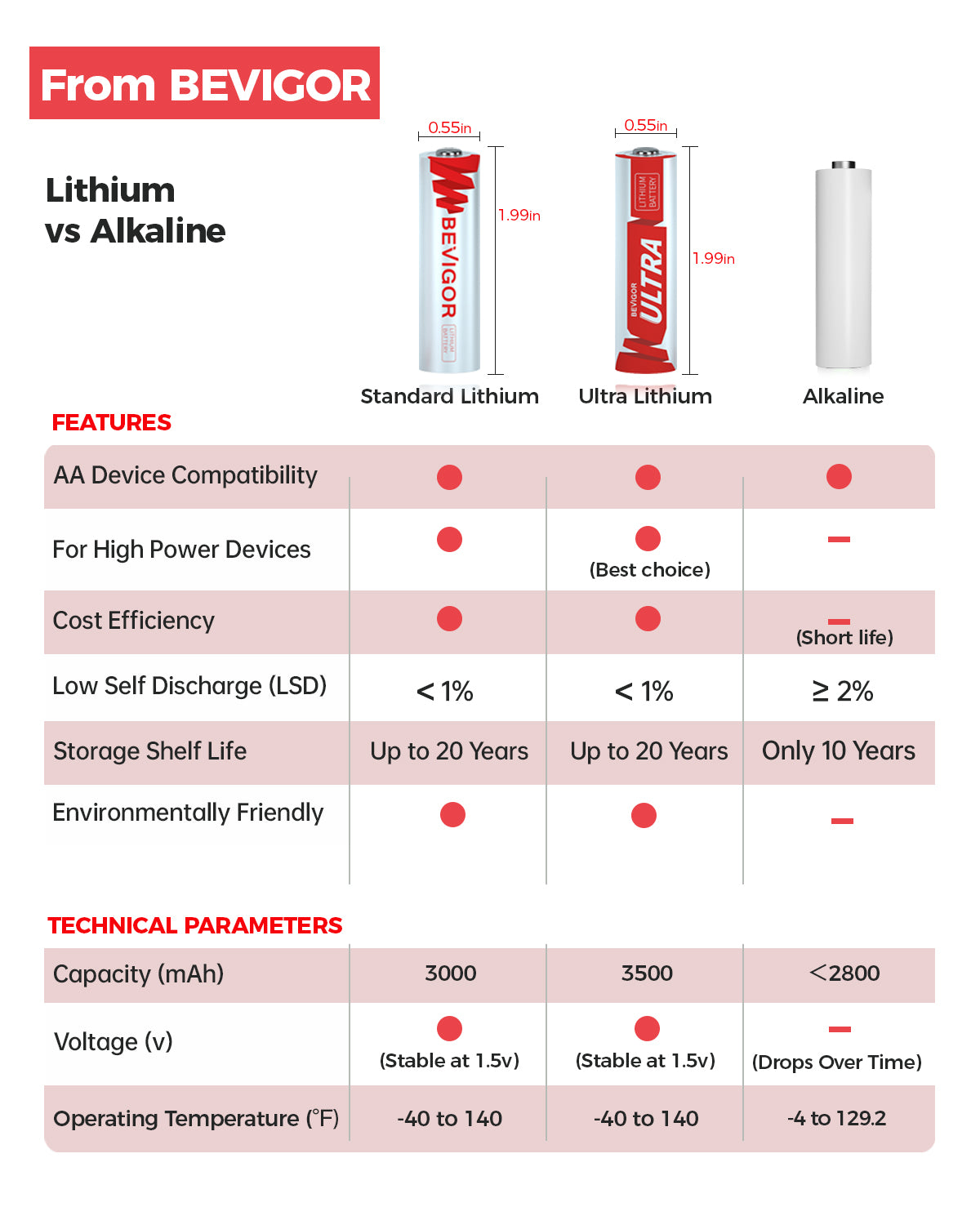
High-capacity options such as Bevigor AA lithium batteries are often used in devices that require reliable power during travel, including cameras, outdoor sensors, and portable lighting.
Examples include:
https://bevigor.com/products/bevigor-lithium-aa-batteries-3000mah
https://bevigor.com/products/ultra-new-bevigor-lithium-aa
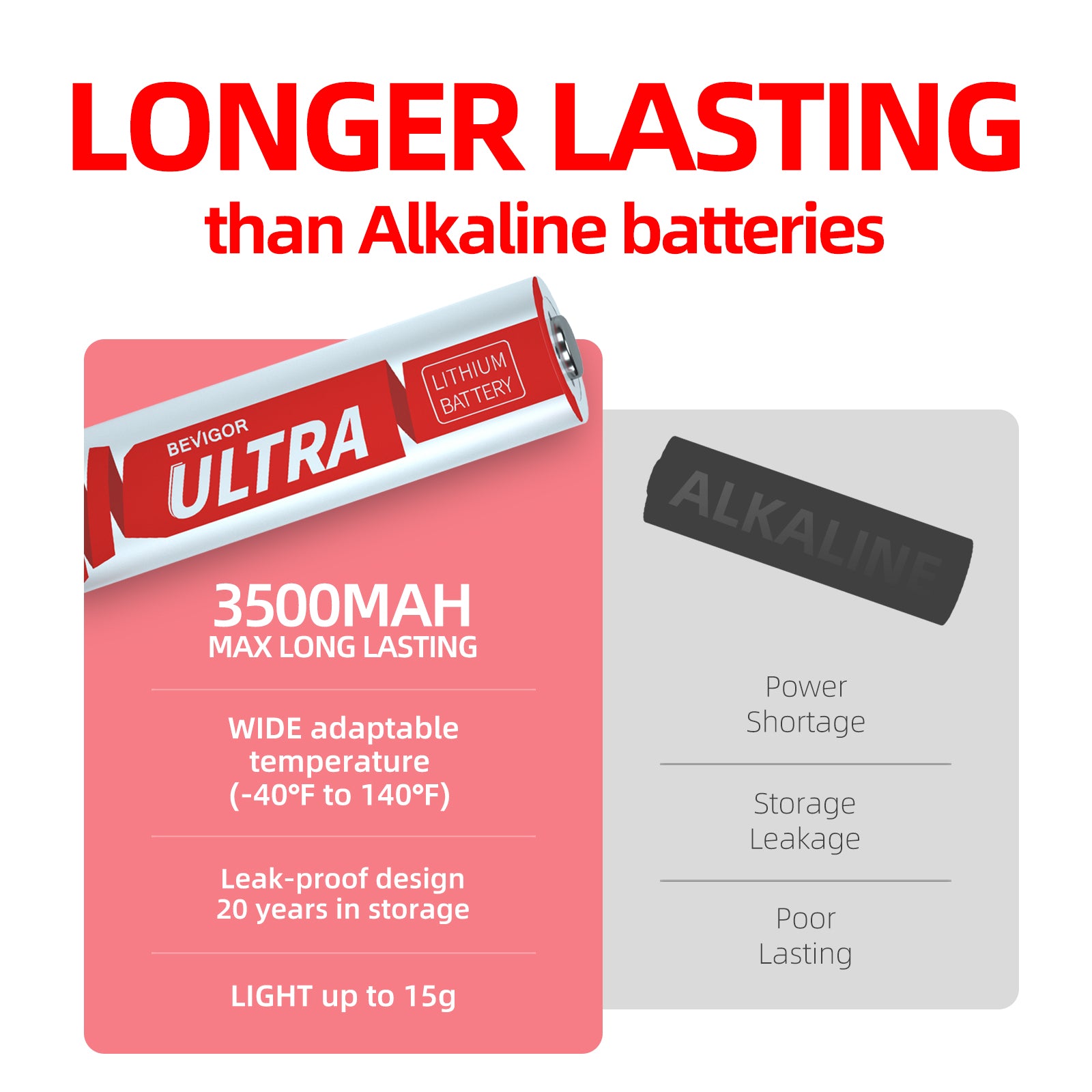
Because these batteries maintain stable performance across a wide temperature range, they are frequently used for outdoor devices and security systems.
Are Alkaline and NiMH Batteries Allowed on Planes?
Yes. In fact, alkaline and NiMH batteries have fewer restrictions than lithium batteries.
Alkaline batteries
Common alkaline batteries (AA, AAA, C, D, 9V) are considered dry-cell batteries and are allowed in:
-
carry-on luggage
-
checked baggage
There are usually no strict quantity limits for personal use, making them one of the simplest battery types to travel with.
NiMH rechargeable batteries
Nickel-metal hydride (NiMH) batteries follow similar rules to alkaline batteries. These rechargeable batteries are often used in:
-
cameras
-
gaming controllers
-
portable electronics
Like alkaline batteries, NiMH batteries can generally be transported in both carry-on and checked luggage, provided they are protected from damage.
Although these chemistries are easier to travel with, many travelers still prefer lithium AA batteries because they last longer and perform better in cold or high-drain devices.
Can You Bring AA Batteries for Blink Camera on a Plane?
Yes. Travelers frequently carry AA batteries for Blink camera systems.
Blink cameras are designed to work efficiently with lithium AA batteries, which provide longer runtime compared with standard alkaline batteries.
This is especially useful for:
-
vacation homes
-
temporary security setups
-
outdoor travel environments
Long-life batteries like Bevigor AA lithium batteries are often chosen because they offer extended runtime and stable performance during storage and travel.
How to Pack Batteries Safely When Flying
Regardless of battery chemistry, aviation safety rules require passengers to protect battery terminals from short circuits.
Recommended packing methods
Travelers should avoid placing loose batteries directly in bags with metal objects.
Safer options include:
-
keeping batteries in original packaging
-
using a battery organizer case
-
placing each battery in plastic sleeves or bags
-
covering battery terminals with non-metallic tape
These precautions significantly reduce the risk of accidental electrical contact.
Are There Limits on How Many AA Batteries You Can Bring?
For personal travel, most small batteries do not have strict quantity limits.
However, aviation authorities state that batteries must be for personal use only. Large quantities intended for resale or distribution are generally not allowed on passenger flights.
Businesses sourcing batteries for projects or distribution often rely on wholesale supply options such as:
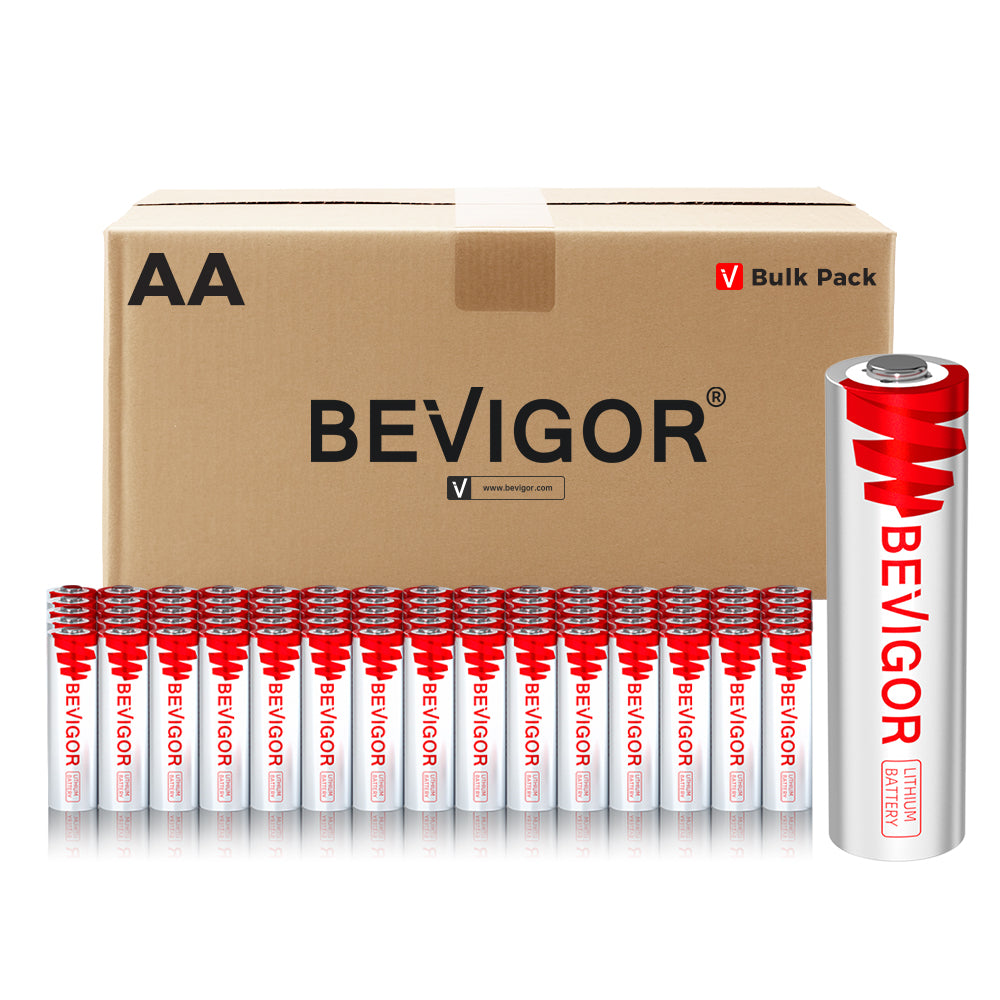
https://bevigor.com/pages/bulk-wholesale
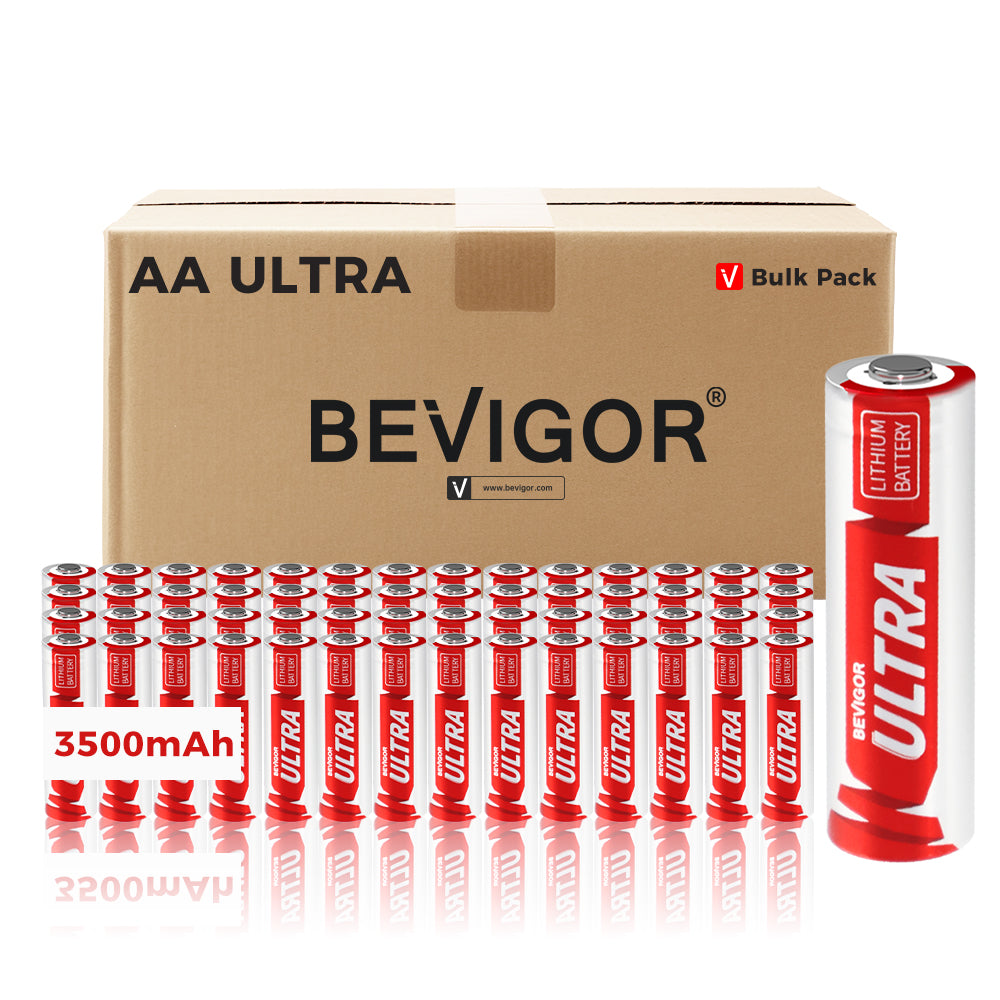
Bulk purchasing options include:
https://bevigor.com/products/aa-lithium-batteries-3000mah-bulk
https://bevigor.com/products/bevigor-ultra-3500mah-aa-lithium-batteries-bulk-pack
Travel Tips for Flying with Batteries
Frequent travelers recommend a few simple steps to make flying with batteries easier.
Pack spare lithium batteries in carry-on bags
This follows TSA safety requirements.
Keep batteries organized
Battery cases prevent short circuits and make devices easier to manage.
Avoid damaged batteries
Damaged or recalled batteries should never be taken onto aircraft.
Bring reliable power sources
Long-lasting batteries help ensure your devices continue working throughout your trip.
Many travelers choose lithium AA batteries for this reason, especially for high-drain devices and outdoor electronics.
Frequently Asked Questions
Can you bring AA batteries on a plane?
Yes. Lithium, alkaline, and NiMH AA batteries are generally allowed when packed safely.
Can lithium batteries go in checked luggage?
Spare lithium batteries must be carried in carry-on bags, not checked luggage.
Are alkaline batteries easier to travel with?
Yes. Alkaline batteries have fewer restrictions compared with lithium batteries.
Do batteries need to be in original packaging?
Not necessarily, but terminals must be protected using tape, battery cases, or protective sleeves.
Conclusion
Traveling with batteries is common, and most AA batteries are allowed on planes when packed correctly.
The key points to remember are:
-
Lithium AA batteries must be placed in carry-on luggage
-
Alkaline and NiMH batteries have fewer restrictions
-
Battery terminals must always be protected
Understanding these rules makes it easy to travel with electronics, cameras, and smart home devices that rely on portable power.
If you need long-lasting travel-ready batteries, you can explore available options or request assistance here:




Share:
Best Batteries for Blink Cameras Guide: Cheap & Long-Lasting AA Lithium
Lithium Batteries on Airplanes: What Happens in Checked Luggage?