


Picture trekking miles into the woods to retrieve SD card data or check a security feed, only to realize the power failed days ago. A reliable Trail Camera Battery is the unsung hero of wildlife scouting and remote property management. As cameras become increasingly advanced, featuring 4K video capabilities and instant cellular transmission, the energy demands placed on their power sources have skyrocketed. Standard off-the-shelf cells frequently struggle to meet these new technological requirements.
Understanding what drains your outdoor gear is the first step toward preventing unexpected shutdowns. Nighttime illumination, whether using infrared sensors or standard flashes, requires massive, instantaneous energy spikes. Traditional alkaline cells often fail to recover quickly from these rapid draws, leading to corrupted files or missed triggers. Upgrading the internal power chemistry is the most effective way to keep modern field equipment running smoothly throughout the season.
Analyzing Power Draw in Modern Scouting Gear
Cellular field cameras are designed to transmit large image files over wireless networks directly to your smartphone. This transmission process is incredibly power-hungry. When a device attempts to connect to a distant cell tower and upload a photo, the internal modem pulls a significant amount of current. If the voltage drops too low during this transmission spike, the camera will automatically shut down to protect its circuitry.
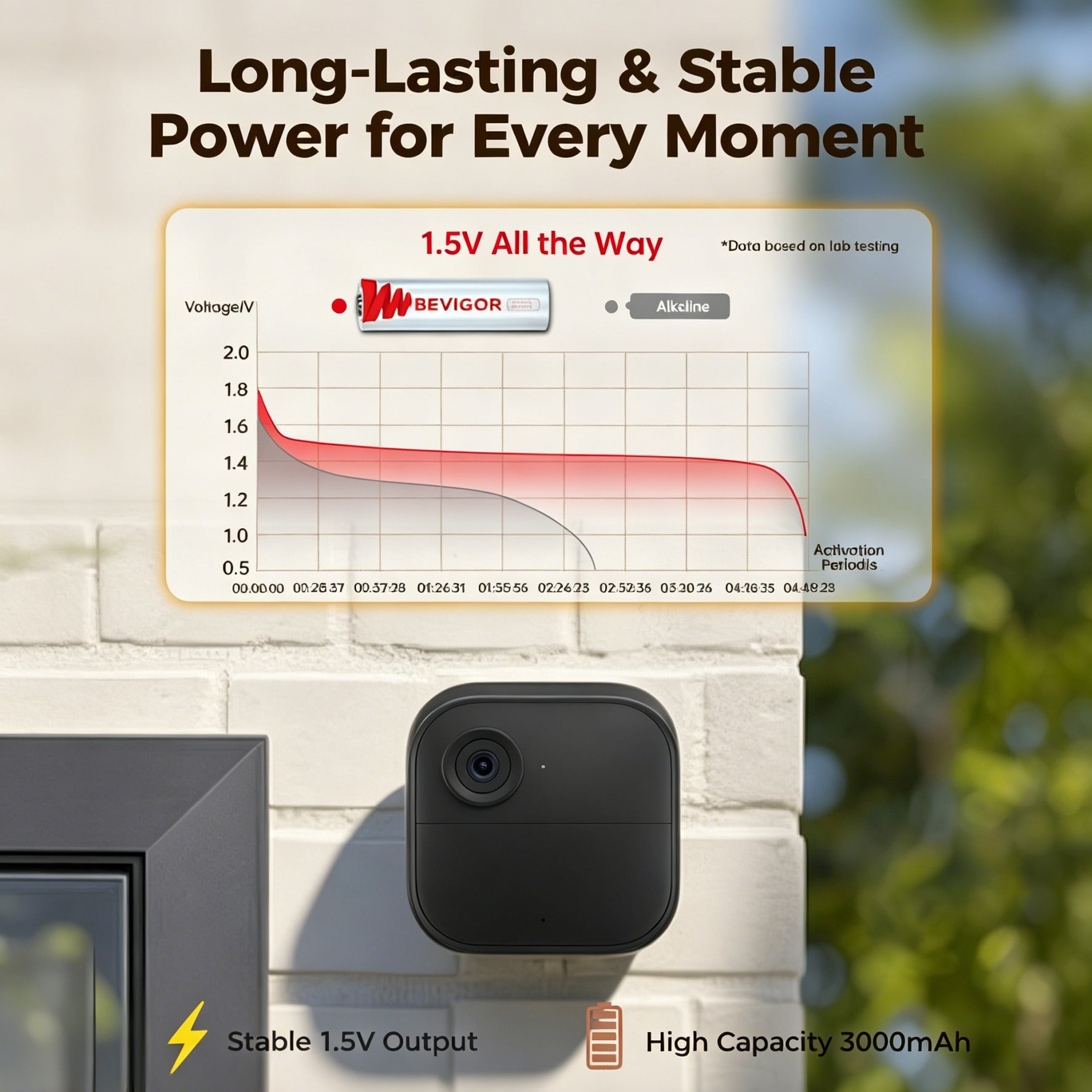
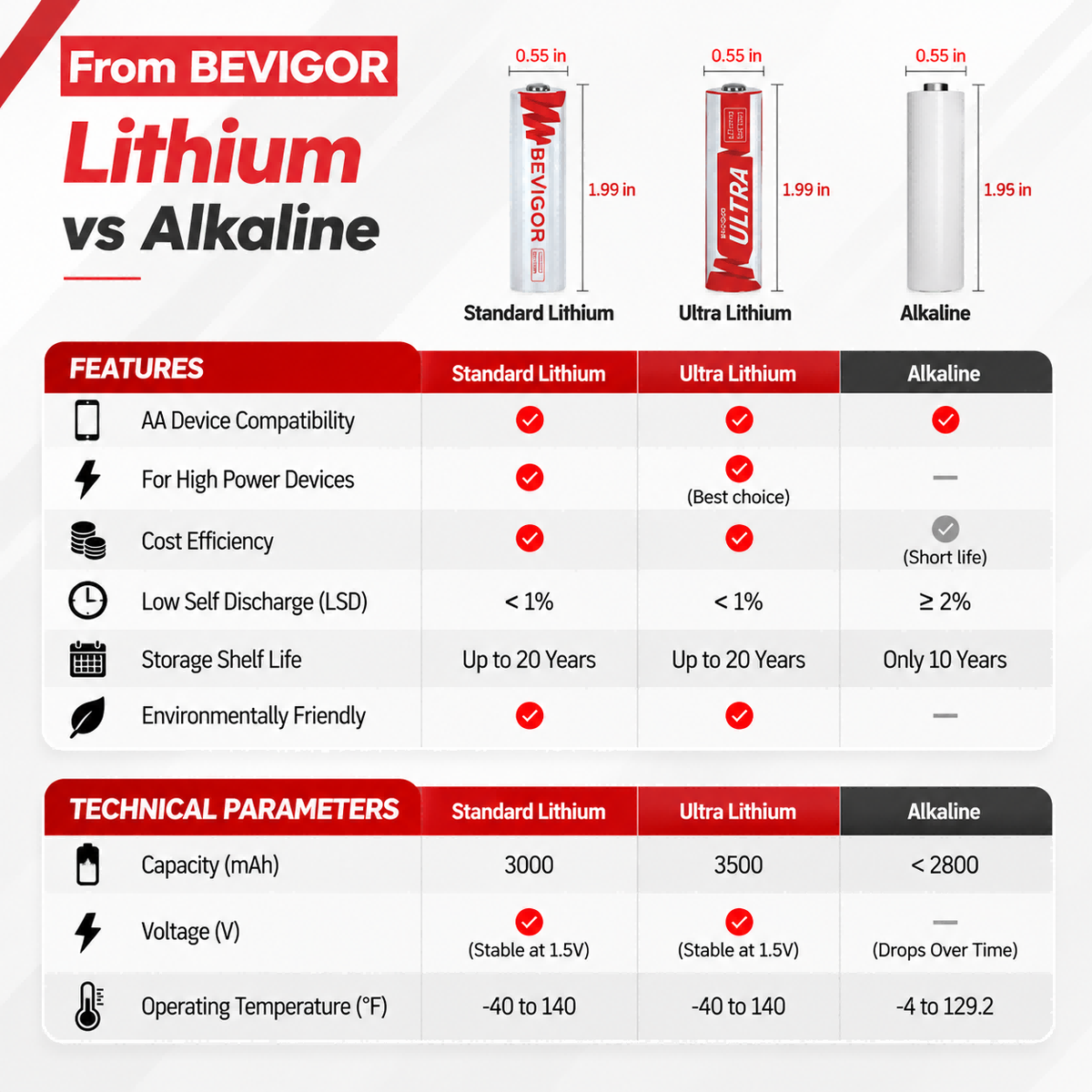
To mitigate this issue, hunters and security professionals increasingly look toward high-capacity lithium solutions that maintain a flat discharge curve. A flat discharge means the power output remains steady and consistent until the cell is nearly completely empty. Alkaline options, conversely, experience a steady downward slope of voltage loss from the very moment they are activated. This slope means that even if an alkaline cell is only half-depleted, it might no longer output enough voltage to trigger a cellular upload.
The Shift Toward Edge AI and Cloud Processing
Today's outdoor equipment does much more than snap a simple photograph. The integration of edge AI allows high-end cameras to identify specific subjects, automatically sorting a deer from a passing vehicle before ever sending the image. This internal computing requires serious processing power. If the energy source stutters during this analytical phase, the hardware may fail to save the file entirely.
As cellular network speeds have upgraded in 2026, the rate at which files upload has increased, yet the energy required to maintain that connection in remote areas remains substantial. Providing your equipment with a stable power source built for high-drain devices ensures that the modem has the necessary amperage to complete heavy data transfers. A weak cell will simply leave the camera stuck in a constant, battery-draining loop of trying to find a signal.

The Impact of Extreme Weather on Energy Output
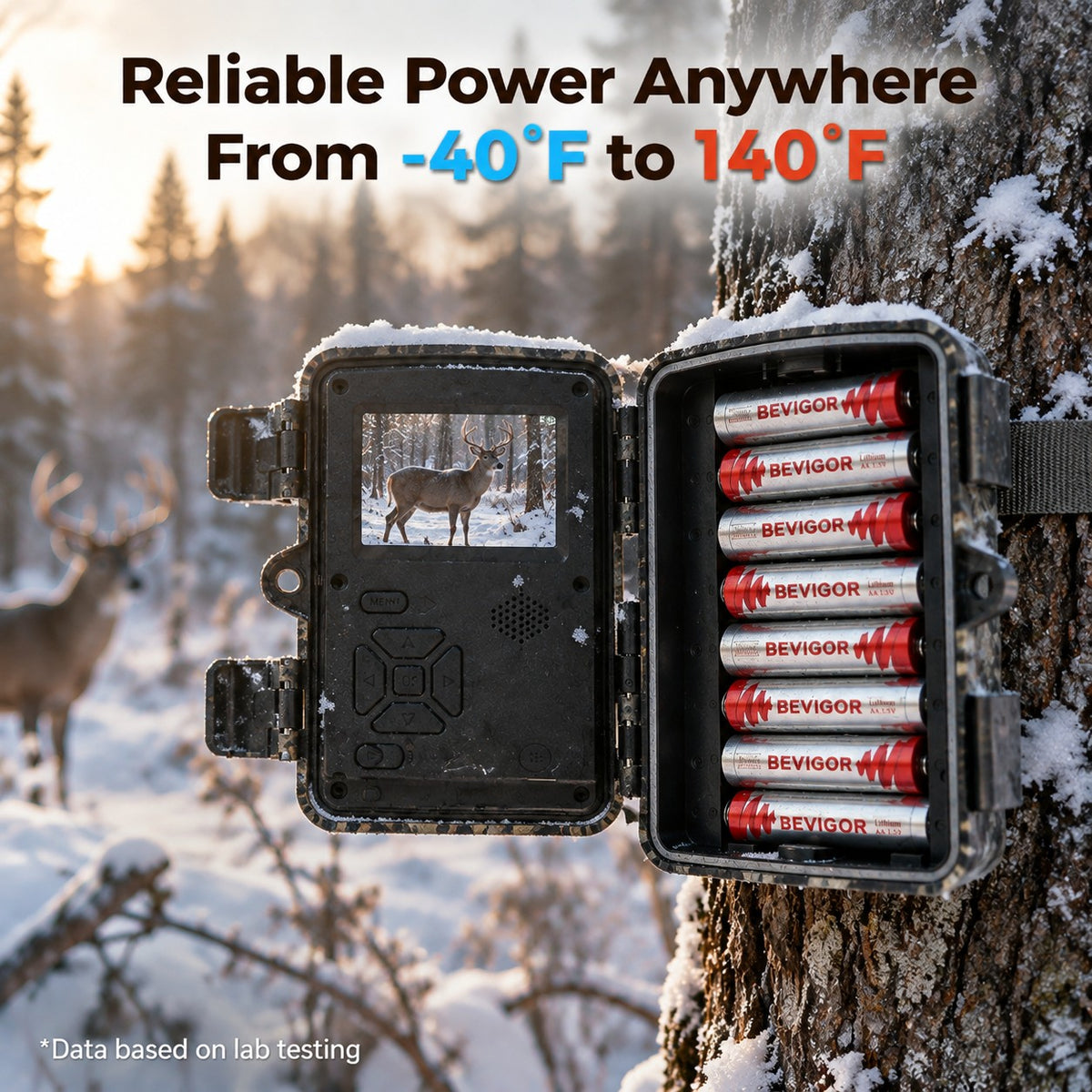
Temperature fluctuations completely dictate how well an electrochemical reaction occurs inside a casing. During deep winter freezes, the water-based electrolyte found in standard alkaline cells thickens. This physical transformation drastically increases internal electrical resistance, preventing the stored energy from reaching the camera's contacts.
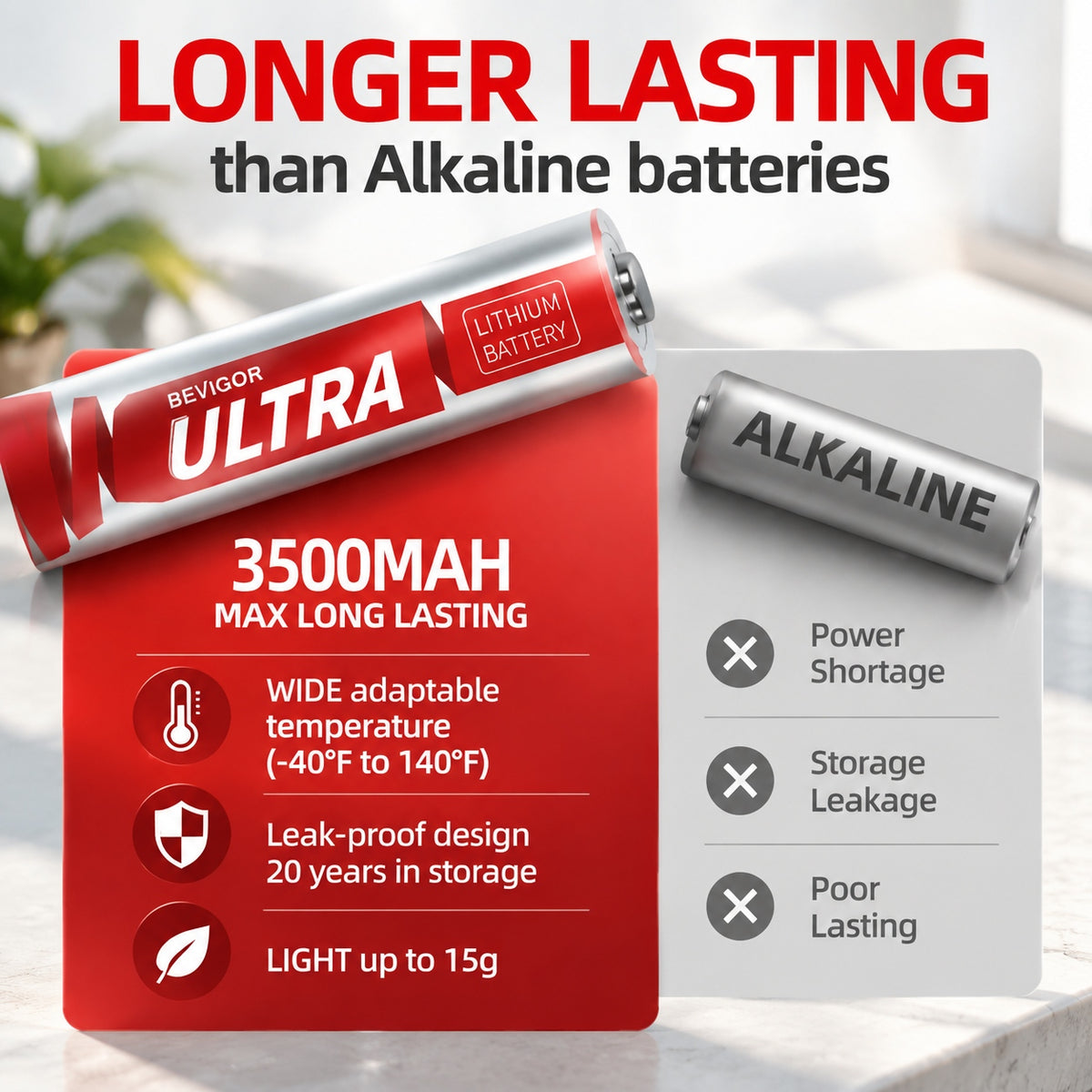
Lithium iron disulfide chemistry is designed without this water content. This dry construction allows it to operate flawlessly in sub-zero environments without freezing or expanding. For a deeper technical breakdown of how climate alters electrochemical reactions, Battery University provides excellent data on cold-weather discharge limits. When deploying gear in December or January, matching the correct chemical composition to your local climate is non-negotiable.
Minimizing Field Maintenance and Scent Intrusion
Every trip into the woods to swap dead cells leaves human scent behind and physically disturbs the environment. This localized scent can easily spook wary game and ruin a carefully chosen scouting location. Extending the time between maintenance visits is a top priority for anyone managing a remote property.
Utilizing advanced power options directly reduces how often you need to open that camera housing. By selecting robust cells engineered for longevity, users can leave their equipment undisturbed for entire seasons at a time. Referencing a trusted wholesale outdoor power guide ensures you are equipping your electronics with components that are genuinely built for prolonged isolation, rather than just general household use.
Storage and Shelf Life Considerations
Many outdoor enthusiasts and property managers buy their gear in bulk during the off-season. Storing replacement components in a garage or utility shed means they are subjected to fluctuating temperatures long before they ever see the inside of a device. Standard cells often experience a slow self-discharge while sitting on a shelf, losing a significant portion of their total capacity before they are even unwrapped.
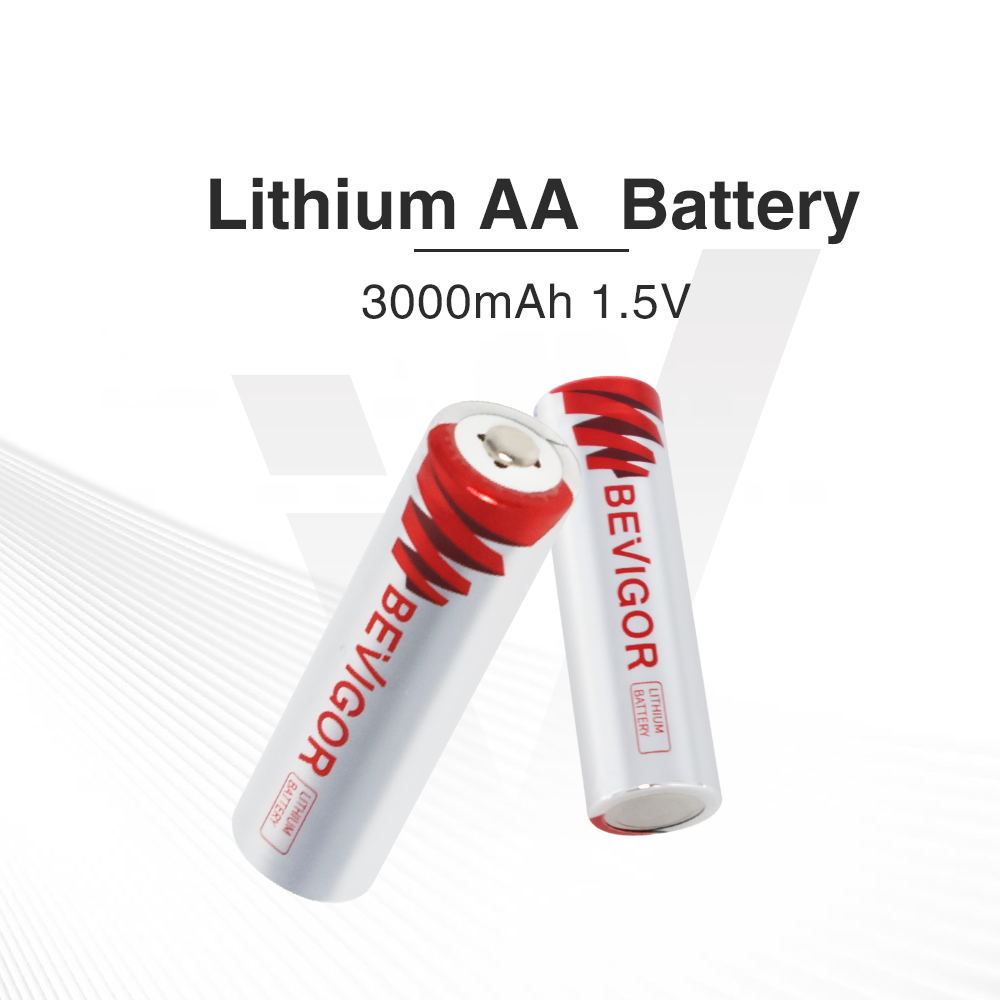
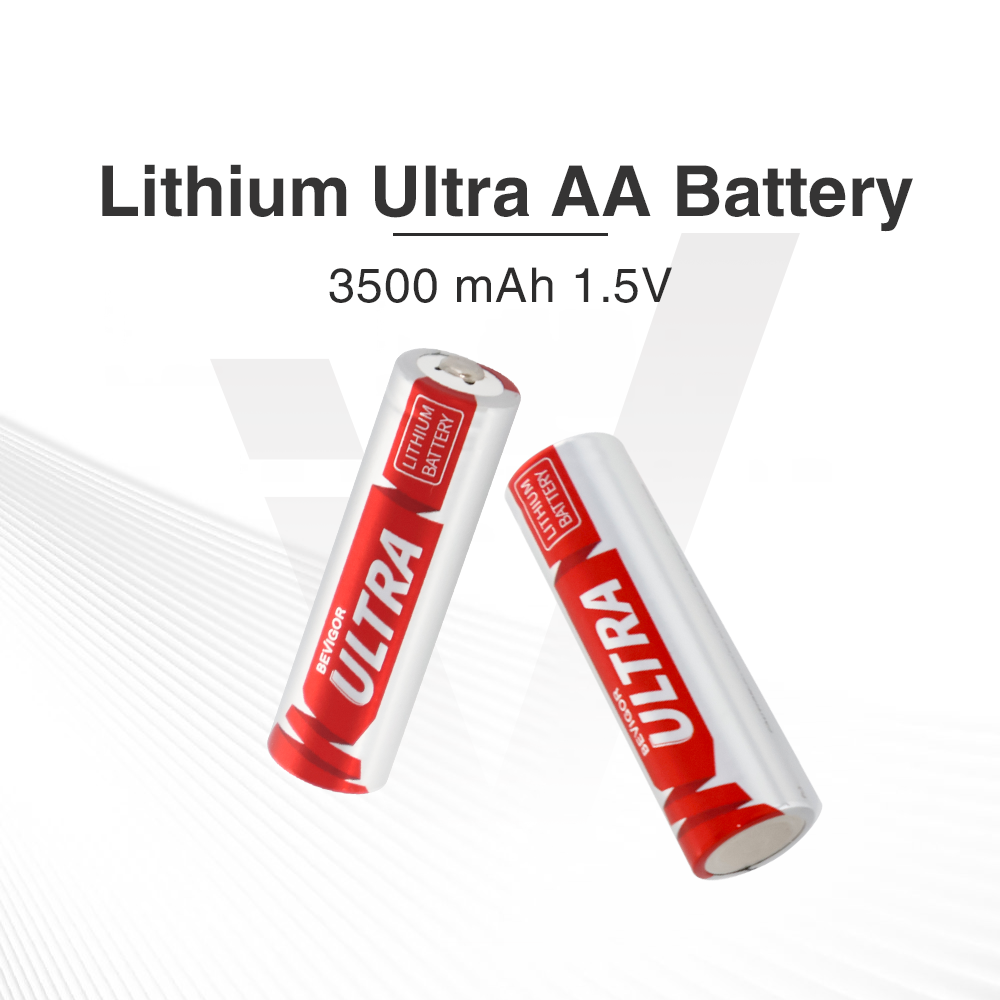
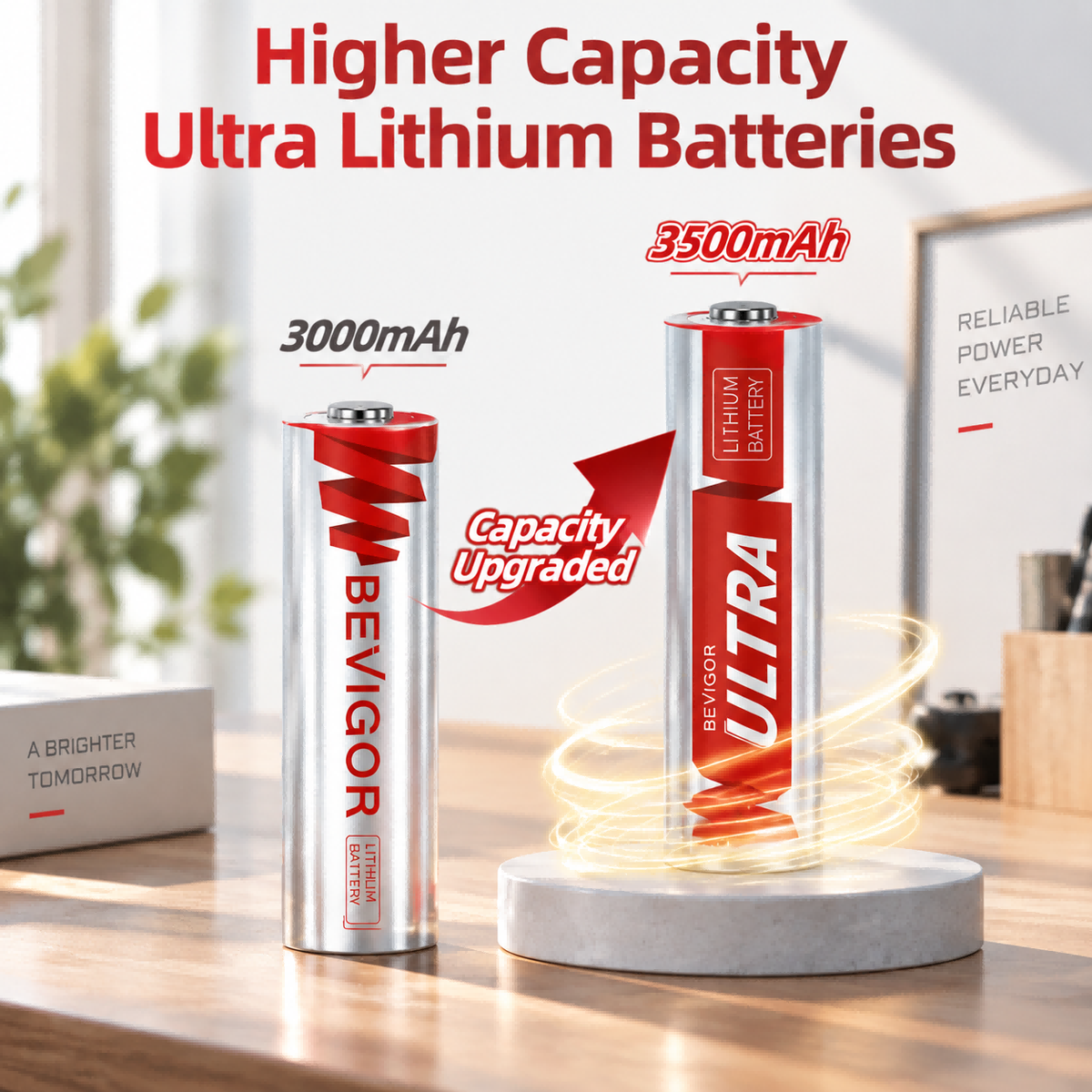
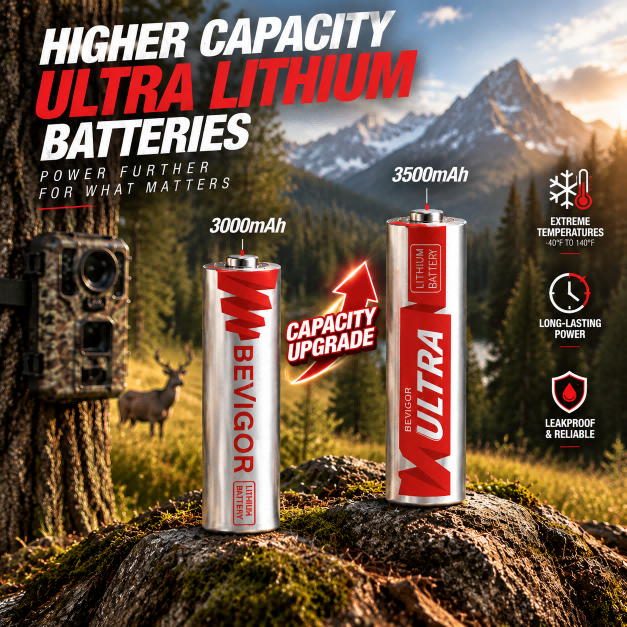
Premium lithium formulations, such as those manufactured by Bevigor, typically feature a shelf life of up to a decade. This exceptional longevity is achieved through careful casing design that prevents moisture intrusion and stops chemical degradation. Keeping a reliable emergency reserve on hand is a standard practice for security teams who deploy dozens of cameras across vast acreages, ensuring they always have fresh power ready to go.
Examining Device Compatibility and Safety
Always check the manufacturer specifications before loading a dozen new cells into a high-dollar camera. While most modern units accept both alkaline and lithium AA formats interchangeably, mixing the two different types in a single battery tray is dangerous. Differing internal resistances can cause the weaker cells to reverse polarity, leading to immediate leaks or irreversible equipment damage.
Sourcing quality components from a dedicated manufacturer like Bevigor eliminates the frustrating inconsistencies often found in generic bargain bins. Consistent manufacturing tolerances mean each individual cell drains at an identical rate. This uniformity protects the internal hardware of expensive cellular cameras and guarantees that the entire array depletes together, maximizing overall field time.
Frequently Asked Questions
What factors determine which cell type provides the most reliable performance outdoors?
Performance relies heavily on the device's current draw and the ambient environmental temperature. When evaluating the best battery for trail cameras, users should compare the sustained voltage output of lithium against the steady drop-off curve of alkaline. Lithium typically handles the high-drain spikes of nighttime infrared flashes much better without triggering a false low-battery alert on the camera's display.
How do different battery chemistries affect long-term field deployment?
For multi-month monitoring, minimizing voltage fade is key. While alkaline cells are highly cost-effective for simple household remotes, many professionals consider lithium options to be the longest lasting aa batteries for trail cameras. Their flat discharge curve ensures the hardware functions at full mechanical capacity until the very end of the cell's life cycle.
Are lithium primary cells worth the higher initial investment?
Looking at the total cost of ownership often reveals a very different picture than the upfront retail tag. Because they require far fewer replacements and actively resist winter freezing, many outdoor enthusiasts find that lithium variants serve as the best aa batteries for trail cameras when factoring in the time, fuel, and physical effort saved from making fewer trips into the wilderness.
Why do cameras sometimes shut down while filming video even with a fresh power source?
Recording high-definition video requires a continuous, heavy draw of energy. If a power cell has high internal resistance, the voltage sags below the camera's minimum operating threshold during the recording process, forcing an automatic shutdown. High-performance chemistry maintains lower resistance under these sustained, demanding loads.
Can extreme summer heat damage standard AA cells inside a sealed camera housing?
Yes, extreme heat can cause standard alkaline units to build up internal pressure, which frequently results in corrosive fluid leaking onto the device's contacts. Advanced lithium AA cells are generally rated for much higher ambient temperatures, making them a much safer alternative for equipment left baking in direct sunlight during the peak summer months.



Share:
How Long Do AA Lithium Batteries Last? A Comprehensive Guide
Blink Outdoor Camera Battery: Type, Life & Replacement