

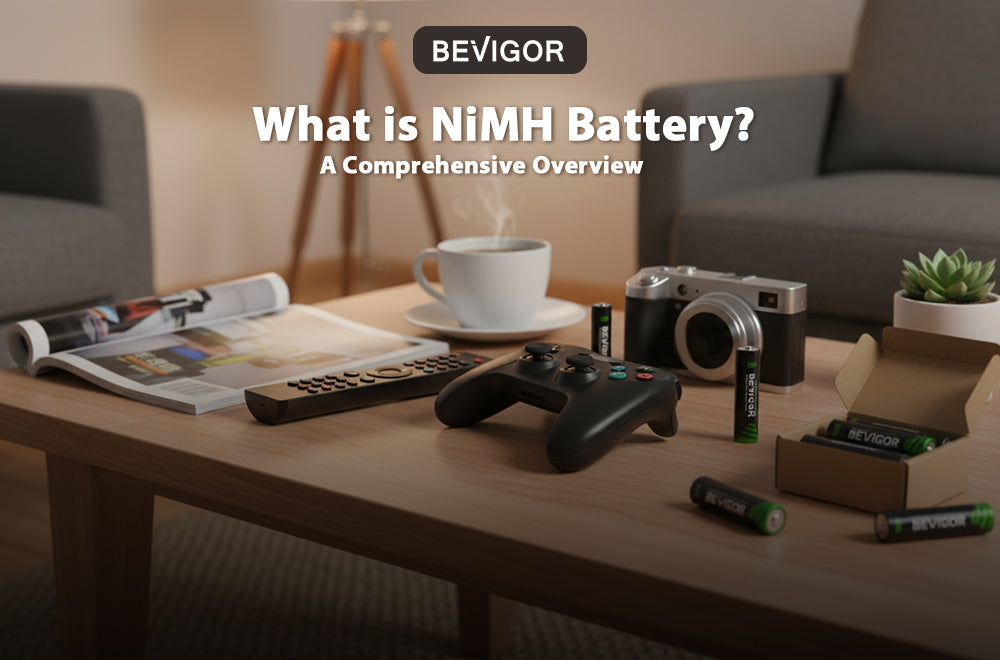
Are your digital cameras and wireless mice constantly dying when you need them most? Disposable cells often fail rapidly in devices that demand continuous energy.
We will explore how a NiMH Battery functions, its core chemical advantages, and daily usage guidelines.
The Basic Chemistry of a NiMH Battery
Many consumers purchase electronic accessories without understanding the internal chemistry that makes them function. The acronym stands for Nickel Metal Hydride. This specific chemical composition uses a hydrogen absorbing alloy for the negative electrode and nickel oxide hydroxide for the positive electrode. When you rely on NiMH power for your daily electronics, you are utilizing a highly efficient chemical reaction designed specifically to be reversed, allowing the cell to absorb and store energy repeatedly.
Unlike older generations of rechargeable cells that used cadmium, modern alternatives are significantly safer for the environment. Researchers from institutions like MIT frequently document how advancements in battery chemistry have drastically improved energy density over the past two decades. This means a modern cell can hold far more energy in the exact same physical space than it could twenty years ago, making them incredibly practical for household use.
How Does a NiMH Battery Compare to Alkaline?
When standing in an electronics aisle, deciding between disposable alkaline and rechargeable options can be confusing. Alkaline versions are cheap upfront and work perfectly fine for items that barely use any electricity, like a television remote or a basic wall clock. However, alkaline cells experience a constant drop in voltage from the moment you start using them, which causes demanding electronics to shut down prematurely.
Here is the deal regarding overall value. While the initial purchase price of a rechargeable system is higher, the math heavily favors reusable chemistry for active households.
|
Feature |
Standard Alkaline |
NiMH Battery |
|
Initial Voltage |
1.5V |
1.2V |
|
Voltage Curve |
Sloping and inconsistent |
Flat and steady |
|
Reusable Lifespan |
Single use only |
Hundreds of cycles |
|
Ideal Application |
Low drain electronics |
High drain electronics |
If you have children with motorized toys or you frequently use professional photography flashes, constantly buying disposables is a financial drain. Exploring the Bevigor catalog provides insight into how investing in reusable AA and AAA formats can eliminate the need to purchase hundreds of disposable replacements over a few years.
Understanding the Stable Discharge Rate
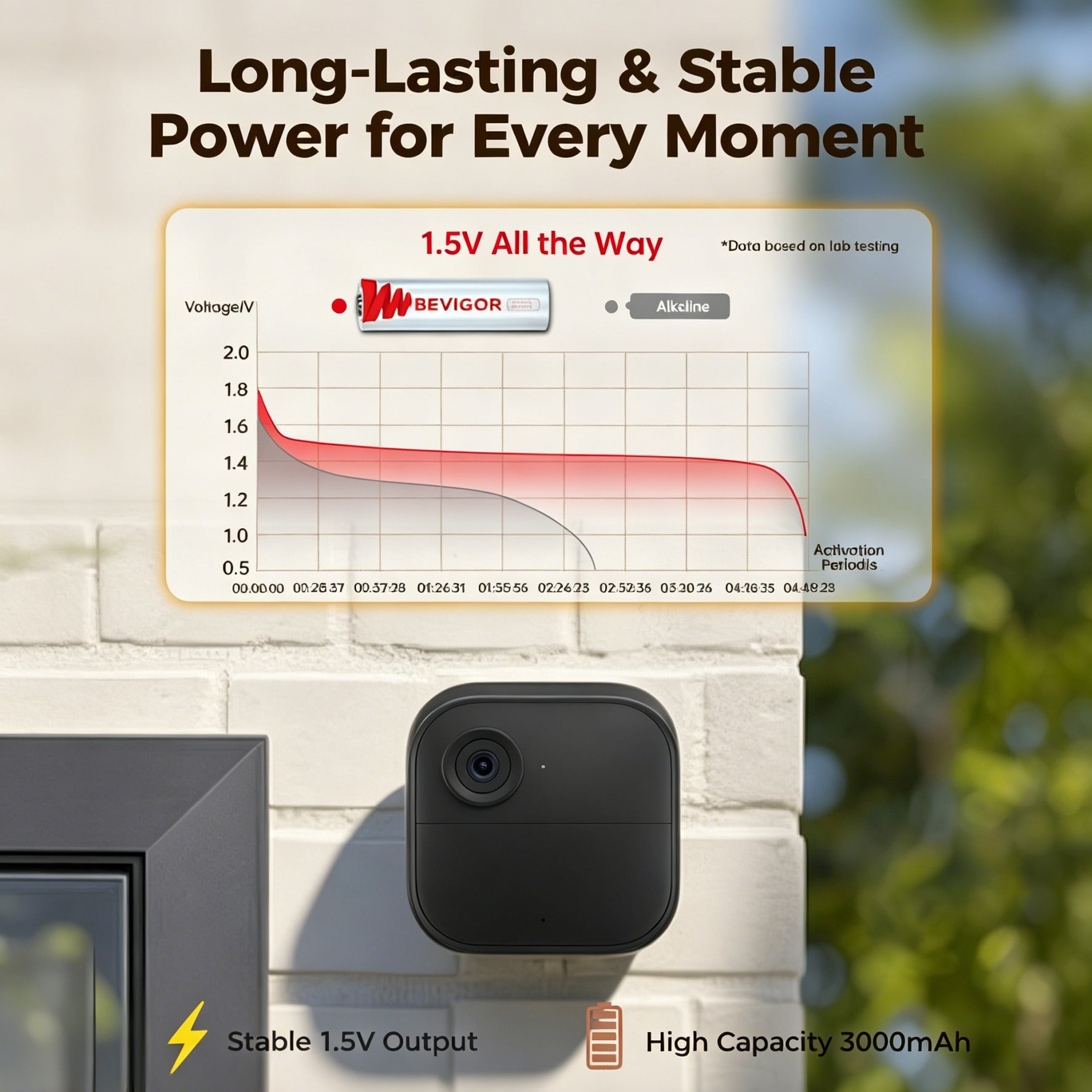
The most significant operational difference lies in how the stored energy is delivered to your device. An alkaline cell starts at 1.5 volts but immediately begins a downward slide. Many digital devices have a minimum voltage requirement, meaning they will report a low battery and shut off even when the alkaline cell still has forty percent of its physical energy remaining.
A rechargeable alternative operates on a completely different physical curve. It starts around 1.2 volts and maintains that exact level for the vast majority of its cycle. Technical data provided by resources like Battery University shows that this flat discharge profile provides consistent brightness for flashlights and stable operation for electronics until the energy is almost entirely depleted.
Common Applications for a NiMH Battery
Not every device requires the same type of electrical support. Gadgets that pull a heavy amount of current quickly will perform poorly with standard disposable chemistry. Choosing reliable NiMH power means you can keep your photography equipment firing rapidly without enduring long recycle times between shots.
These cells are predominantly manufactured in standard AA and AAA sizes, ensuring they fit seamlessly into the products you already own. You can utilize them in wireless gaming controllers, handheld GPS units, motorized baby swings, and strong LED torches. If you are unsure whether your specific gadget is compatible, you can usually find technical guidance on the Bevigor support blog to match your device with the correct voltage requirement.

Frequently Asked Questions
Why do modern gaming controllers need NiMH power?
Gaming controllers vibrate and maintain constant wireless connections, which requires a heavy and continuous electrical draw. Reusable cells handle this heavy demand smoothly without overheating or dropping voltage rapidly.
Do I need to completely empty them before recharging?
No, you do not need to drain them entirely. Modern variations do not suffer from the severe memory effect that plagued older battery types, so you can safely top them off when they are only half empty.
How long can they sit in a drawer before losing their charge?
This depends on the specific manufacturing technology. Standard versions may lose a noticeable percentage of energy over a few months, but low self discharge models retain up to eighty percent of their capacity even after a full year of storage.
Are they safe for outdoor winter use?
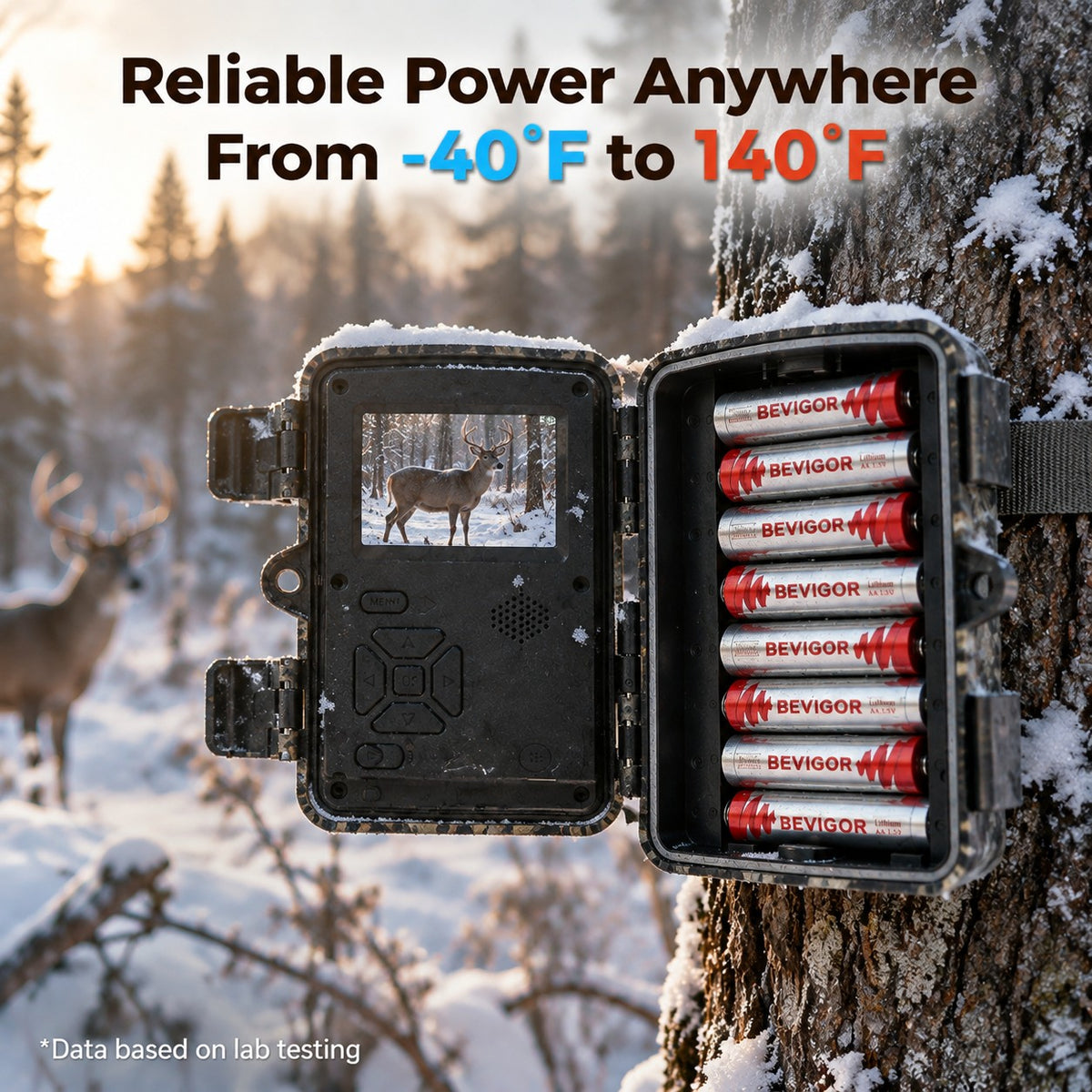
They generally handle cold weather much better than alkaline disposables. While extreme freezing temperatures will reduce the total runtime of any chemical battery, they will still provide enough current to keep essential outdoor gear functioning.
Essential Care Guidelines for Your NiMH Battery
To ensure safety and maximize the longevity of your electrical products, please follow these operational standards.
- Specification Origins: All stated milliampere hour capacities and estimated cycle counts are based on official Bevigor laboratory testing. Your real world runtime will fluctuate based on the specific current draw of your device.
- Environmental Variables: Extreme ambient heat is the enemy of chemical storage. Storing your AA or AAA cells in a hot car or near a heating vent will permanently degrade their internal structure and reduce their maximum capacity.
- Usage Restrictions: Never combine a freshly charged cell with a nearly empty one in the same device. Furthermore, you must never mix different brand names or different chemical compositions in the same battery compartment.
- Safe Disposal: When your reusable cells finally stop holding a charge after hundreds of cycles, please keep them out of standard household garbage bins. Utilize official resources like the EPA recycling guide to find an appropriate local facility.



Share:
The Ultimate Guide to Hearing Aid Batteries
NiMH vs Li-ion: A Comprehensive Guide to Choosing the Best Rechargeable Battery