

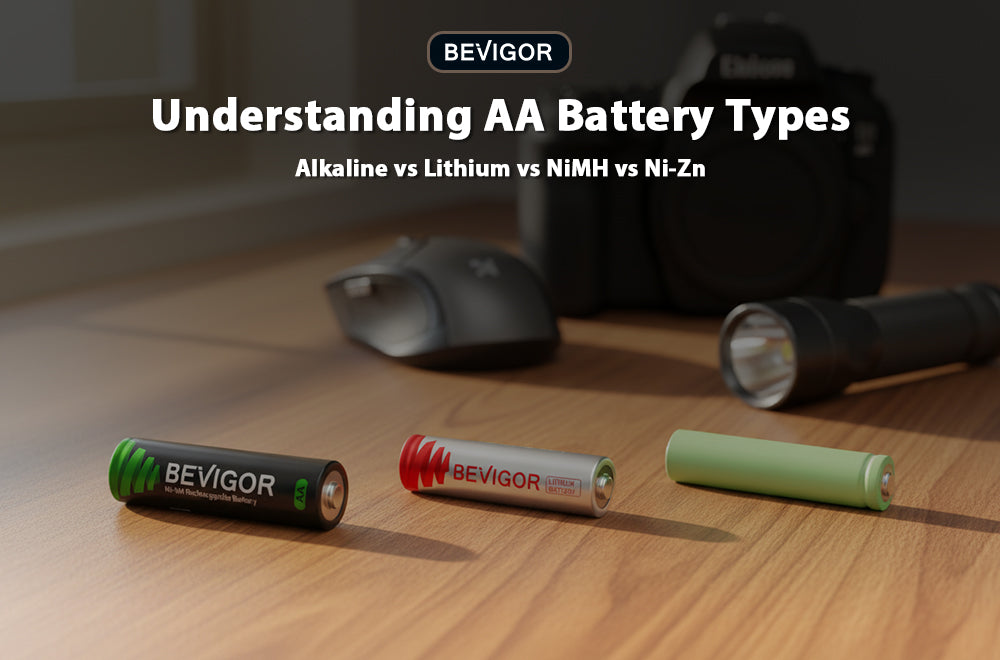
AA batteries power everything from TV remotes and wall clocks to trail cameras, smart home devices, and professional equipment. But choosing the wrong type can lead to poor performance, frequent replacements, or unnecessary costs.
So what’s the real difference between alkaline vs lithium AA batteries, rechargeable NiMH, and emerging Ni-Zn options—and which one is actually right for your device?
This guide breaks down each AA battery type by chemistry, performance, cost, and real-world use cases, with a focus on high-performance lithium AA batteries and rechargeable solutions.
What Are the Main Types of AA Batteries?
There are four primary AA battery chemistries available today:
-
Alkaline (1.5V, non-rechargeable)
-
Lithium AA (1.5V, non-rechargeable)
-
NiMH AA (1.2V, rechargeable)
-
Ni-Zn AA (≈1.6V, rechargeable)
Each type behaves differently in terms of voltage stability, energy density, shelf life, and temperature tolerance.
Alkaline AA Batteries: Low Cost, Low Drain
How do alkaline AA batteries work?
Alkaline batteries use zinc (negative electrode) and manganese dioxide (positive electrode). The materials are consumed during discharge, making them single-use.
Pros and cons of alkaline batteries
Pros
-
Low upfront cost
-
Stable output for low-drain devices
-
Shelf life of 5–10 years (EPA)
Cons
-
Not rechargeable
-
Poor performance in cold weather
-
Difficult to recycle
Best uses for alkaline AA batteries
-
TV remotes
-
Wall clocks
-
Flashlights used occasionally
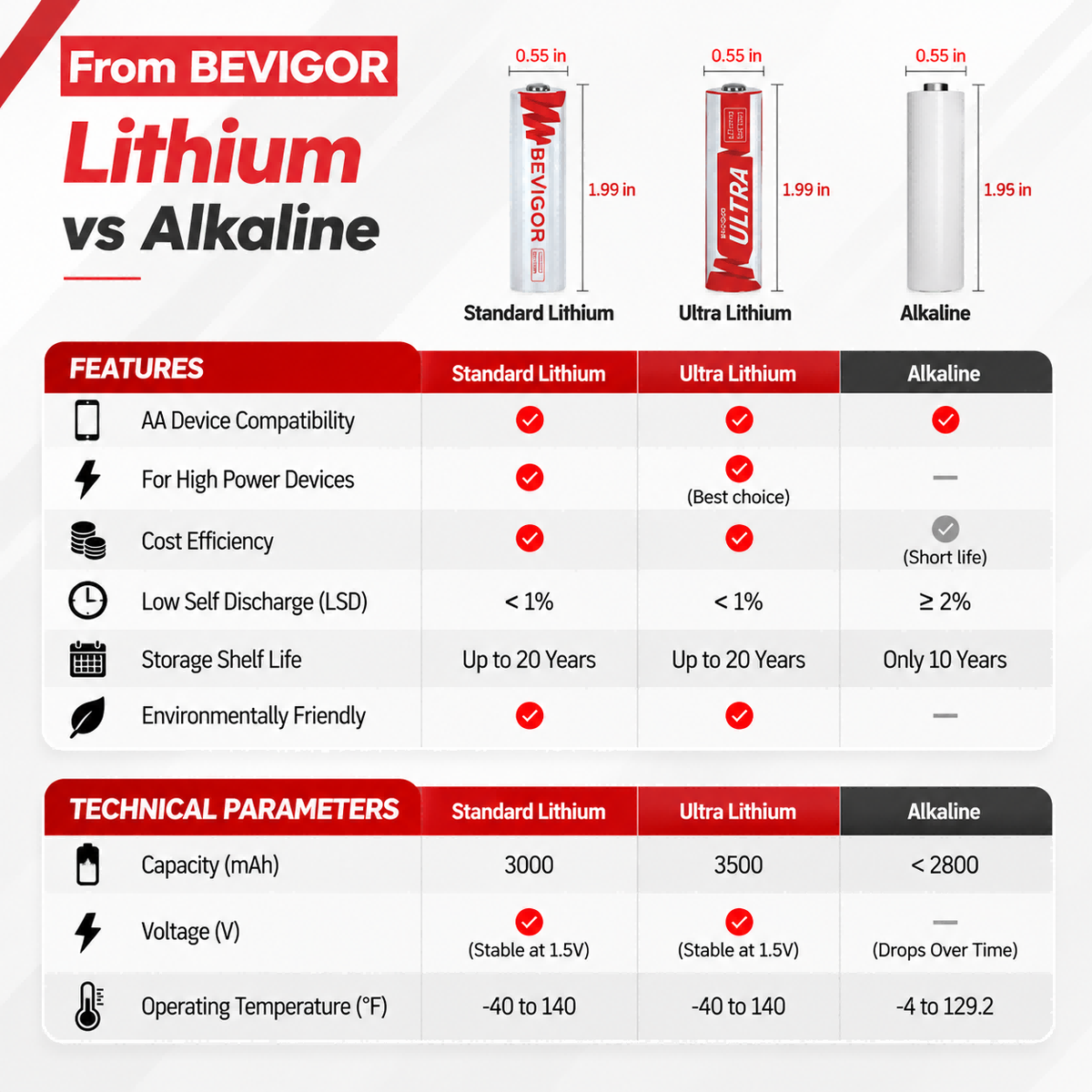
For devices with higher power demands, alkaline batteries fall short quickly—this is where lithium AA batteries vs alkaline comparisons matter.
Lithium AA Batteries: Best Performance for High-Drain Devices
What makes lithium AA batteries different?
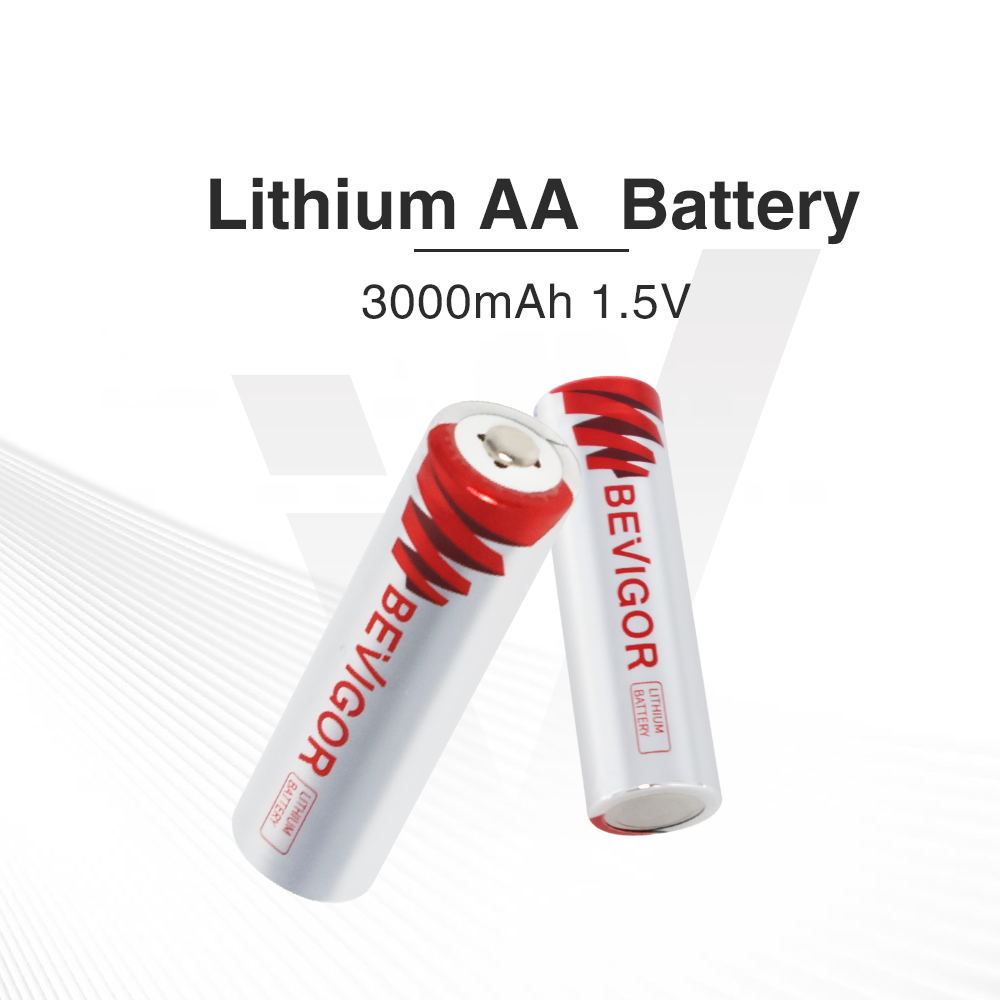
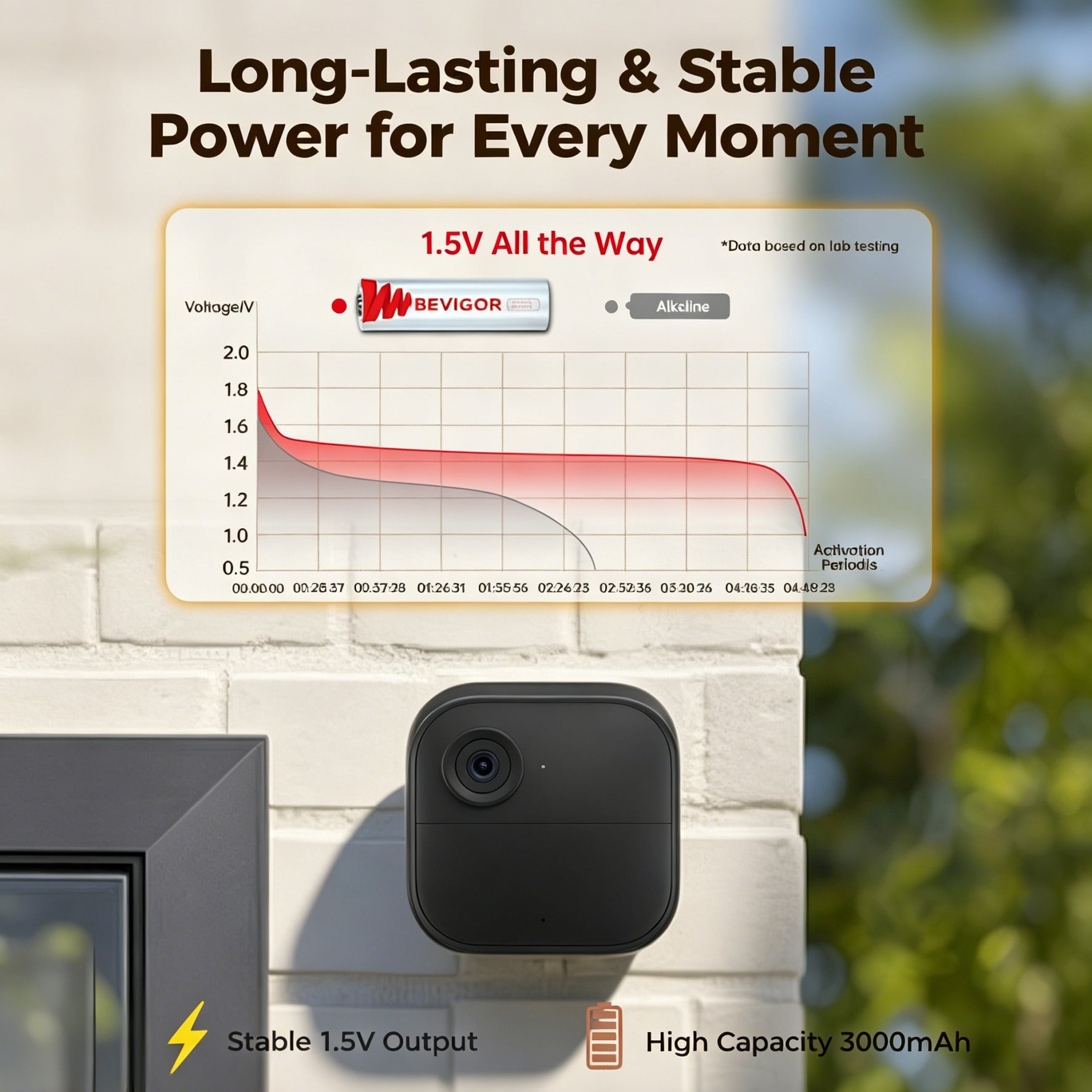
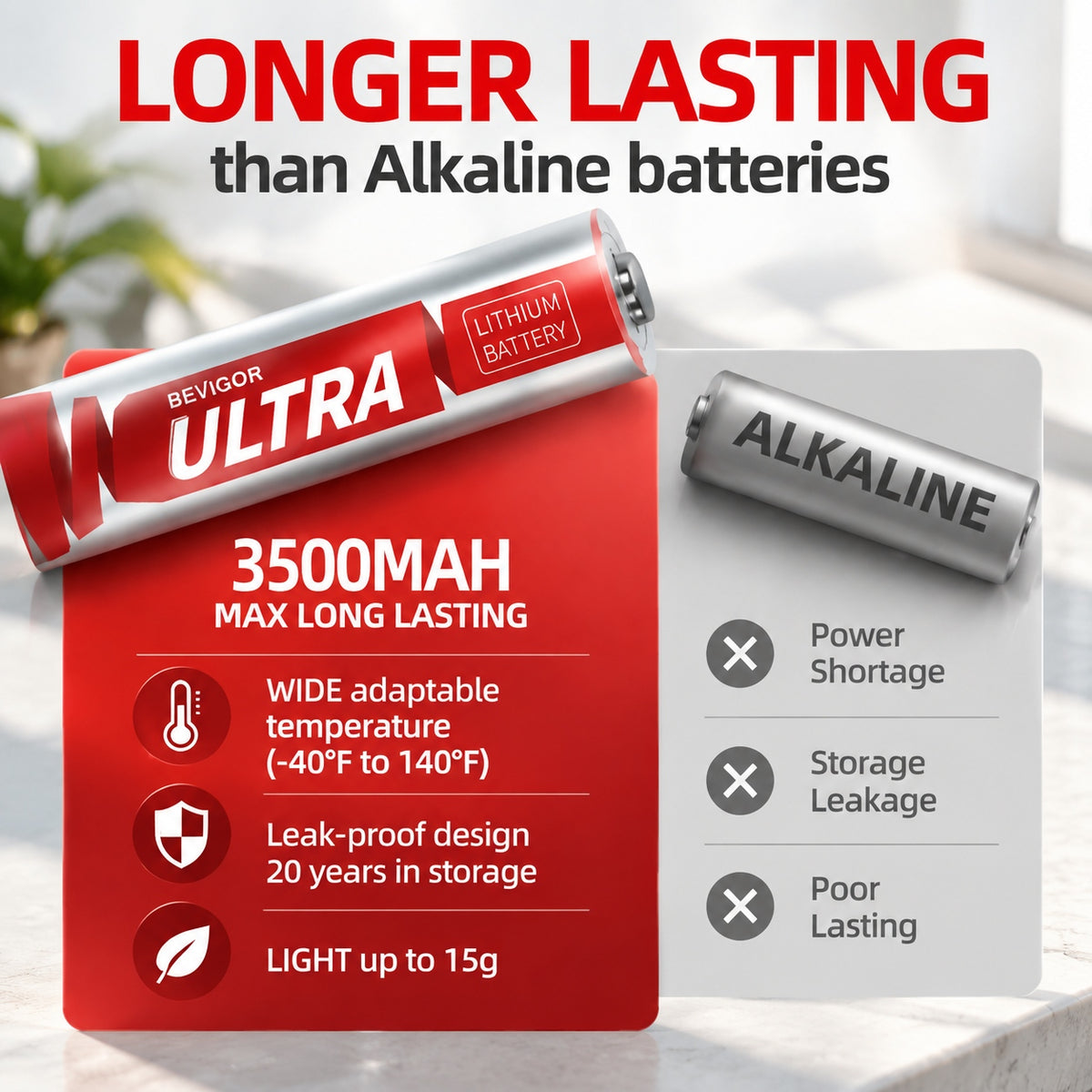
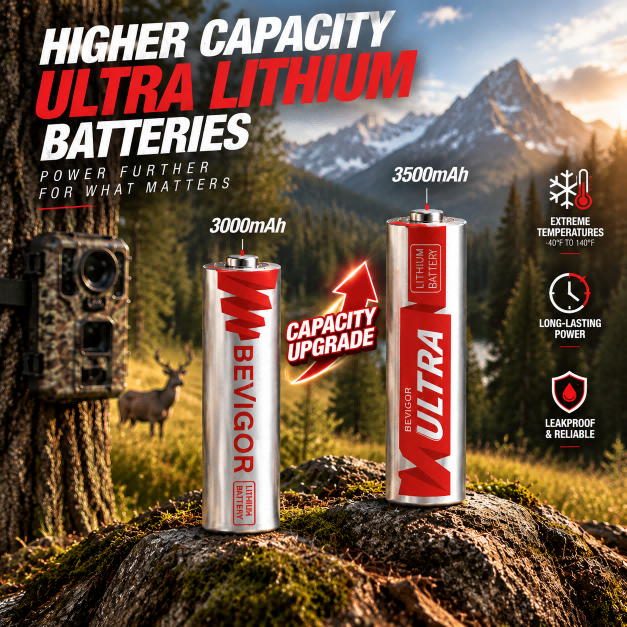
Lithium AA batteries (1.5V non-rechargeable) offer significantly higher energy density and stable voltage output compared to alkaline batteries.
Check the guide to all voltage output types of AA batteries.
According to Energy.gov, lithium batteries typically deliver 2,700–3,400 mAh, making them ideal for high-drain electronics.
Why lithium AA batteries outperform alkaline
-
Up to 8× longer life in high-drain devices
-
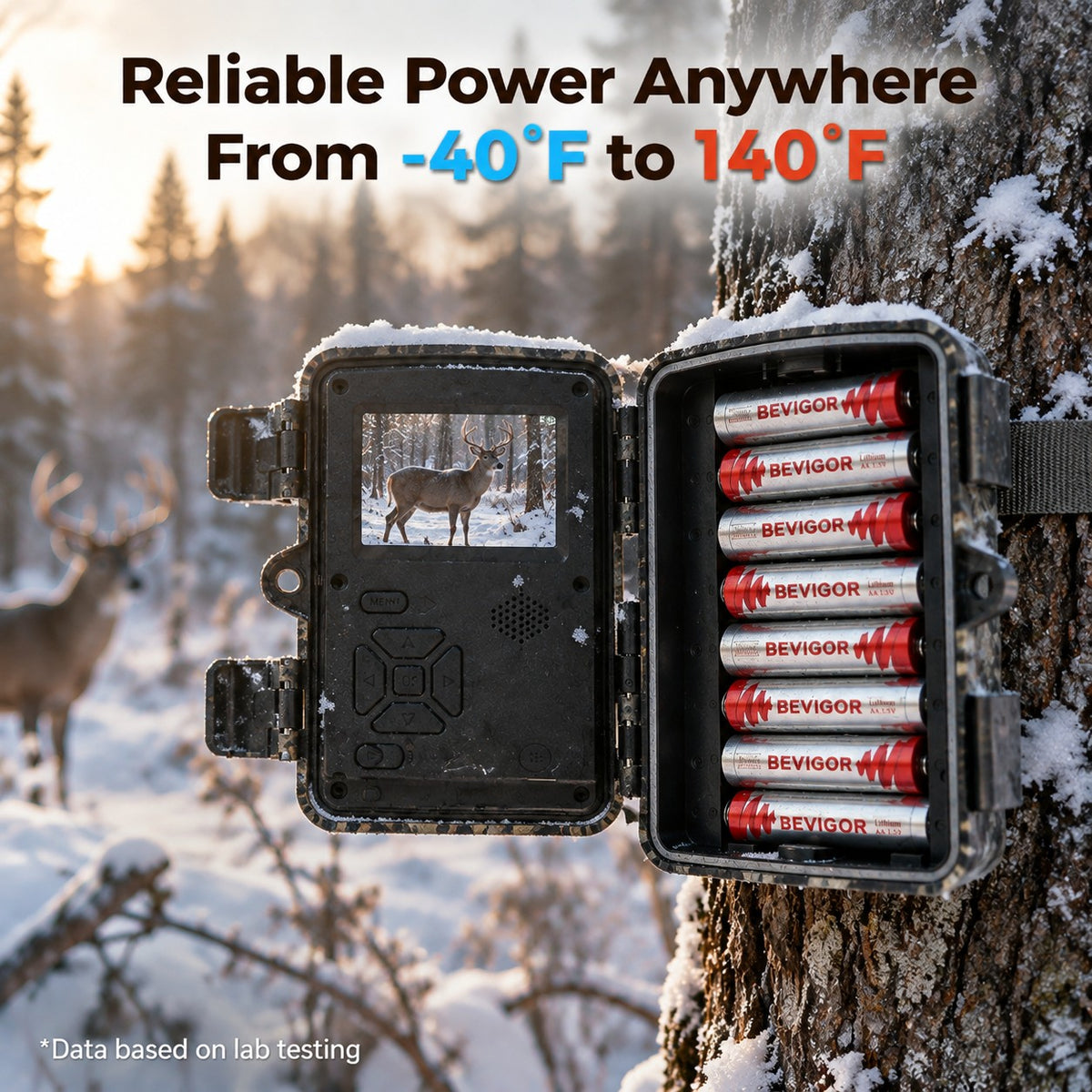
Excellent cold-weather performance
-
Lightweight and leak-resistant
-
10–20 year shelf life
This makes AA 1.5-volt lithium non-rechargeable batteries the preferred choice for smart and outdoor devices and doorbells.
Best lithium AA batteries for cameras and smart devices
For applications like Blink cameras, trail cameras, GPS units, and sensors, AA lithium batteries for Blink camera setups are strongly recommended.
Popular use cases include:
-
aa 1.5 volt lithium non-rechargeable batteries for Blink cameras
-
Smart locks and sensors
-
Digital cameras and flash units
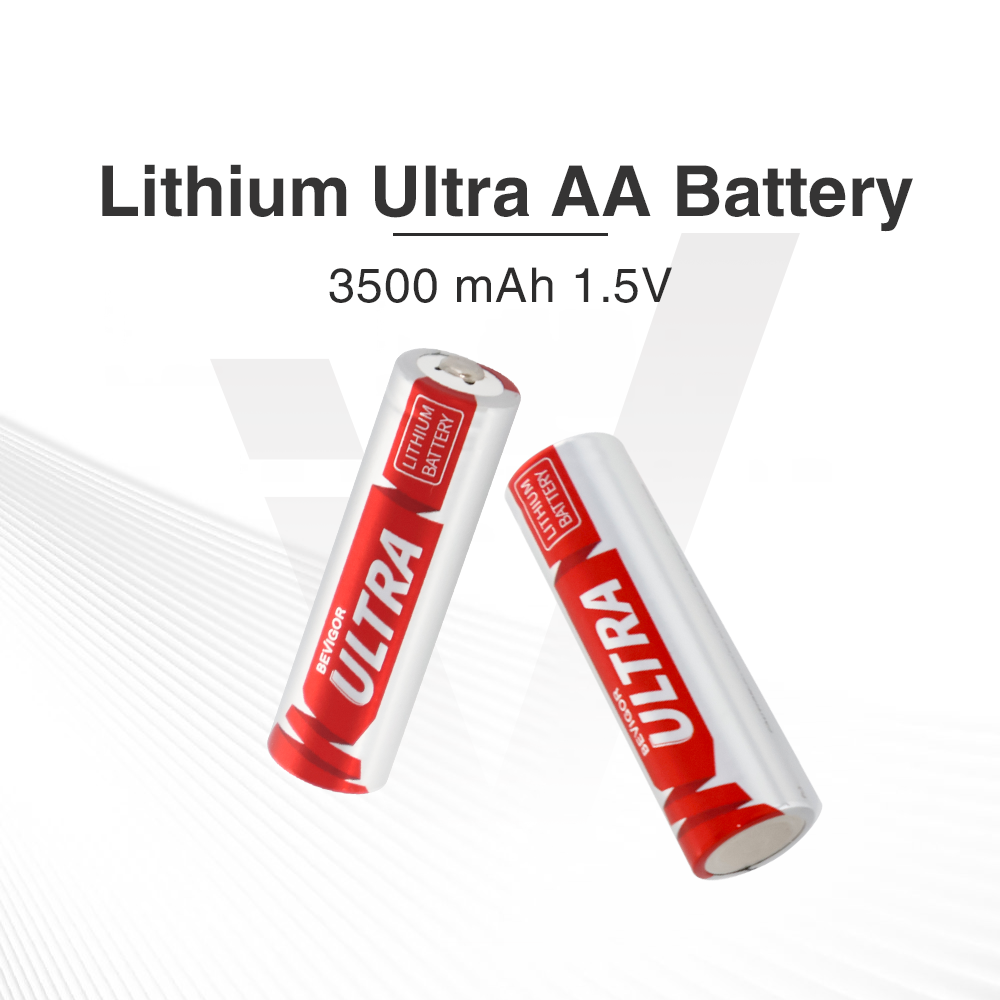
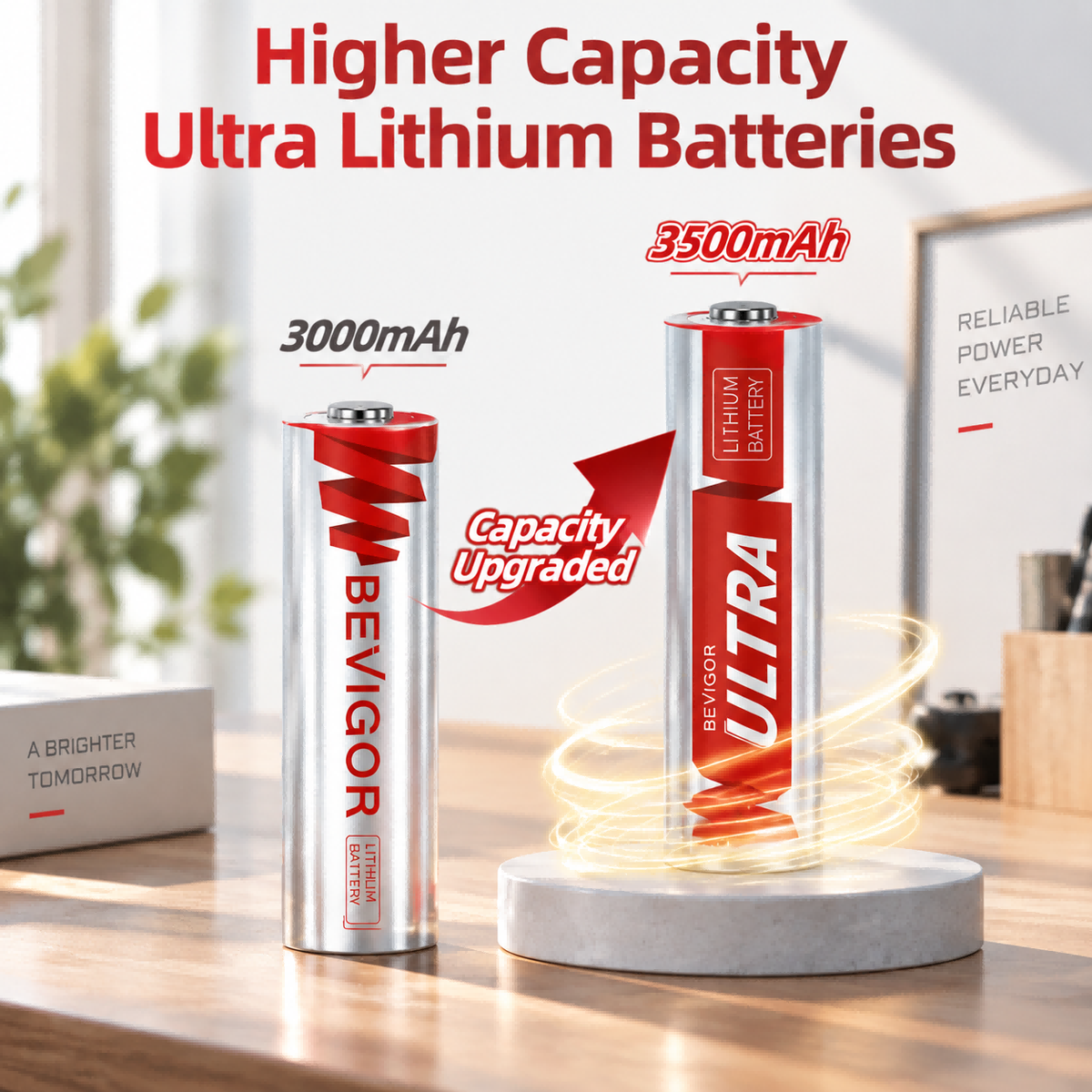
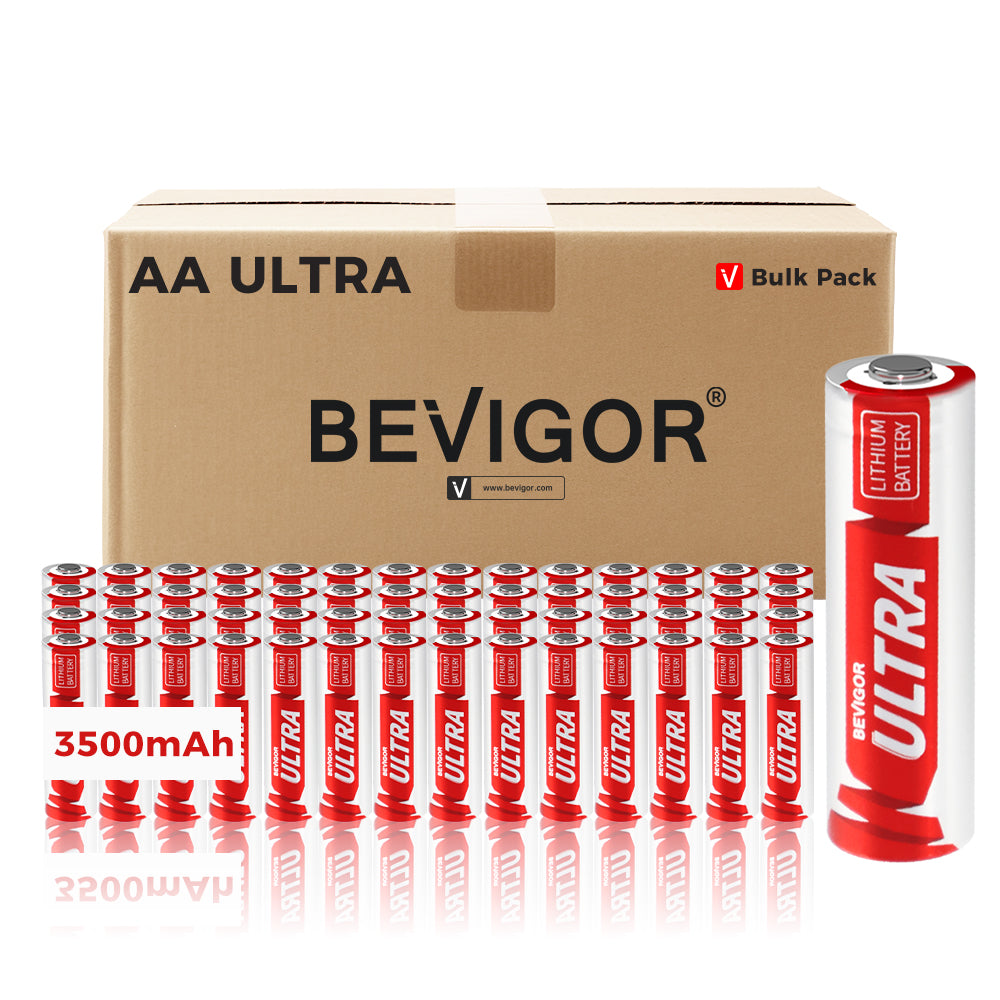
If you’re looking for the best AA lithium batteries, high-capacity options like Bevigor 3500mAh Ultra AA lithium batteries are designed to compete directly with Energizer Ultimate lithium AA batteries, while offering better bulk value.
Recommended products:
-
Household Option: https://bevigor.com/products/bevigor-lithium-aa-batteries-3000mah
-
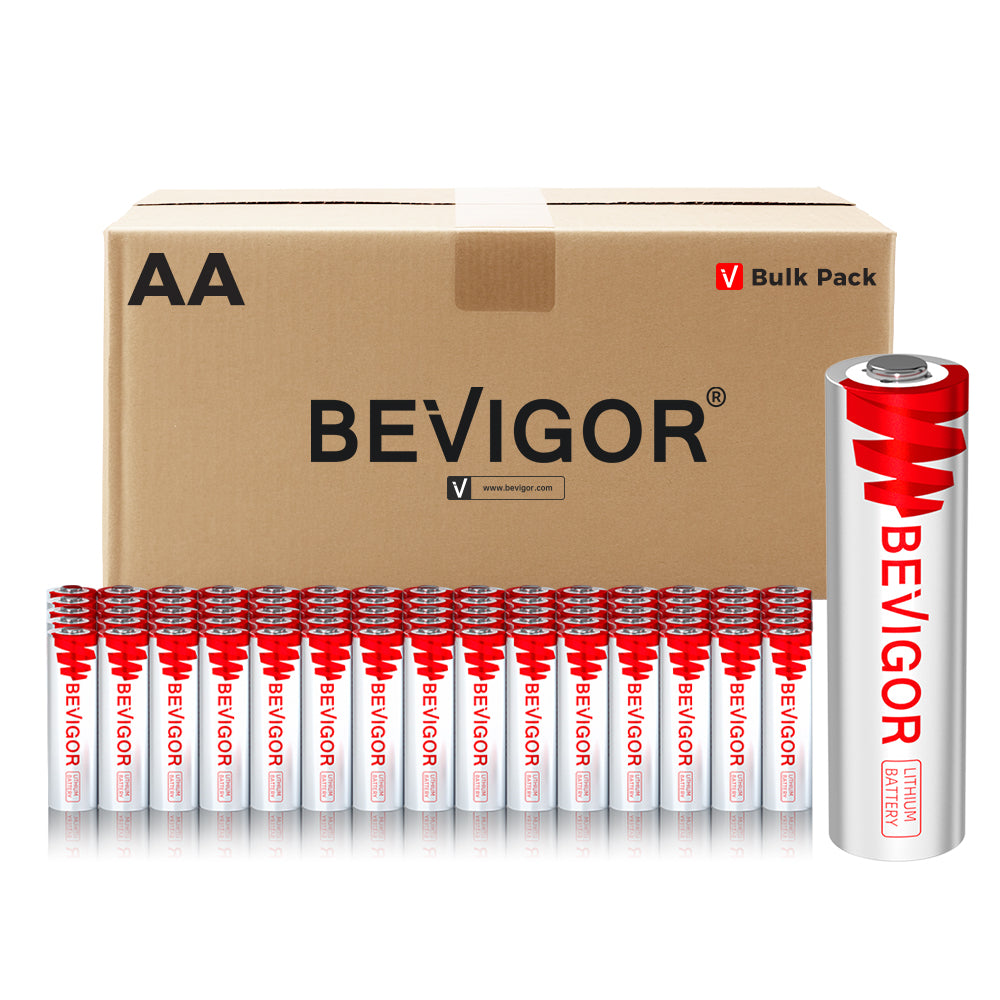
Bulk Option: https://bevigor.com/products/aa-lithium-batteries-3000mah-bulk
NiMH AA Rechargeable Batteries: Best for Frequent Use
How NiMH batteries work
NiMH batteries use nickel-based electrodes that are not consumed during discharge, allowing for hundreds of recharge cycles.
Pros and cons of NiMH AA batteries
Pros
-
Rechargeable (≈500 cycles)
-
Lower long-term cost
-
Reduced waste
Cons
-
Lower voltage (1.2V)
-
Performance drops as the battery discharges
-
Higher self-discharge rate (Battery University)
When NiMH AA batteries make sense
NiMH batteries are ideal for:
-
Wireless keyboards and mice
-
Toys
-
Game controllers
For cost-sensitive users, especially in bulk scenarios, NiMH can be extremely competitive. At Bevigor, NiMH AA rechargeable batteries reach their lowest unit cost at 120-pack bulk pricing, averaging around $1 per battery per pack.
Recommended products:
-
Consumer: https://bevigor.com/products/bevigor-aa-rechargeable-nimh-batteries
-
Bulk: https://bevigor.com/products/bevigor-2800mah-nimh-aa-rechargeable-batteries-1-2v-bulk-pack
Ni-Zn AA Batteries: High Voltage, Niche Applications
Lithium batteries are not always the best option. Ni-Zn batteries offer a higher nominal voltage (≈1.6V), making them suitable for devices that benefit from short bursts of high power.
Best uses for Ni-Zn batteries
-
Camera flashes
-
Certain tools
-
Specialty electronics
While promising, Ni-Zn batteries remain less common and require compatible chargers.
Cost Comparison: Which AA Battery Is Cheapest Long-Term?
| Battery Type | Typical Cost | Best Value For |
|---|---|---|
| Alkaline | $0.20–$0.75 | Low-drain, infrequent use |
| Lithium AA | $1.50–$3.00 | High-drain, critical devices |
| NiMH | $2.00–$4.00 | Frequent-use devices |
| Ni-Zn | $2.50–$5.00 | High-power bursts |
Although lithium battery AA options cost more upfront, they often deliver the lowest cost per hour of use in demanding devices.
Consumer vs Wholesale: Choosing the Right Battery at Scale
For consumers
If reliability matters—especially for cameras or smart home devices—best lithium AA batteries provide peace of mind and fewer battery changes.
For businesses and bulk buyers
Wholesale buyers often mix strategies:
-
Lithium AA for critical devices
-
NiMH for reusable, high-turnover equipment
Bulk & wholesale inquiries:
https://bevigor.com/pages/bulk-wholesale
Final Thoughts: Which AA Battery Should You Choose?
-
Choose alkaline for simple, low-drain devices
-
Choose lithium AA batteries for cameras, smart devices, and extreme temperatures
-
Choose NiMH rechargeable batteries for frequent-use, cost-sensitive setups
-
Consider Ni-Zn for niche, high-voltage needs
By understanding how each AA battery type works, you can reduce waste, improve device performance, and lower long-term costs—without guessing.
If you need help choosing the right battery for your application, feel free to contact us:
https://bevigor.com/pages/contact-us



Share:
What Are the Best AAA Batteries in 2026?
Non-Rechargeable Lithium vs Alkaline Batteries: Which Should You Pick in 2026?