

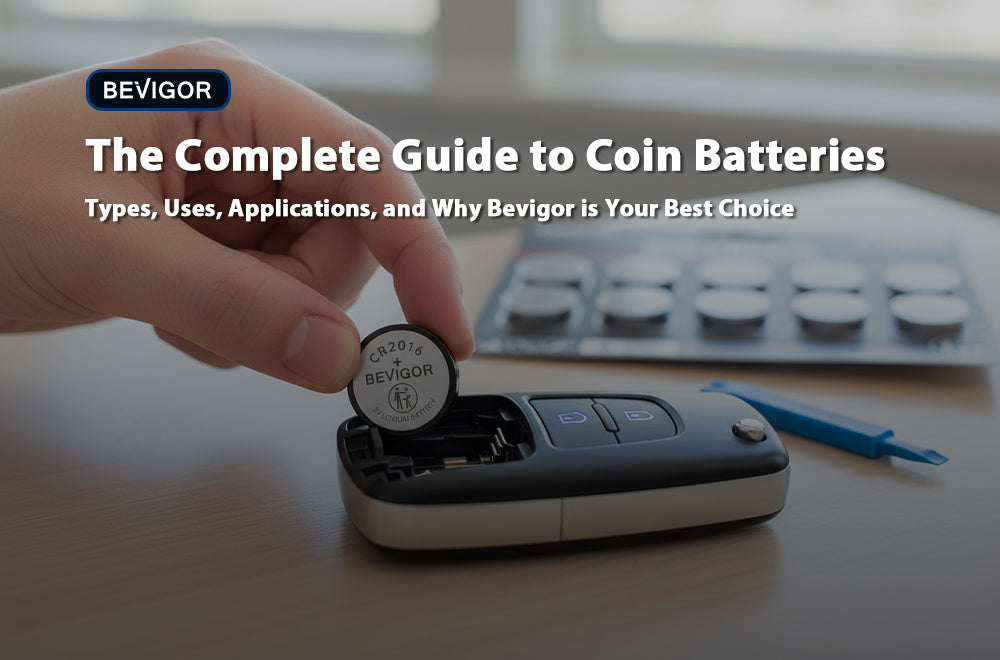
Has your car key fob died right when you needed it most? Finding a reliable miniature power source for everyday electronics is a common frustration.
We will cover the specific chemistries, standard sizes, and practical applications of Coin Batteries for your electronics.
How Do Different Coin Batteries Chemistries Compare?
Start by looking at the letters stamped onto the flat metallic casing. The prefix dictates the internal chemistry, which significantly impacts performance based on your local climate and how much energy your device demands. The internal materials dictate whether a cell will last for five years in a drawer or drain rapidly when exposed to winter weather.
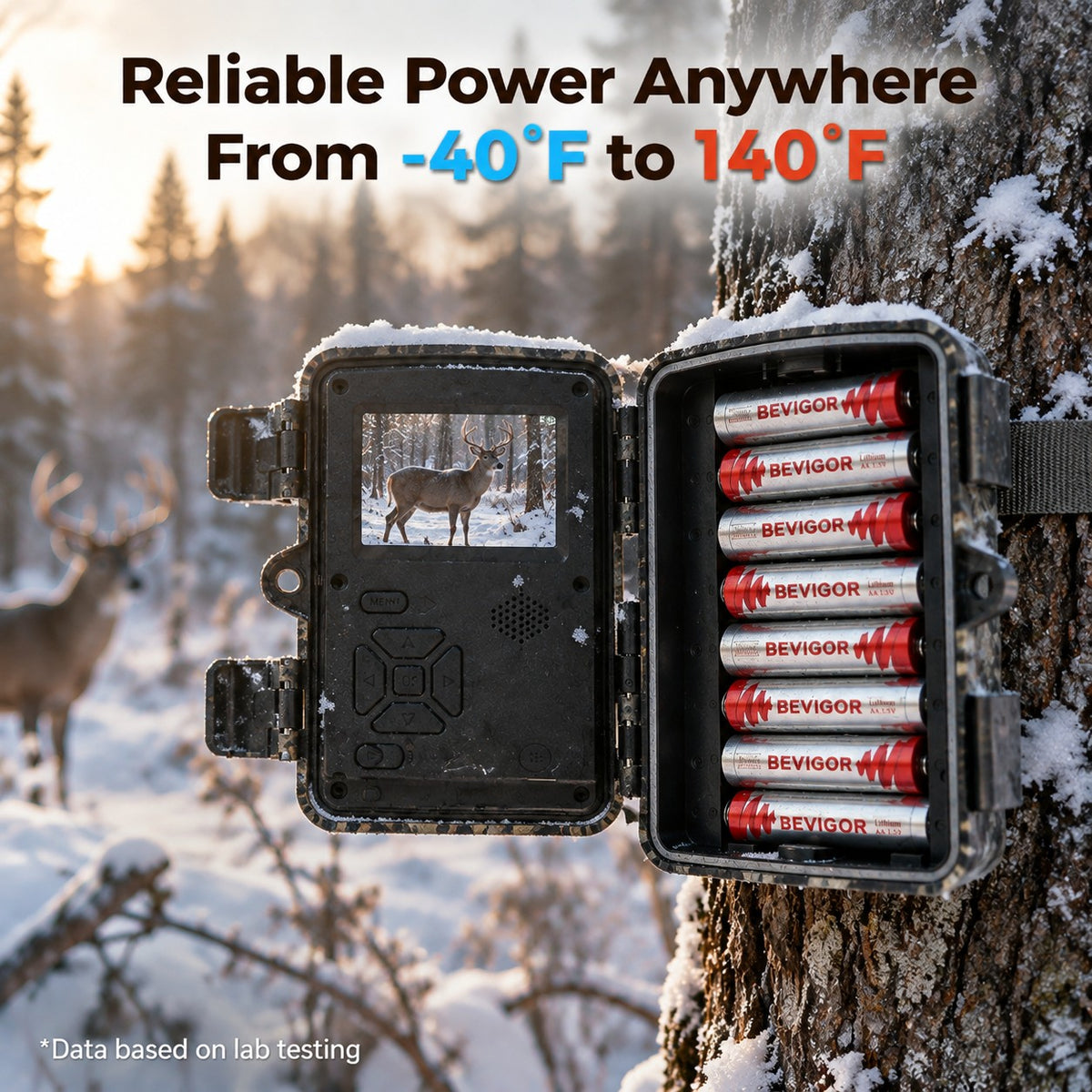
Lithium variants, usually marked with a "CR", typically offer a stable 3V output. This chemistry performs reliably in freezing winter temperatures, making them suitable for outdoor security sensors or garage keypads. Because lithium has a very low self-discharge rate, these cells are excellent for items that sit idle for long periods. Alkaline versions, marked "LR", provide 1.5V and are generally more cost-effective for low-drain, indoor devices like small toys or basic calculators where temperature fluctuations are minimal.
Silver Oxide cells, designated by "SR", maintain a notably flat discharge curve. This means they deliver a constant, unwavering voltage until they are almost completely depleted, ensuring sensitive items like medical equipment operate with absolute precision. As noted by official materials science data from the National Institutes of Health regarding electrochemical degradation, the specific chemical composition directly dictates how energy releases over time and how it reacts to environmental stress.
Understanding Common Coin Batteries Sizes and Codes
Decoding the numbers on the packaging saves you from returning to the store after buying the wrong replacement. The standard naming convention used across the industry relies entirely on physical dimensions. The first two digits represent the diameter of the cell in millimeters, while the last two digits represent the thickness in tenths of a millimeter.
Here is the deal: if you look at a standard 2032 cell, the numbers indicate it is exactly 20mm across and 3.2mm thick. Swapping a thinner 2016 cell into a slot meant for a 2032 might physically fit because the diameter is the same, but the loose connection often causes intermittent power failures or unexpected device resets. To ensure consistent performance, matching the exact physical dimensions required by your hardware is highly recommended.
|
Battery Code |
Primary Chemistry |
Nominal Voltage |
Typical Device Application |
|
CR2032 |
Lithium |
3.0V |
PC Motherboards, Car Remote Fobs |
|
CR2016 |
Lithium |
3.0V |
Slim Digital Watches, Fitness Trackers |
|
LR44 |
Alkaline |
1.5V |
Laser Pointers, Small Novelty Toys |
|
SR626SW |
Silver Oxide |
1.55V |
Precision Analog Watches, Medical Tools |
Real-World Applications for Coin Batteries
Miniature power cells run vital daily devices that are simply too small for standard AA or AAA units. While larger rechargeable formats like NiMH are excellent for high-drain digital cameras, they are physically too bulky and have the wrong voltage profile for a slim window contact sensor.
Your vehicle's remote keyless entry system relies heavily on a quick, sharp burst of voltage to transmit a radio signal across a crowded parking lot. If the voltage sags even slightly, the range of your remote drops drastically. Medical devices, such as digital glucometers and wearable heart rate monitors, require precise, uninterrupted power to guarantee accurate health readings.
Smart home ecosystems also utilize these compact power sources extensively. Door sensors, motion detectors, and compact temperature gauges use them to maintain continuous wireless network connections. When outfitting a comprehensive smart home security system, relying on bulk CR2032 power cells provides the steady 3V current required to keep network nodes communicating without triggering false low-voltage alerts on your control panel.

Maximizing the Lifespan of Your Coin Batteries
Simply leaving a spare cell on a sunny windowsill or inside a hot car can permanently degrade its capacity before you even open the package. Extreme heat causes the internal resistance to build up, shortening the overall runtime and potentially causing the casing to swell. Storing your spare cells in a climate-controlled, dry place ensures they retain their factory charge until you actually need them.
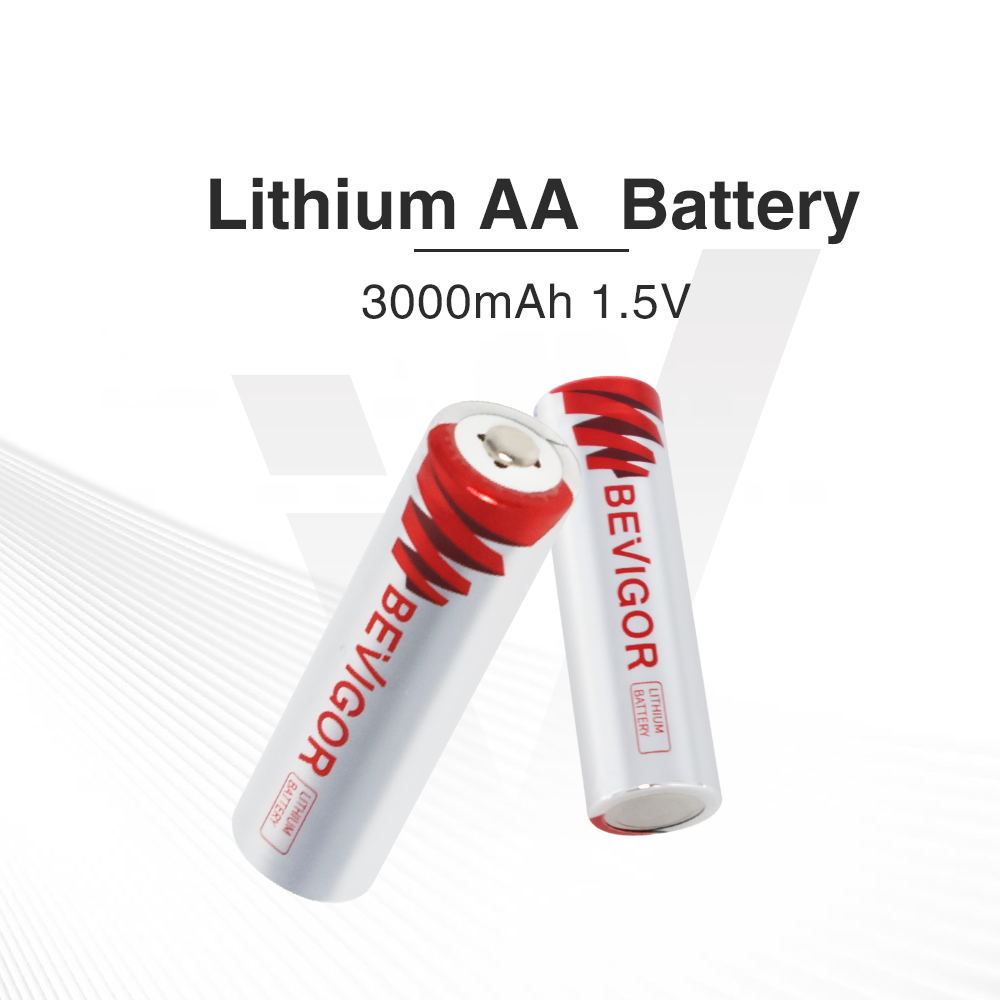
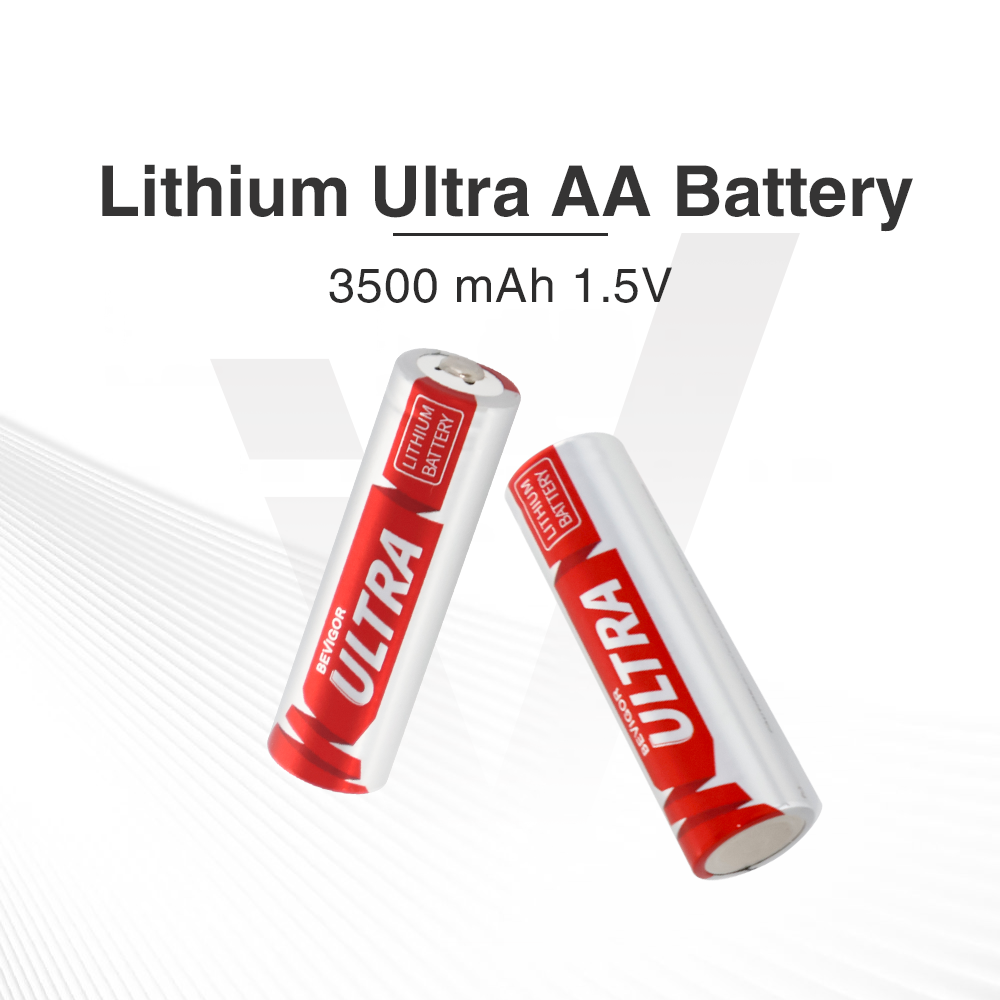
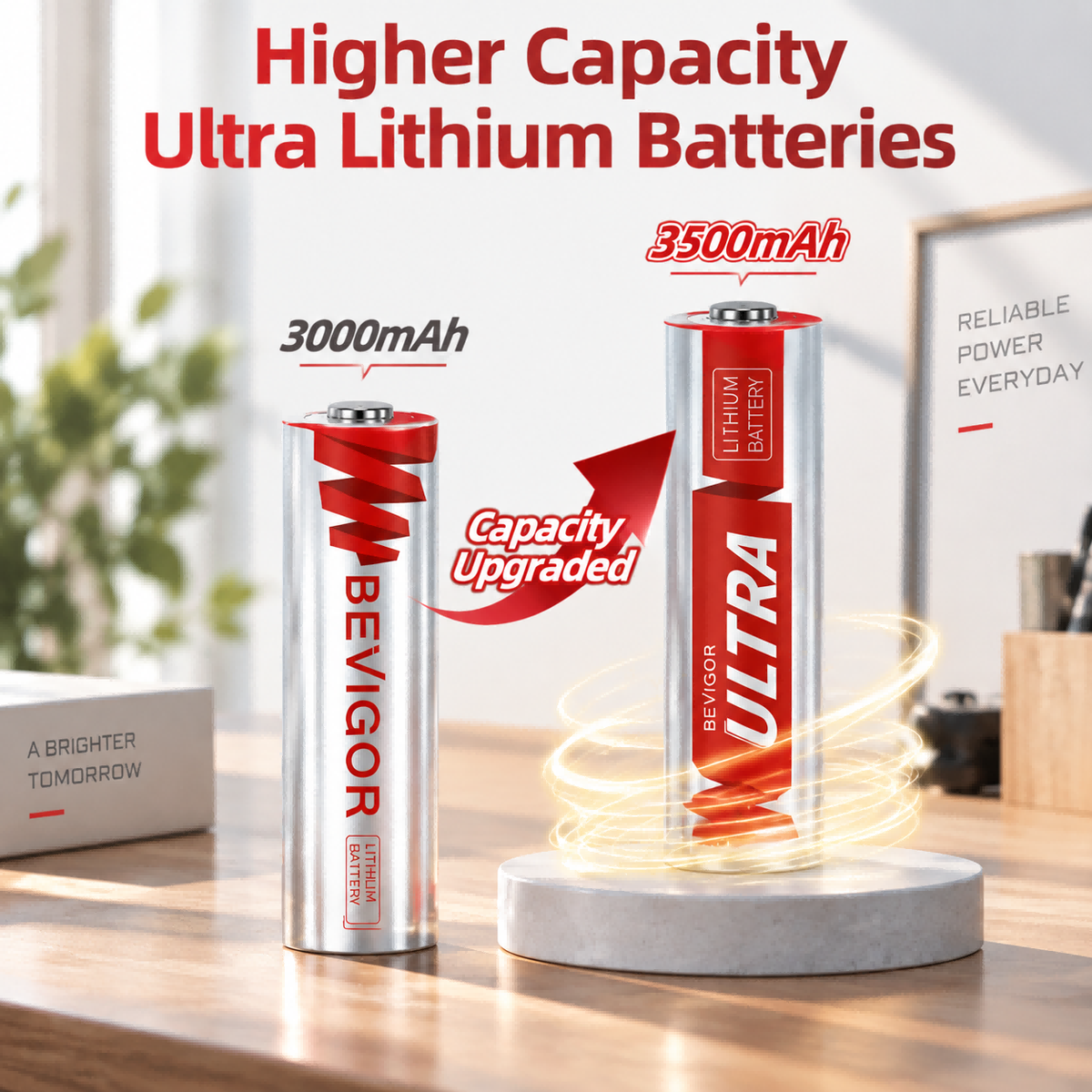
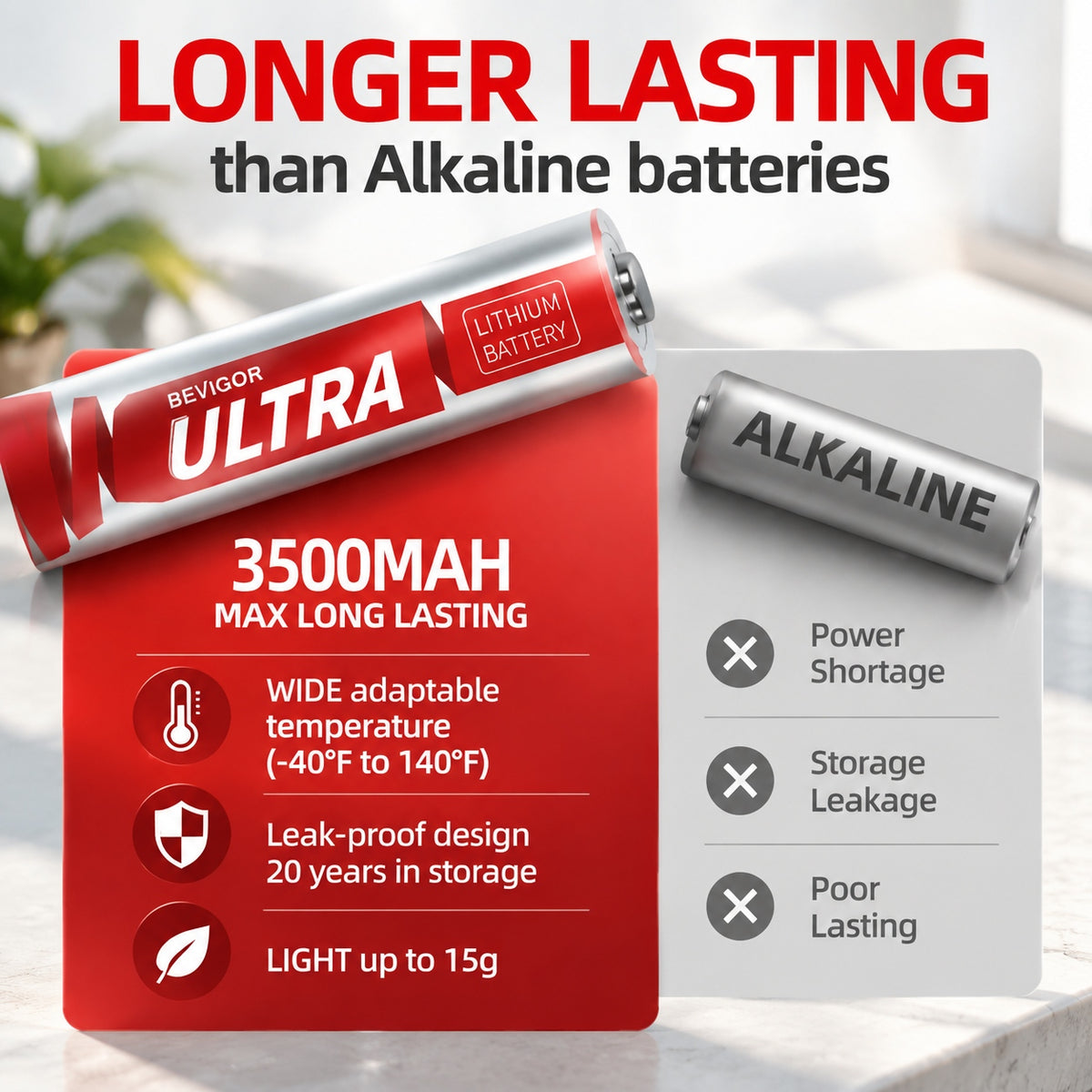
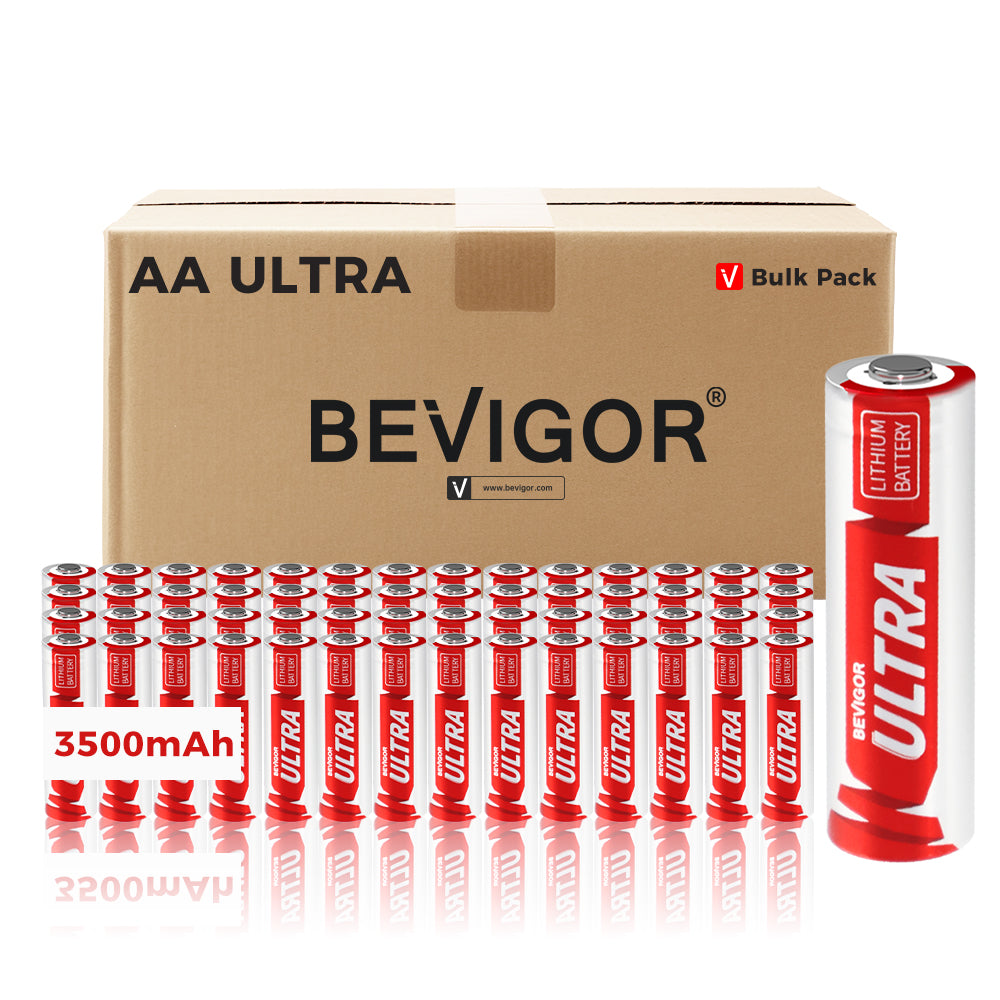
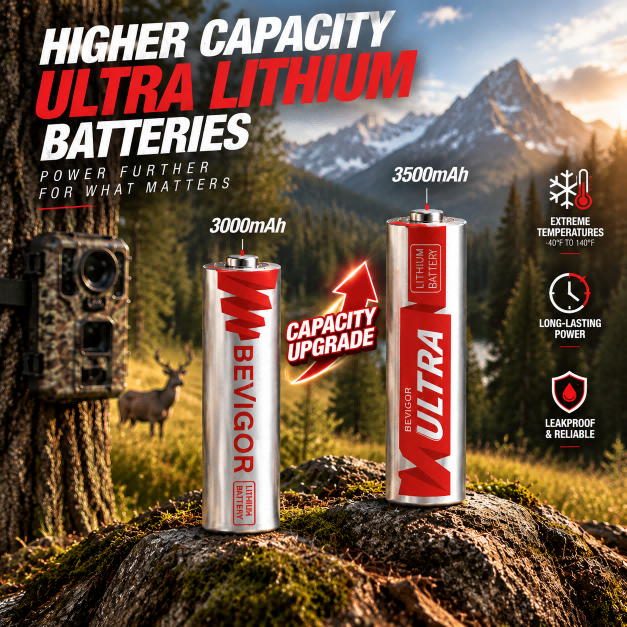
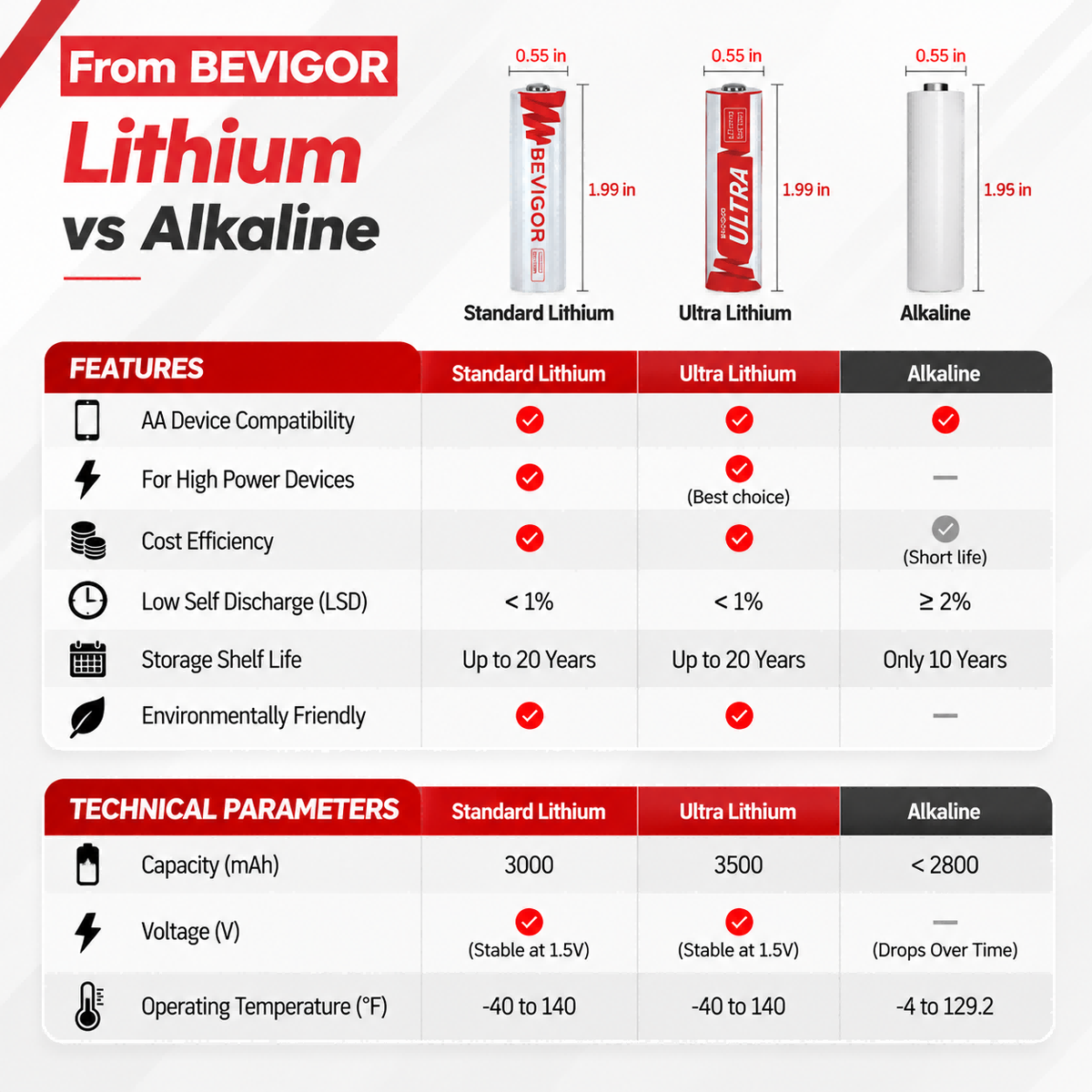
Physical handling also introduces unexpected power issues. The natural oils, sweat, and moisture on human skin can create an invisible, microscopic barrier on the metallic surface. This residue leads to poor electrical contact inside the device. Wiping the cell gently with a dry microfiber cloth before pressing it into the circuit board often resolves sudden low-power warnings. Compared to larger, heavy-duty formats like premium AA lithium solutions, these smaller cells have less protective casing mass, making careful physical handling crucial for optimal performance.
Frequently Asked Questions
Why do my car key fobs seem to drain power so quickly?
Modern key fobs that feature passive entry continuously broadcast a low-frequency radio signal to detect your vehicle's proximity. This constant background communication drains energy much faster than older push-button remotes. Storing the fob further away from your parked car at home can sometimes reduce this passive energy drain.
Is it safe to substitute different chemistries if the physical size fits?
While a 3V lithium cell and a 1.5V alkaline cell might share similar physical dimensions in some rare product lines, forcing a higher voltage into a circuit board designed for 1.5V can permanently destroy the hardware. Always match the exact voltage and chemistry specified by the original equipment manufacturer.
When shopping for replacements, how do i choose the right coin battery size for my device?
Look closely at the faintly engraved code on the top of the old cell, usually starting with CR, LR, or SR followed by a series of numbers. If the old unit is missing or completely unreadable, check the manufacturer's user manual or look for a small specification sticker inside the device's empty battery compartment.
Do these small cells have a definitive shelf life?
Yes. While some highly robust specialty power options maintain their static charge for up to ten years in factory packaging, environmental factors heavily influence this timeframe. High humidity, severe temperature fluctuations, and direct sunlight will cause the internal chemistry to slowly discharge over time.
Essential Usage and Safety Guidelines
Understanding a few core safety protocols and operational parameters ensures your household electronics run reliably without posing a risk to your family.
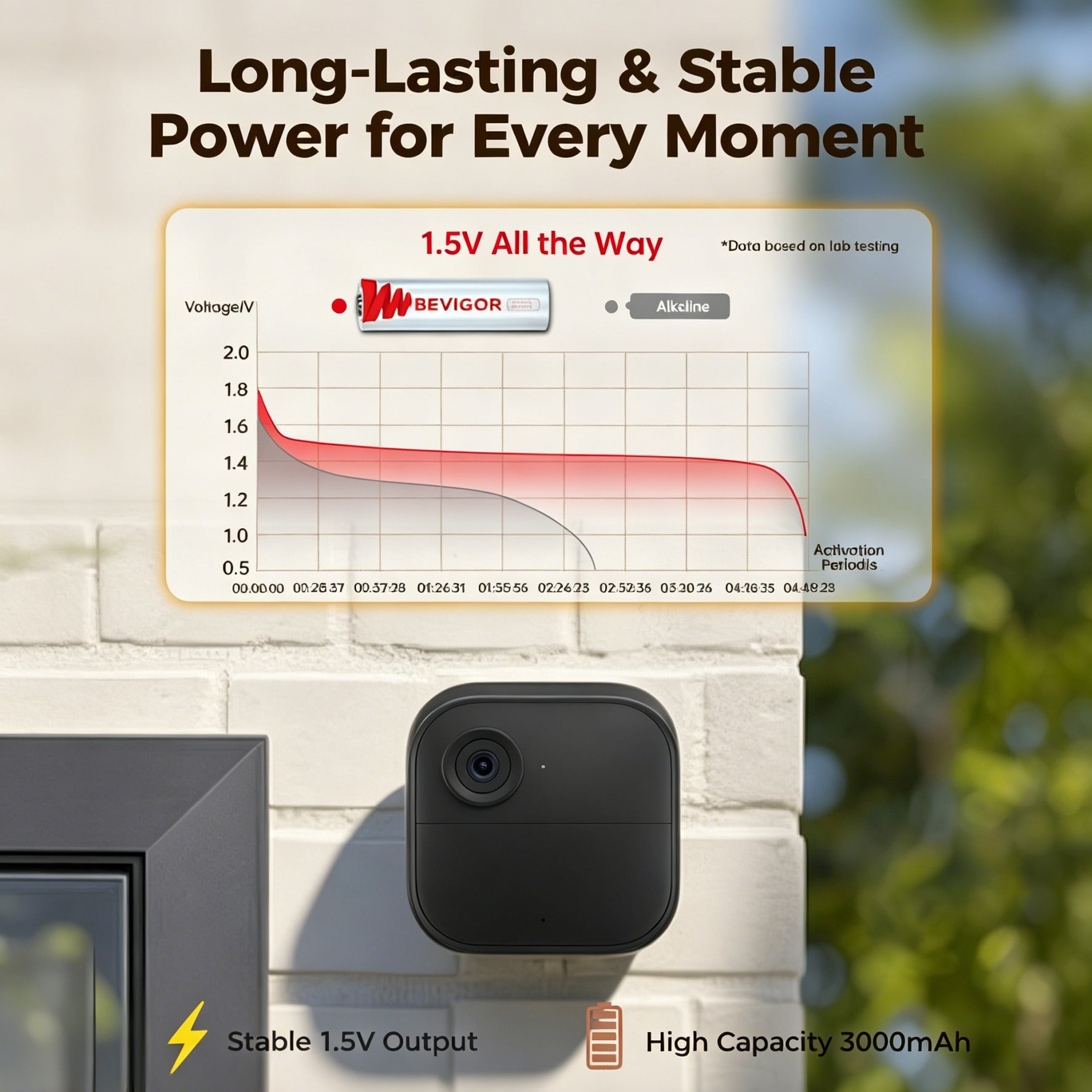
- Parameter Specifications: All stated capacities (mAh) and voltage outputs are based on official specifications by Bevigor under controlled laboratory testing conditions.
- Performance Variables: Real-world longevity depends heavily on the external room temperature, the specific hardware's power draw, and how frequently the device is physically triggered.
- Avoid Mixing Units: Never stack a brand-new cell directly alongside a partially depleted one in devices that require multiple units. This electrical imbalance causes rapid discharge, overheating, and potential chemical leakage.
- Safe Disposal: These energy sources contain concentrated reactive metals. Do not throw them directly into standard household trash bins. Take depleted units to dedicated local electronics recycling drop-off points to prevent heavy metals from leaching into the soil.
- Critical Storage Warning: Keep these small, highly reflective objects strictly out of reach of infants, toddlers, and pets. If accidentally swallowed, the electrical current reacts with bodily fluids to cause severe internal chemical burns within just two hours. Seek immediate emergency medical care if ingestion is suspected.



Share:
NiMH vs Li-ion: A Comprehensive Guide to Choosing the Best Rechargeable Battery
Are AA Lithium Batteries Really That Much Better for Everyday Use?