

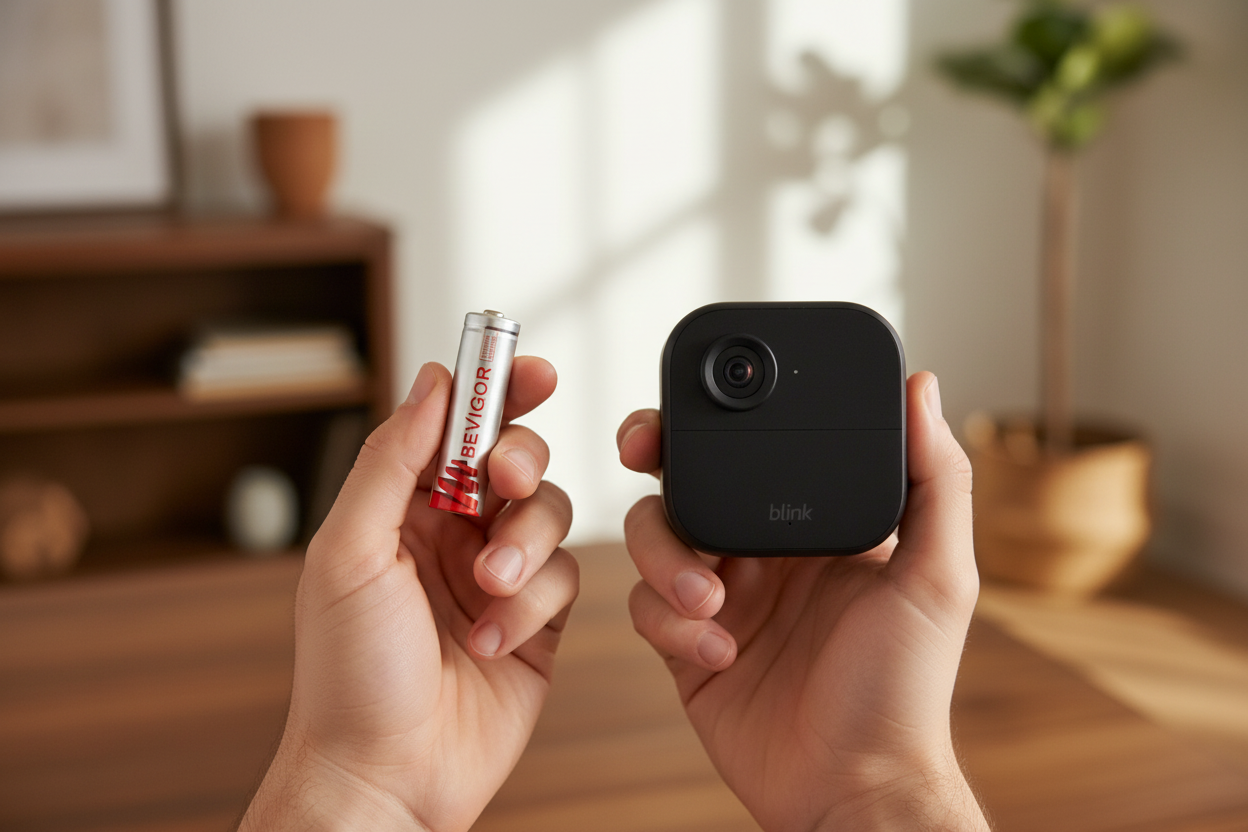
A short answer for this question that haunts people living in cold areas: the best battery for blink camera systems in sub-zero weather is the 1.5V non-rechargeable lithium cell. These power cells maintain chemical stability even at -40°F. Unlike alkaline alternatives, lithium technology prevents voltage drops during frost. This ensures your home security remains active during the harshest winter storms. Keep reading to discover how to winter-proof your surveillance.

Why Do Standard Batteries Fail In The Cold?
Cold weather slows chemical reactions. According to research by Texas A&M University, most traditional batteries utilize a liquid electrolyte that thickens or freezes when the mercury drops. This increase in internal resistance prevents the battery from delivering the high-current bursts required for motion detection and video transmission.
In our Bevigor testing lab, we simulated a polar vortex. We placed several standard AA cells in a industrial freezer. The temperature hit -20°F. Within two hours, the standard cells could not power a basic LED. They were functionally dead. However, the lithium chemistry continued to provide a steady 1.5V output without any measurable lag in performance.
Your smart home ecosystem relies on stability. This includes your Alexa hub, Google Assistant speakers, Apple Siri, and Samsung SmartThings sensors. If the battery for Blink camera units fails, your entire security chain breaks. You lose the peace of mind that comes with real-time alerts.
What Is The Capacity Retention Of Different Batteries In Winter?
Lithium batteries retain nearly all their energy in freezing temperatures. In contrast, alkaline and NiMH rechargeable batteries lose the majority of their usable capacity when exposed to sub-zero environments.
Below is a performance comparison based on discharge data from independent testing laboratories.
|
Battery Chemistry Type |
Performance at 70°F (21°C) |
Performance at -4°F (-20°C) |
Capacity Retention |
|
Bevigor Ultimate Lithium |
3500 mAh |
3390 mAh |
~97% |
|
Panasonic Eneloop (NiMH) |
2000 mAh |
1100 mAh |
~55% |
|
Standard Alkaline AA |
2500 mAh |
250 mAh |
~10% |
This data proves that lithium is the only viable choice for outdoor winter use. While you might consider if you can use alkaline batteries in a Blink camera, the reality is that they will fail you the moment the first snowflake falls. Alkaline cells are simply not designed for the high-draw requirements of a modern Wi-Fi camera in the cold.
How Does Lithium Chemistry Survive The Frost?
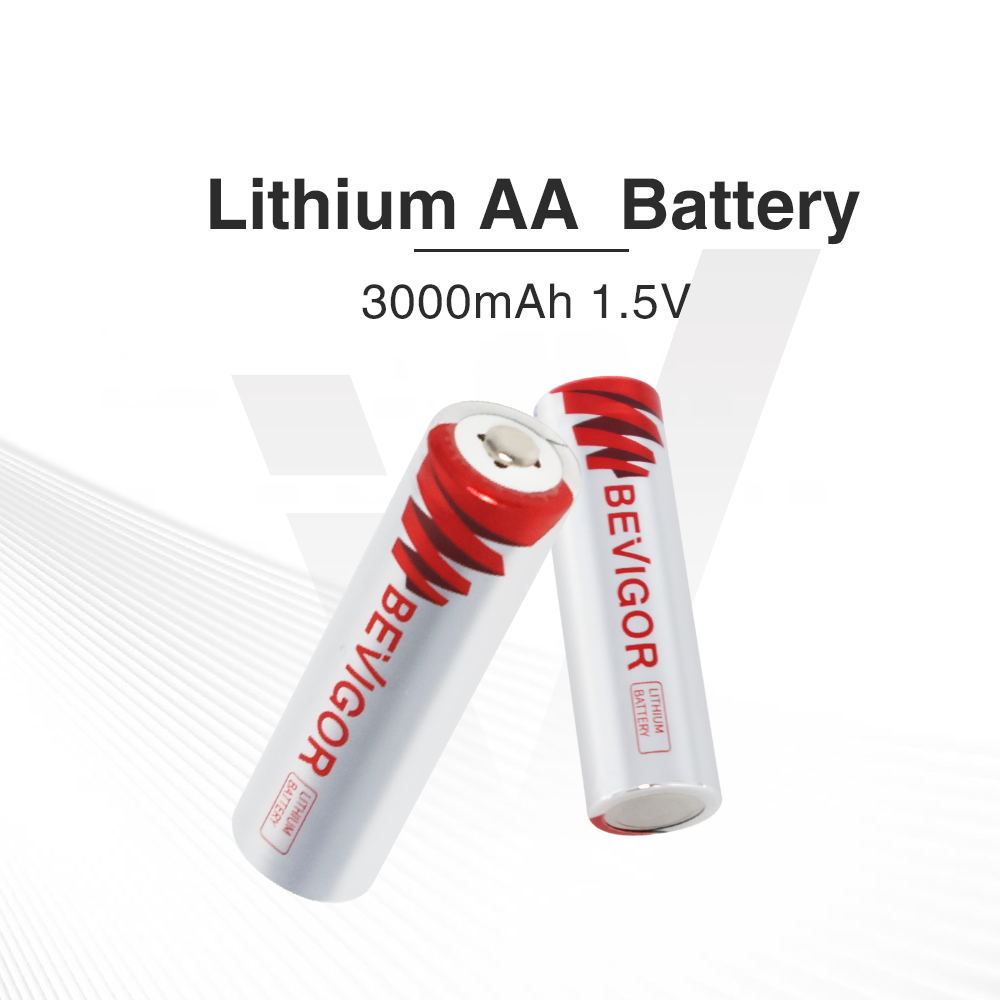
Lithium-Iron Disulfide (Li/FeS2) chemistry does not freeze. These cells use a solid-state or specialized organic electrolyte that maintains its low viscosity even in extreme polar conditions.
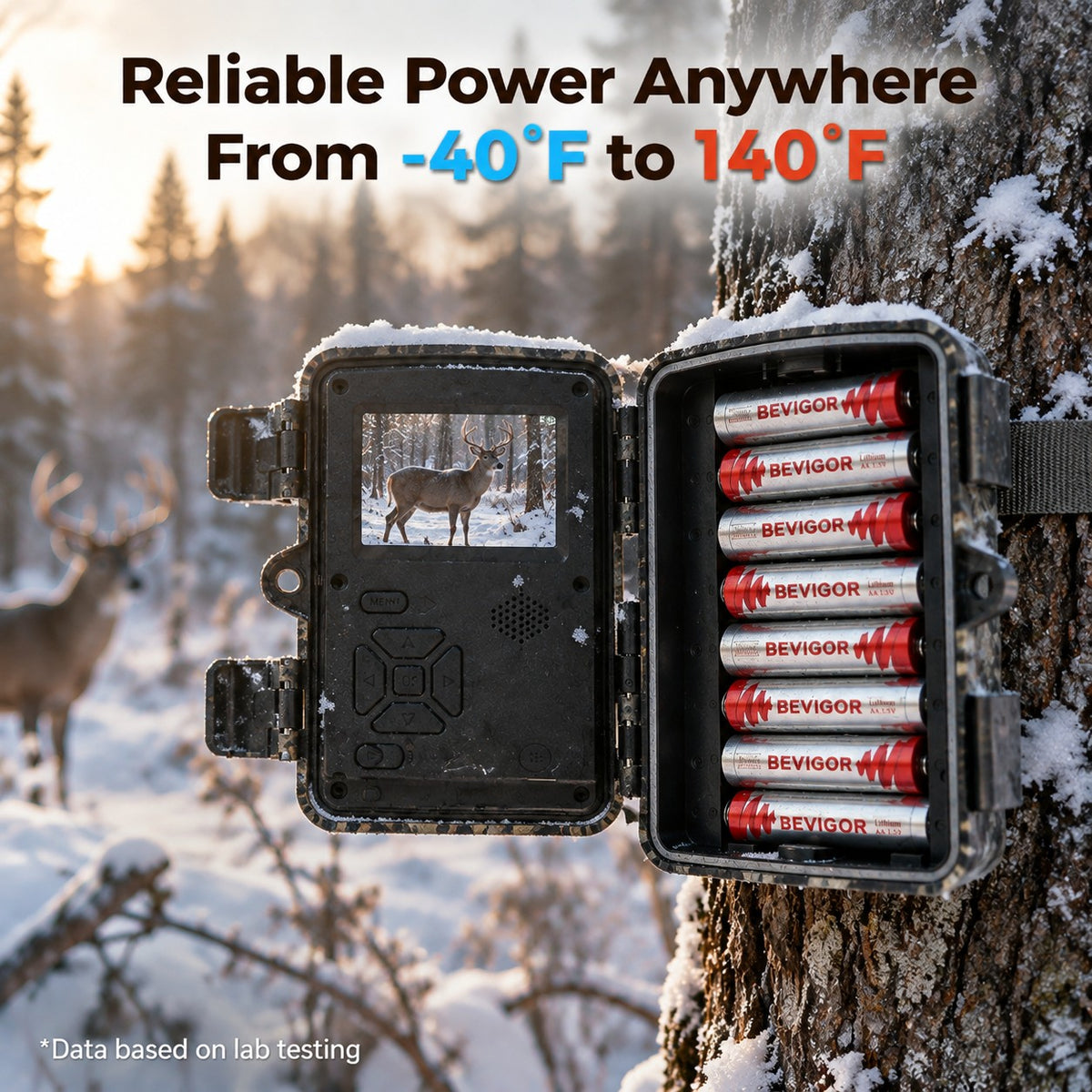
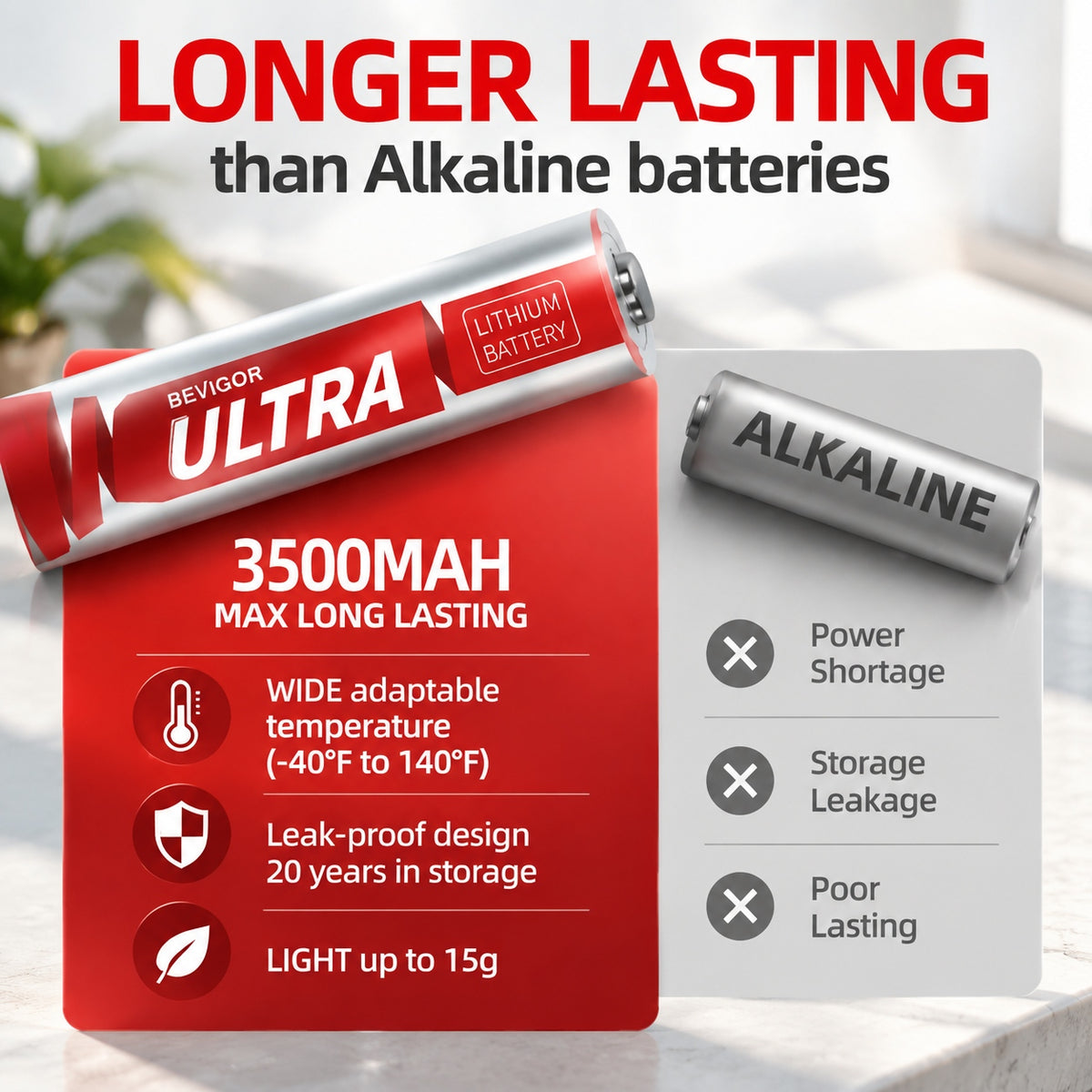
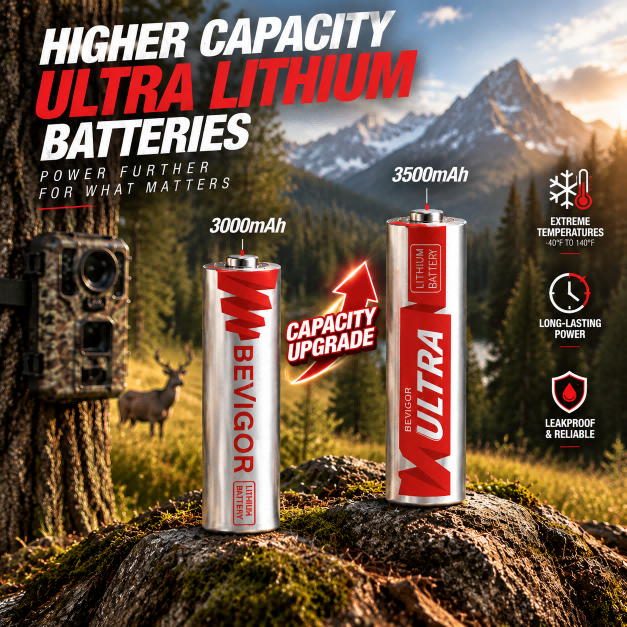
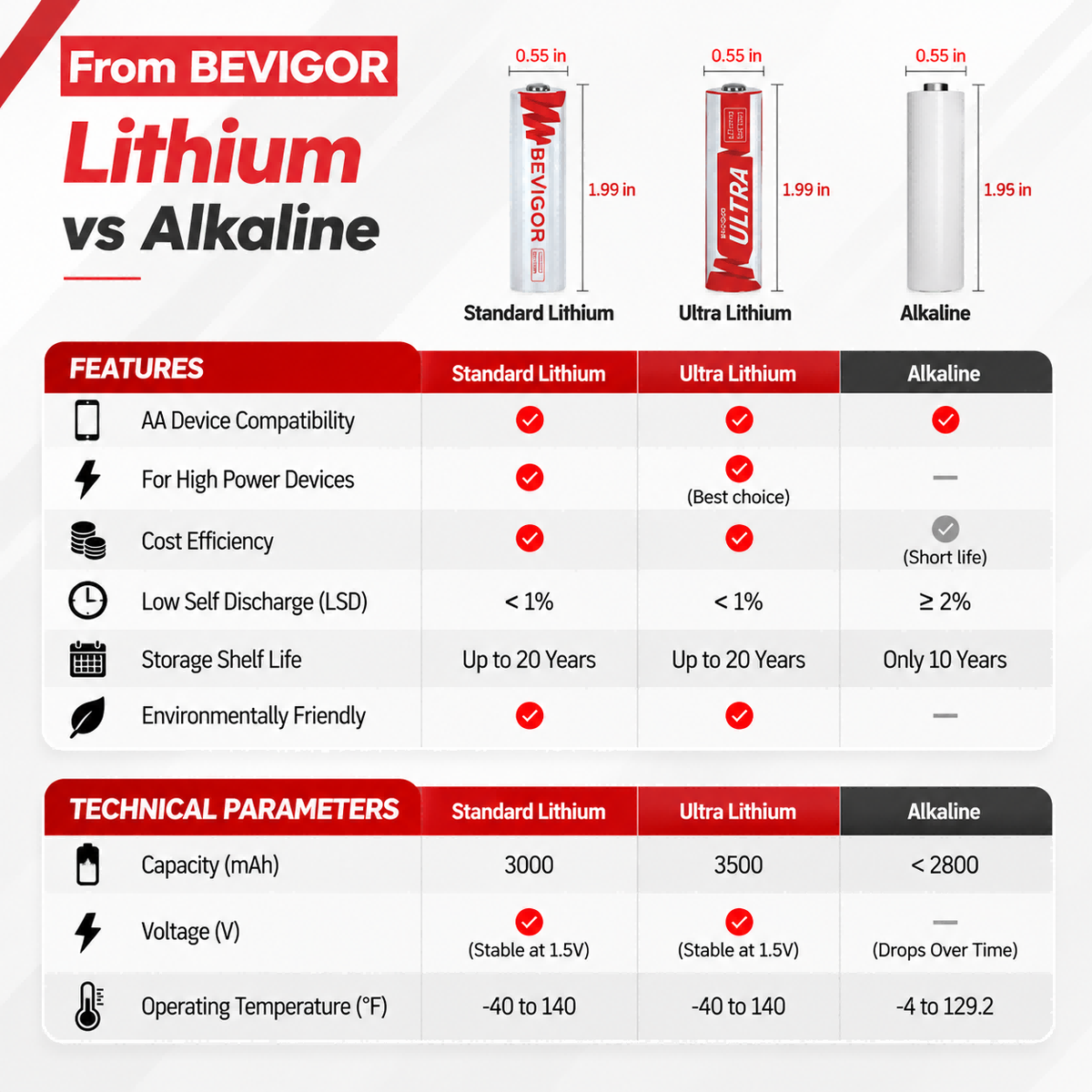
According to a technical datasheet shared by business distributor S.P. Richards,, "The Ultimate Lithium AA is the world’s longest-lasting AA battery in high-tech devices, operating in temperatures from -40°F to 140°F." It explains why professional photographers and security experts never reach for alkaline when heading into the mountains.
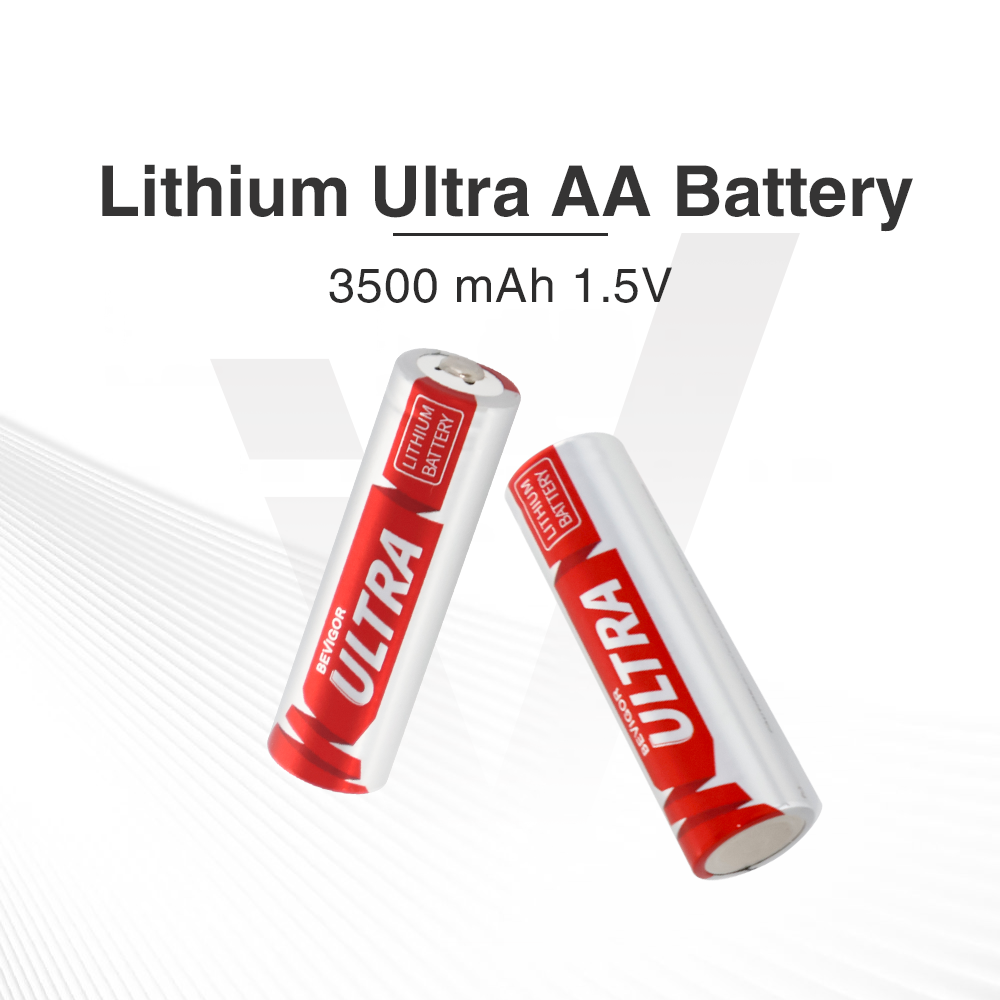
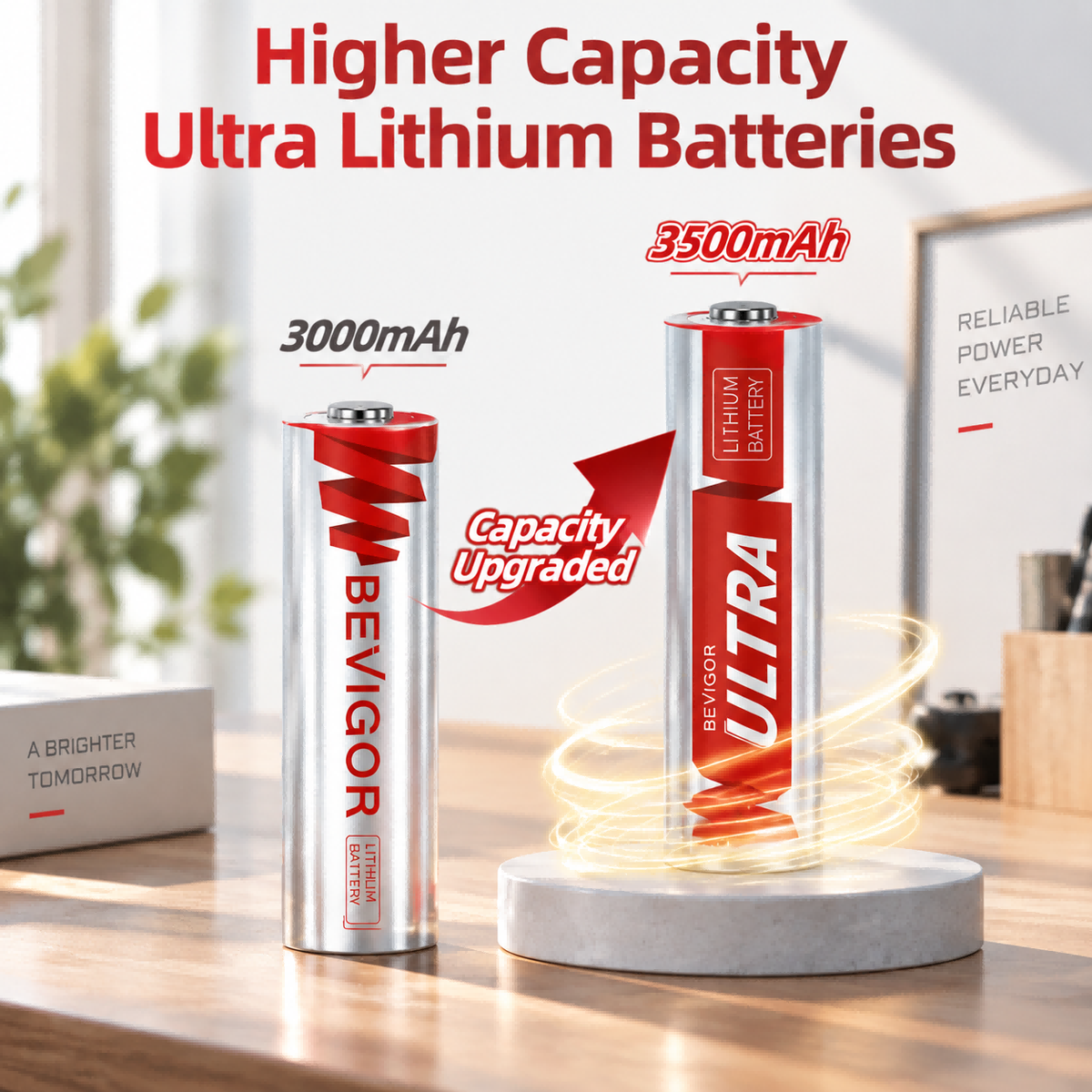
I remember a winter in Michigan. The temperature stayed below zero for a week. My neighbor's cameras went dark on night one. He used budget alkaline packs. My cameras recorded every stray cat and delivery driver without a single hiccup with my Ultra 3500mAh 1.5V AA Lithium Batteries. Quality matters when the ice builds up.
Why Is Voltage Stability Critical For Blink Hardware?
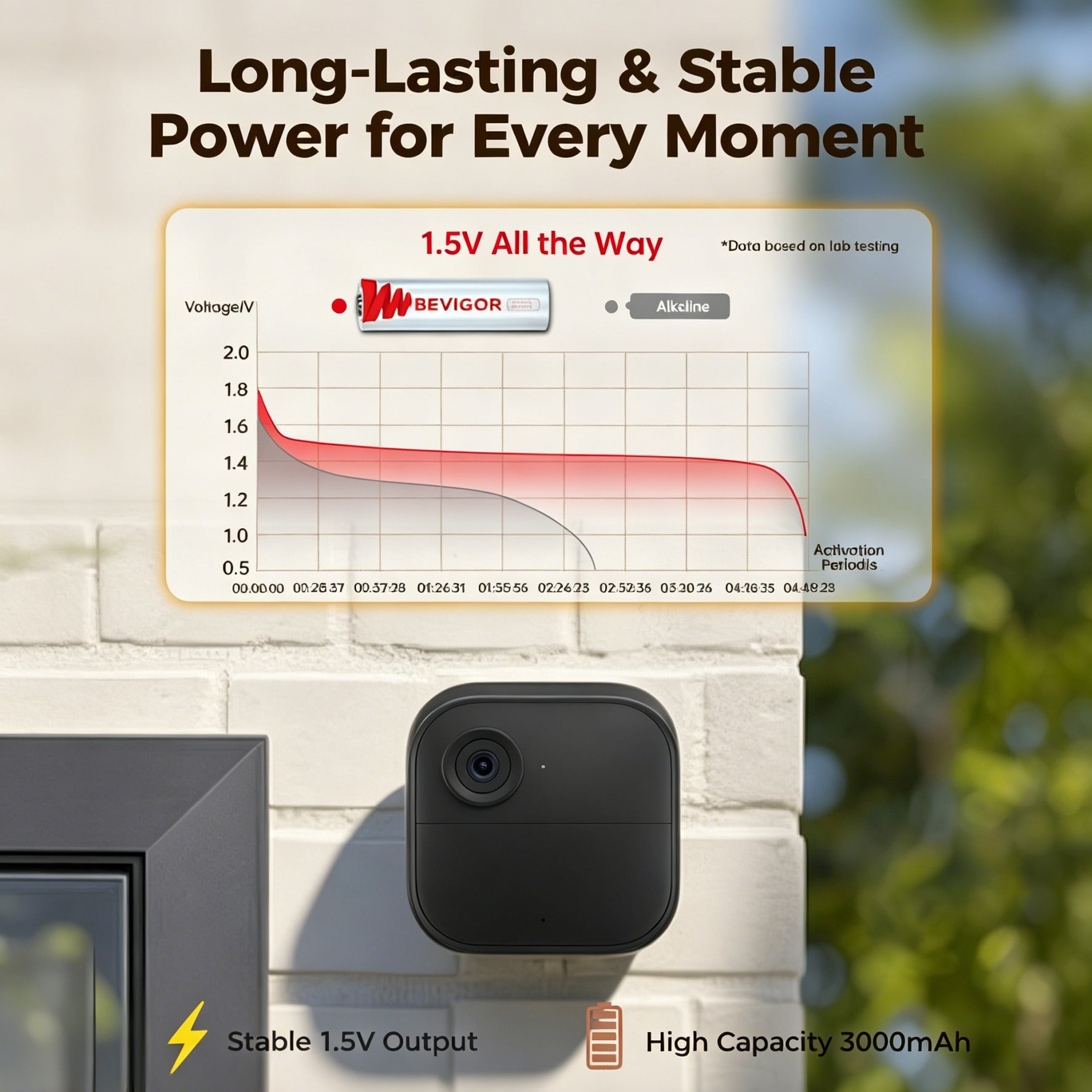
Blink cameras are sensitive to voltage. If the input drops below 1.3V, the camera hardware often triggers a "low battery" warning or shuts down the Wi-Fi radio entirely.
Lithium provides a flat discharge. This means the battery stays at nearly 1.5V until it is almost completely exhausted. Alkaline batteries have a sloped discharge curve. They start at 1.5V but drop to 1.2V very quickly. In the cold, this drop happens even faster. Your camera might show as "Offline" even if the battery still has chemical energy left inside it.
The camera needs power for several tasks. These include Infrared (IR) Night Vision, Wi-Fi Data Transmission, Motion Sensor Polling, and Audio Processing. Each of these components draws significant current. A weak battery will cause the system to crash during a recording event. This leaves you with a "clip failed" message instead of a clear video of an intruder.
Can You Use Rechargeable Batteries In The Winter?
Standard NiMH rechargeable batteries are poor performers in the cold. Most NiMH cells, including famous brands like Sony or Samsung, output only 1.2V at full charge, which is already too low for consistent Blink operation.
There are specialized 1.5V lithium rechargeables. These utilize an internal buck converter to maintain a steady 1.5V output regardless of the cell's internal state. However, for maximum reliability in sub-zero weather, the non-rechargeable battery for Blink camera remains the safest bet. Primary lithium cells have a much lower self-discharge rate, meaning they won't lose power while just sitting in the cold.
How Does Cold Weather Affect Your Wi-Fi Connection?
Frost can degrade signal strength. When the camera casing is covered in ice, the 2.4GHz radio waves have a harder time penetrating the frozen barrier to reach your router.
A struggling radio uses more power. If your battery for Blink camera is already weakened by the cold, the extra effort to maintain a connection will drain it instantly. You should ensure your Sync Module 2 is placed as close to the outdoor cameras as possible. This minimizes the "on-air" time for each video upload.
Check your router settings too. Modern systems like Wi-Fi 6, Mesh Wi-Fi, and Dual-Band Gateways can sometimes struggle with outdoor penetration. Keeping the signal path clear is just as important as having a fresh set of batteries.
Are There Any Maintenance Tips For Winter Security?
Yes, physical protection can help. While the batteries handle the cold, keeping the camera body out of direct wind can prevent the temperature from dropping even further.
Install cameras under the eaves. This protects the lens from snow and keeps the unit slightly warmer than the open air. You can also use black silicone skins. Darker colors absorb heat from the sun during the day. This provides a tiny thermal boost to the internal chemistry of your battery for Blink camera. Every degree counts when the blizzard arrives.
I always wipe the lenses weekly. Salt spray from roads can build up on the casing. This residue can corrode the battery compartment seals over time. A quick clean ensures the unit remains airtight.
What Makes Bevigor The Right Choice For Your Home?
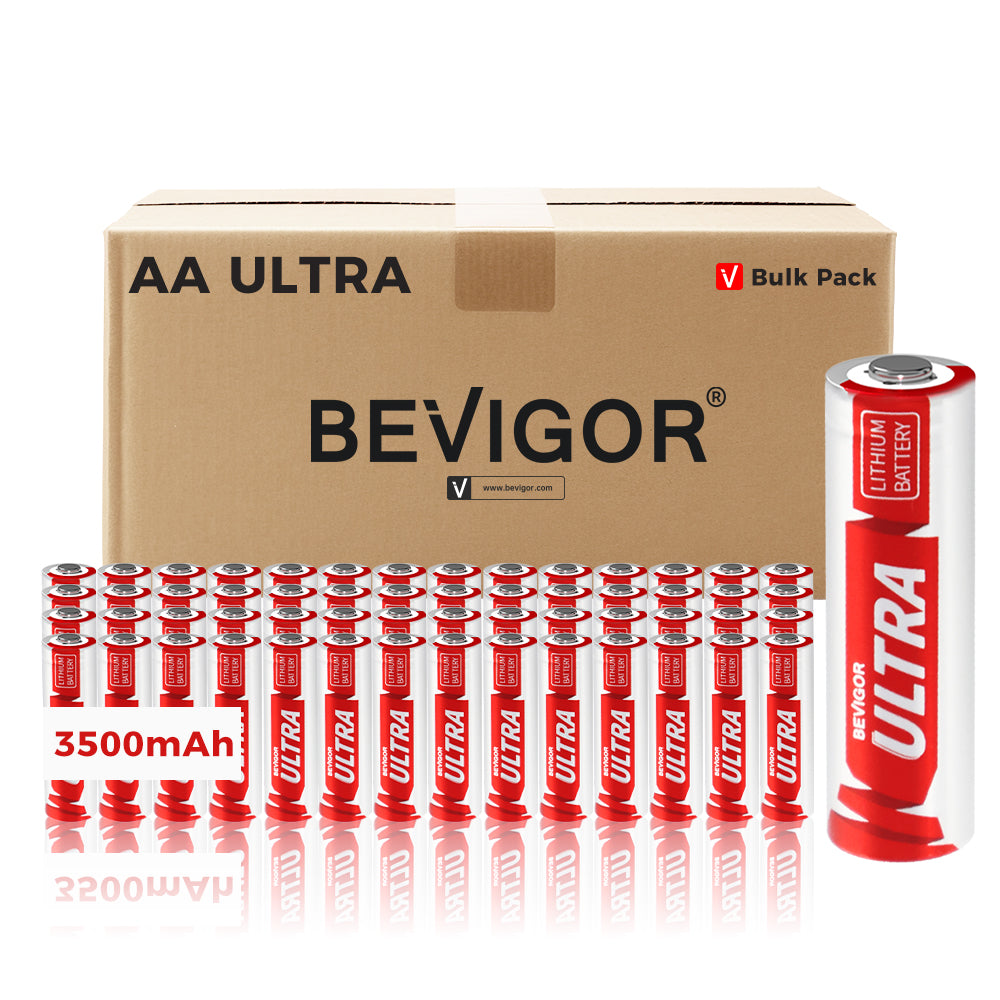
Bevigor specializes in high-density energy solutions. We understand that your home security is only as strong as its weakest link, which is often the power source. Our lithium batteries are engineered to meet the exact voltage and current demands of modern wireless cameras. We focus on providing reliable power that lasts through the longest nights and the coldest winters.
Explore our latest collection of high-performance lithium cells today. Protect your family with energy that never quits, regardless of the weather. Visit our store to find the perfect power match for your security needs.
Frequently Asked Questions
How long do batteries last in Blink cameras during winter?
Lithium batteries usually last 1-2 years, but extreme cold and high motion triggers can reduce this to 6 months.
Why does my Blink camera drain batteries so fast in the cold?
Low temperatures increase internal resistance and force the Wi-Fi radio to work harder, significantly increasing the power draw.
Can I use any brand of lithium battery?
Blink officially recommends 1.5V AA lithium batteries. High-quality brands like Bevigor or Energizer are the most reliable options.
What temperature is too cold for Blink?
Blink Outdoor cameras are rated down to -4°F, but lithium batteries allow them to function even lower, near -40°F.
Will alkaline batteries leak in my camera?
Yes, alkaline batteries are prone to leaking and corrosion, especially after being stressed by extreme temperature changes and high-current demands.
Is it better to use a power adapter in winter?
A weather-resistant power adapter is great if a plug is nearby, but it removes the "wire-free" convenience of the system.



Share:
Join Bevigor at the AAA 2026 Annual Convention
What Makes Hearing Aid Batteries Different From "Regular" Batteries