

Choosing the right AA battery can be confusing. With so many options available—NiMH rechargeable, alkaline, lithium—most users aren’t sure which one is best for their devices. This guide focuses on the two most commonly compared, performance-focused types: NiMH rechargeable AA batteries and Lithium AA (non-rechargeable) batteries. Each offers distinct advantages depending on usage, device power needs, and long-term cost considerations.
This article breaks down the differences in a clear, practical way so you can choose the best option for your home devices, outdoor gear, or emergency equipment.
What Are NiMH Batteries?
NiMH (Nickel-Metal Hydride) batteries are rechargeable AA batteries widely used in household devices. They typically operate at about 1.2V and can be recharged hundreds of times, making them cost-effective for frequent use. They are ideal for users who prefer an environmentally friendly option and want to reduce long-term battery expenses.
Key characteristics:
- Rechargeable, often up to hundreds or thousands of cycles
- Stable 1.2V output suitable for many common devices
- Higher self-discharge unless using Low-Self-Discharge (LSD) versions
- Best for frequently used, low-to-medium drain devices
What Are Lithium AA/AAA Batteries?
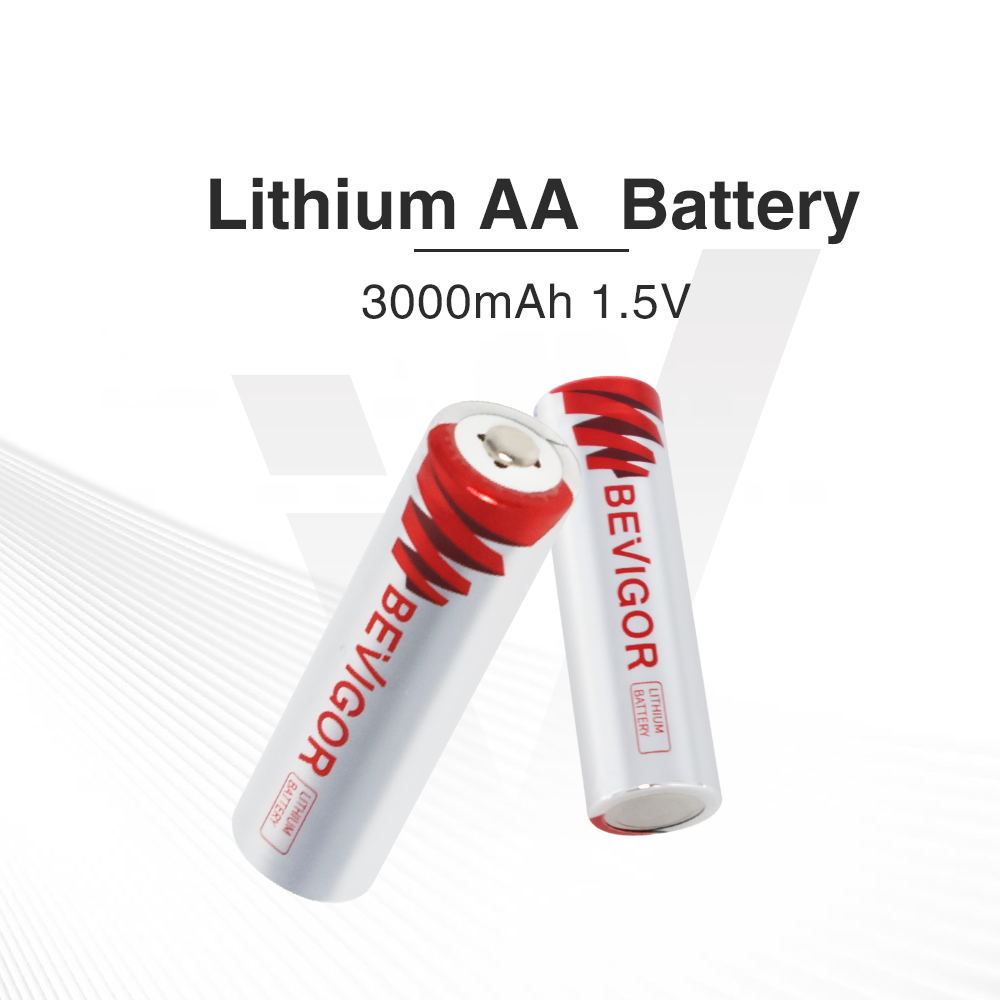
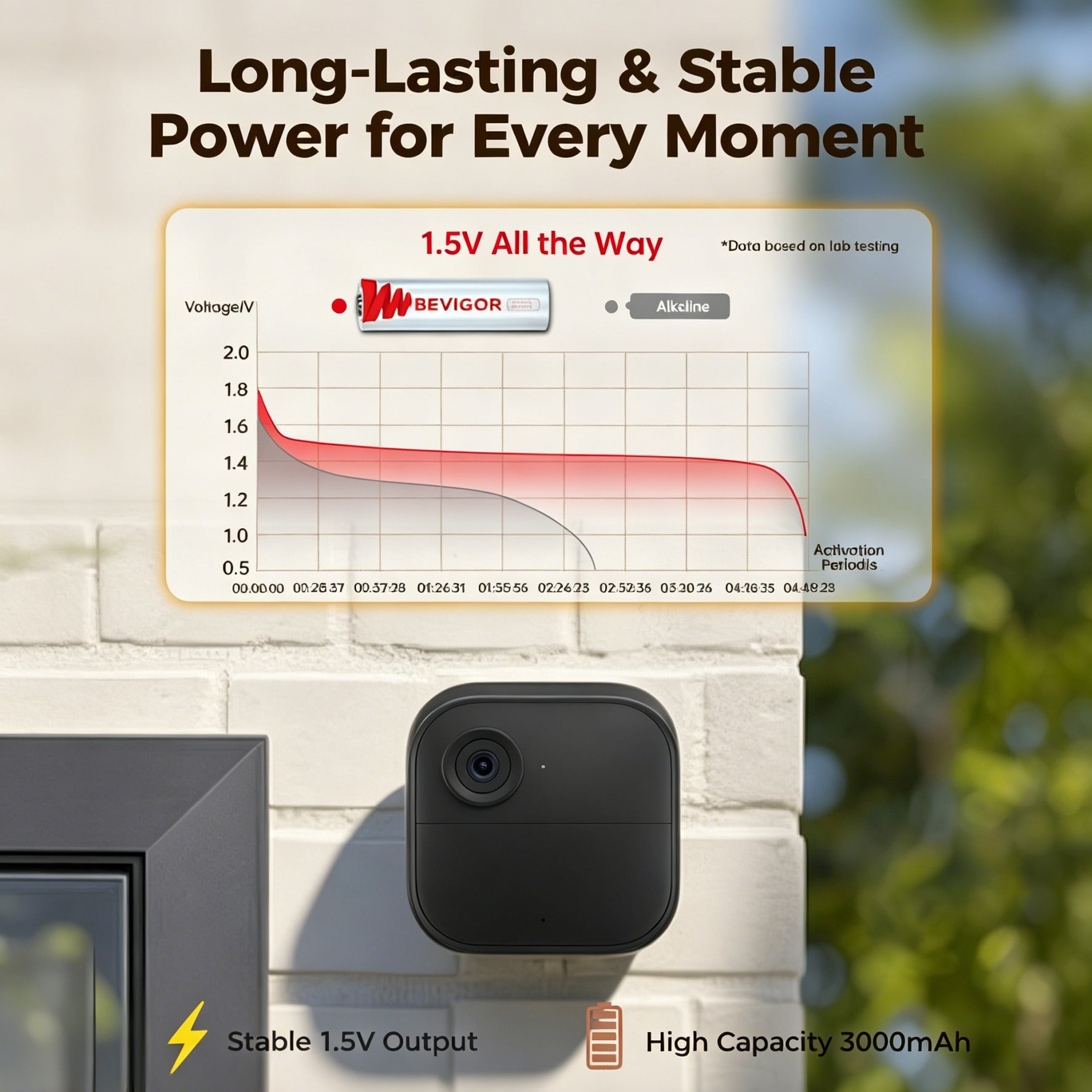
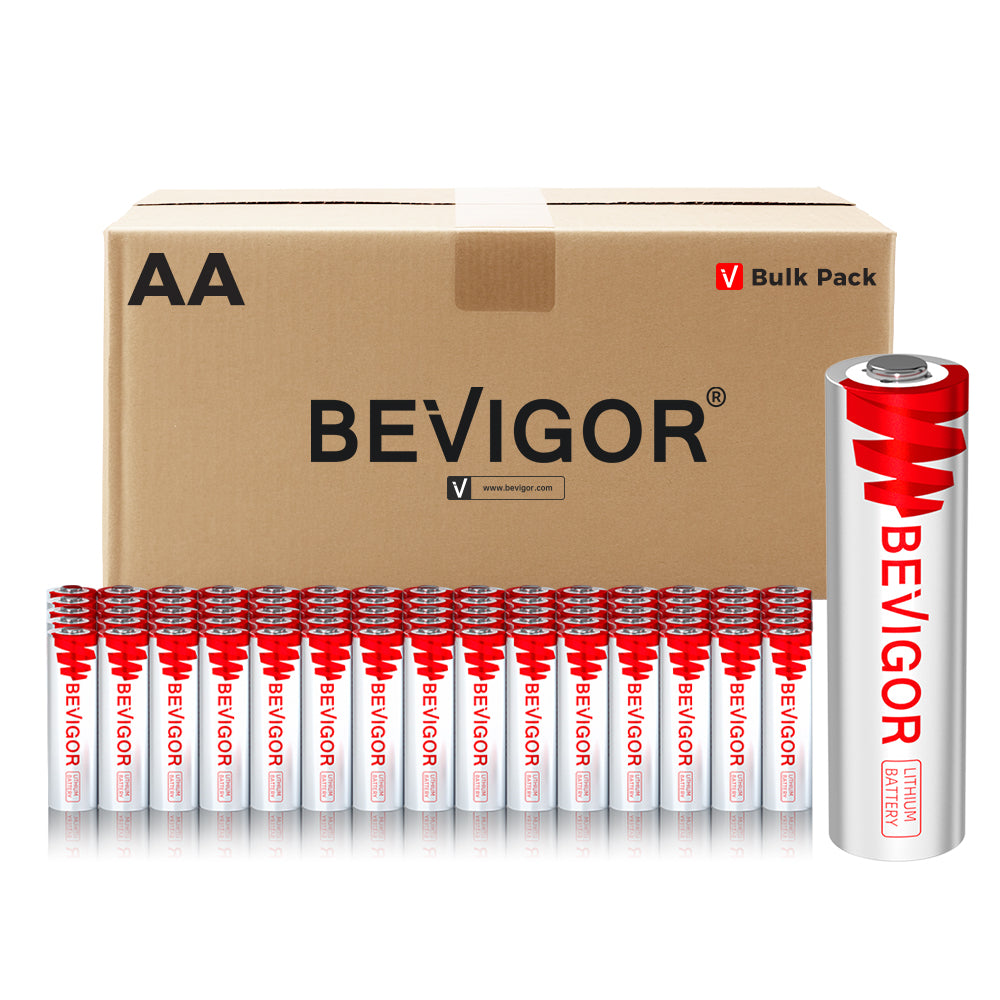
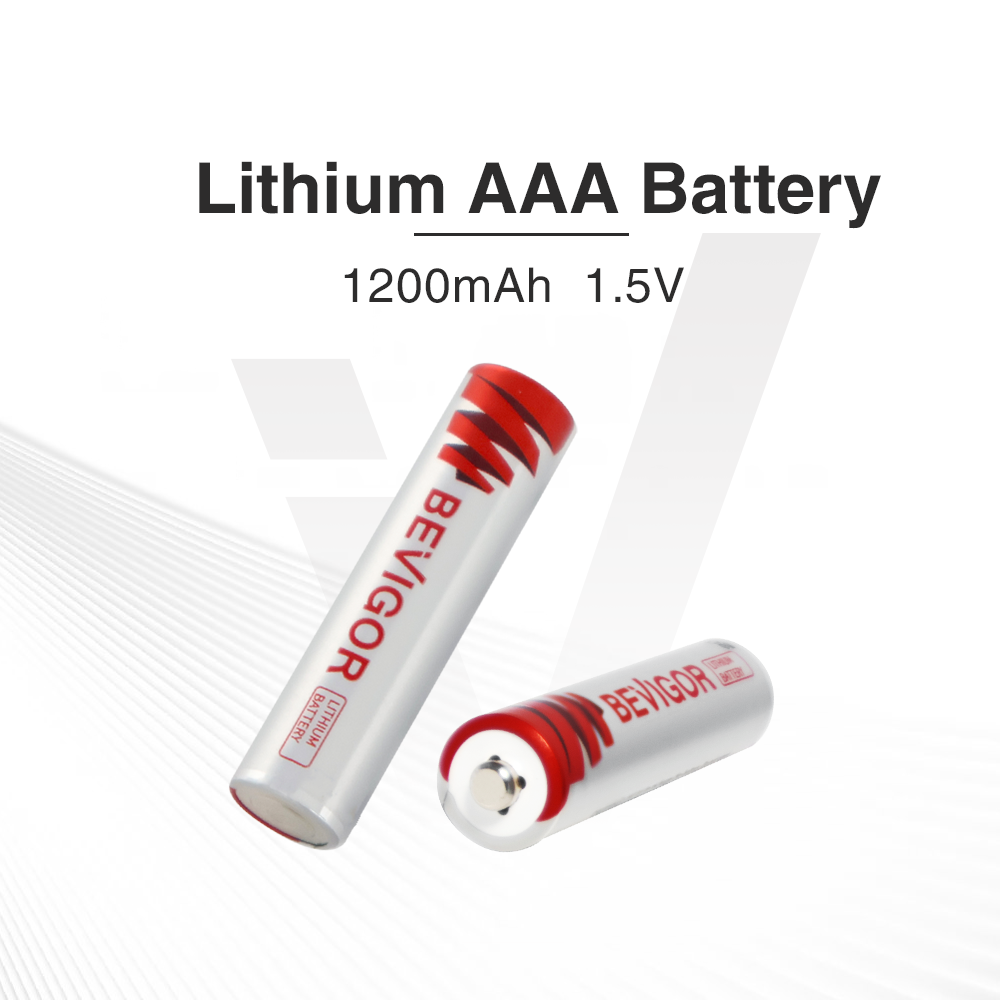
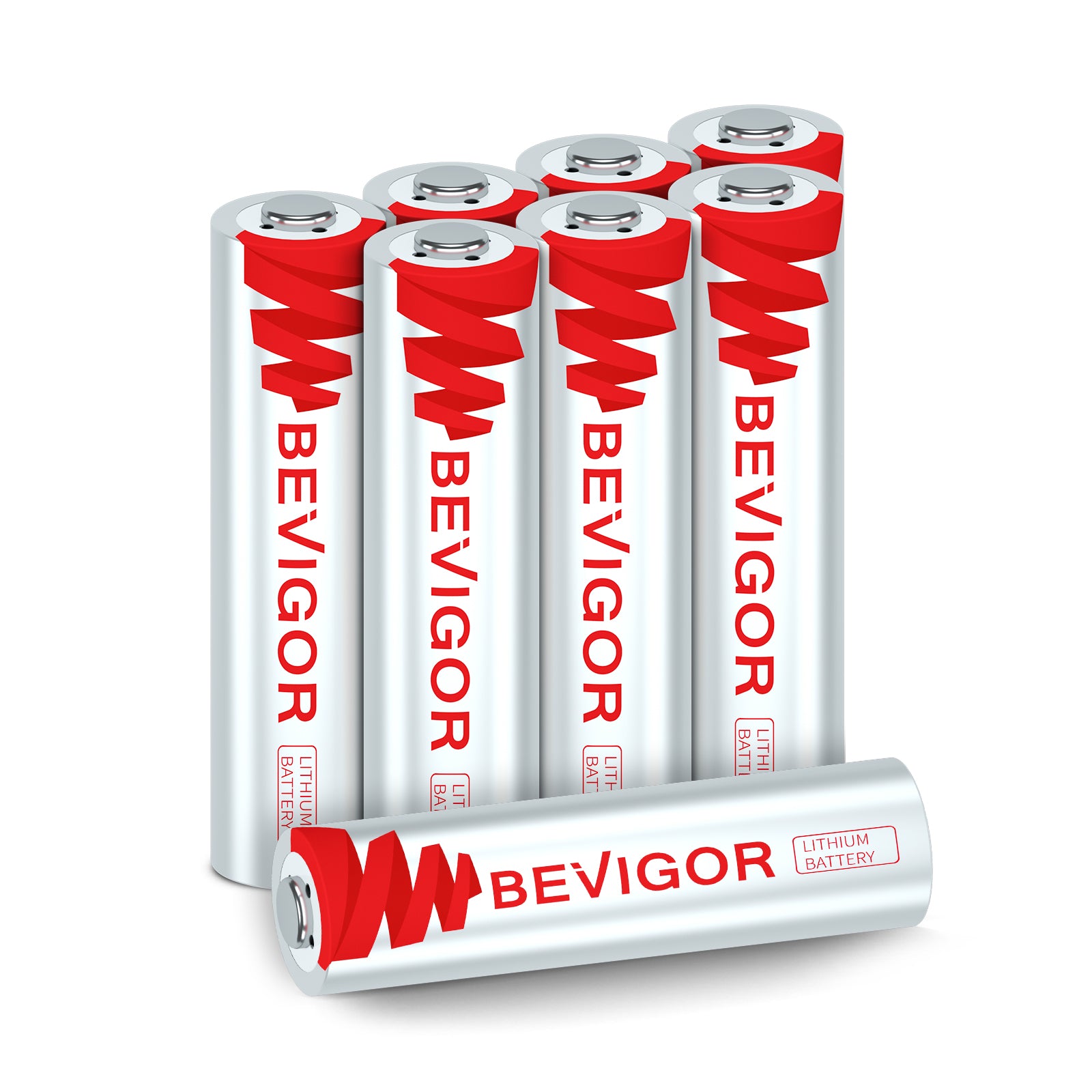
Lithium AA batteries or lithium AAA batteries are high-performance, non-rechargeable batteries. Unlike NiMH, these deliver a nominal 1.5V and offer excellent performance in high-drain or long-duration devices.
Key characteristics:
- Non-rechargeable primary lithium battery
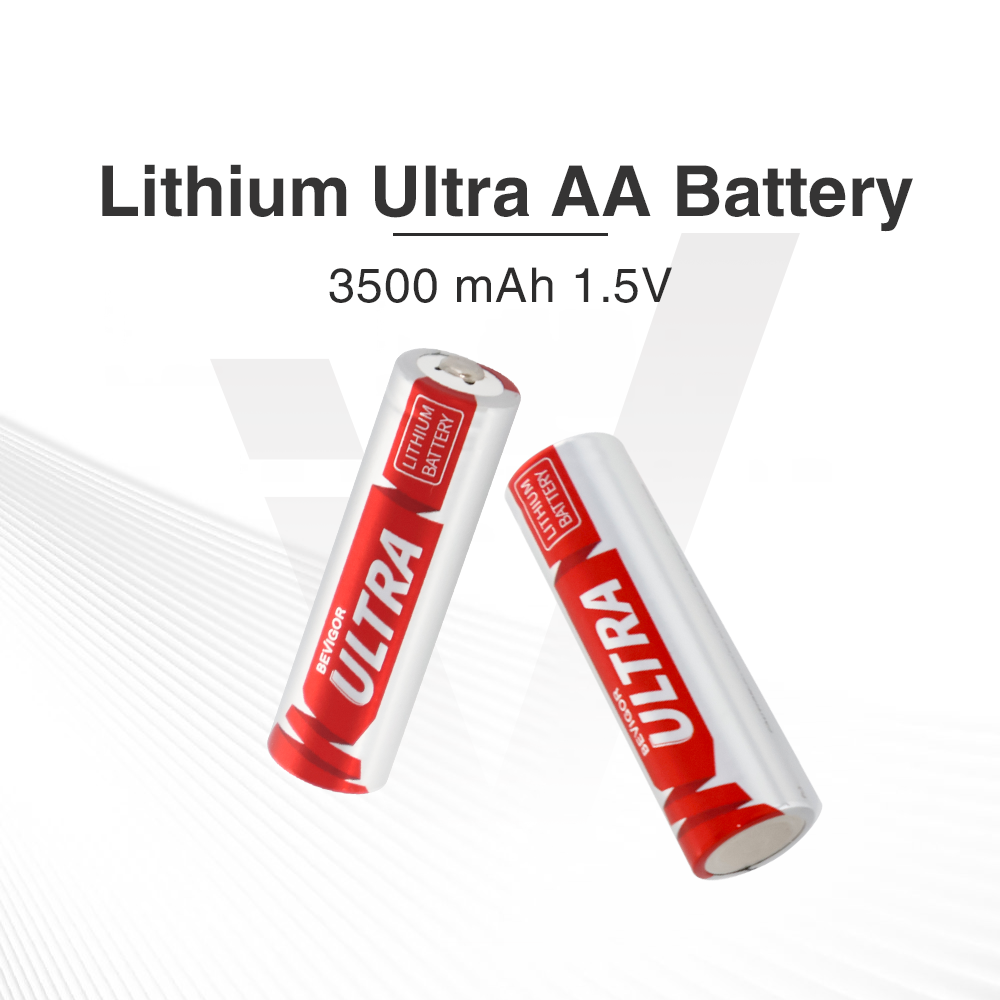
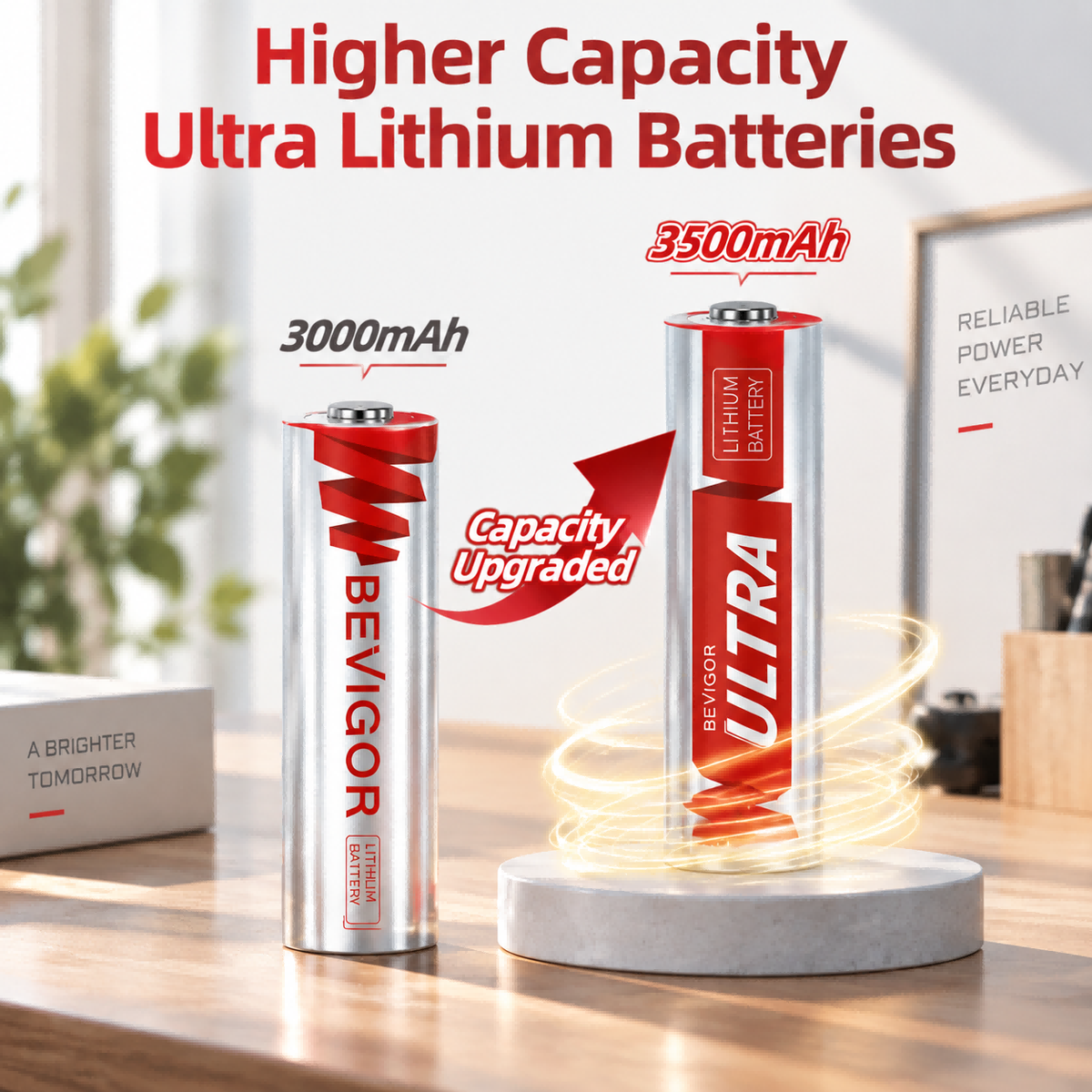
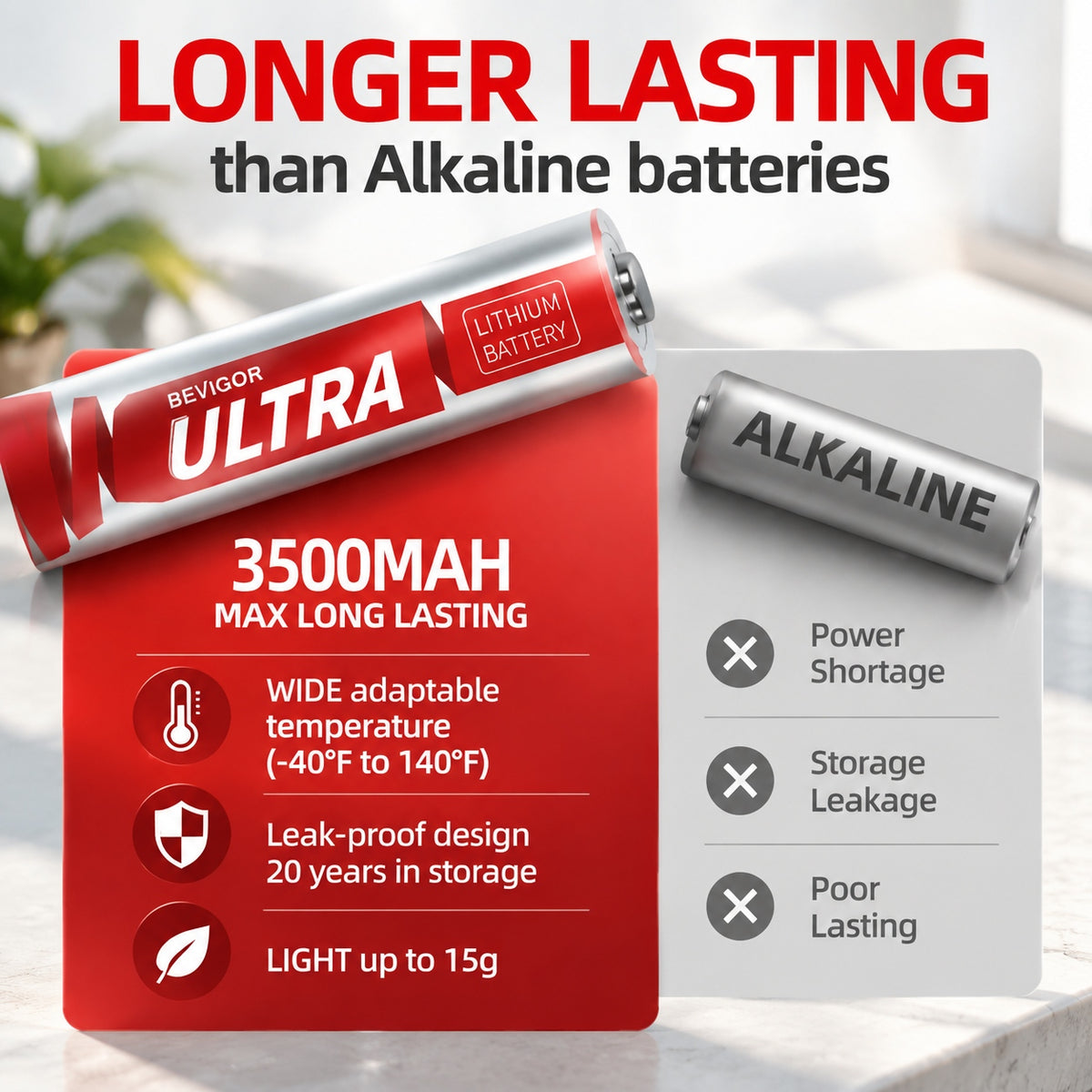
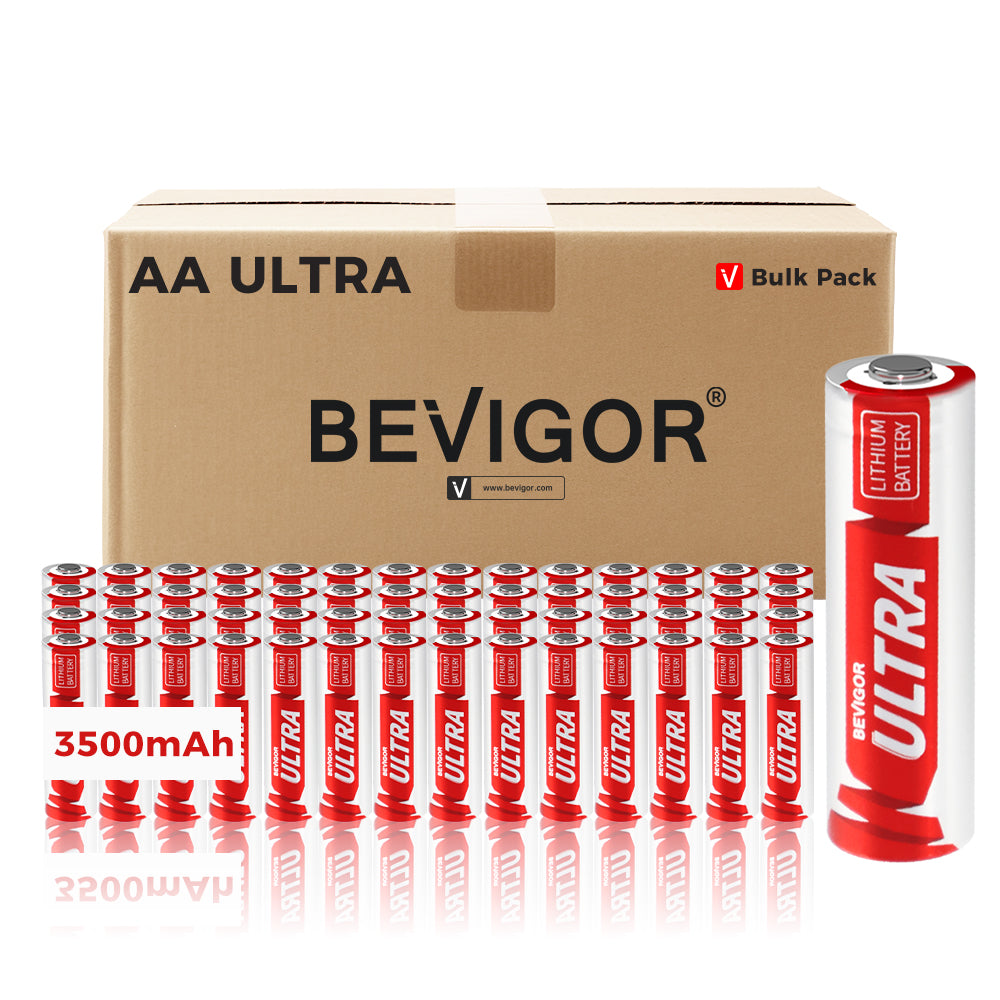
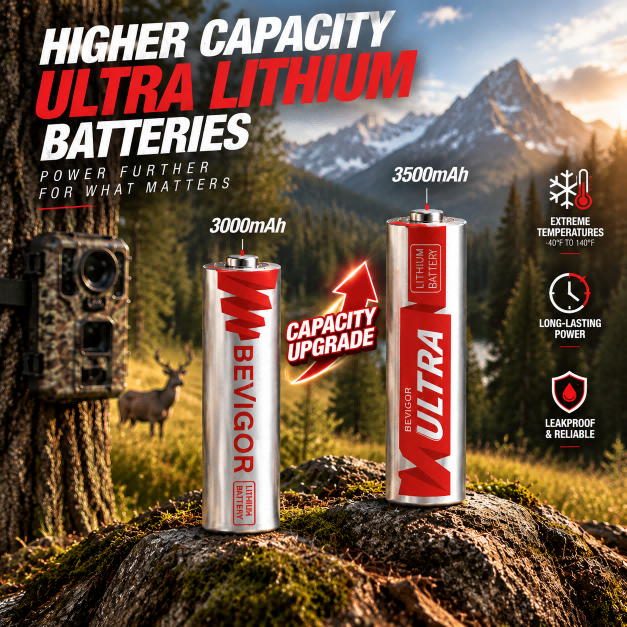
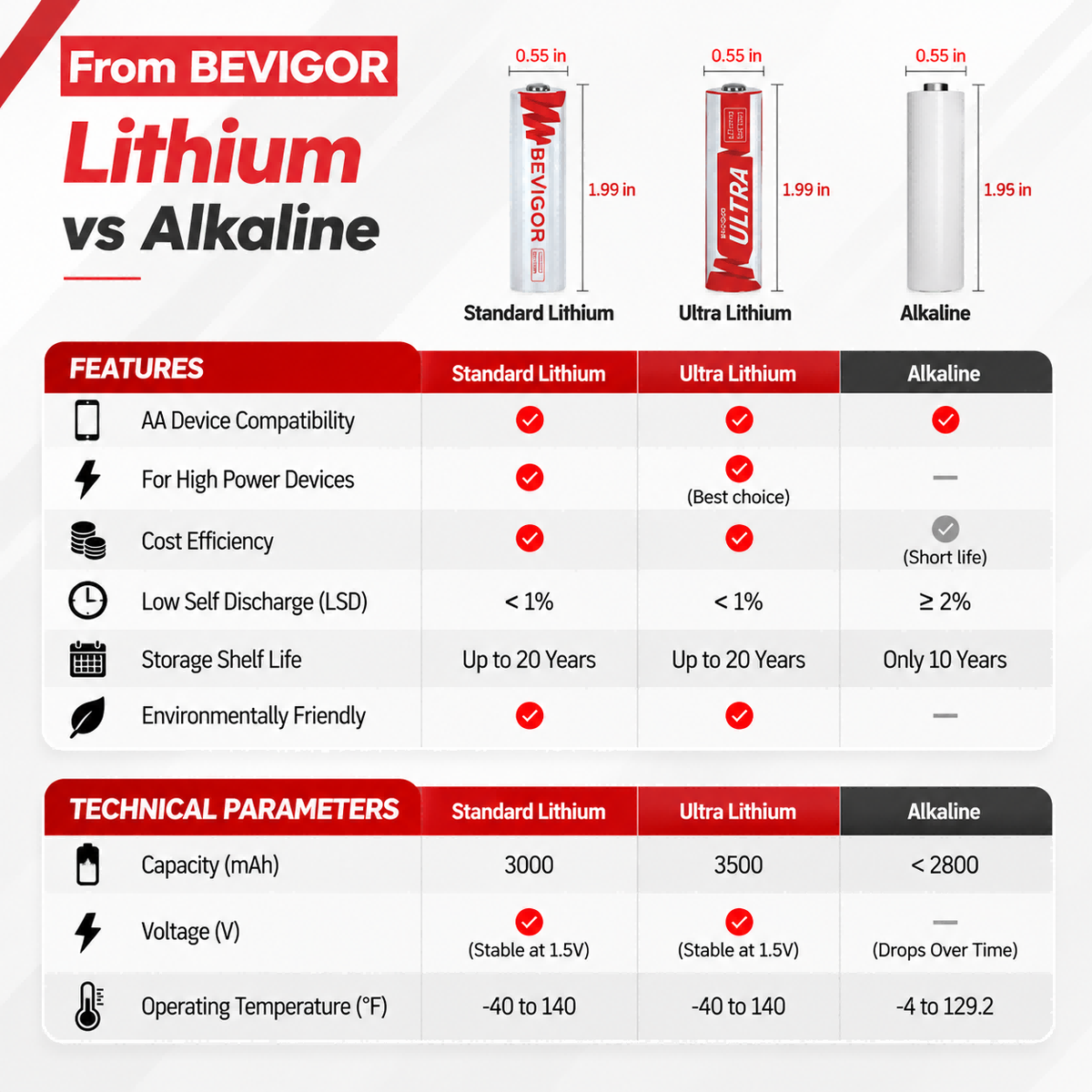
- High energy density and strong output stability, up to 3500mAh
- Extremely low self-discharge, excellent for long-term storage
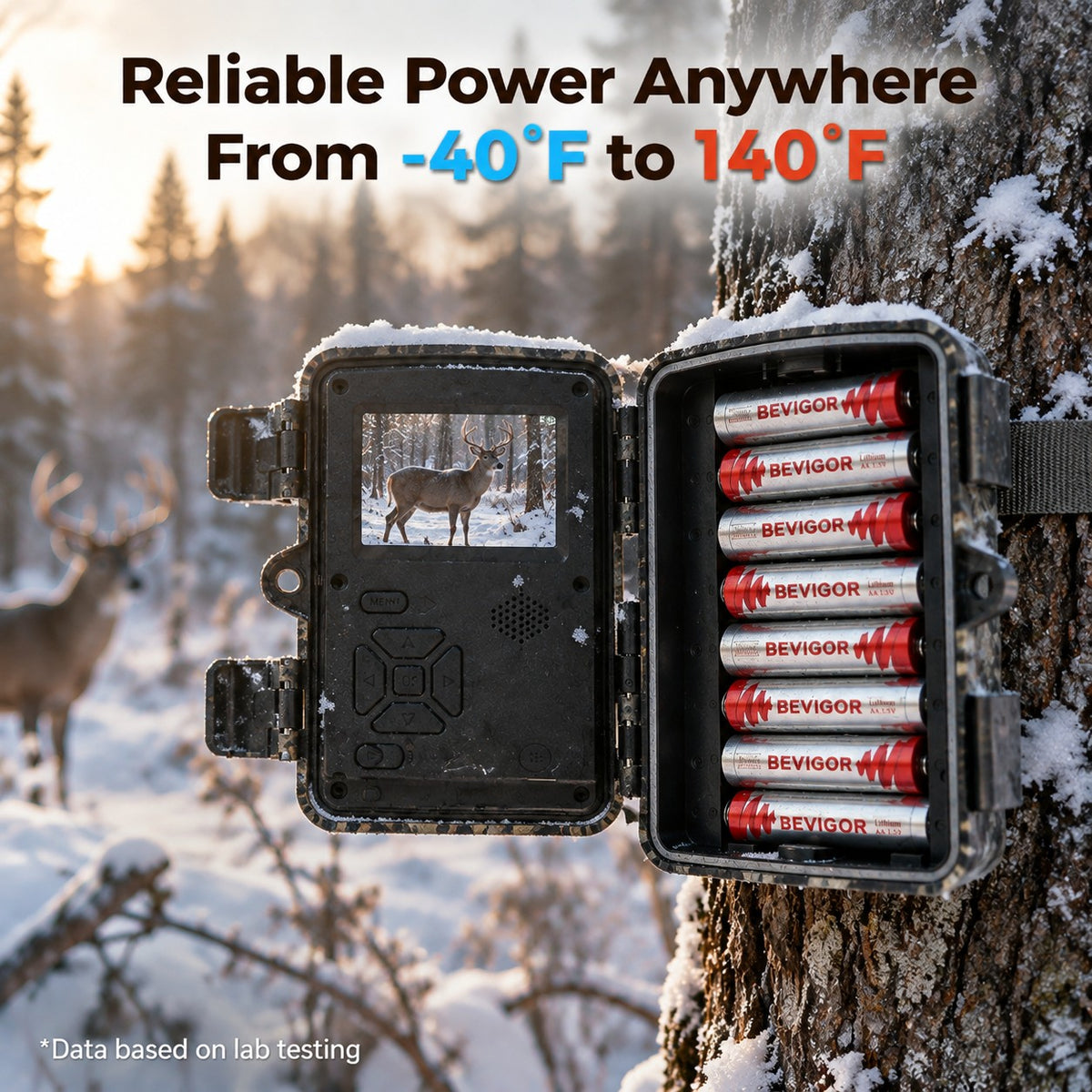
- Performs better in cold, harsh, or outdoor environments
NiMH vs. Lithium AA: Key Differences
Voltage
- NiMH: ~1.2V
- Lithium AA: ~1.5V
Rechargeability
- NiMH: Rechargeable
- Lithium AA: Single-use
Self-Discharge
- NiMH: Higher self-discharge unless using LSD versions
- Lithium AA: Very low self-discharge; ideal for long-term storage
Best Use Cases
- NiMH: Everyday home devices, frequently used electronics
- Lithium AA: High-drain devices, critical gear, long-term backups
Long-Term Cost
- NiMH: Much lower cost per use. A typical NiMH AA battery can be recharged 500–1000 times. Even if one NiMH battery costs about 2.5 NiMH battery is used 500 times:
0.005 per use — less than one cent each time. - Lithium AA: Higher cost per cycle but unmatched reliability
Durability and Convenience
- NiMH: Requires a charger and periodic recharging
- Lithium AA: Zero maintenance, ready anytime
Application Recommendations
Everyday Home / Low-Drain Devices
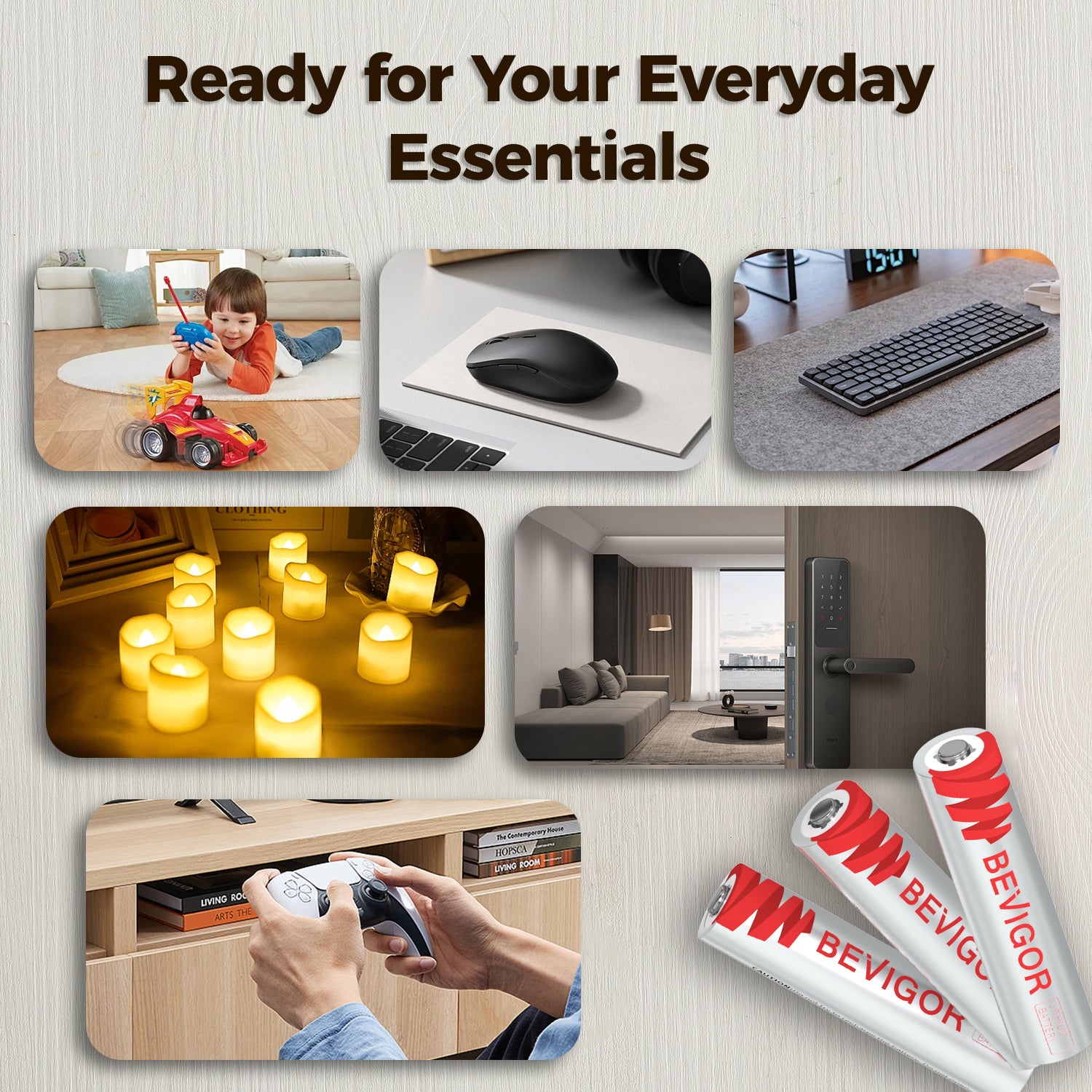
Examples: TV remotes, wireless keyboards, children’s toys, small appliances
Recommendation: NiMH
Rechargeable batteries significantly reduce long-term cost and are ideal for devices that you use repeatedly throughout the week.
High-Drain / High-Power / Continuous-Use Devices
Examples: Blink cameras, smart doorbells, smoke alarms, flashlights, outdoor lighting, trail cameras, security cameras, emergency beacons
Recommendation: Lithium AA
Lithium AA batteries provide stable output and long-lasting performance. They are especially suitable when consistent power is needed for long periods.
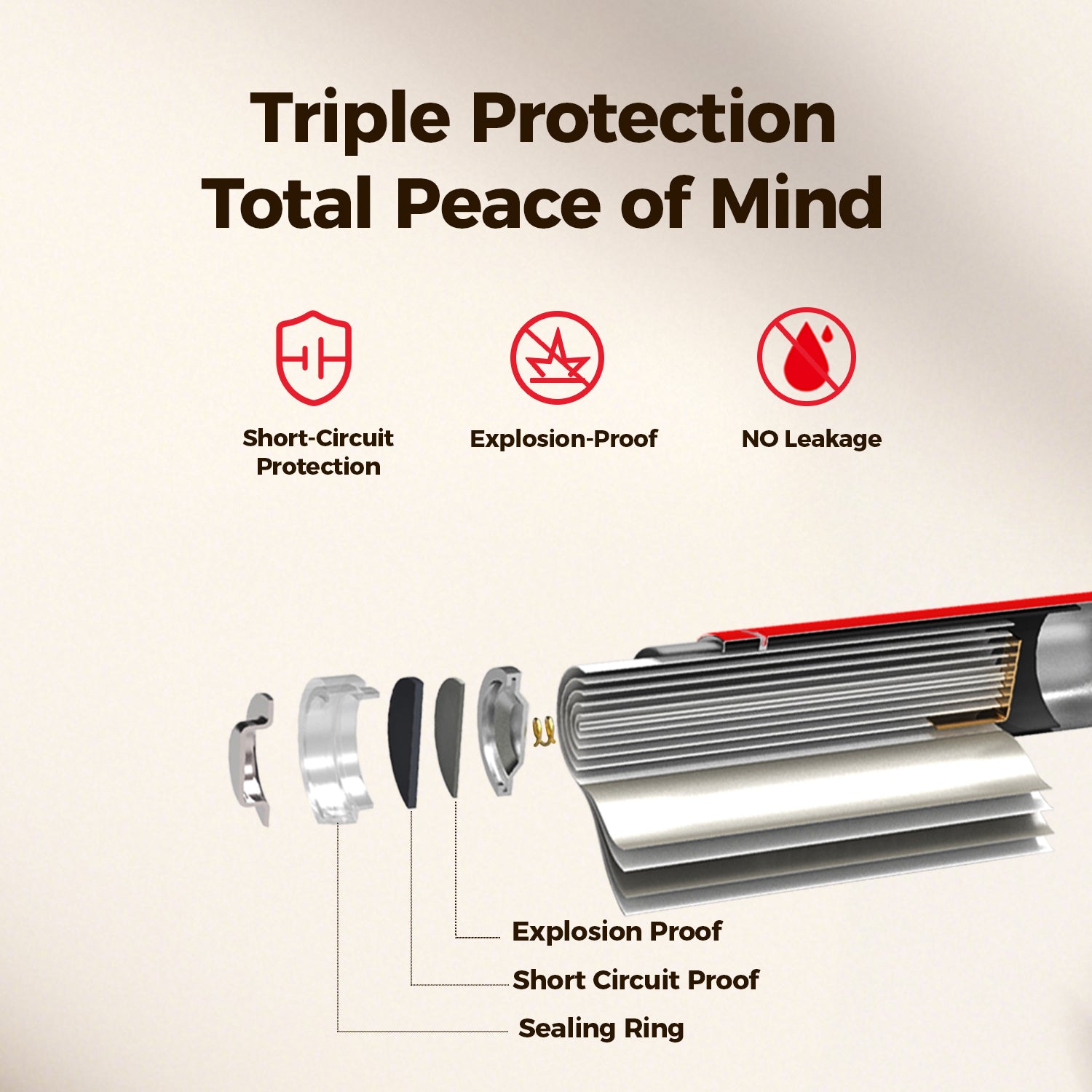
Additionally, because primary lithium AA batteries have excellent safety performance and are highly resistant to leakage—even during long-term storage—they are an ideal choice for critical devices such as emergency lights, disaster-preparedness kits, or equipment used infrequently but must function reliably when needed.
Long-Term Storage / Emergency / Infrequently Used Devices
Recommendation: Lithium AA
Their low self-discharge and high reliability ensure that the battery will still hold power months or years later.
Budget-Friendly or Environmentally Conscious Users
Recommendation: NiMH
Users who want to reduce waste and ongoing battery purchases will benefit from NiMH’s rechargeable nature and low total cost of ownership.
Mixed Household Usage
Many homes benefit from keeping both types:
- NiMH for daily reusable devices
- Lithium AA for high-drain or emergency devices
How to Decide
Before purchasing, consider:
- Device power draw (low vs. high drain)
- How often you use the device
- Whether you want to recharge or prefer zero maintenance
- Whether the device is safety-critical or emergency-based
- Long-term cost vs. convenience
Conclusion: Which Battery Should You Choose?
There is no single “best” AA battery—only the best choice for your specific needs.
Choose NiMH AA rechargeable batteries if:
- You use the device often
- You want to lower long-term costs
- Your device supports rechargeable batteries
Choose Lithium AA batteries if:
- You need maximum reliability
- Your device is high-drain or used outdoors
- You need long-term storage without leakage risks
- You want a battery that works immediately with no maintenance
Both battery types serve important purposes, and many users will benefit from having both available at home. If you’re ready to explore high-performance AA options, you can review NiMH rechargeable and Lithium AA batteries at our store and choose the one that best fits your devices.



Share:
Why B2B Distributors Prioritize the Bevigor Battery for High-Performance Needs
Are Lithium AA Batteries Good for Camping?