

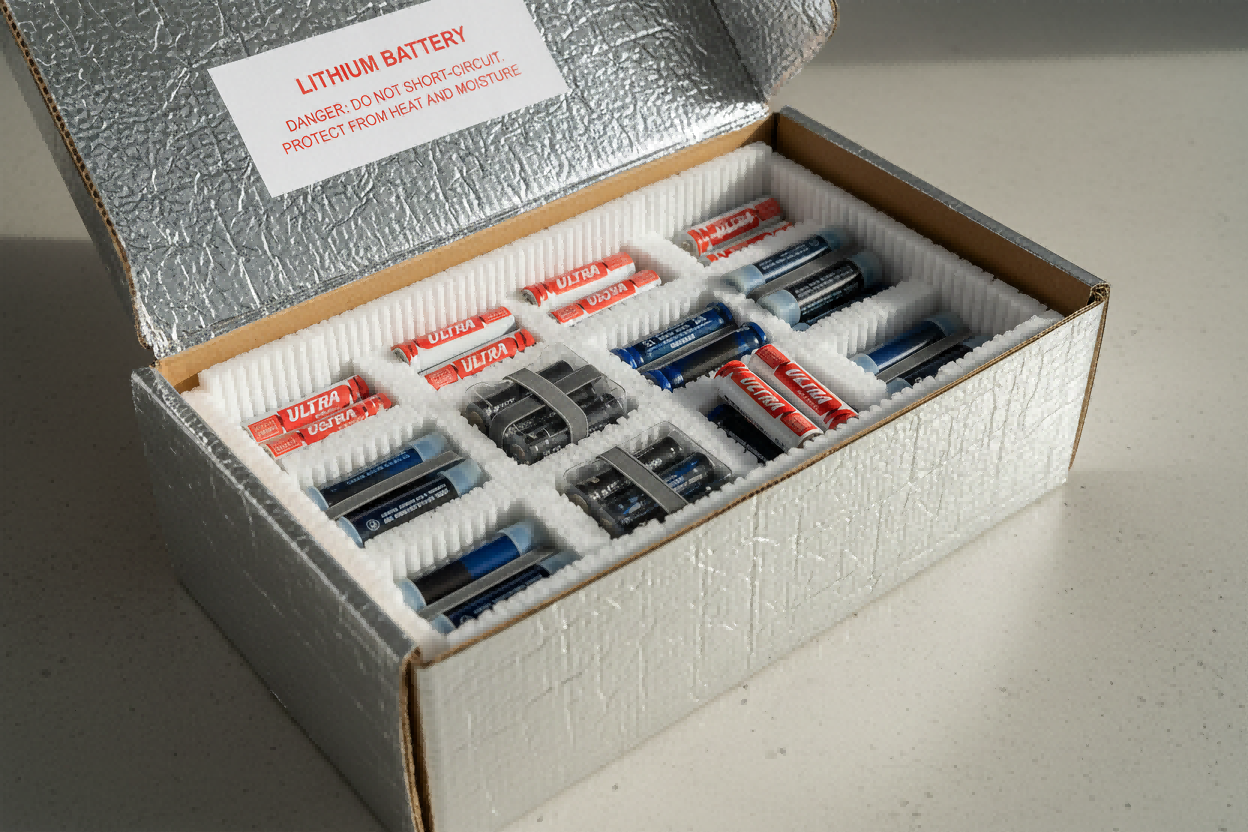
Most people view their electronics as safe and harmless, yet every lithium battery contains a significant amount of chemical energy. Lithium AA and AAA batteries are found in many flashlights and home security devices. Understanding how to handle them safely and prevent overheating or fires is essential for everyone—not just engineers.
During a winter trip, my power bank stopped working due to the cold. I tried warming it in my sleeping bag, but soon noticed a strong chemical odor. This experience made me rethink how I manage batteries in tough conditions. Although lithium battery fires are rare, they can escalate quickly if they occur.
What Are the Lithium Battery Primary Red Flags and Warning Signs
To protect your home and outdoor setups, it's important to spot early warning signs before a battery fails. The U.S. Fire Administration (USFA) offers a handy checklist of red flags: unusual smells, unexpected color changes, excessive heat, changes in shape, leaking fluids, or strange noises. If you notice any of these signs, stop using the battery immediately.
The USFA also advises storing lithium-ion batteries at room temperature and never charging them below 32°F (0°C) or above 105°F (40°C). For more safety tips, the National Fire Protection Association (NFPA) provides a downloadable guide to help reduce household hazards.

What Are Lithium Battery Cold Exposure and Rapid Thawing Protocols
A common winter question is whether a frozen lithium battery can catch fire if it thaws rapidly. Thawing itself is usually not the issue. The main dangers come from charging a cold battery, using direct heat to warm it, or attempting to charge a battery already damaged by the cold.
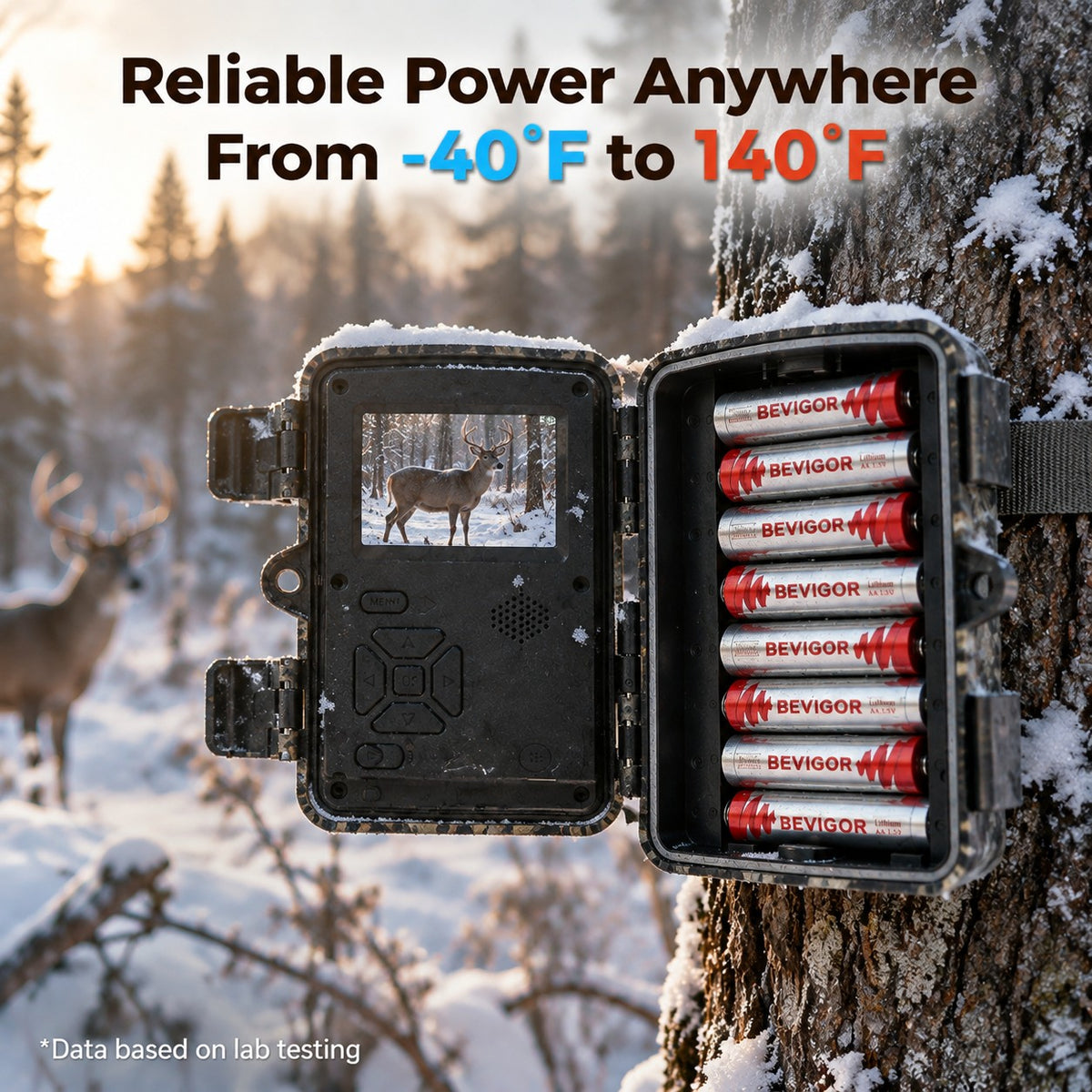
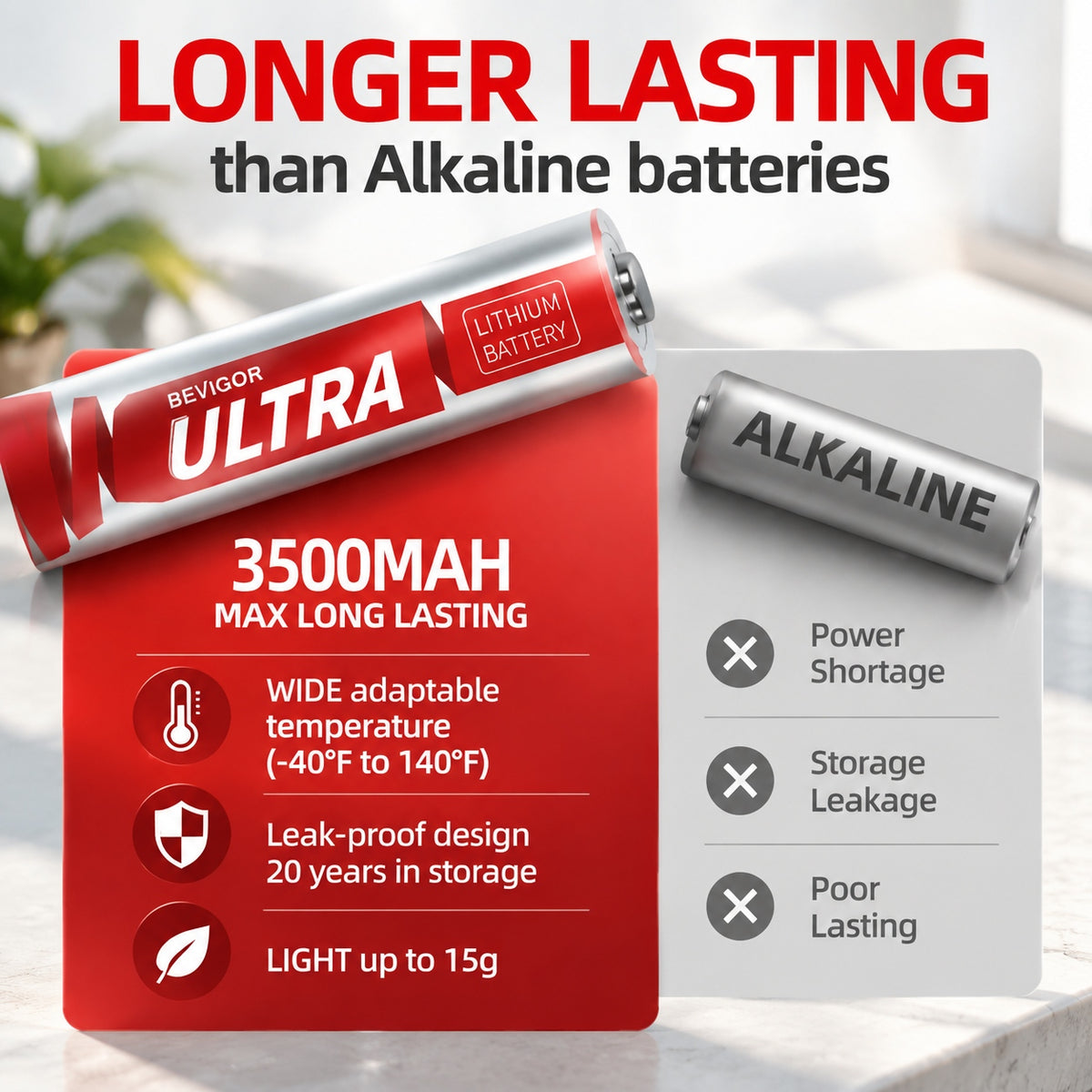
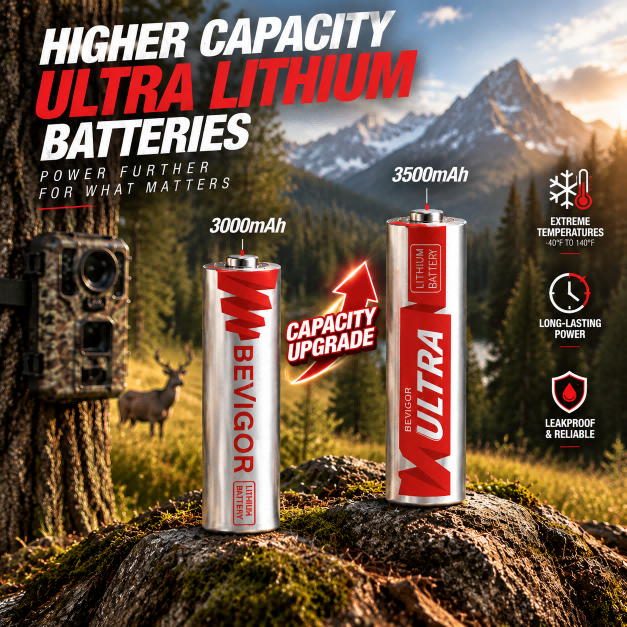
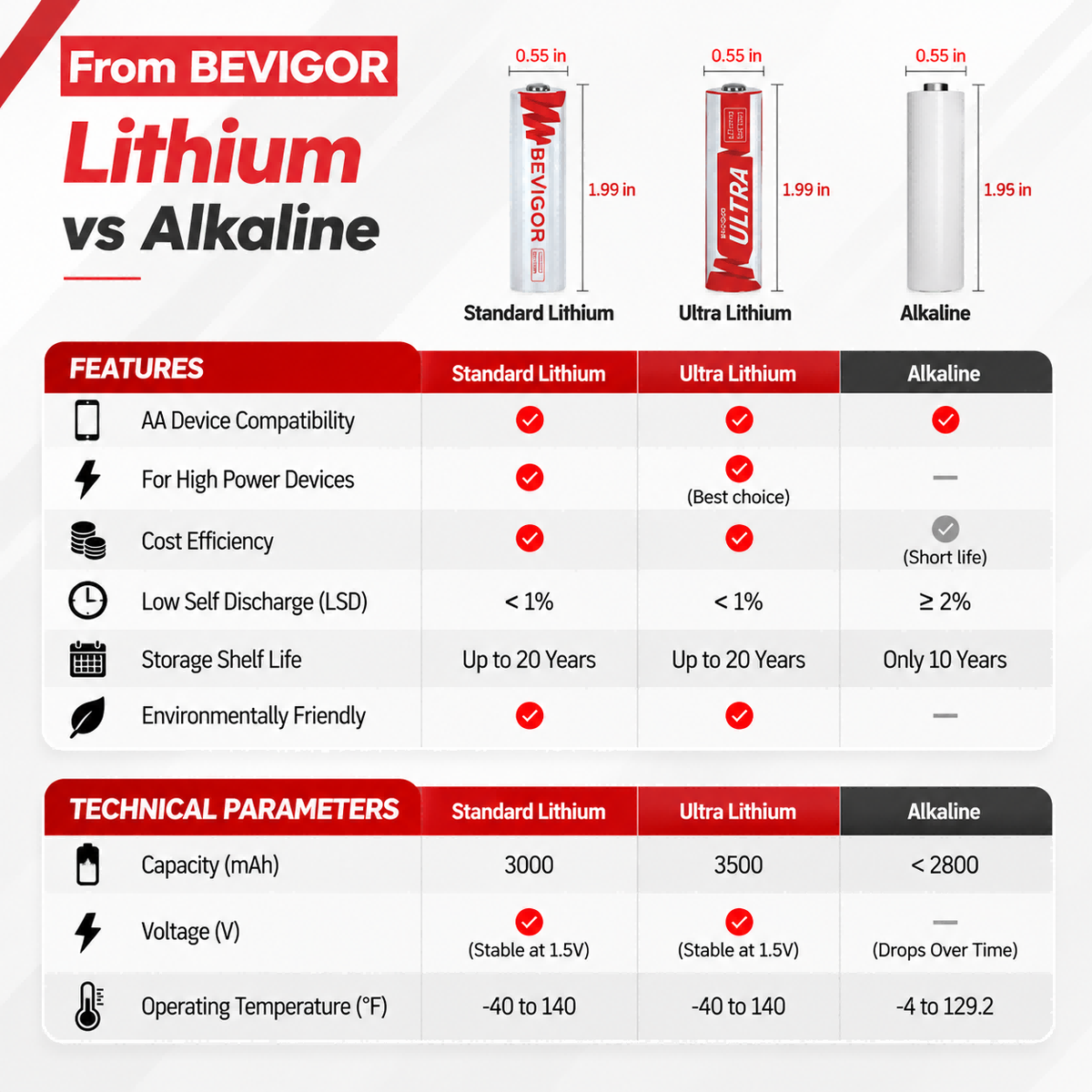
Bevigor's tests and user feedback show their lithium batteries can operate at -40°F. However, always use caution with batteries exposed to freezing temperatures. The safest approach is to let the battery gradually warm up to room temperature before use.
- Inspect it thoroughly for swelling, cracks, leaking, or any unusual odor.
- Charge the cell only within the manufacturer's recommended temperature range.
Emergency Field Suppression in Confined Spaces
If a lithium battery catches fire in a tent or other confined space, your top priority is safety. Don't try to save your equipment or dismantle the shelter—leave the area immediately.
- Get out fast: Leave the tent immediately, as burning nylon and battery chemicals create toxic smoke.
- Create distance: Establish a safe distance from smoke and flames to protect yourself from unexpected ruptures.
- Call 911: Contact emergency services as soon as you can.
If you are outdoors and the fire is small, only try to put it out if you have the right tools, a clear exit, and can do so without breathing smoke. If not, stay away.
How to Manage Risks in Smart Home Hardware
At home, battery risks may not be obvious. While it's rare for a lithium battery in smart appliances like a smart lock to catch fire during normal use, problems can arise if the battery is damaged, installed incorrectly, or overheats. You can reduce these risks by following a few simple steps:
- Replace batteries systematically before they ever leak or corrode.
- Don't mix old and new cells together in a single device.
- Don't store loose spares where terminals can come into contact with metal objects, such as keys or coins.
How to Establish a Proactive Home Storage Systems
Create a simple home battery storage system to help prevent fires. Proper storage is straightforward and keeps your home safer.
- Keep your spares inside their original packaging or individual bags to keep them isolated.
- Tape terminals for loose spares using non-conductive tape.
- Store your entire collection in a cool, dry area completely away from flammables.
- Don't keep damaged or swollen batteries around the house "just in case" they might work.
By following these simple steps, you'll keep your batteries safe and better protect your electronics and home.



Share:
How to Find Legal Framework for Shipping Bulk Lithium Batteries Domestically
Differences Between Lithium Metal Batteries and Lithium‑ion Batteries