

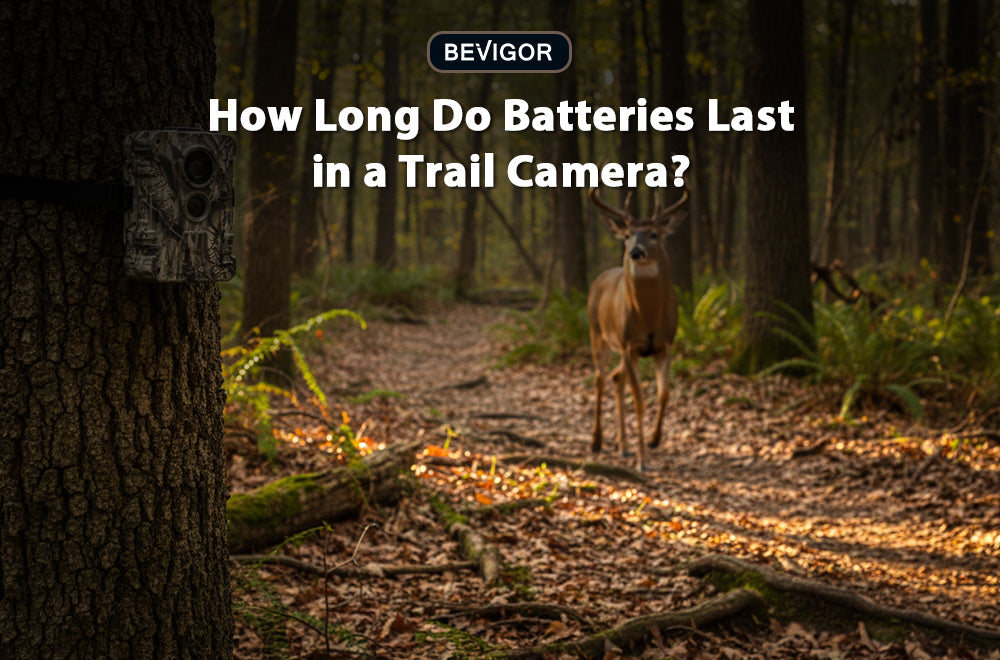
When setting up a trail camera, a common concern is: How long will the batteries last? This question doesn’t have a one-size-fits-all answer, as the lifespan of your trail camera batteries depends on various factors, including battery type, usage, camera settings, and environmental conditions. In this article, we’ll explore these variables and explain why Bevigor Lithium AA Batteries are your best option for reliable, long-lasting performance. We’ll also share tips for extending battery life and selecting the best trail camera batteries to suit your needs.
Factors That Affect Battery Life in Trail Cameras
Battery life in trail cameras is affected by a variety of factors. Understanding these variables will help you optimize performance and get the most out of your camera setup.
-
Camera Usage
The number of photos and videos captured by the camera is one of the most significant factors influencing battery life. When your camera is set to take frequent shots or record video clips, the battery will drain much faster. Additionally, the amount of time the camera remains in "active" mode or waiting for motion also impacts energy consumption. -
Camera Mode
Trail cameras typically offer both photo and video modes. Video mode consumes far more power than photo mode, so if you’re primarily using your camera to capture videos, expect the batteries to drain much faster. Some cameras also have burst modes, where multiple photos are taken in rapid succession, which can also add to power usage. -
Night Vision & Flash
Using infrared (IR) LEDs for night vision or flash features will consume more battery power. While this is necessary for capturing images in low-light conditions, it’s a key contributor to faster battery depletion, especially when used frequently. -
Camera Settings
The camera’s resolution, delay time, and trigger sensitivity all contribute to battery consumption. Higher resolution photos use more power, and settings that trigger the camera more frequently, such as shorter delay times or highly sensitive motion detection, can drain the batteries faster. -
Environmental Conditions
The weather plays a crucial role in battery efficiency. Cold temperatures can significantly reduce battery life, especially for alkaline batteries. Batteries perform better in mild weather conditions but tend to degrade faster in extreme cold or heat. This is particularly important when you're monitoring wildlife during winter months, where cold weather can make other battery types less reliable.
Battery Life Expectations for Different Types of Batteries
Different types of batteries offer varying levels of performance in trail cameras. Let’s take a closer look at what to expect from standard battery options.
1. Standard AA Alkaline Batteries
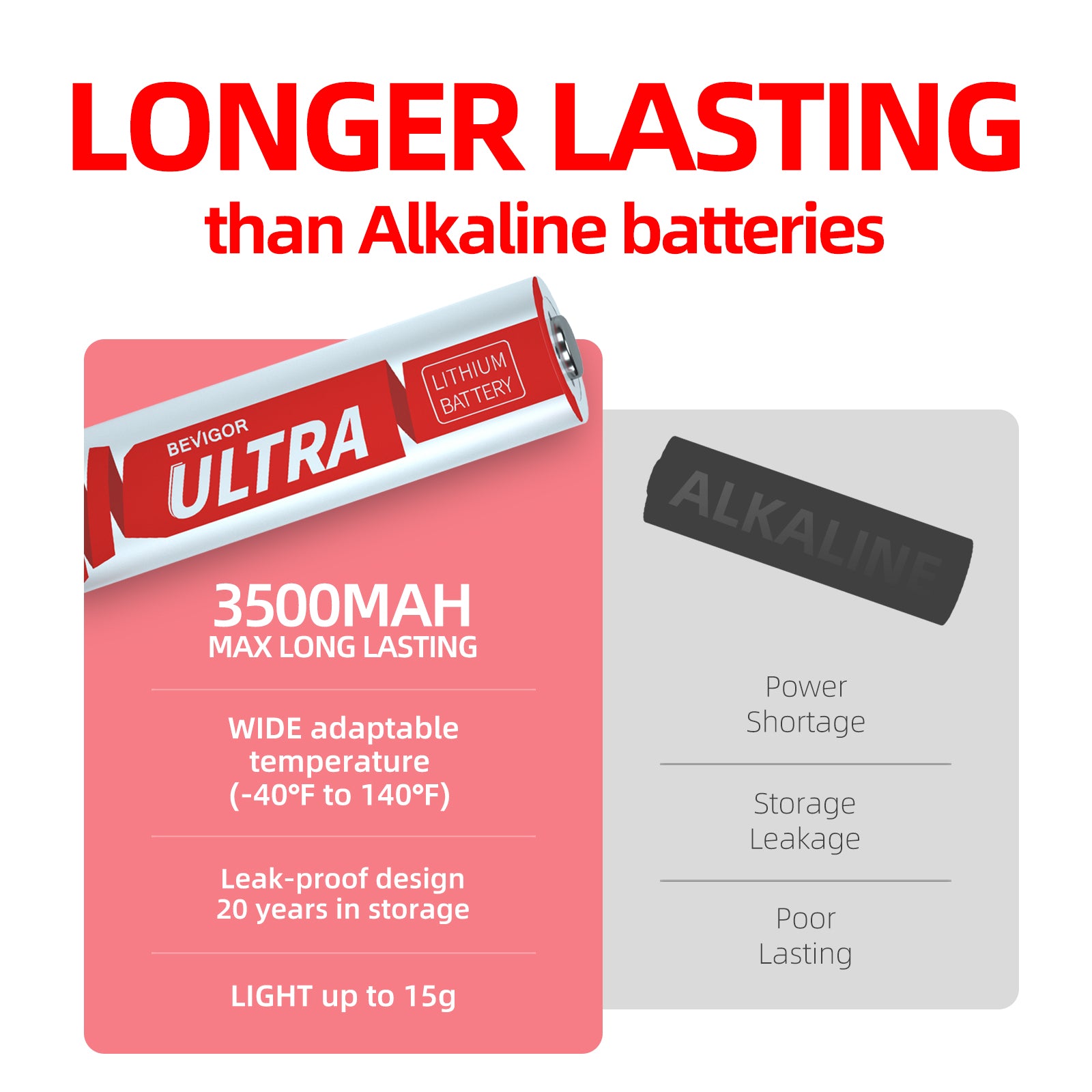
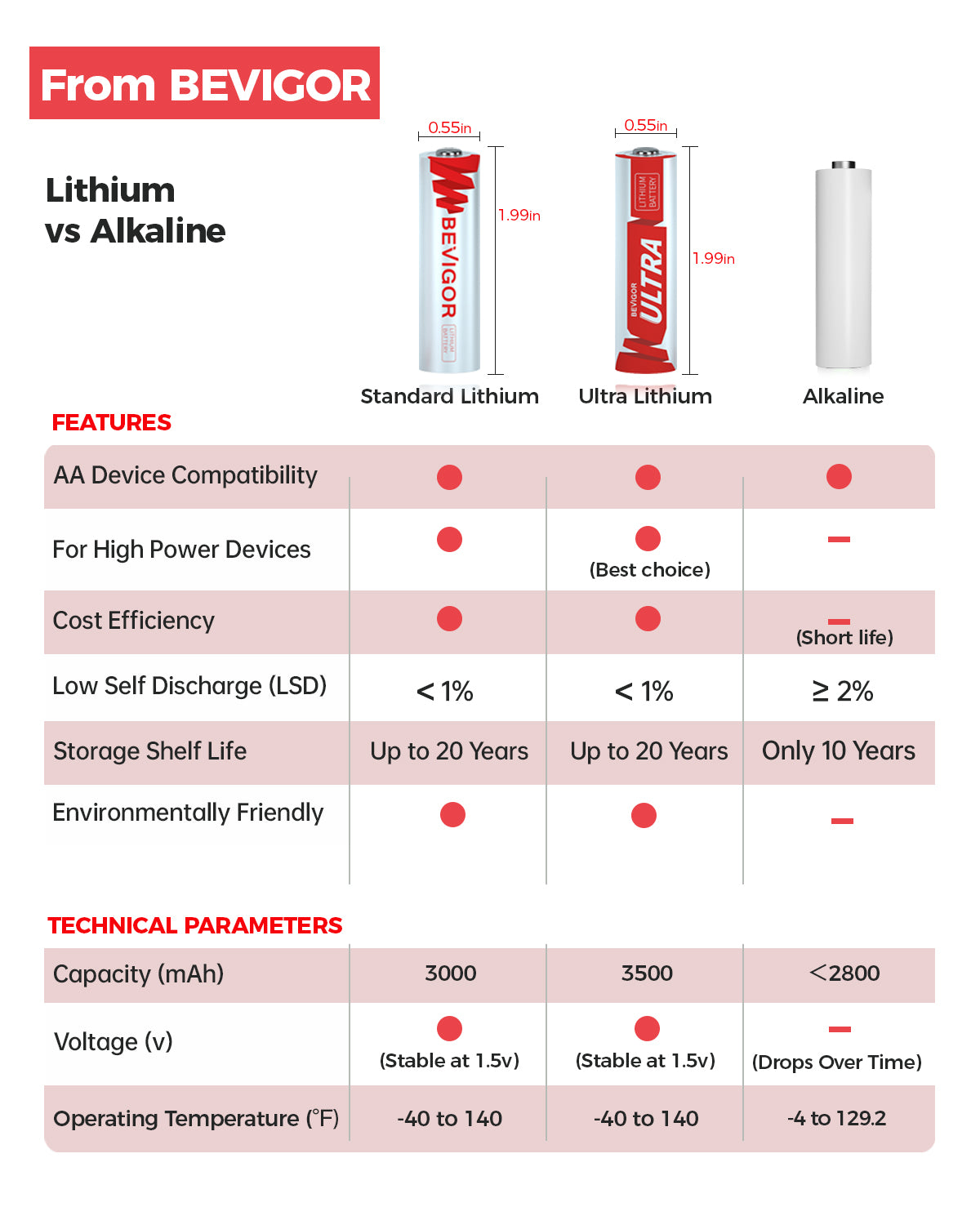
Alkaline batteries are often the most affordable option, but they come with significant drawbacks. Under average usage conditions, standard AA alkaline batteries last about 1 to 3 months. However, their performance can be severely impacted by cold weather, often leading to much shorter battery life. They are best suited for short-term monitoring in milder conditions, but they may not be reliable in extreme environments.
2. Lithium AA Batteries (like Bevigor Lithium AA Batteries)
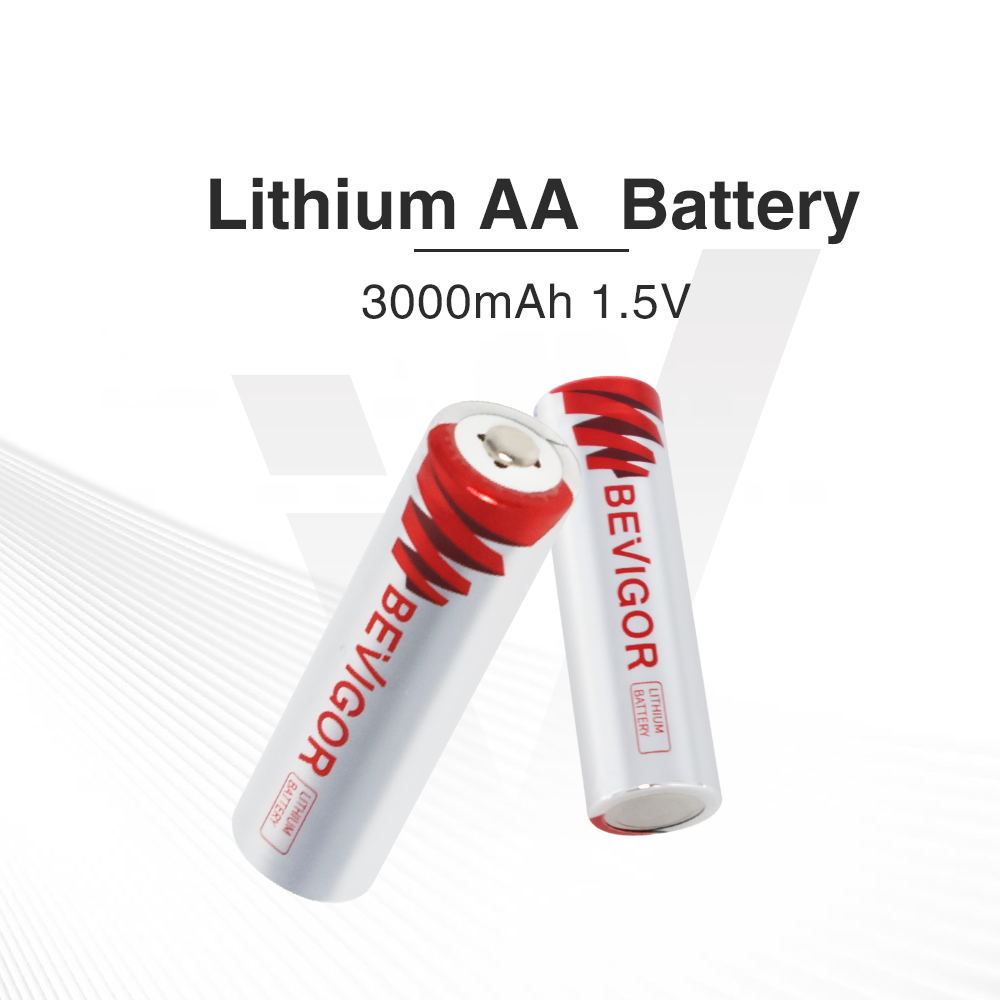
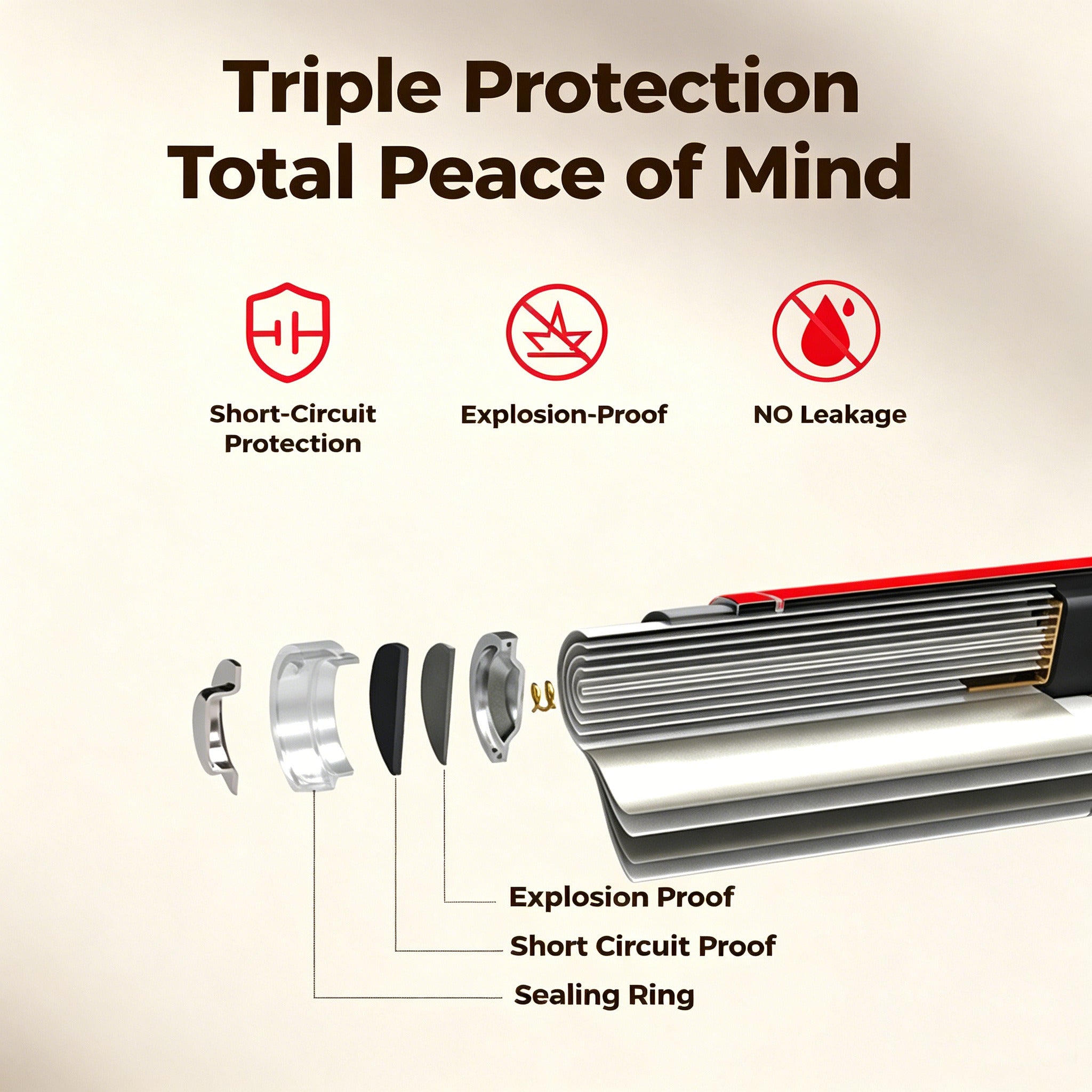
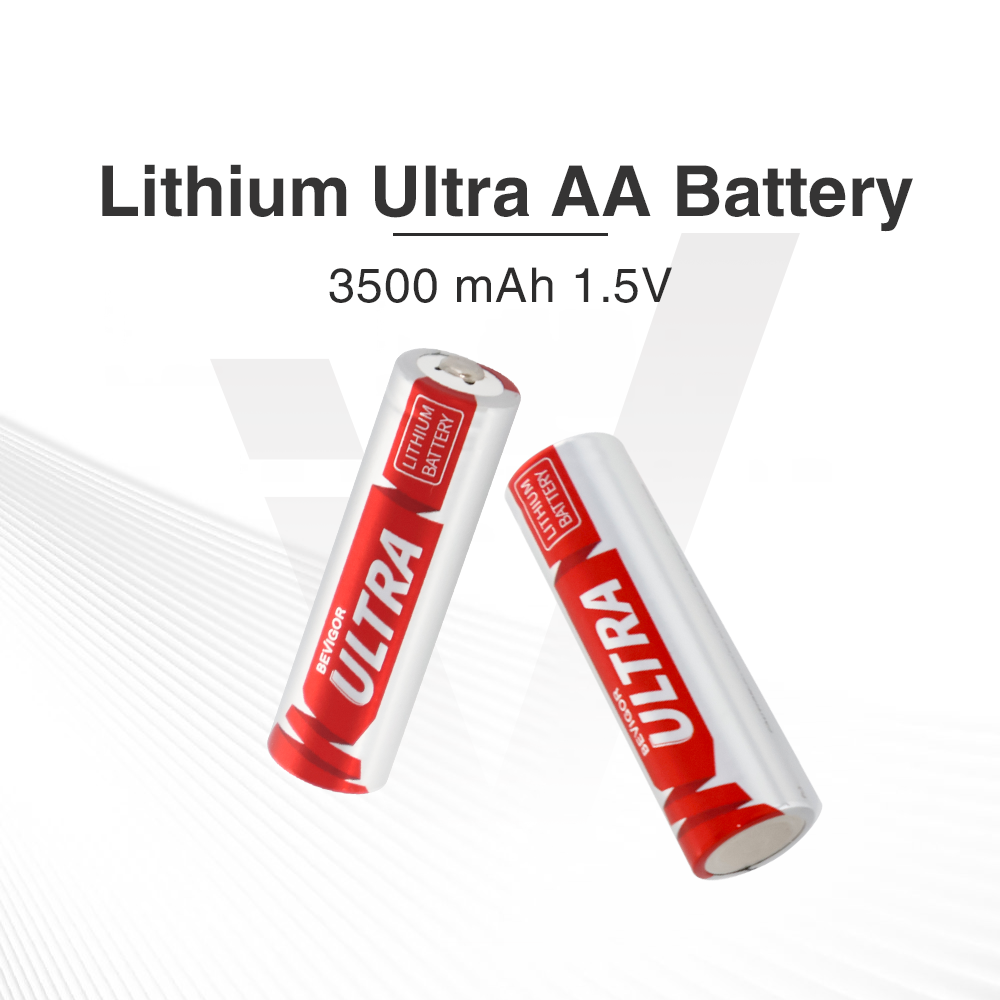
For long-lasting power and superior performance, Bevigor Lithium AA Batteries are the ideal choice. These non-rechargeable batteries last significantly longer than their alkaline counterparts. Bevigor Lithium AA Batteries can last up to 6-12 months, depending on usage. In cold weather, they perform better than alkaline batteries, making them an excellent option for year-round monitoring, especially in areas with harsh winters. The high energy density of Bevigor AA Lithium Batteries allows for better efficiency and longevity, ensuring your camera remains operational for extended periods without frequent replacements.
3. Rechargeable NiMH AA Batteries
Rechargeable NiMH batteries are another common option, but they don't match the performance of lithium batteries. NiMH batteries typically last around 1 to 3 months, but their performance can decline in colder temperatures. Additionally, they don’t hold a charge as long as lithium batteries, making them less suitable for long-term or high-activity monitoring.
4. External Battery Packs & Solar Panels
For continuous or long-term use, external battery packs and solar panels can provide extended power. These solutions can keep your trail camera running for several months to indefinitely, depending on setup and exposure to sunlight. If you're setting up in remote areas with limited access, solar panels or large external batteries can be an excellent way to ensure your camera remains active throughout the year without needing frequent manual replacements.
Why Choose Bevigor Lithium AA Batteries for Your Trail Camera?
When choosing the right battery for your trail camera, Bevigor Lithium AA Batteries offer a host of benefits that make them the top choice for outdoor enthusiasts and wildlife hunters. Here’s why:
1. Superior Cold Weather Performance
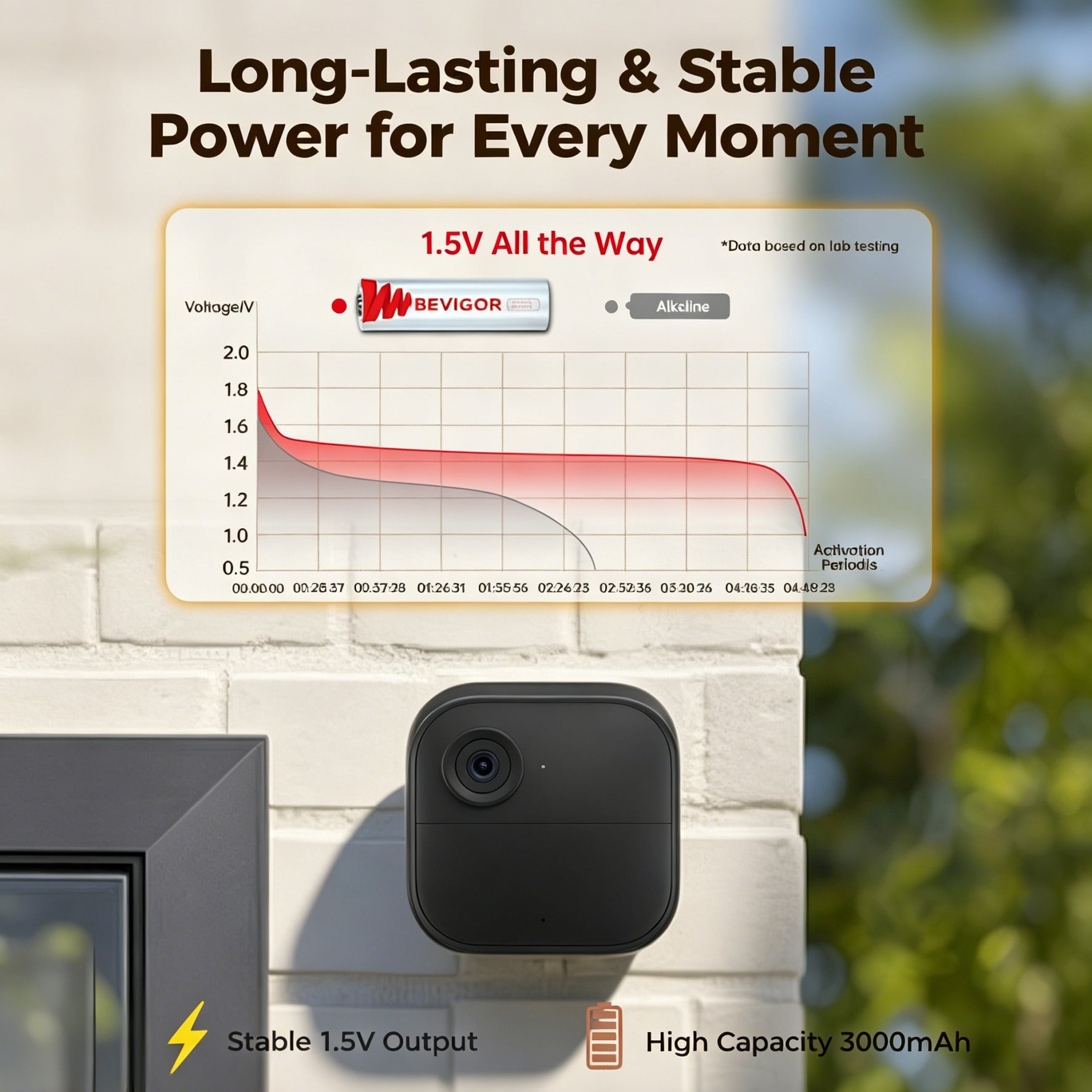
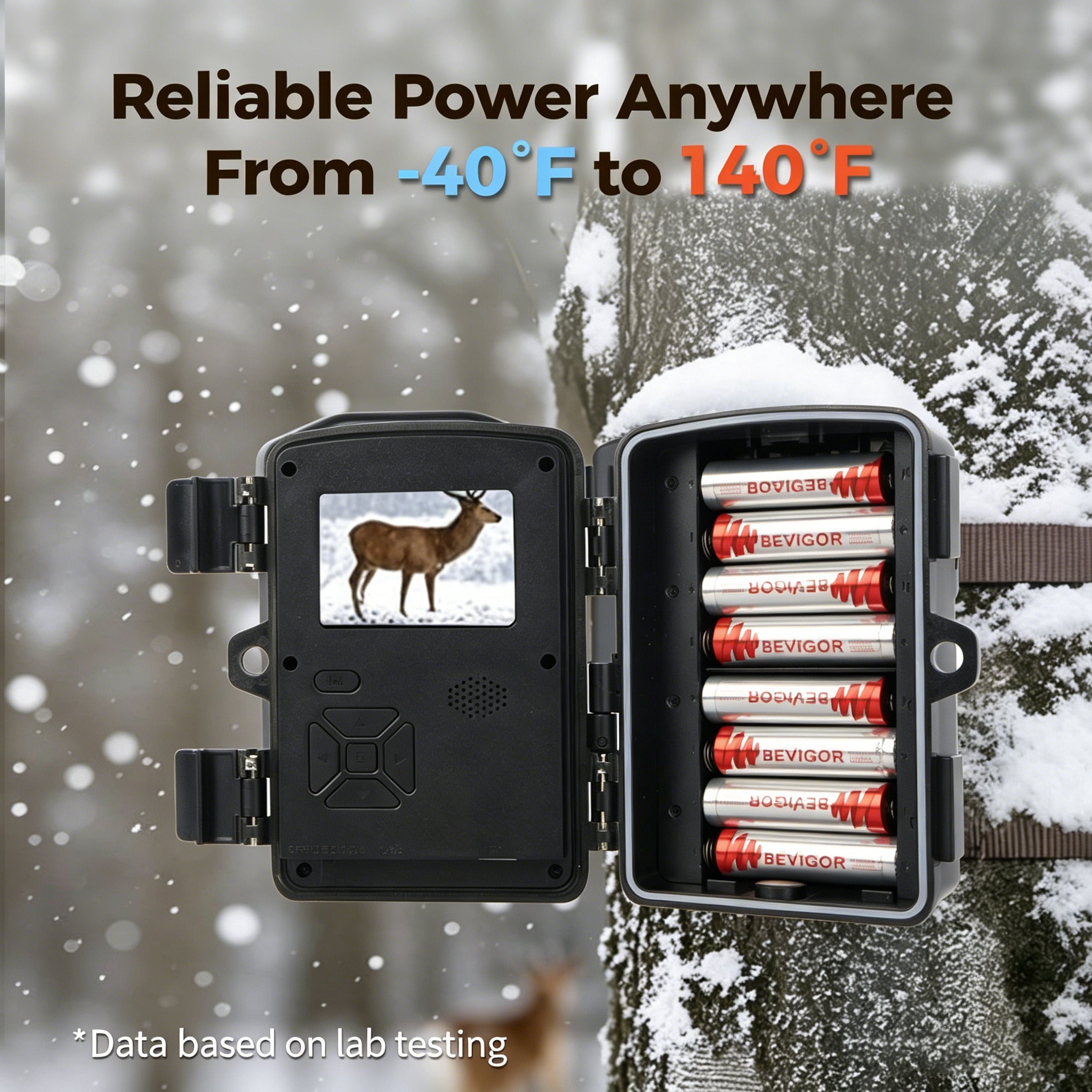
Cold weather is one of the most significant challenges for trail camera batteries. Bevigor Lithium AA Batteries excel in these conditions, offering consistent performance in sub-zero temperatures. Lithium batteries are known for their ability to retain voltage in cold environments, making them far more reliable than alkaline batteries when you’re monitoring wildlife during winter months. Whether you’re tracking deer movements in snowy conditions or setting up cameras in freezing temperatures, Bevigor Lithium AA Batteries will keep your camera running smoothly.
2. Long Battery Life
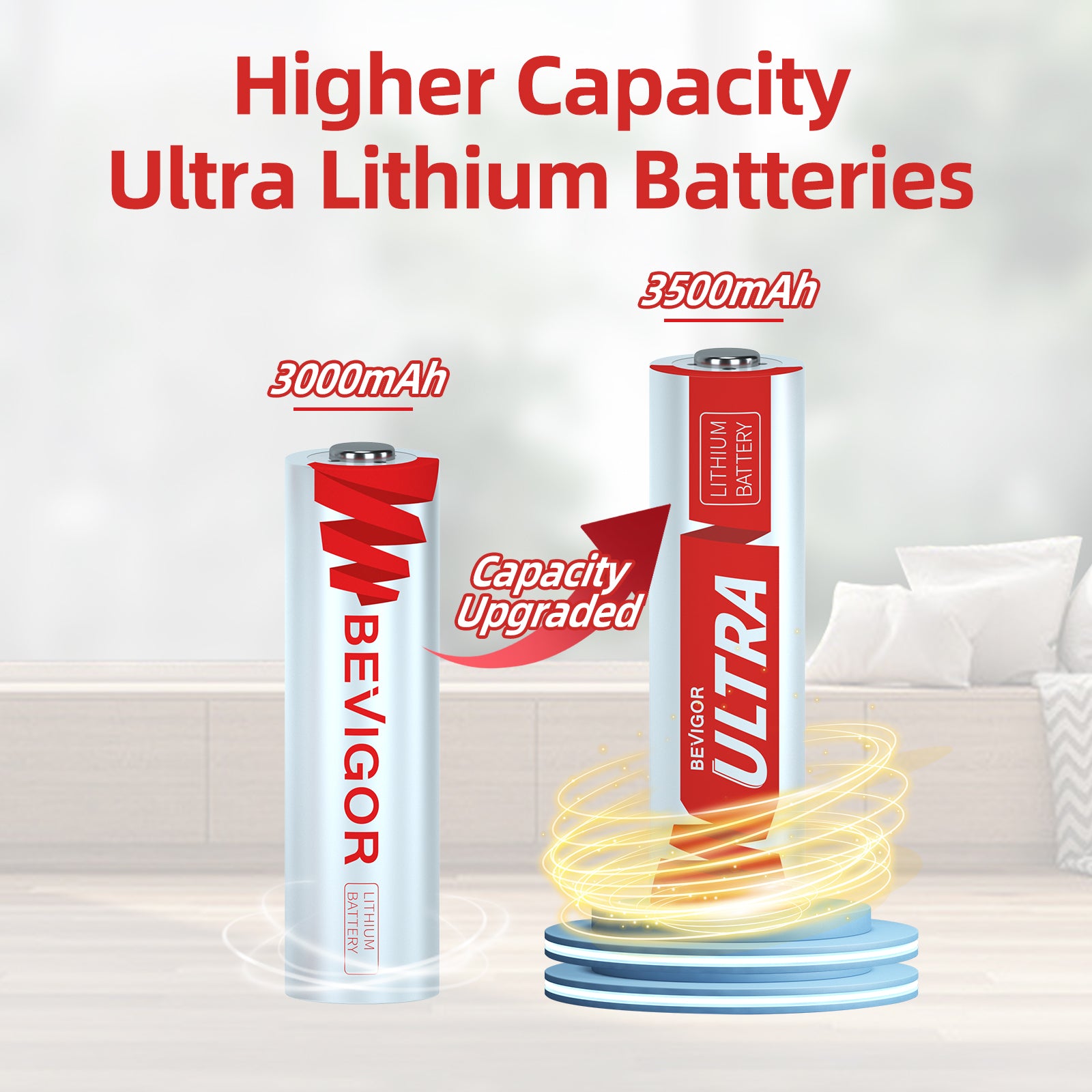
One of the key reasons Bevigor Lithium AA Batteries stand out is their extended battery life. You can expect up to 12 months of use from a single set of batteries, depending on the camera settings and environmental conditions. This makes them an excellent option for long-term monitoring, allowing you to set up your trail camera and forget about frequent battery replacements. The high-capacity 3000mAh Bevigor AA Lithium Batteries ensure that your camera will keep capturing valuable footage and images over a long period.
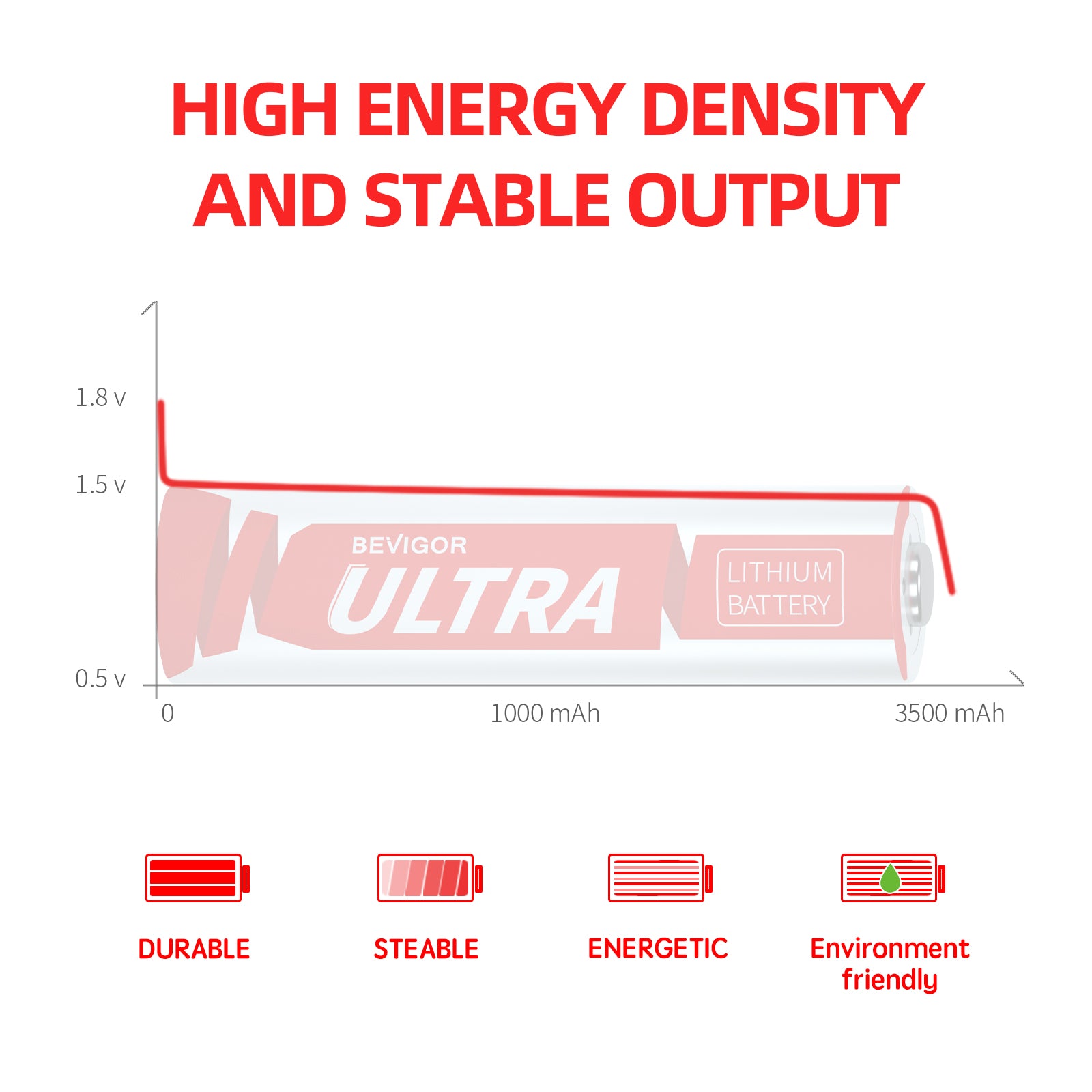
3. High Energy Density
Lithium batteries generally offer higher energy density compared to alkaline batteries. This means that Bevigor Lithium AA Batteries provide more power per cell, ensuring your trail camera gets more energy, resulting in longer-lasting performance. With Bevigor Lithium AA Batteries, you get the best value for your power needs without the frequent need to change batteries.
4. Environmentally Friendly
Lithium batteries have a lower environmental impact compared to alkaline batteries because they last longer and need to be replaced less frequently. This reduces waste and helps protect the environment.
5. Affordable Bulk Options
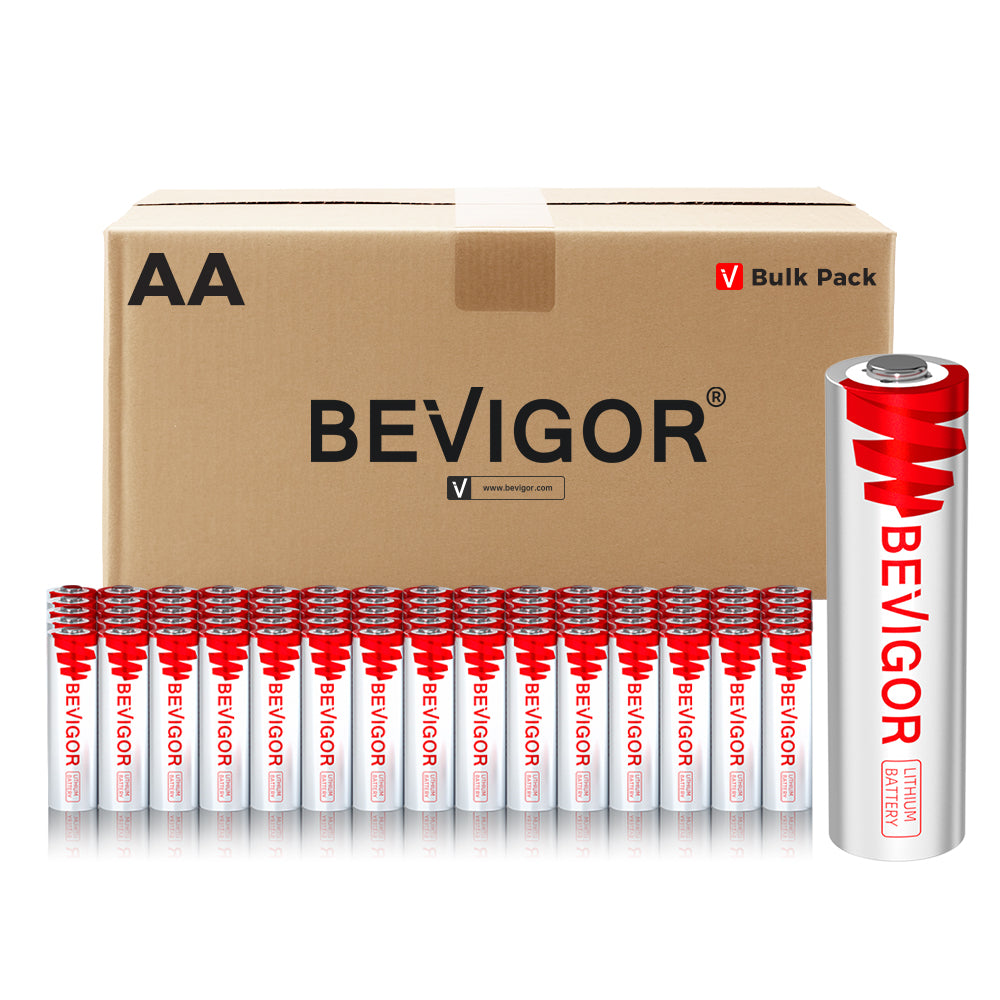
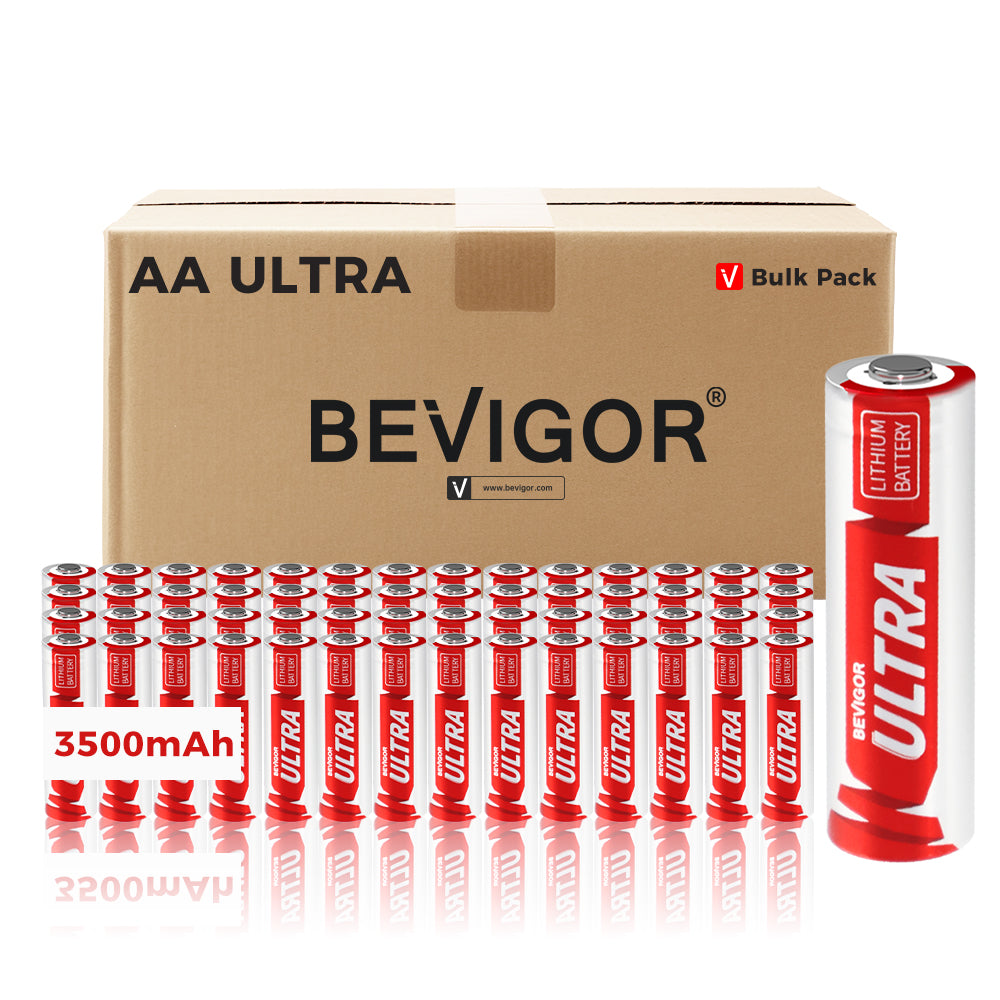
For both B2C and B2B customers, Bevigor Lithium AA Batteries are available in bulk. If you're running multiple trail cameras or need batteries for a larger-scale setup, consider purchasing Bevigor AA Lithium Batteries in bulk for the best cost savings. Check out our bulk purchasing options here.
How to Extend Battery Life in Your Trail Camera
While Bevigor Lithium AA Batteries provide excellent battery life, there are several strategies you can employ to make your batteries last even longer:
1. Adjust Camera Settings
Reducing the sensitivity of your camera’s motion detection, increasing the delay time between photos, or lowering the resolution can significantly extend battery life. By making these adjustments, you ensure that your camera isn't constantly using power during periods of low activity.
2. Use Power-Saving Features
Many trail cameras come with built-in power-saving features, such as "sleep mode" or low-power standby. Make sure these settings are enabled to reduce power consumption when your camera isn't actively recording.
3. Reduce Night Vision Use
Night vision is a critical feature for capturing images in the dark, but it can also consume a lot of battery power. Consider reducing the frequency of night shots, or place your camera in areas with better natural light to minimize reliance on infrared LEDs.
4. Invest in Solar Power
If you plan to monitor a site over a long period, such as a hunting ground or wildlife area, investing in solar-powered options can keep your camera running indefinitely. A Bevigor Lithium AA Battery paired with a solar panel can eliminate the need for battery replacements altogether.
Conclusion: The Best Batteries for Your Trail Camera
To sum up, the type of battery you use plays a significant role in the performance and reliability of your trail camera. Bevigor Lithium AA Batteries offer the longest battery life, best performance in cold weather, and excellent value for your money. Whether you're capturing wildlife activity or securing your property, these batteries will ensure your camera remains operational for extended periods without the hassle of frequent replacements.
For more information or to purchase Bevigor Lithium AA Batteries, visit our product page.
Contact Us
For any inquiries or support, feel free to contact us.
Related Products for Bulk Purchases:
By carefully selecting the right batteries and adjusting your trail camera settings, you can ensure that your equipment remains reliable for all your wildlife monitoring needs.

Share:
Lithium Batteries on Airplanes: What Happens in Checked Luggage?
The Ultimate Guide to 1.5 Volt Batteries | Lithium AA & AAA