


Does putting batteries in the fridge help or extend their lifespan? The short answer is generally no. While the "freezer trick" was once a common household myth for older battery types, doing so with modern technology will not recharge a dead cell or magically extend its life. In fact, for many modern units, extreme cold triggers internal mechanical failure and compromises safety.
Does putting batteries in the fridge help?
Historically, there was a grain of truth to the idea of storing batteries in fridge units.
The Zinc-Carbon History
Zinc-carbon batteries, popular decades ago, do last longer if stored between 40 to 50°F (5 and 10°C). Storing them at these temperatures could help them maintain 80% capacity after four years, compared to just 65% at room temperature. This led to the widespread practice of putting batteries in fridge compartments alongside household groceries.
Modern Alkaline Reality
However, should batteries be stored in refrigerator environments today? For how to store alkaline batteries, the answer is different. Modern alkaline batteries show almost no improvement in self-discharge when chilled or frozen. Therefore, the practice is largely unnecessary for standard household cells.
Can you store batteries in the freezer to extend life?
You might wonder, "should i store batteries in the freezer for long-term use?" For high-tech lithium-ion systems, the answer is a definitive no.
Risks of Extreme Cold
When you subject modern cells to batteries freezer conditions (below 32°F / 0°C), several negative physical changes occur:
- The Condensation Killer: When a cold battery is moved to a warm room, moisture forms on the terminals. This condensation can short the Battery Management System (BMS) or cause the casing to rust and leak.
- Electrolyte Issues: The liquid inside becomes thicker or crystallizes, making it harder for ions to move and limiting performance.
- Lithium Plating: Attempting to charge a frozen lithium pack can cause metallic lithium to plate onto the anode, leading to permanent shorts and fire hazards.
Why do people put batteries in the freezer?
The myth persists due to a misunderstanding of chemistry. While cold temperatures slow down the chemical reactions that cause "self-discharge," people often confuse "preserving charge" with "recharging". Does freezing batteries recharge them? Absolutely not; it simply results in a cold, dead battery.
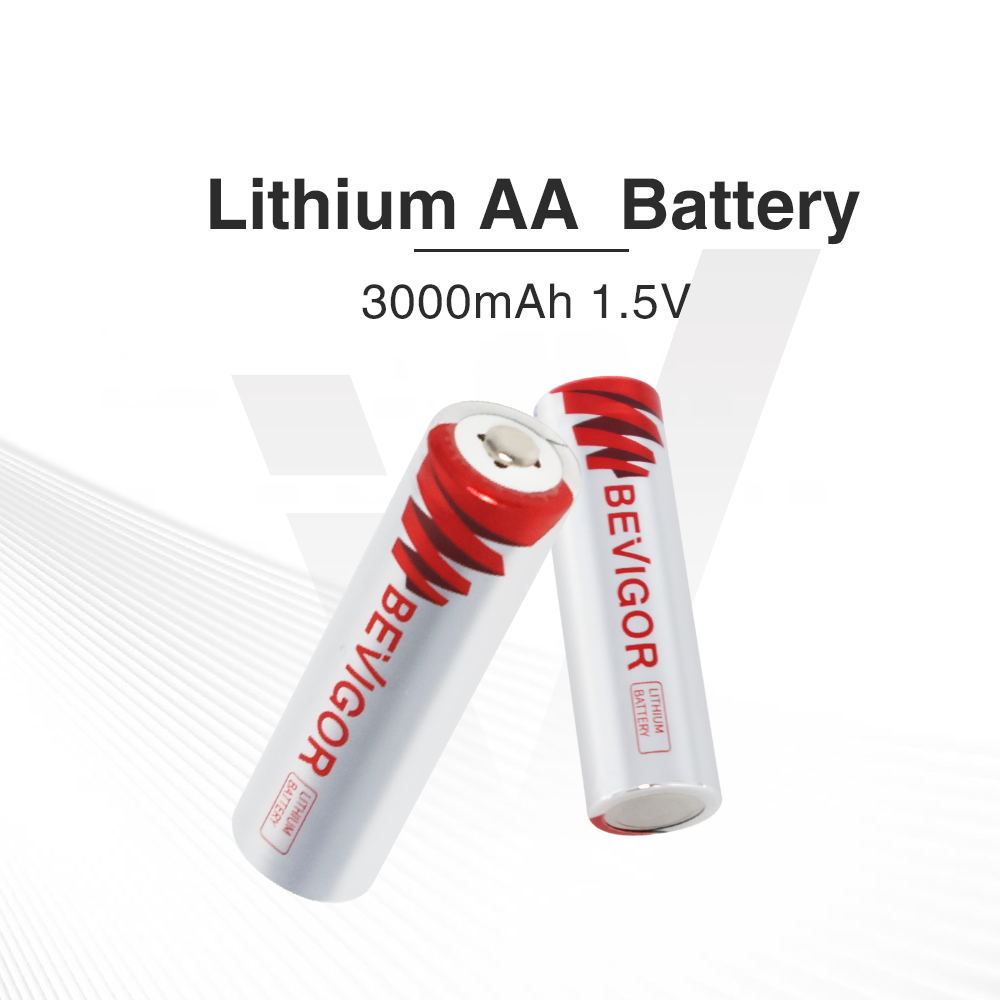
If you are looking for reliable power without the need for storage "hacks," investing in high-quality cells like BEVIGOR Lithium AA Batteries 3000mAh or Ultimate Lithium AAA Batteries is a better strategy. These are designed for a long shelf life of up to 10 years at room temperature.
How to store batteries properly
Instead of storing batteries in freezer units, follow these proven steps for both consumer and Bulk & Wholesale needs:
- Find a Cool, Dry Spot: A closet or drawer inside your house is usually perfect. Avoid unheated sheds where temperatures may fluctuate wildly.
- Room Temperature is Best: Aim for a stable environment between 15°C and 20°C (59°F–68°F).
- Check Charge Levels: For rechargeable lithium batteries, store them at a 40%–60% charge level rather than 100% or 0% to maintain internal stability.
For specialized needs, such as CR2032 or CR2450 Lithium Coin Batteries, keeping them in their original packaging in a dry drawer ensures they remain ready for devices like car keys or medical monitors.
Summary and FAQ
Comprehensive FAQ: Everything You Need to Know About Battery Storage
1. Does putting batteries in the fridge help?
For modern batteries, the answer is generally no. While the cold slows down the chemical reactions that cause self-discharge, modern alkaline and lithium batteries are already designed for a very low self-discharge rate at room temperature. Storing them in a refrigerator is not required or recommended for most modern household cells.
2. Can you store batteries in the freezer?
You should not store batteries in the freezer. Extreme sub-zero temperatures can cause permanent physical damage, such as cracking internal seals, causing electrolytes to crystallize, and making plastic casings brittle.
3. Does freezing batteries recharge them?
No, this is a dangerous chemical fallacy. Freezing cannot add energy to a chemically depleted system or revive a dead unit; it simply results in a cold, dead battery.
4. Why did people start putting batteries in the fridge in the first place?
The myth has historical roots in zinc-carbon batteries, which were standard for decades. For that specific chemistry, storage at 5°C to 10°C (41°F–50°F) was effective in reducing self-discharge and maintaining capacity over several years. However, this advice does not apply to modern alkaline or high-tech lithium-iron systems.
5. What is the biggest risk of storing batteries in the refrigerator?
Condensation is the primary "killer". When a cold battery is moved to a warm environment, moisture forms on the terminals, which can cause rusting, toxic leaks, or short-circuit the electronics, including the Battery Management System (BMS) in rechargeable packs.
6. How long should I wait to use a battery after taking it out of the fridge?
You must allow the battery to warm up gradually to room temperature before use, which usually takes several hours. Using it immediately can accelerate self-discharge or cause internal damage due to the heat generated by the battery meeting the internal moisture from condensation.
7. Is it safe to charge a battery that has been in the freezer?
Absolutely not. Attempting to charge a frozen lithium-ion battery can cause metallic lithium to plate onto the anode. This is permanent damage that creates a high risk of internal shorts and potential fire hazards.
8. Does cold weather affect how a battery performs during actual use?
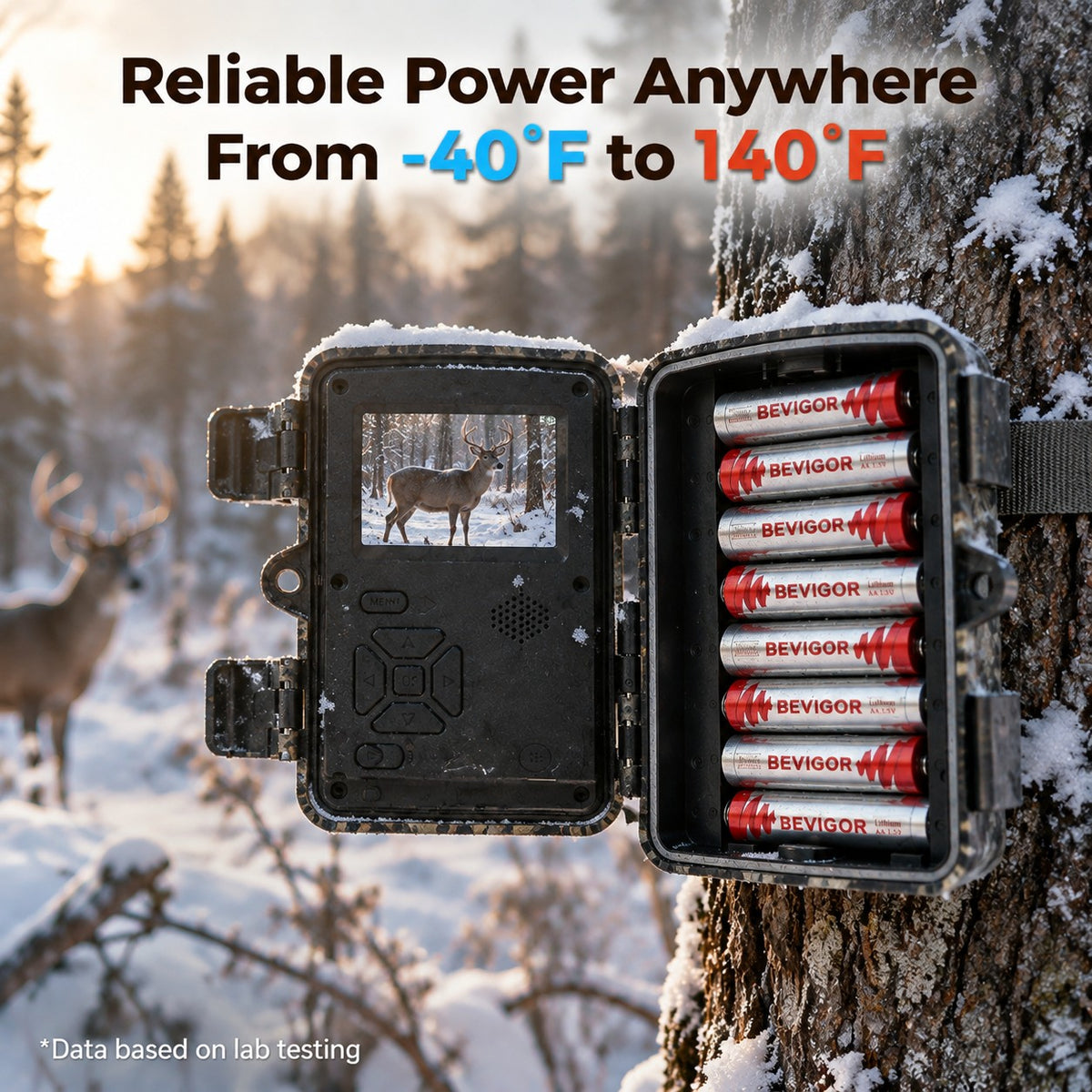
Yes, cold temperatures increase internal resistance, which causes the voltage to “sag” or drop under load. This is why devices may feel less powerful or show a low battery warning in winter until the cells warm up through operation.
9. What are the ideal storage conditions for long-term battery health?
The best way to store batteries is in a cool, dry location at a stable room temperature between 15°C and 20°C (59°F–68°F). For lithium rechargeables, it is best to store them at a 40%–60% charge level to maintain chemical stability.
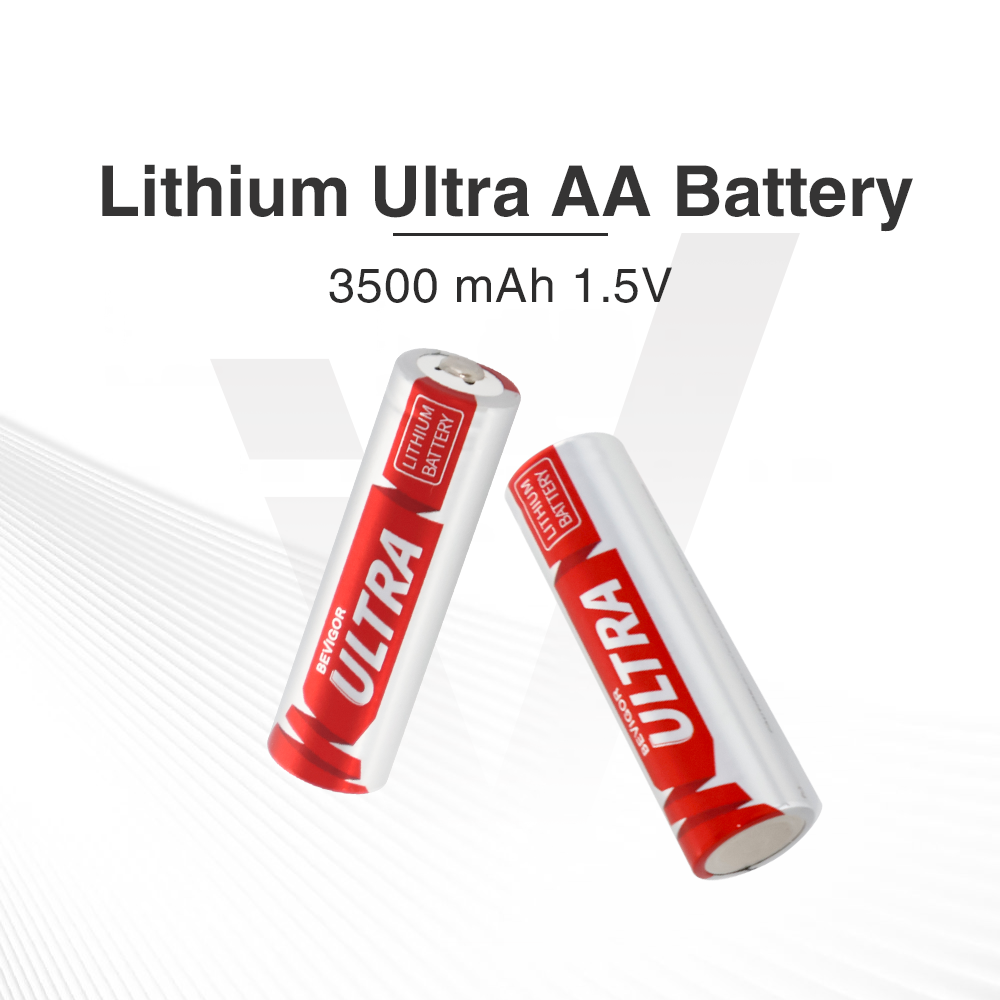
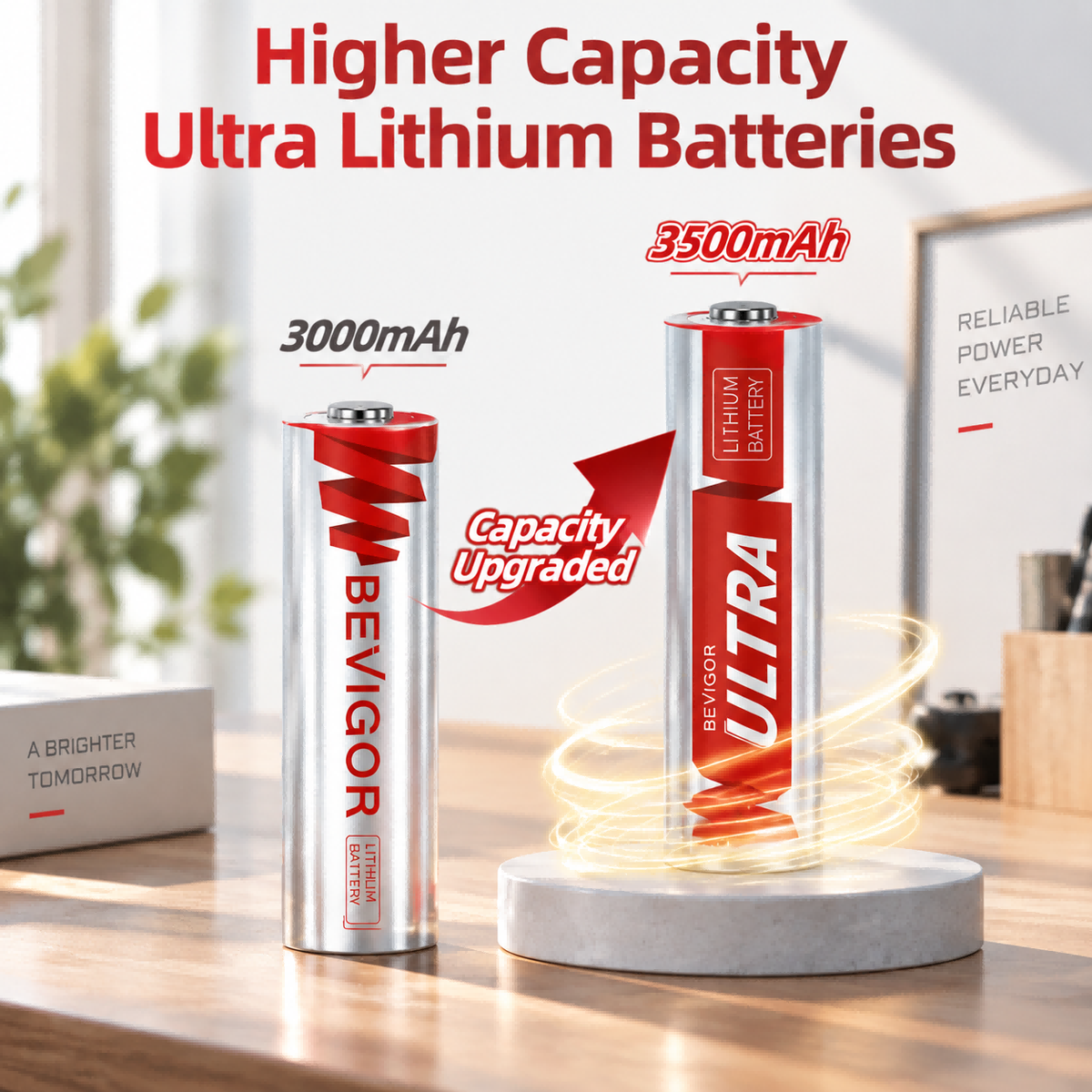
Final Thoughts: Batteries are complex chemical devices, not leftovers. To ensure they work for years, keep them out of the icebox and in a dry, room-temperature environment. For high-drain devices, consider the Ultra BEVIGOR Lithium AA or eco-friendly BEVIGOR AA Rechargeable NiMH Batteries for consistent performance.
For business inquiries regarding Bulk AA Lithium Batteries or Bulk Rechargeable Packs, please Contact Us directly.





Share:
How to Clean Battery Corrosion from Electronics: Step-by-Step Guide
The Hidden Truth Behind 1.5V Lithium AA Performance