

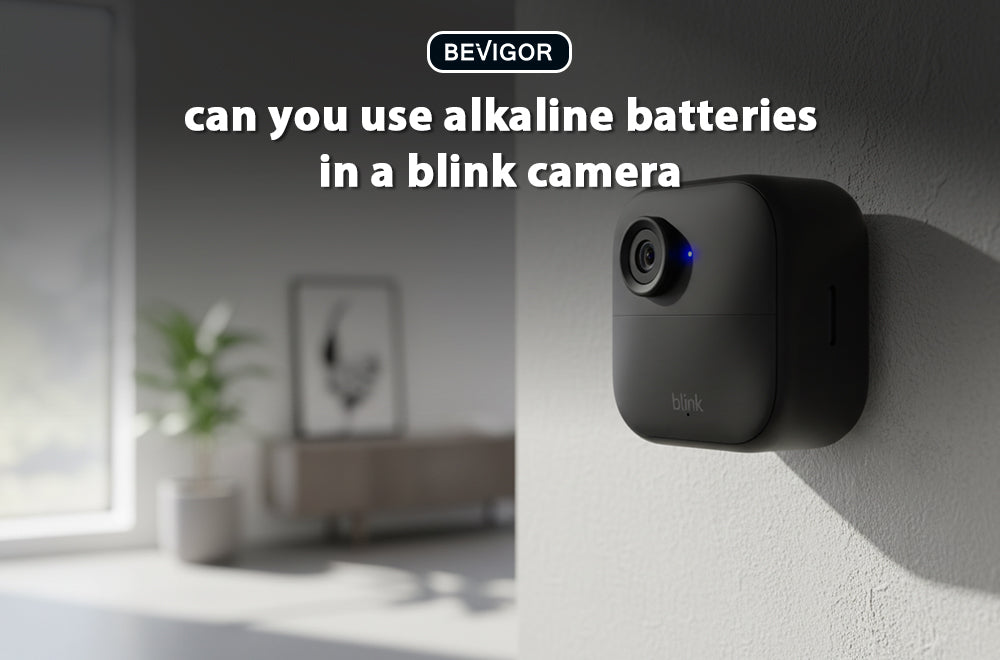
If you own a Blink security camera, battery choice is more than a convenience issue — it directly affects reliability, recording accuracy, and long-term cost. A common question from users is: can you use alkaline batteries in a Blink camera, or do you really need lithium?
The short answer is yes, alkaline batteries will physically work. The real question is whether they can deliver stable, long-lasting power for a device designed around AA 1.5 volt lithium non-rechargeable batteries.
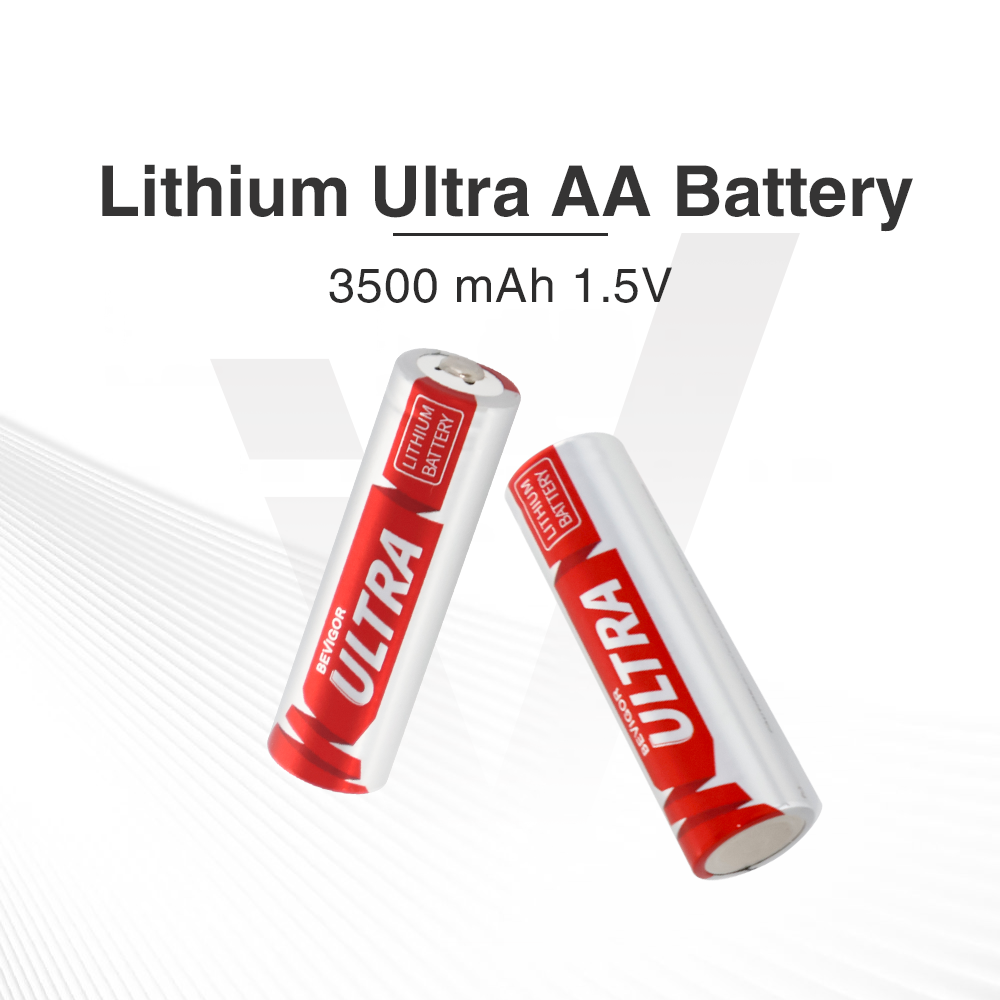
This in-depth guide breaks down alkaline vs lithium AA batteries, explains Blink’s official recommendations, and shows why Bevigor AA lithium batteries are widely considered one of the best AA lithium batteries for Blink cameras.
Does Blink Officially Support Alkaline Batteries?
Blink cameras are engineered to operate on AA 1.5V lithium batteries. While alkaline batteries fit into the battery compartment, Blink does not recommend them for regular use.
Why Blink Specifies Lithium AA Batteries
Blink cameras are low-power devices most of the time, but they demand short bursts of high current when:
-
Detecting motion
-
Recording video
-
Uploading clips via Wi-Fi
-
Connecting to live view
Lithium AA batteries are specifically designed to handle these power spikes without voltage drop. Alkaline batteries struggle in these moments, which can lead to missed recordings or offline cameras.
Alkaline vs Lithium AA Batteries: A Technical Breakdown
Understanding the chemistry explains why Blink cameras perform so differently with each battery type.
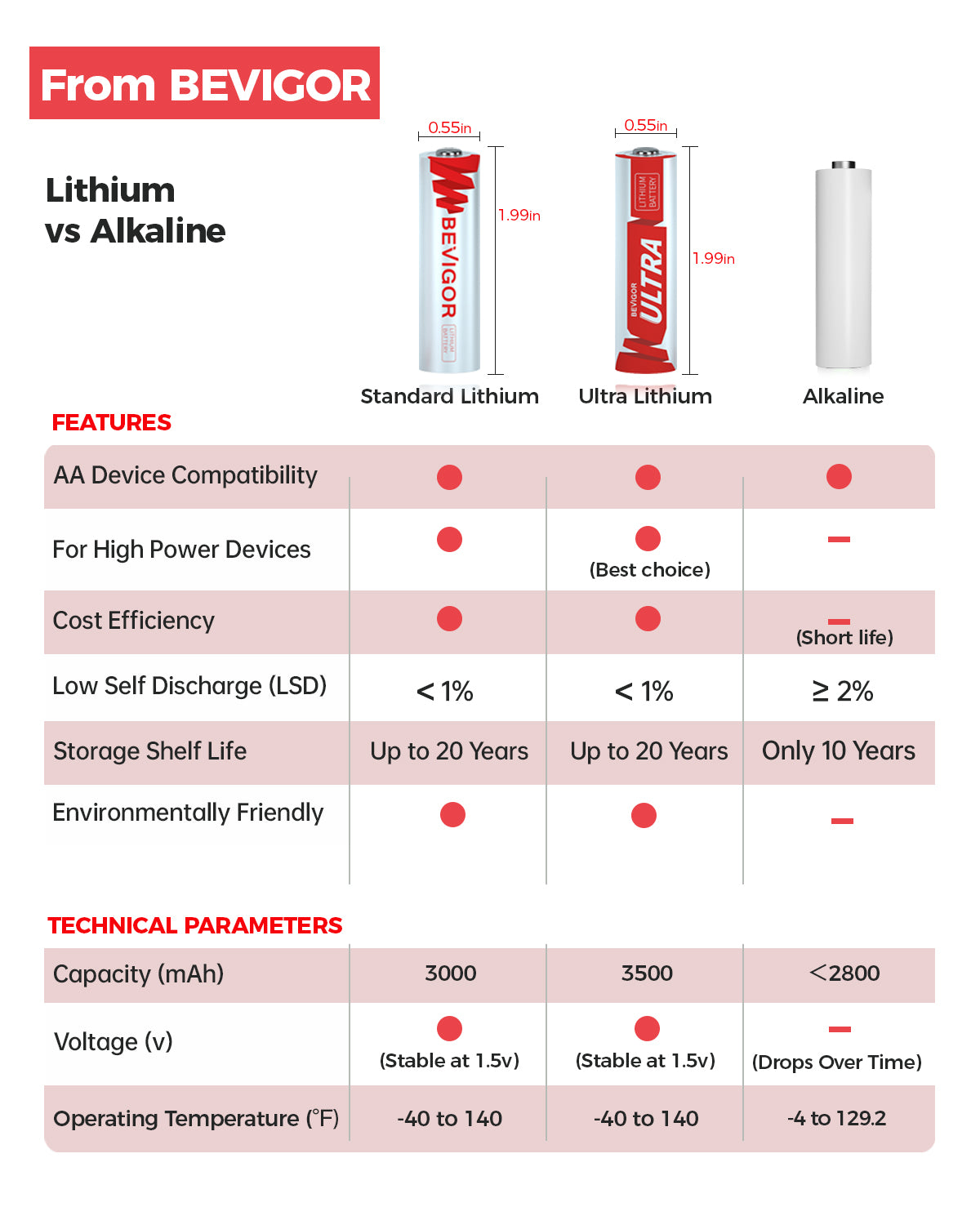
Voltage Behavior Over Time
-
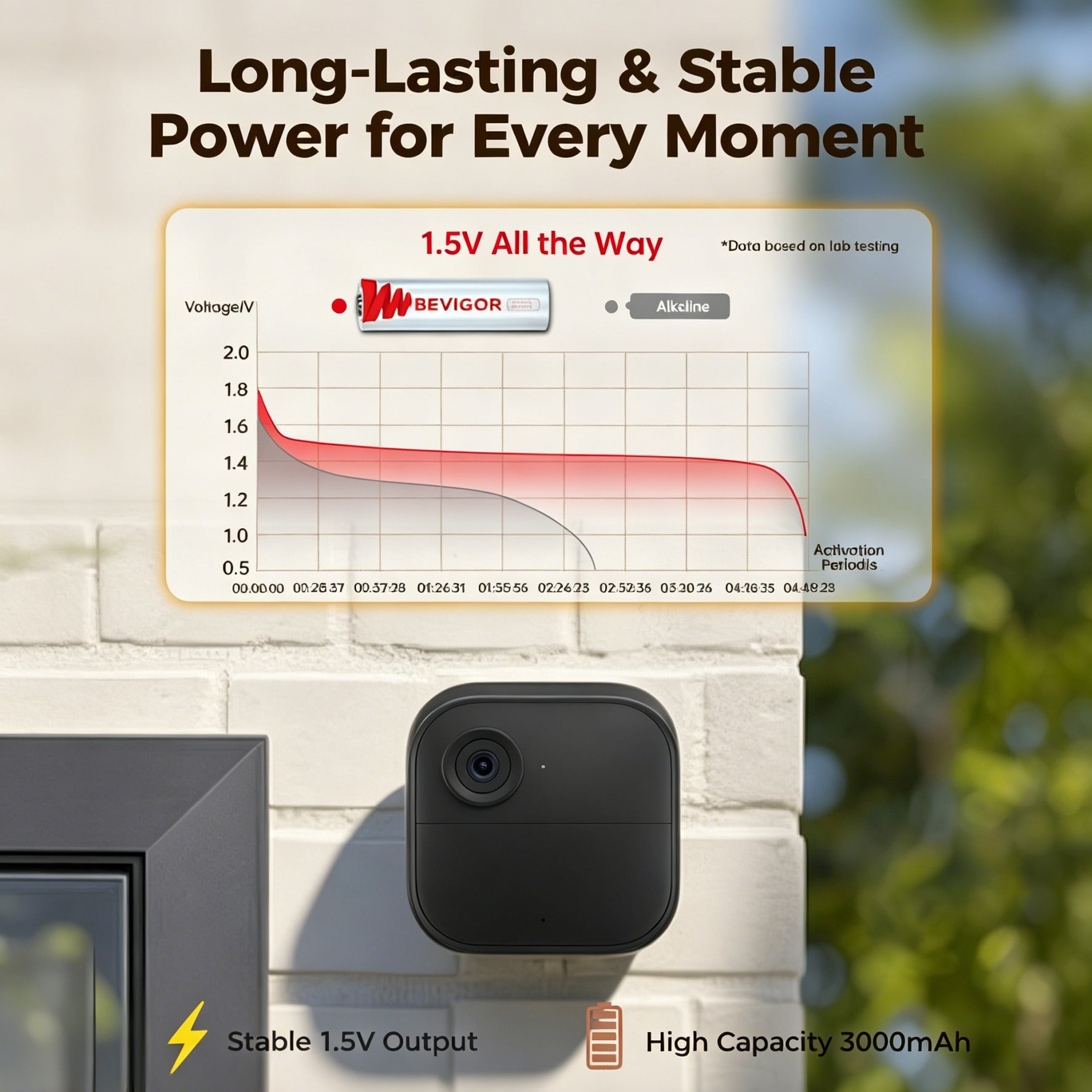
Alkaline batteries start at 1.5V but gradually decline throughout their lifespan.
-
Lithium battery AA options maintain a near-constant 1.5V output until the battery is almost depleted.
This stable voltage is critical for Blink cameras, which interpret voltage drops as “low battery” even when capacity remains.
Energy Density & Efficiency
Lithium AA batteries contain significantly more usable energy per cell than alkaline batteries. This means:
-
Fewer battery swaps
-
More consistent camera uptime
-
Lower long-term cost
That’s why lithium AA batteries vs alkaline is not a close comparison for security cameras.
Cold Weather Performance
Outdoor Blink cameras expose batteries to harsh environments.
-
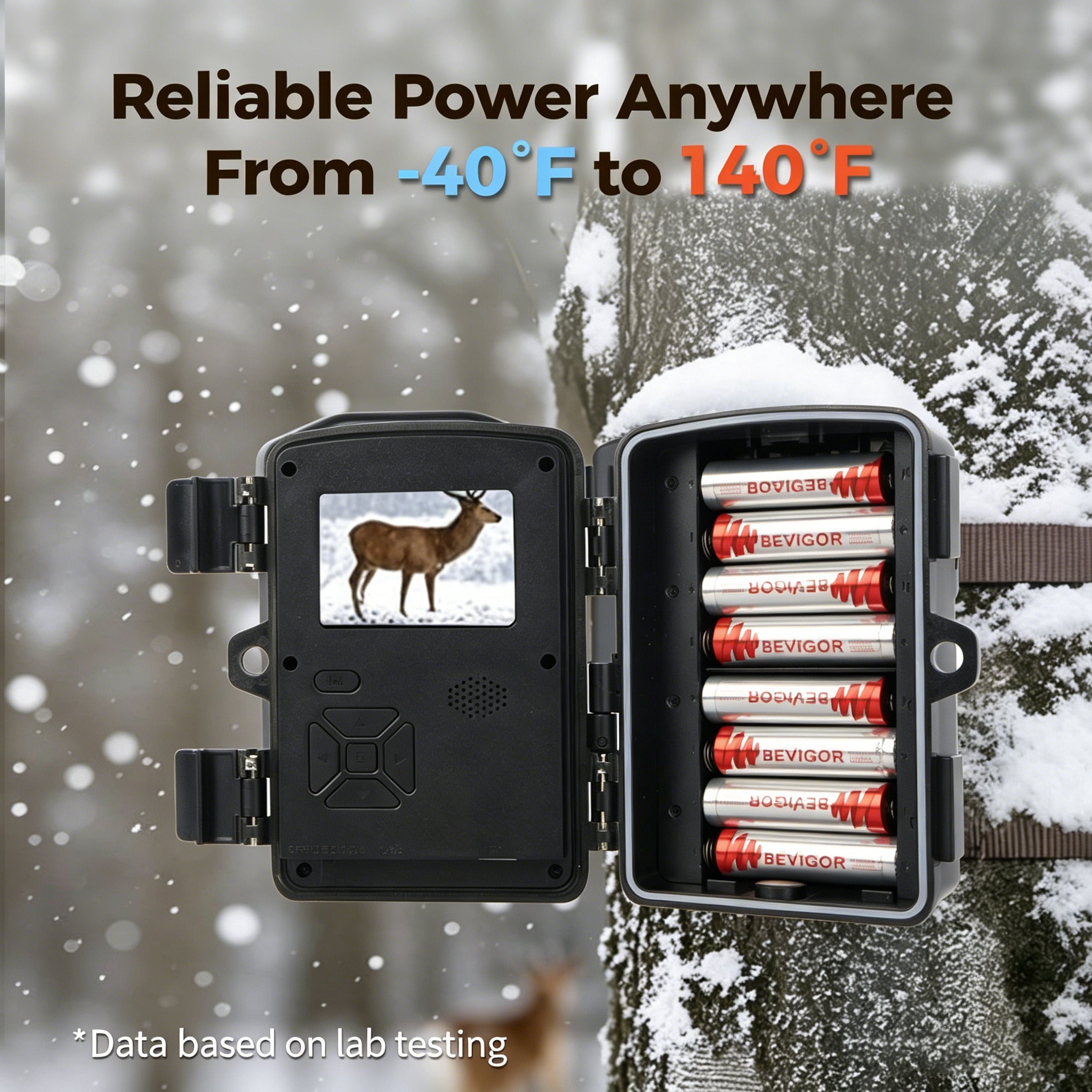
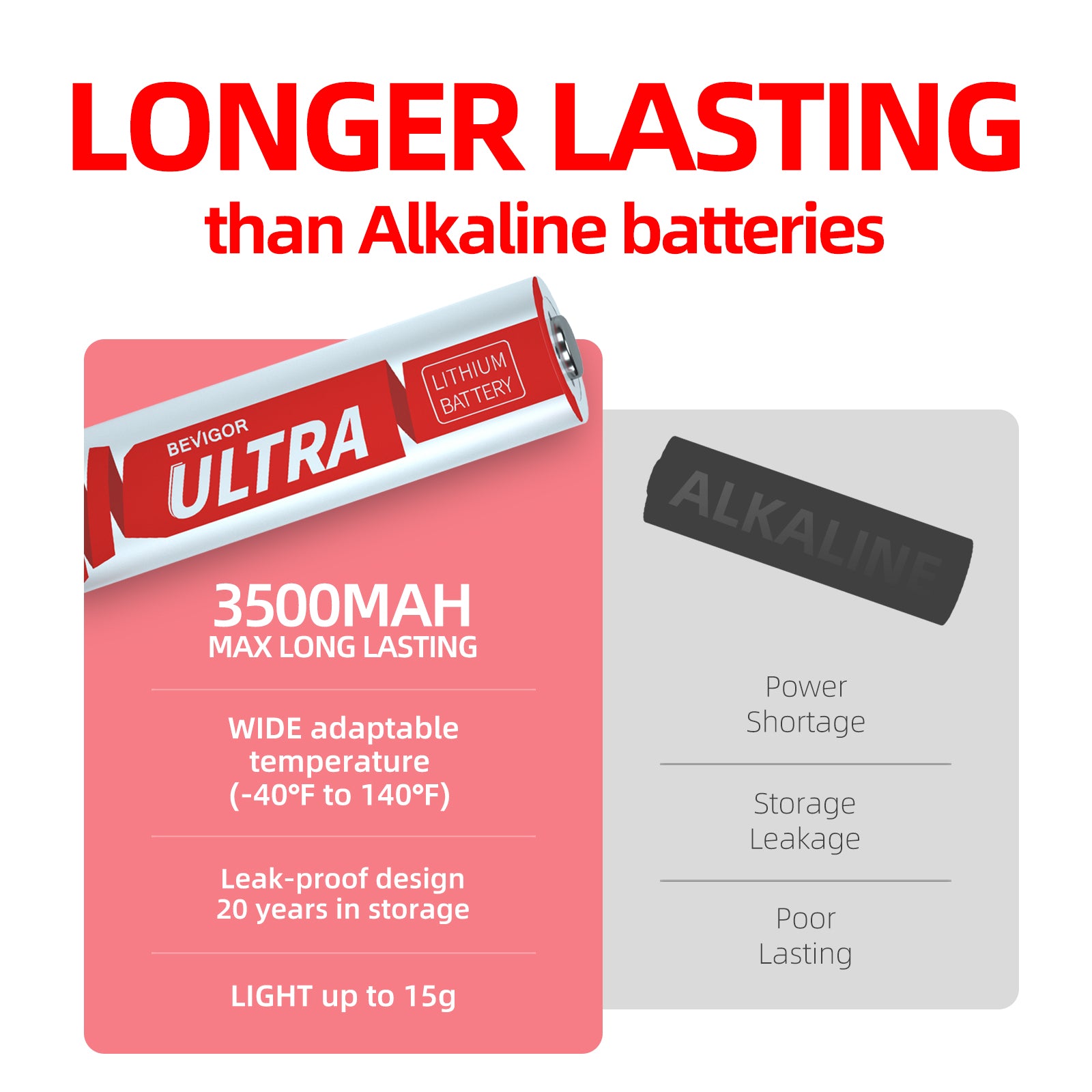
Alkaline batteries may lose 30–50% of capacity below freezing
-
AA lithium batteries 1.5V continue working reliably down to -40°F
For outdoor use, aa lithium batteries for Blink camera setups are not optional — they are essential.
How Long Do Batteries Last in Blink Cameras?
Battery life varies based on usage, but real-world data shows a dramatic difference.
Typical Battery Life Expectations
-
Alkaline AA batteries: 2 weeks to 2 months
-
Lithium AA batteries: 6 months to 2 years
High-quality options like Bevigor lithium AA batteries are designed for long standby time and frequent wake cycles.
Factors That Affect Battery Drain
-
Motion frequency
-
Live view usage
-
Wi-Fi signal strength
-
Clip length
-
Temperature extremes
Even the best AA lithium battery will drain faster in high-traffic zones — but alkaline batteries fail far sooner under the same conditions.
Are Alkaline Batteries Ever a Good Idea for Blink?
Situations Where Alkaline Might Work
-
Temporary emergency replacement
-
Indoor cameras with minimal motion
-
Short-term testing
Why Alkaline Is a Risk
-
Frequent replacements
-
Voltage instability
-
Higher leakage risk
-
Potential damage to camera contacts
For any camera protecting your home or business, alkaline batteries are a false economy.
Best AA Lithium Batteries for Blink Cameras
What Makes a Battery “Blink-Ready”?
The best lithium AA batteries for Blink cameras share these traits:
-
Stable 1.5V output
-
High energy density
-
Leak-resistant construction
-
Wide temperature tolerance
Bevigor vs Energizer Ultimate Lithium AA Batteries
Many users are familiar with energizer ultimate lithium aa batteries, often used as a benchmark.
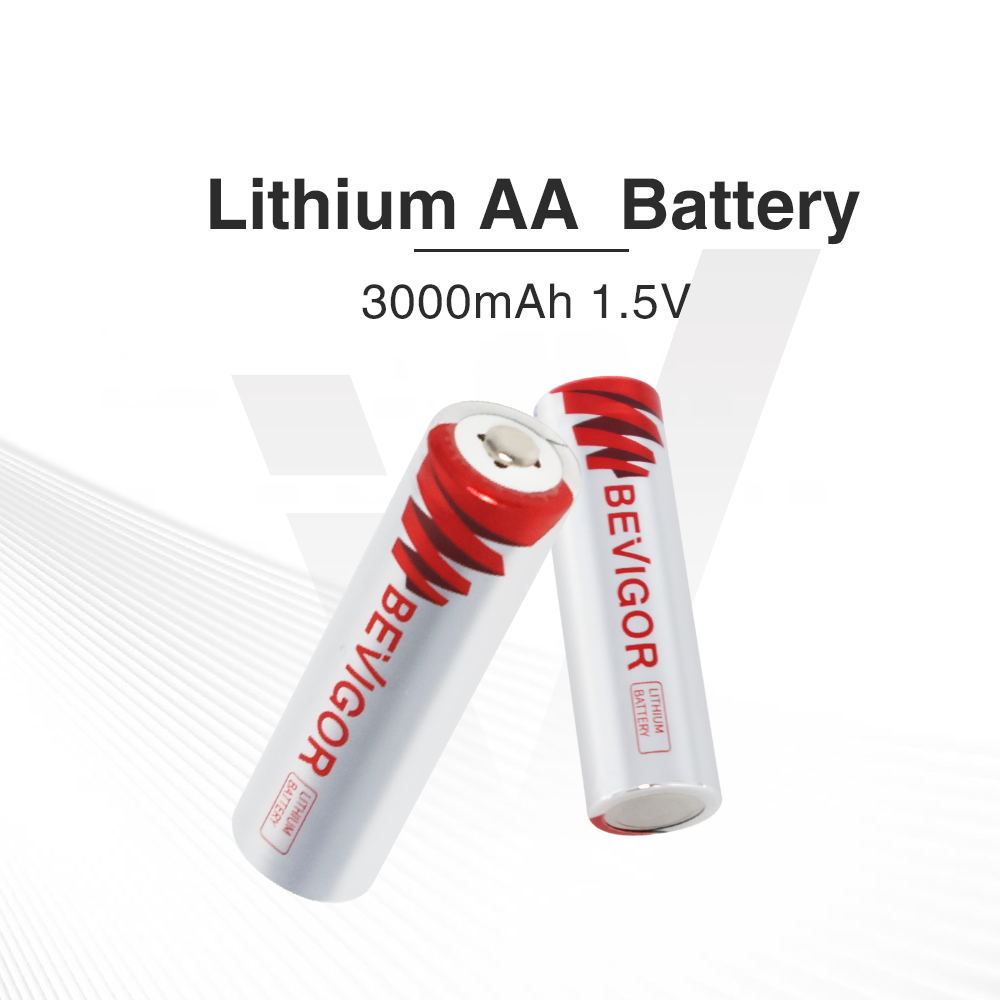
Bevigor AA lithium batteries are engineered for the same high-drain performance:
-
Reliable 1.5V power delivery
-
Long shelf life
-
Designed for security cameras and smart devices
-
Excellent value for multi-camera installations
Consumer options:
https://bevigor.com/products/bevigor-lithium-aa-batteries-3000mah
https://bevigor.com/products/ultra-new-bevigor-lithium-aa
Bulk & wholesale options:
https://bevigor.com/products/aa-lithium-batteries-3000mah-bulk
https://bevigor.com/products/bevigor-ultra-3500mah-aa-lithium-batteries-bulk-pack
Rechargeable Batteries: What Works and What Doesn’t
Why NiMH Rechargeables Are Not Recommended
Traditional rechargeable batteries output 1.2V, which leads to:
-
False low-battery alerts
-
Reduced recording reliability
-
Shorter usable runtime
Blink specifically advises against them.
Do 1.5V Rechargeable Lithium Batteries Work?
Some lithium battery 1.5V AA rechargeable models maintain full voltage and can work, but:
-
They require regular charging
-
Performance varies by brand
-
Non-rechargeable lithium remains the most reliable option
For most users, aa 1.5 volt non rechargeable lithium batteries are the safest choice.
How to Maximize Battery Life in Blink Cameras
Optimize Camera Settings
-
Lower motion sensitivity
-
Reduce clip length
-
Limit live view sessions
Improve Installation Conditions
-
Strengthen Wi-Fi signal
-
Avoid unnecessary motion triggers
-
Keep firmware updated
Battery optimization amplifies the benefits of batteries lithium AA, especially in outdoor setups.
Consumer vs Wholesale: Choosing the Right Battery Strategy
For Homeowners
If you run one to three cameras, Bevigor AA lithium batteries provide long life with minimal maintenance.
For Installers & Businesses
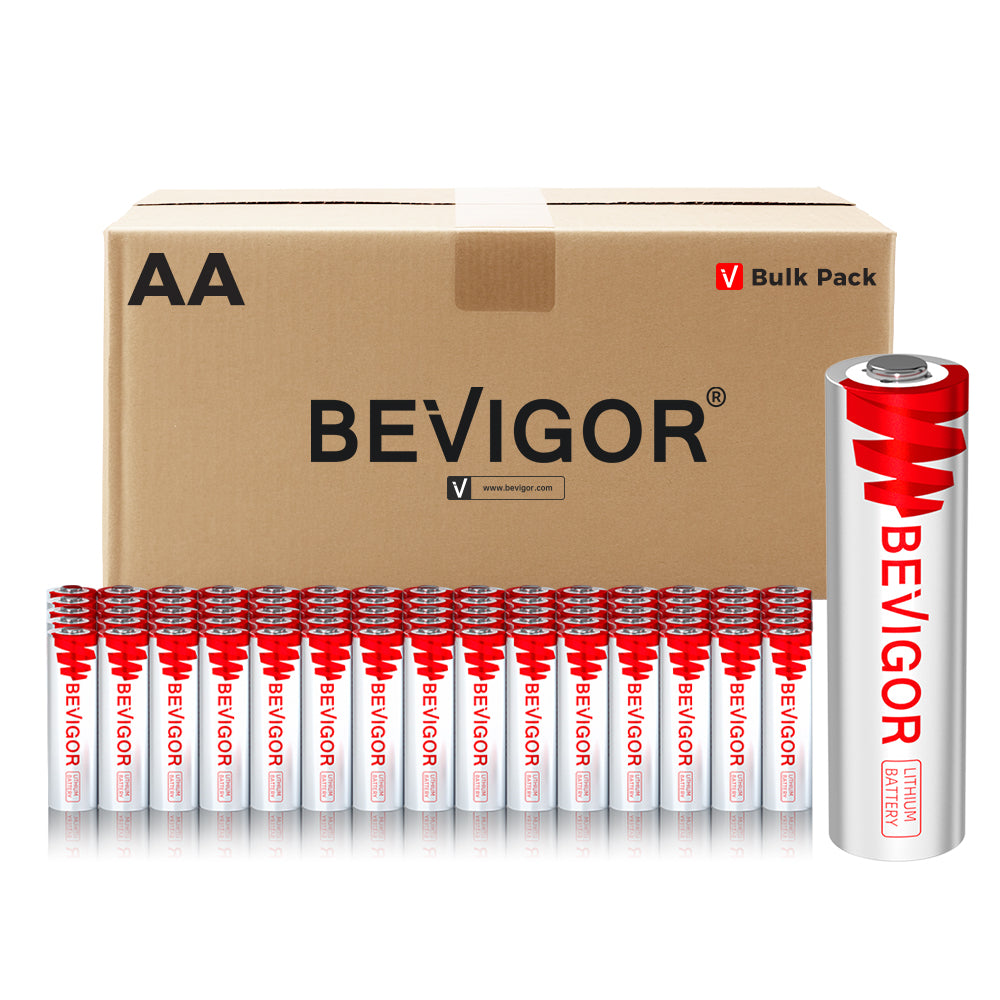
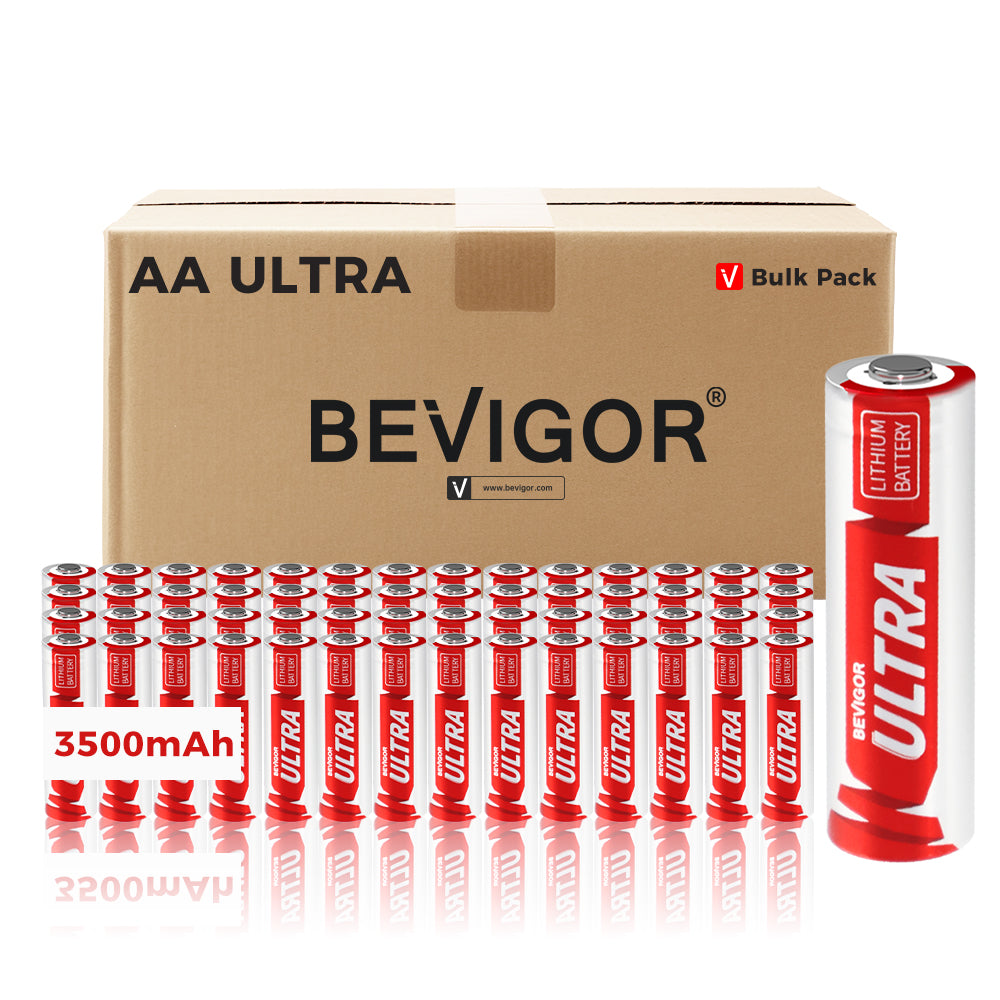
Managing dozens of cameras? Bulk purchasing AA lithium batteries batteries reduces cost, labor, and downtime.
Wholesale inquiries:
https://bevigor.com/pages/bulk-wholesale
Final Answer: Can You Use Alkaline Batteries in a Blink Camera?
Yes — but you shouldn’t rely on them.
For dependable security:
-
Choose lithium AA batteries vs alkaline
-
Use aa lithium batteries for Blink camera
-
Invest in best AA lithium batteries like Bevigor lithium AA batteries
Reliable power keeps your security system working when it matters most.
FAQs
Can you use alkaline batteries in a Blink camera long-term?
Technically, yes — but long-term use of alkaline batteries in Blink cameras is not recommended.
Blink cameras are optimized for AA 1.5 volt lithium non-rechargeable batteries. Alkaline batteries suffer from gradual voltage drop, which means your camera may show “low battery” warnings even when capacity remains. Over time, this leads to:
-
Missed motion recordings
-
Frequent offline status
-
Increased battery replacement frequency
For reliable, long-term performance, lithium AA batteries vs alkaline is a clear win for lithium.
Why do Blink cameras drain alkaline batteries so fast?
Blink cameras operate in a low-power sleep mode most of the time, but they require high peak current when waking up to:
-
Detect motion
-
Record video
-
Upload clips via Wi-Fi
Alkaline batteries struggle to deliver these sudden current spikes, especially as voltage drops. In contrast, lithium battery AA options maintain stable output, making them far better suited for Blink’s usage pattern.
This is why many users see alkaline batteries die in weeks, while Bevigor AA lithium batteries last months or even years.
How long do lithium AA batteries last in Blink cameras?
Under normal residential use, high-quality lithium AA batteries typically last:
-
Indoor Blink cameras: 12–24 months
-
Outdoor Blink cameras: 6–18 months
Actual battery life depends on motion frequency, live view usage, Wi-Fi strength, and temperature. Even in demanding conditions, the best lithium AA batteries outperform alkaline alternatives by a wide margin.
What happens if you mix lithium and alkaline batteries in a Blink camera?
You should never mix battery types in a Blink camera.
Mixing alkaline vs lithium AA batteries can cause:
-
Uneven discharge rates
-
Voltage imbalance
-
Reduced battery life
-
Potential leakage or overheating
Always install four identical AA lithium batteries from the same brand and batch for optimal performance.
Are rechargeable batteries safe for Blink cameras?
It depends on the type.
-
NiMH rechargeable batteries (1.2V) are not recommended
-
Lithium AA batteries with true 1.5V output can work
Blink cameras require a full 1.5V per cell. Traditional rechargeables trigger false low-battery alerts and unreliable operation. For most users, AA 1.5-volt non rechargeable lithium batteries remain the most stable and maintenance-free option.
Are lithium batteries really worth the higher price?
Yes — especially for security cameras.
While alkaline batteries are cheaper upfront, their short lifespan leads to:
-
More frequent replacements
-
Higher long-term cost
-
Increased risk of downtime
When you factor in longevity, reliability, and fewer replacements, batteries lithium AA often cost less per month of use than alkaline batteries.
Which lithium AA batteries are best for Blink cameras?
The best AA lithium batteries for Blink cameras should provide:
-
Stable 1.5V output
-
Leak-resistant construction
-
Cold-weather reliability
-
Long shelf life
Many users compare options to energizer ultimate lithium aa batteries, but Bevigor AA lithium batteries are designed to deliver comparable high-drain performance with excellent value — especially for multi-camera setups.
Do outdoor Blink cameras require lithium batteries?
Yes. Outdoor Blink cameras require lithium batteries for reliable operation.
Cold temperatures dramatically reduce alkaline performance, while AA lithium batteries 1.5V continue operating in extreme conditions. For outdoor security, aa lithium batteries for Blink camera use are essential, not optional.
Why does my Blink camera show “low battery” even with new alkaline batteries?
This is a common issue caused by voltage drop under load.
Even new alkaline batteries may briefly dip below Blink’s required voltage during recording or Wi-Fi transmission. The camera interprets this as low battery. Lithium AA batteries avoid this problem by maintaining stable voltage throughout their lifespan.
Can alkaline batteries damage Blink cameras?
Indirectly, yes.
Alkaline batteries are more prone to:
-
Leakage over time
-
Corrosion of battery contacts
-
Internal camera damage
Lithium batteries are far less likely to leak, making best AA lithium battery options safer for long-term device protection.
How many batteries does a Blink camera use?
Most Blink cameras require four AA batteries. Always replace all four at the same time and use identical AA lithium batteries 1.5V to ensure balanced discharge.
What is the best battery strategy for multiple Blink cameras?
If you manage multiple cameras:
-
Replace all batteries at once
-
Consider bulk purchasing to reduce cost
For installers, landlords, or businesses, bulk options of AA lithium batteries batteries provide consistent performance and lower maintenance effort.
Wholesale options:
https://bevigor.com/pages/bulk-wholesale
Need Help Choosing the Right Battery?
Contact Bevigor here:
https://bevigor.com/pages/contact-us




Share:
CR2025 vs CR2032: Differences, Interchangeability & Best Coin Battery Guide
What Are the Best AAA Batteries in 2026?