


Best Battery for Trail Cameras: Why Lithium AA Wins in Cold Weather
If you've ever checked a trail cam in January and found dead batteries (or a bunch of dark, useless night shots), you already know the problem: trail cameras are picky about power.
They sit outside for weeks, sip power all day, then suddenly demand a burst of energy for infrared night vision and image processing. In cold weather, that's where many batteries fall apart.
So what's the best battery for trail cameras—especially for hunting season and freezing temps? For most people, lithium batteries for trail cameras are the most reliable choice.
Why trail cameras drain AA batteries so fast
Trail cameras don't drain batteries in one simple way.
- Always-on standby draw: Even when nothing walks by, the sensor and electronics stay awake.
- High-drain "spikes": The moment it triggers, it may fire IR LEDs, write to the SD card, and process an image—all at once.
- Long exposure to weather: Cold slows the chemical reactions inside many batteries, which lowers usable capacity and causes voltage drop.
That mix is why the same AA battery that's fine in a TV remote can be a bad fit here.
Pro Tip: If your camera starts producing "black frames" at night, it's often a power delivery problem—not a camera problem.
Best battery for trail cameras in cold weather: lithium vs alkaline
People often ask lithium or alkaline batteries for trail cameras—which is better?
In mild temperatures and low-drain devices, alkaline can be "good enough." But trail cams in winter are different.
Alkaline batteries: cheap up front, expensive in the field
Best alkaline batteries for trail cameras can work for short deployments, warmer climates, or budget setups. But alkalines commonly struggle with:
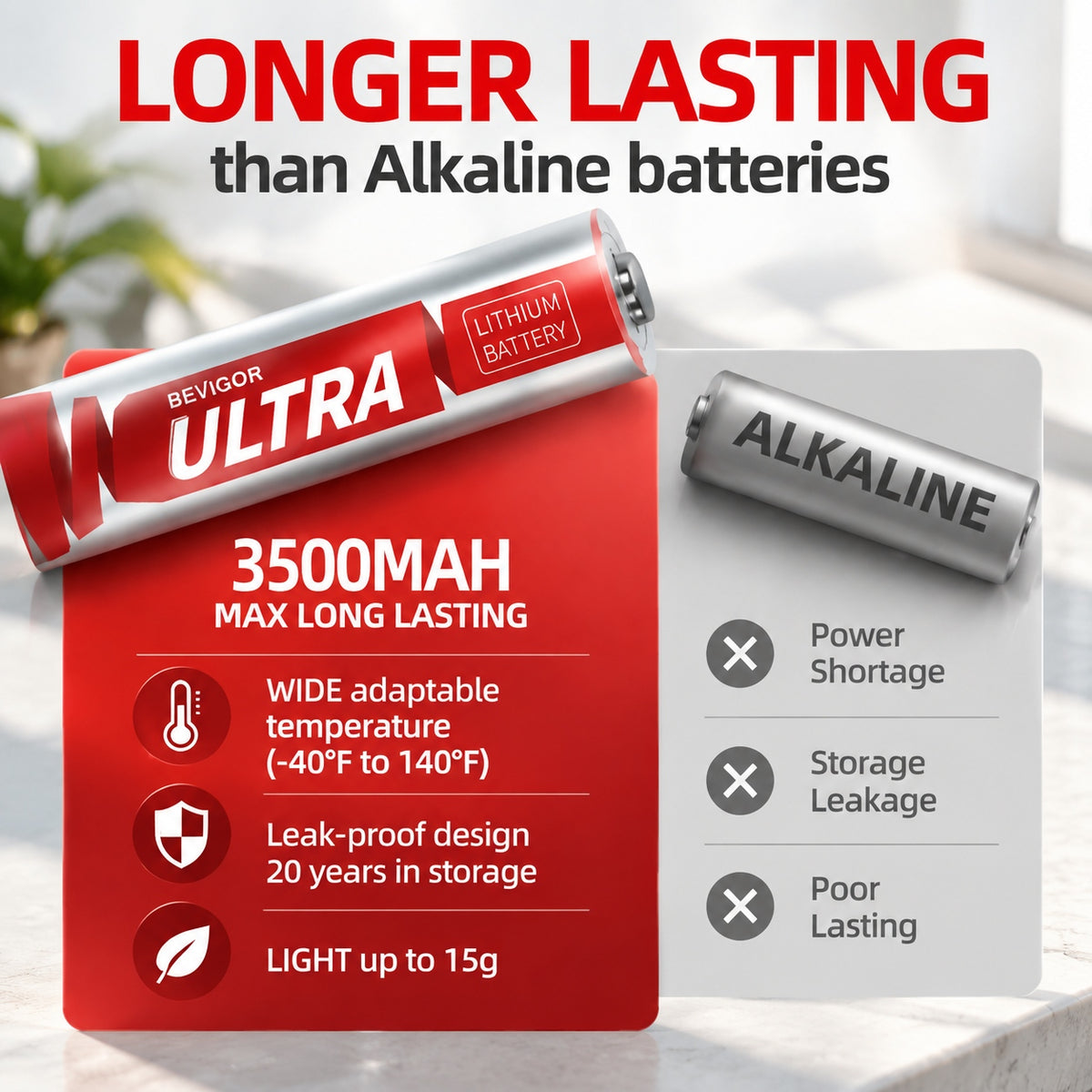
- Cold weather performance: capacity drops in freezing temps, which means more swaps.
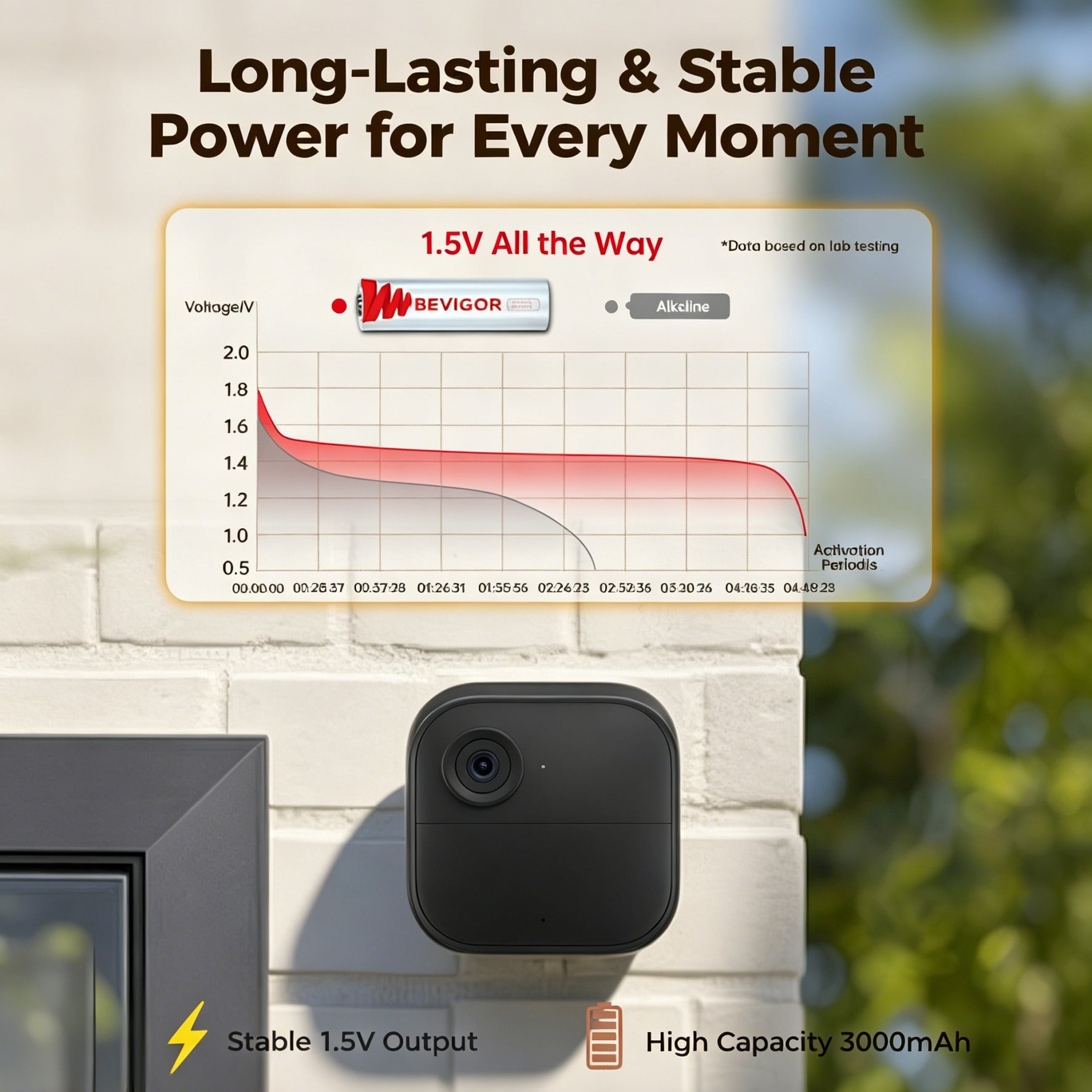
- Voltage sag under load: night IR draw can make the camera think the batteries are "dead" early.
- Leak risk: any battery can fail, but leakage is a real concern for outdoor gear.
If you're running a cold-weather AA battery setup for weeks at a time, alkaline is usually the first place things break.
Lithium AA batteries: steadier power when your camera needs it
For most hunters and wildlife watchers, the best lithium batteries for trail cameras are the ones that hold voltage better during high-drain moments and stay usable in the cold.
Main advantages you'll notice:
- Better cold-weather reliability
- Longer runtime per set
- Fewer surprise shutdowns
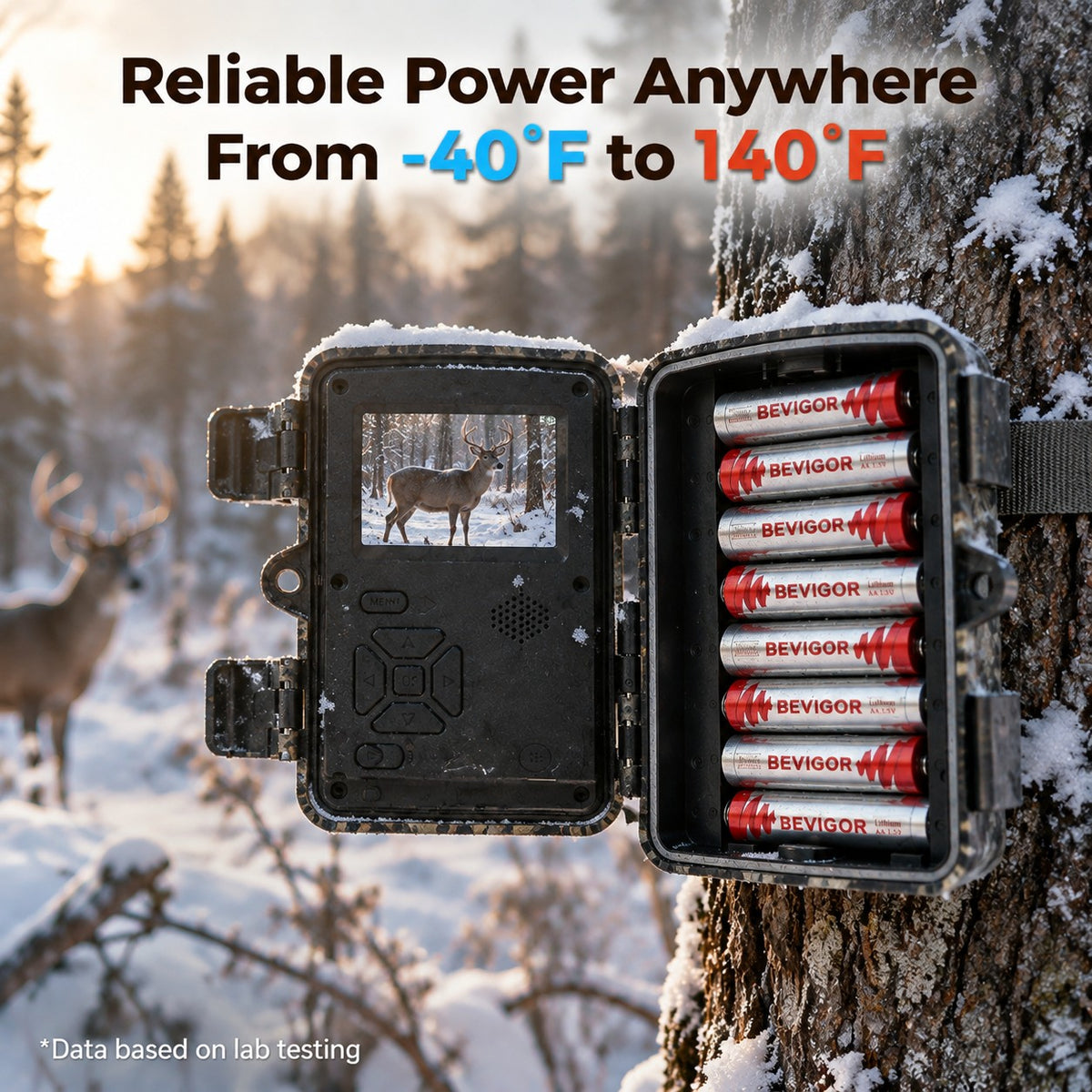
As one mainstream reference point, Energizer states its Ultimate Lithium batteries are designed for extreme temperatures from -40°F to 140°F (useful context for why lithium is often the go-to for winter deployments) in its Energizer Ultimate Lithium batteries specifications.
You can also discover from our other article on why lithium batteries are good for hunting cameras.
What is the best AA battery for cold weather trail cameras?
If your main goal is winter reliability, the answer is usually: a quality lithium AA.
That's why phrases like what is the best AA battery for cold weather and best batteries for cold weather trail camera show up so often—because cold is where "average" batteries fail first.
A quick, practical decision rule
Choose lithium batteries for trail cameras if any of these are true:
- You're hunting in freezing temps
- Your camera uses IR heavily at night
- You don't want to check batteries every week
- Your camera is mounted far from easy access
Choose alkaline if:
- You're in mild weather and checking the camera frequently
- You're doing a short test run and want the lowest cost up front
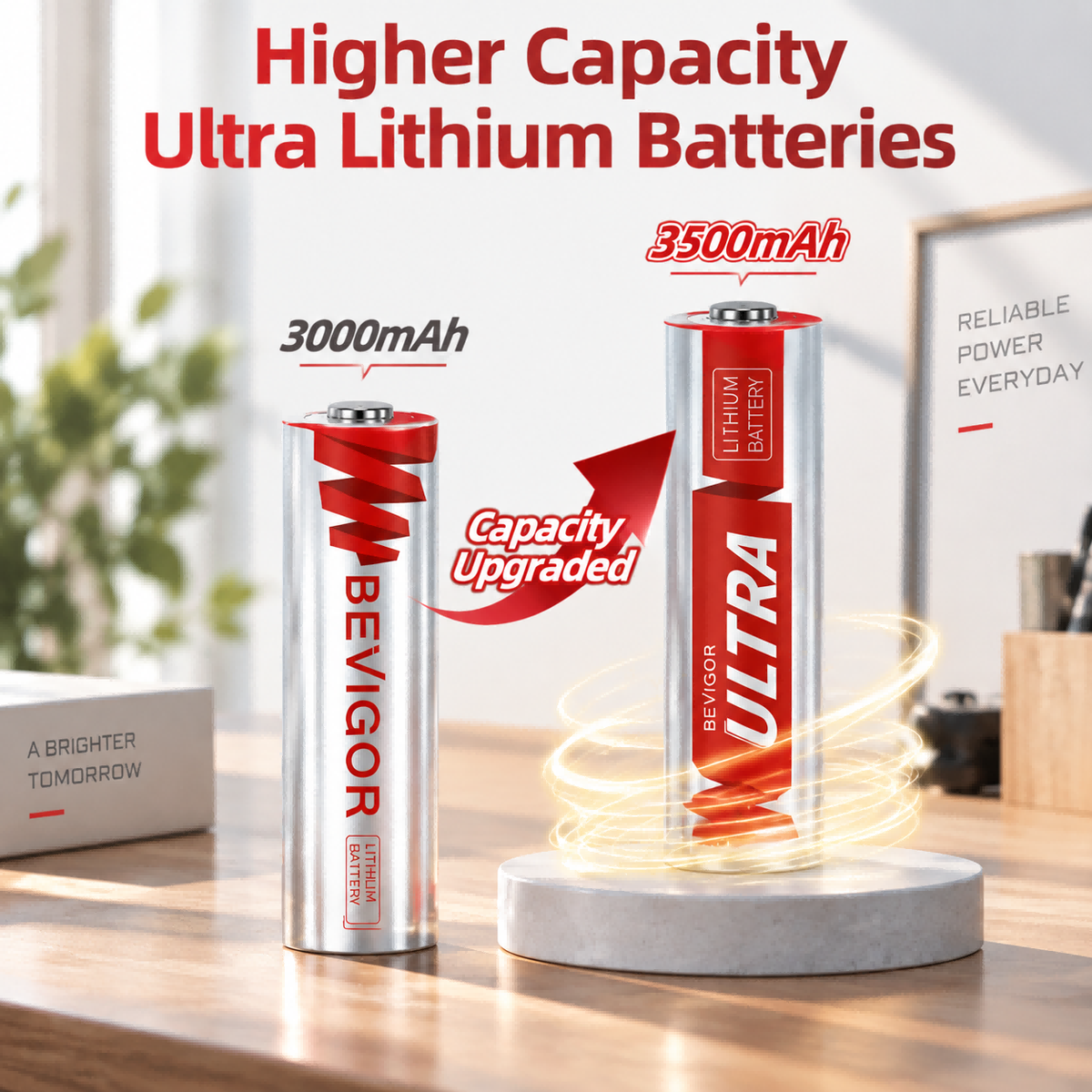
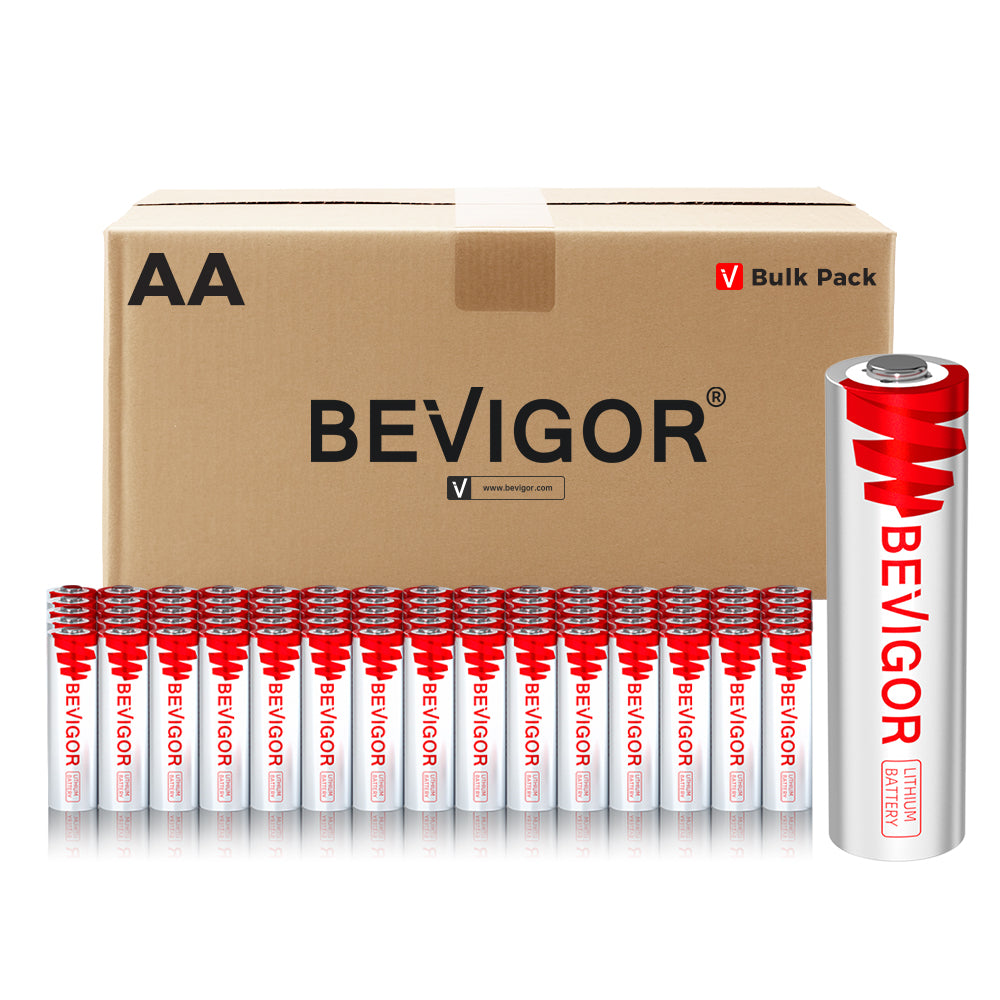
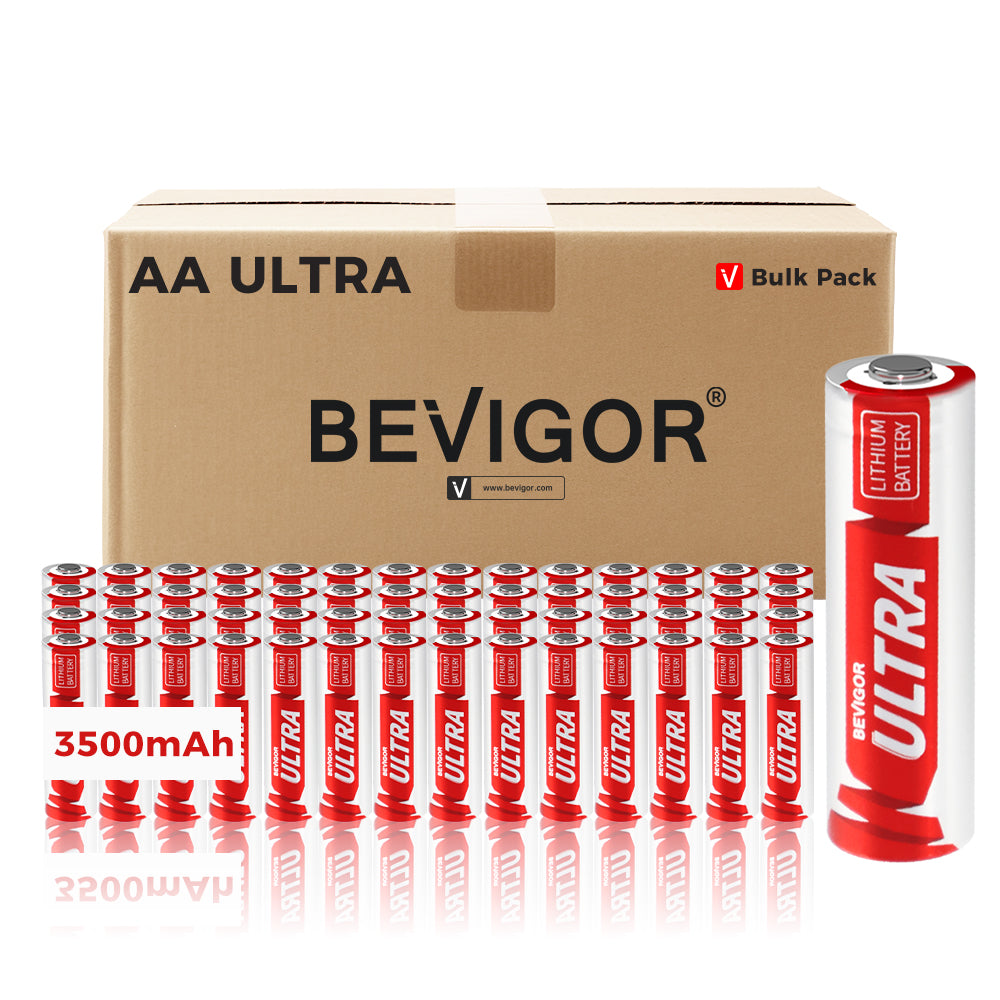
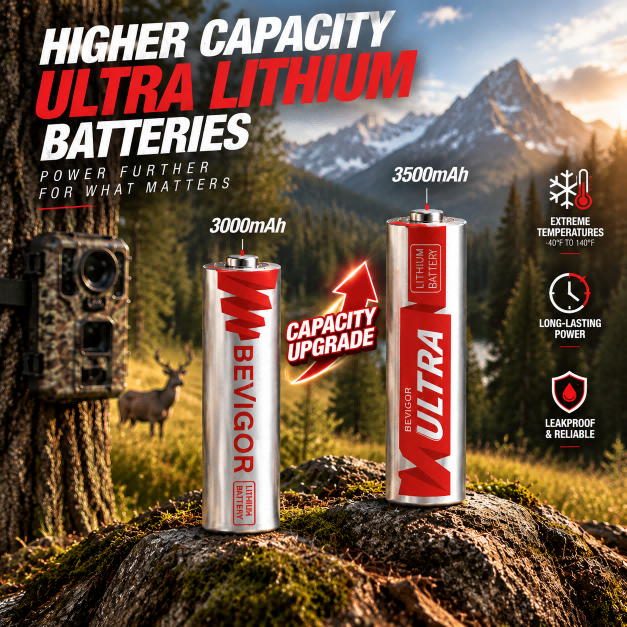
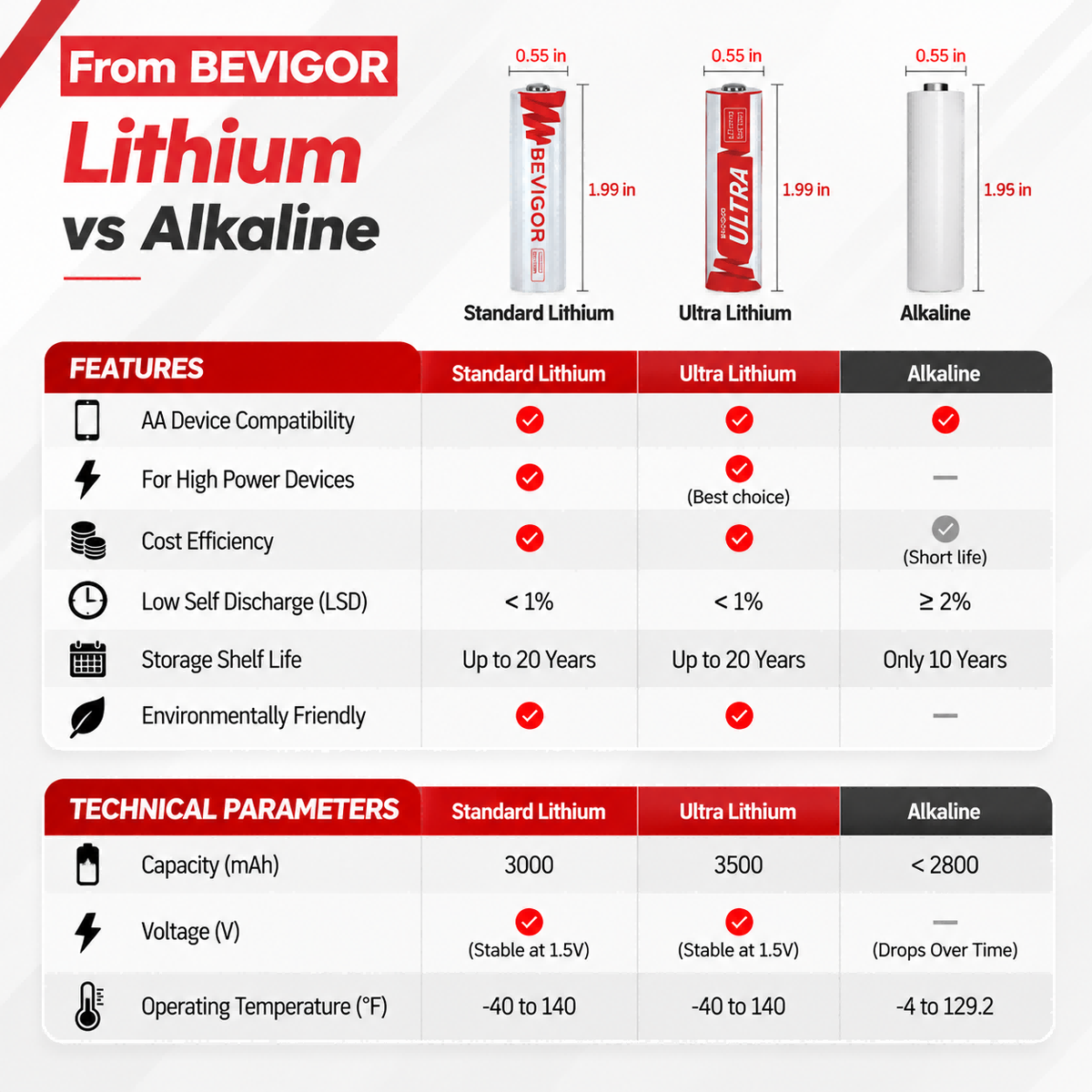
BEVIGOR lithium AA batteries for trail cameras (3000mAh vs 3500mAh)
If you want lithium performance but still care about value, BEVIGOR's options are built for high-drain devices and outdoor use.
A good starting point is the brand's overview page for lithium AA batteries for trail cameras, which is focused specifically on this use case.
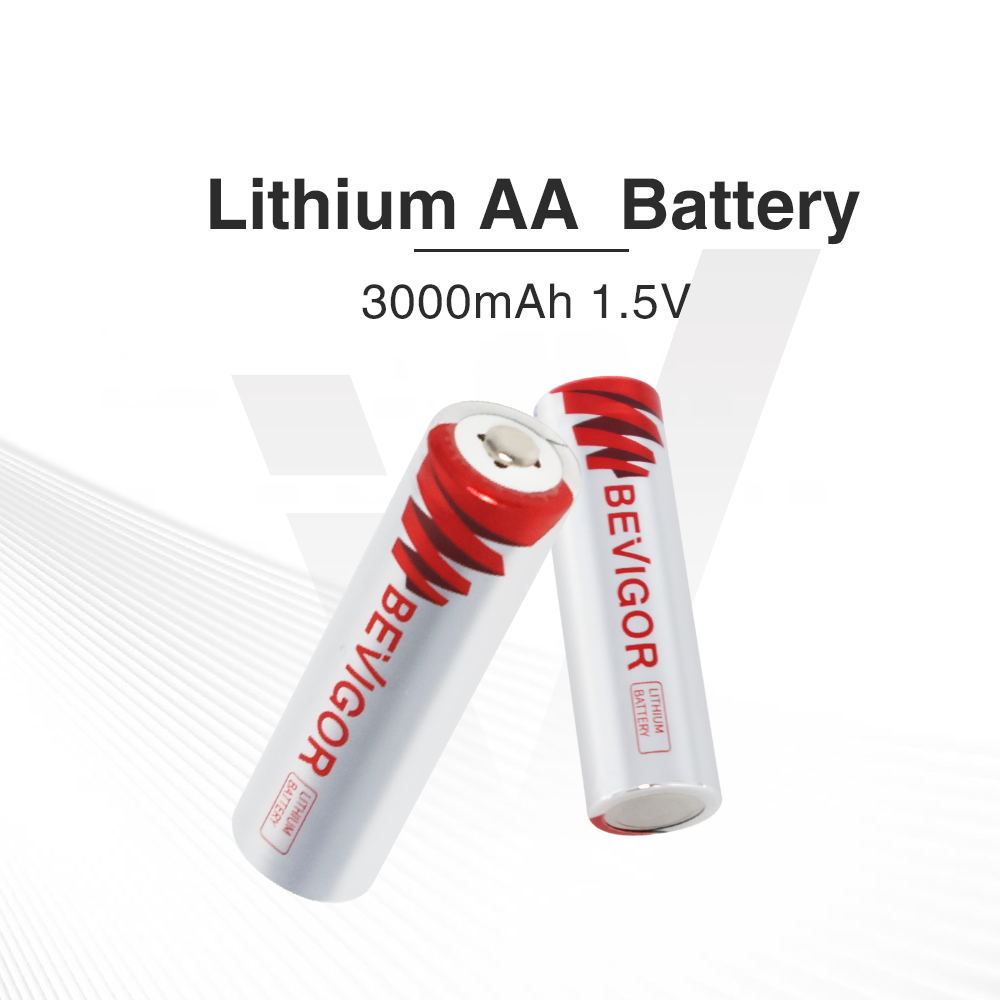
3000mAh: a strong everyday option
For most setups, BEVIGOR 3000mAh lithium AA batteries are a practical choice when you want long runtime without overthinking it.
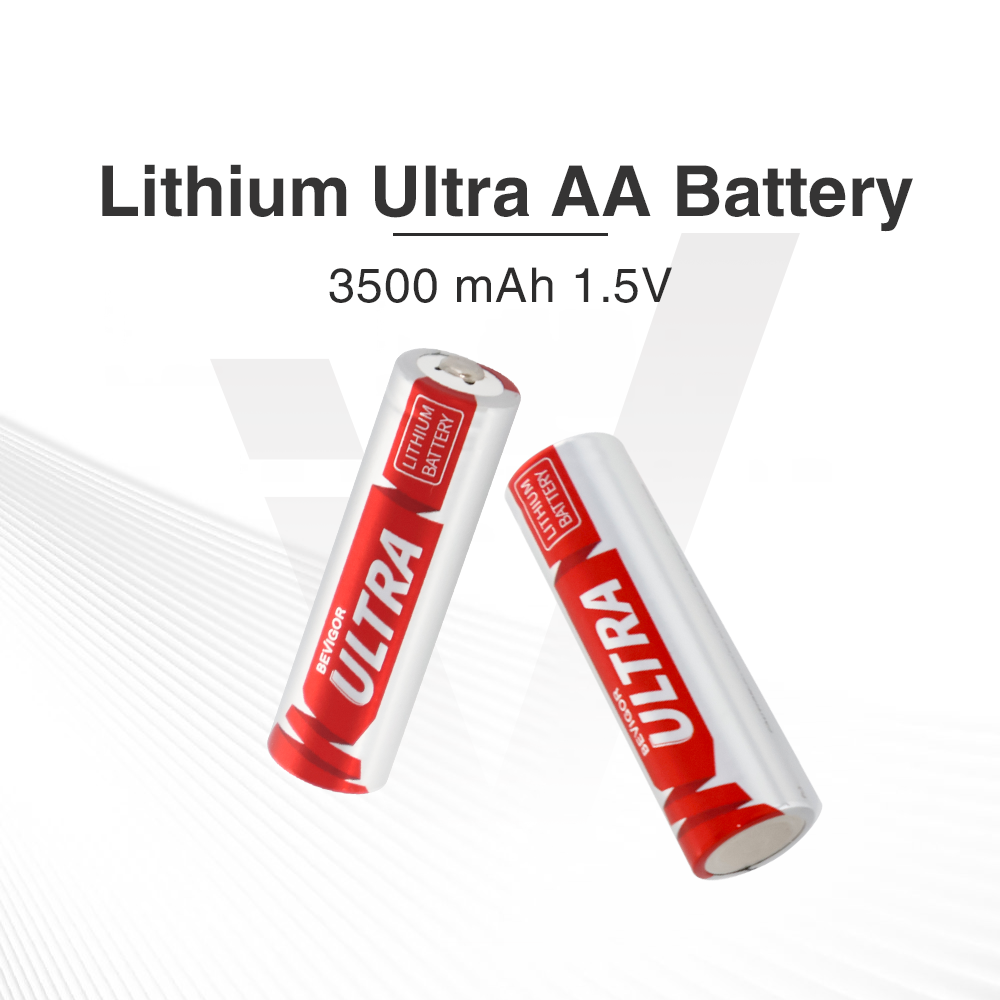
3500mAh: when you want the longest runtime possible
If your priority is fewer swaps—especially in winter—BEVIGOR Ultra 3500mAh lithium AA batteries are designed for higher capacity.
This is the category people are usually aiming for when they search longest-lasting AA batteries for trail cameras.
Best AA batteries for trail cameras: what matters more than brand
If you're trying to pick the best double-A batteries for trail cameras, it helps to ignore the marketing and focus on a few boring-but-important details.
Even if you're comparing best AA batteries for trail camera lists, these factors tend to matter most in real use:
- Cold performance (does it keep working when it's below freezing?)
- Voltage stability (does the camera stay happy during night shots?)
- Shelf life (can you store backups for the season without worry?)
- Leak protection and safety (especially for gear that sits unattended)
If you're troubleshooting inconsistent performance, start with battery type first (lithium vs alkaline), then look at camera settings.
Best batteries for game camera: a quick checklist
If you're searching best batteries for game camera results, use this as a quick filter:
- Choose lithium when you need cold-weather reliability or long check intervals.
- Choose alkaline only when temps are mild and you can swap often.
- If night photos matter, prioritize voltage stability over "cheap per pack."
FAQ: trail camera AA battery questions people actually ask
How many AA batteries most trail cams take?
It depends on the model, but many trail cameras take 8 or 12 AA batteries. Check your battery tray or manual—your runtime expectations should match the number of cells and how heavily you use night IR.
AA batteries cold weather: why do they die early?
Cold slows battery chemistry and increases internal resistance, which makes voltage drop faster under load. That's why AA batteries cold weather performance is often more about voltage stability than the "1.5V" label on the package.
AA battery for cold weather: Do rechargeables work?
NiMH rechargeables can work, but they often show weaker cold performance and can have a different voltage behavior than lithium primary cells. If you need the simplest, most reliable winter setup, lithium is usually the safer pick.
Next steps: get fewer battery swaps this season
If your goal is the best battery for trail cameras with less hassle in cold weather, start by switching to lithium and tightening up a few camera settings (IR intensity, photo burst length, and trigger sensitivity can all affect runtime).
And if you want a deeper breakdown of expectations, this guide on how long batteries last in a trail camera can help you plan your swap schedule before your next trip.



Share:
Blink Camera Battery Types and Compatibility Guide
Are 1.5V Lithium Batteries Better Than Alkaline?