

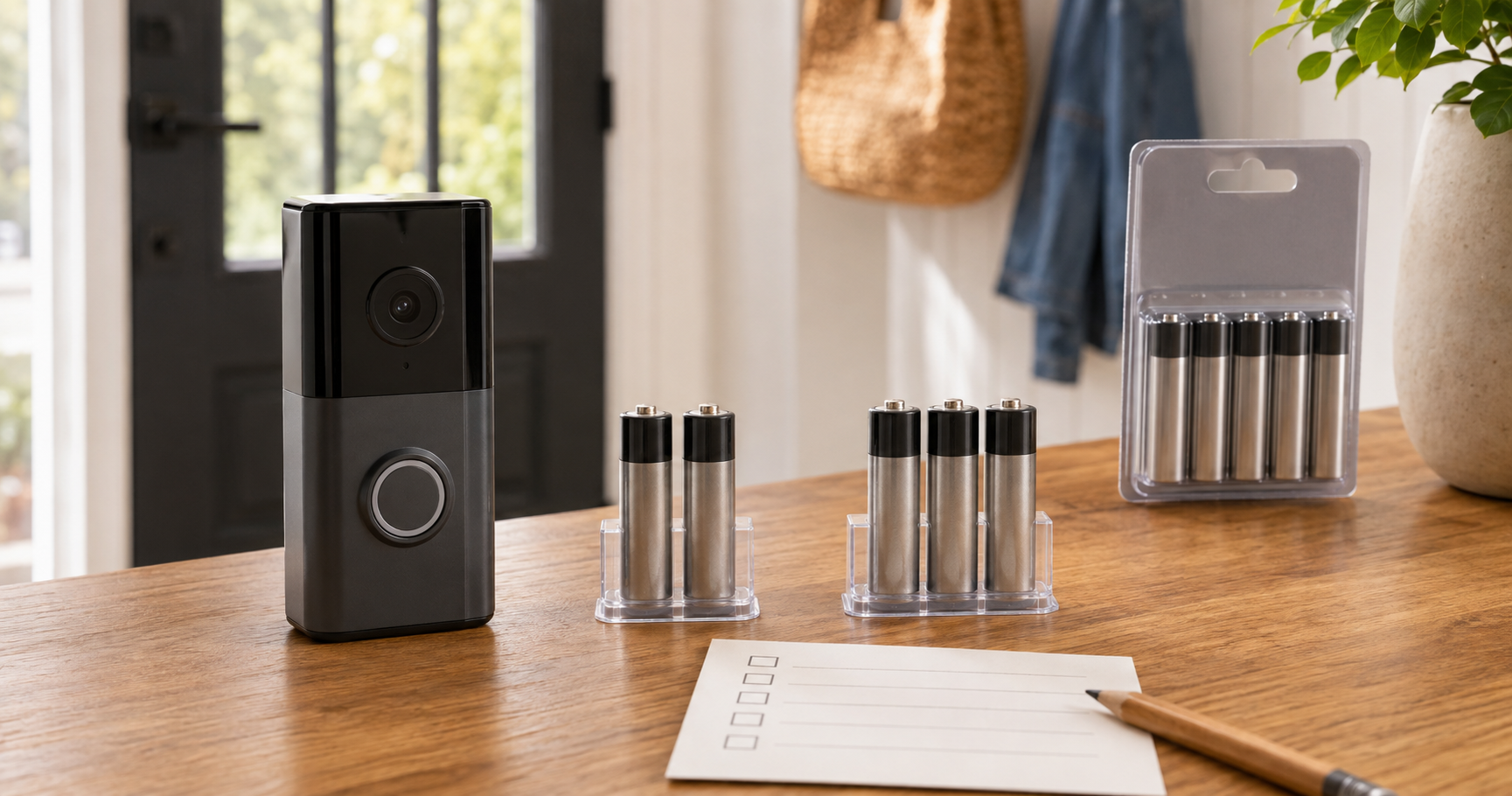
There is no universal best AA lithium battery for every video doorbell. The right choice starts with the exact device model and its current manual—not with battery capacity, price, or a compatibility claim on a retailer page.
Some video doorbells use disposable AA cells, some use proprietary rechargeable packs, and some are wired-only. Even among AA-powered models, the required cell count, chemistry, voltage, and battery brand can differ. Confirm those requirements before comparing products.
A Quick AA Battery Buying Checklist
| Check | What to verify | Why it matters |
|---|---|---|
| Doorbell model | Full model name in the app, label, or manual | Products from the same brand may use different power systems |
| Cell size and count | AA size and the exact number of cells | A pack must fit the compartment and replace the complete set |
| Nominal voltage | The voltage printed on both the manual and battery label | Same-size batteries can have different voltage profiles |
| Chemistry | Primary lithium, alkaline, NiMH, or another specified chemistry | Chemistry affects compatibility, rechargeability, and device reporting |
| Rechargeability | “Non-rechargeable” or an approved rechargeable system | A primary battery must never be charged |
| Brand requirement | Whether the device maker names a specific battery brand or model | A general electrical match does not override a model-specific instruction |
| Pack size | Enough cells for complete matched replacements without excessive storage | Oversized packs can sit unused longer than intended |
If any item is unclear, pause and check the manufacturer's current support page. Physical fit alone does not establish electrical compatibility.
Start With the Doorbell, Not the Battery Brand
Before comparing AA lithium batteries for video doorbells, determine whether the device actually accepts replaceable AA cells. Do not assume that “battery doorbell” means AA-powered or that “wired” means battery-free.
Blink's current video doorbell comparison illustrates the problem. Its original Video Doorbell uses two Energizer AA 1.5-volt lithium non-rechargeable batteries. The Video Doorbell (2nd Gen) and Battery Doorbell 2K+ use three. The separate Wired Doorbell 2K+ uses no batteries. These requirements are specific to those Blink models and should not be generalized to another brand or device.
The practical rule is simple: match every item in the manufacturer's current specification, including a named battery brand when one is provided. Do not substitute alkaline, NiMH, rechargeable lithium-ion AA, or another chemistry solely because the cell fits.
Understand What the AA Label Does—and Does Not—Tell You
“AA” describes a physical battery size. It does not tell you the chemistry, voltage, capacity, or whether the cell is rechargeable.
Nominal voltage
Check the nominal voltage printed on the battery and in the device instructions. Many primary lithium AA products are labeled 1.5V, while common NiMH rechargeables are labeled 1.2V. Rechargeable lithium-ion products sold in an AA form factor can use internal electronics and different charging systems. These categories are not interchangeable by default.
Chemistry and rechargeability
“Lithium” is not a complete compatibility description. A primary lithium AA is non-rechargeable. A rechargeable lithium-ion AA is a different product and must be used only where the device maker permits it. Never place a battery marked non-rechargeable in a charger.
For a deeper explanation of these distinctions in Blink devices, see BEVIGOR's guide to rechargeable batteries in Blink cameras.
Capacity ratings
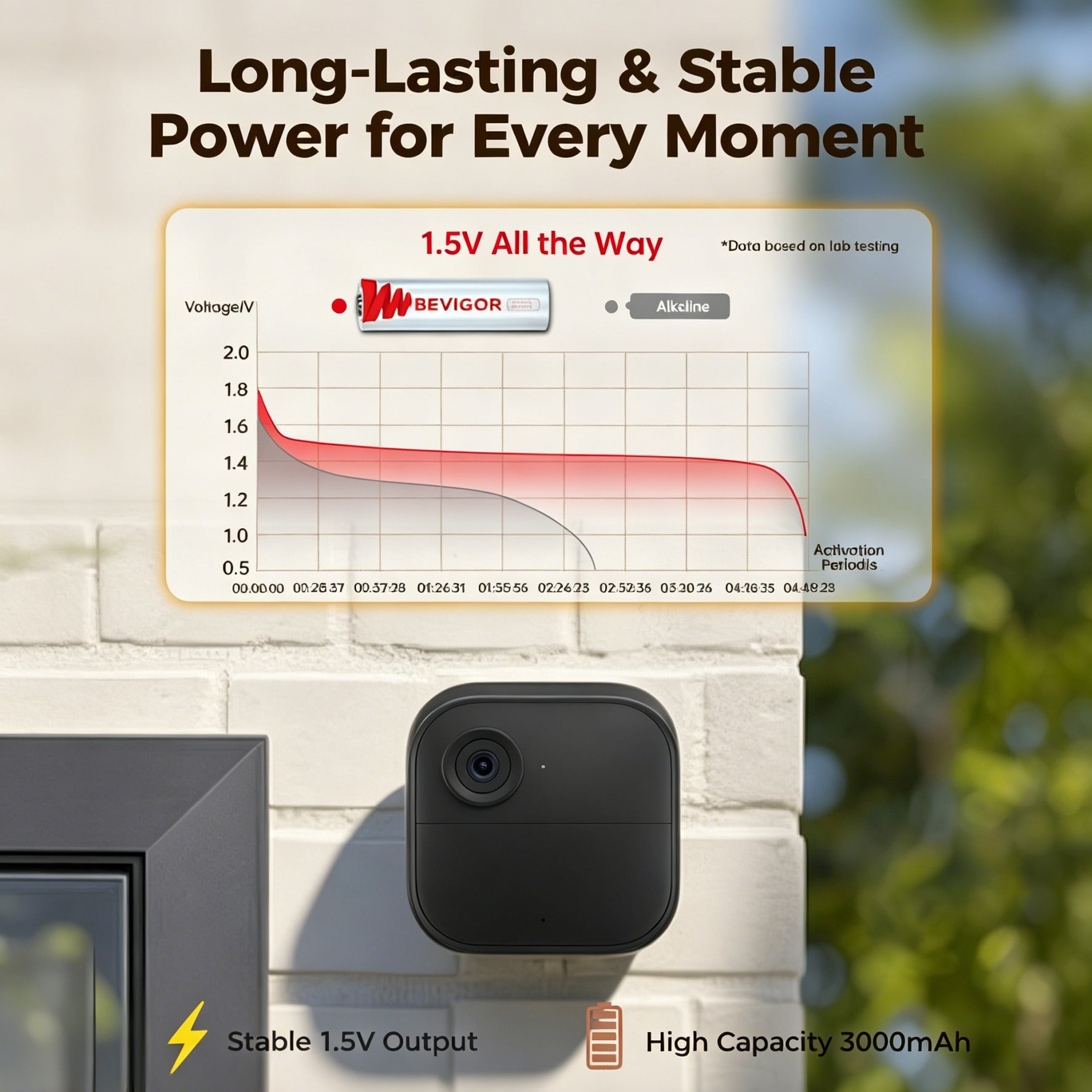
A capacity figure can help compare products within the same chemistry and test conditions, but it does not predict a fixed number of months in a doorbell. Motion events, clip length, Live View, two-way audio, infrared use, temperature, signal quality, firmware, and device settings can all affect service life.
Compare capacity only after the size, voltage, chemistry, rechargeability, and manufacturer requirements match. Treat any fixed runtime promise without stated conditions as a reason to look more closely.
Compare Product Labels in the Right Order
Use this sequence when evaluating a package or product page:
- Confirm the full doorbell model and current power requirement.
- Match the required cell size and count.
- Match the nominal voltage.
- Match the chemistry and rechargeable or non-rechargeable designation.
- Follow any battery brand or model named by the device manufacturer.
- Check the product's date coding, package condition, storage directions, and warranty information.
- Only then compare capacity, price per cell, pack size, and availability.
This order prevents a high capacity number or low price from distracting from a basic compatibility mismatch.
What “Best” Should Mean in a Buying Guide
There is no universally best AA battery for every video doorbell. A useful recommendation starts with compatibility, then considers label clarity, purchase quantity, and the quality of the evidence behind performance claims.
| Decision factor | Useful evidence | Reason to be cautious |
|---|---|---|
| Device compatibility | A current manufacturer manual or support page that matches the exact model | A fit-based claim that mentions only “AA” |
| Label clarity | Size, nominal voltage, chemistry, rechargeability, quantity, and manufacturer details are easy to find | Important specifications are missing or described only with broad marketing terms |
| Pack value | The quantity fits complete replacement sets plus a practical reserve | A low unit price encourages more stored inventory than the household is likely to use |
| Performance | Test conditions, chemistry, device, and measurement method are disclosed | A universal month count or percentage comparison without test details |
| Seller support | Contact, return, and warranty information can be reviewed before purchase | Approval, endorsement, or compatibility is implied without manufacturer evidence |
Use these factors in order. A clear label and attractive pack price cannot override a device maker's explicit battery requirement. Likewise, a capacity number is useful only after the product has passed the compatibility check.
How to Think About Pack Size
The cheapest price per cell is not always the best household value. Start with the number of AA-powered devices, the cells required per device, and a realistic replacement interval based on your own use.
For example, a home with one two-cell device needs fewer batteries in rotation than a property with several three-cell devices. Buy enough for complete matched replacement sets plus a reasonable spare set. Avoid mixing old and new batteries or combining different products in one device.
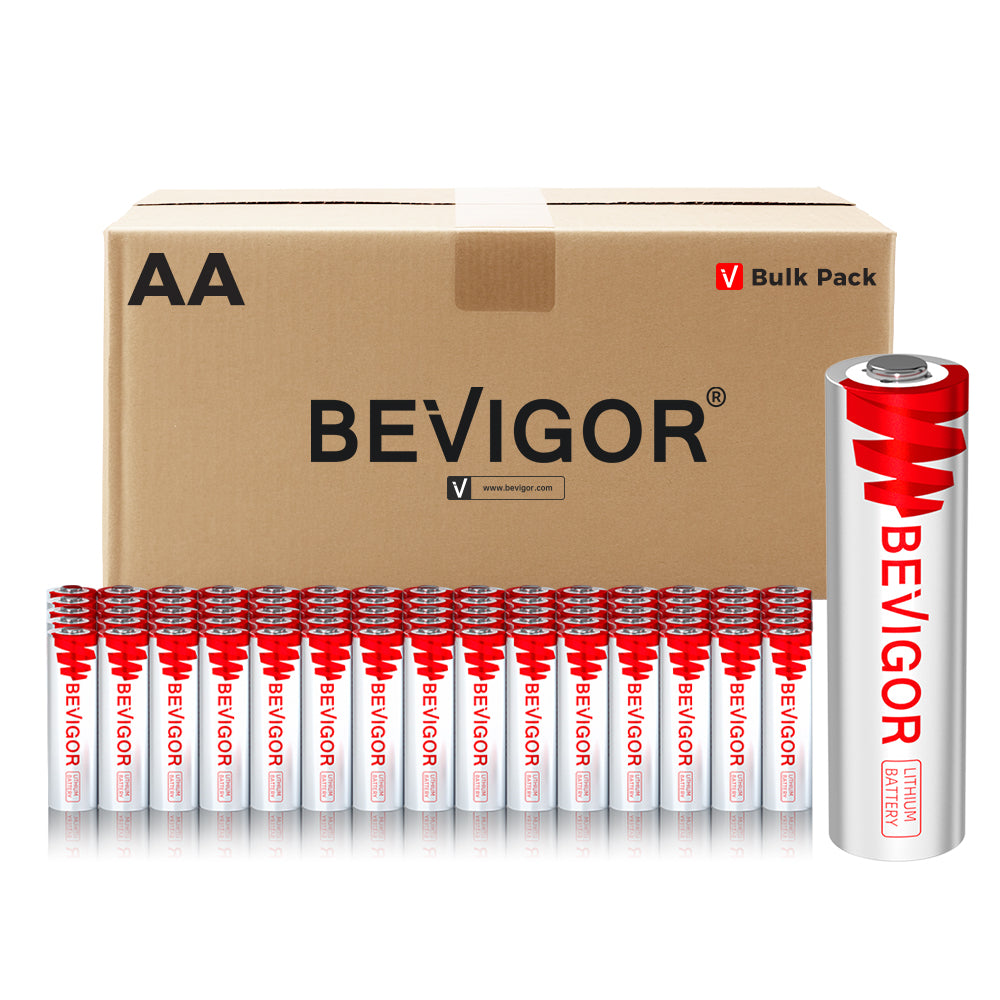
Store unused batteries in their original packaging in a dry location, away from loose metal objects and out of children's reach. Do not buy a very large pack solely for a lower unit price if much of it may remain unused for years. BEVIGOR's AA battery pack-sizing guide offers a household inventory method for estimating a practical quantity.
Comparing the Current BEVIGOR Product Label
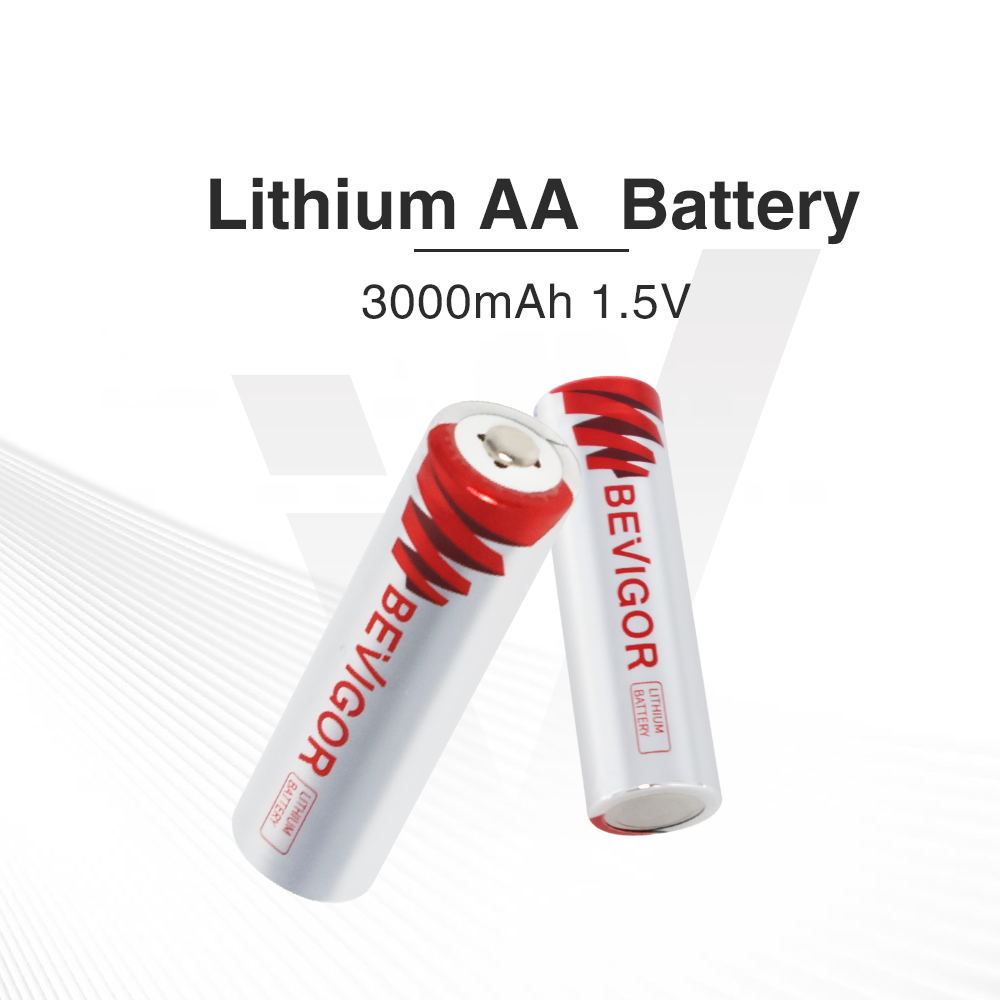
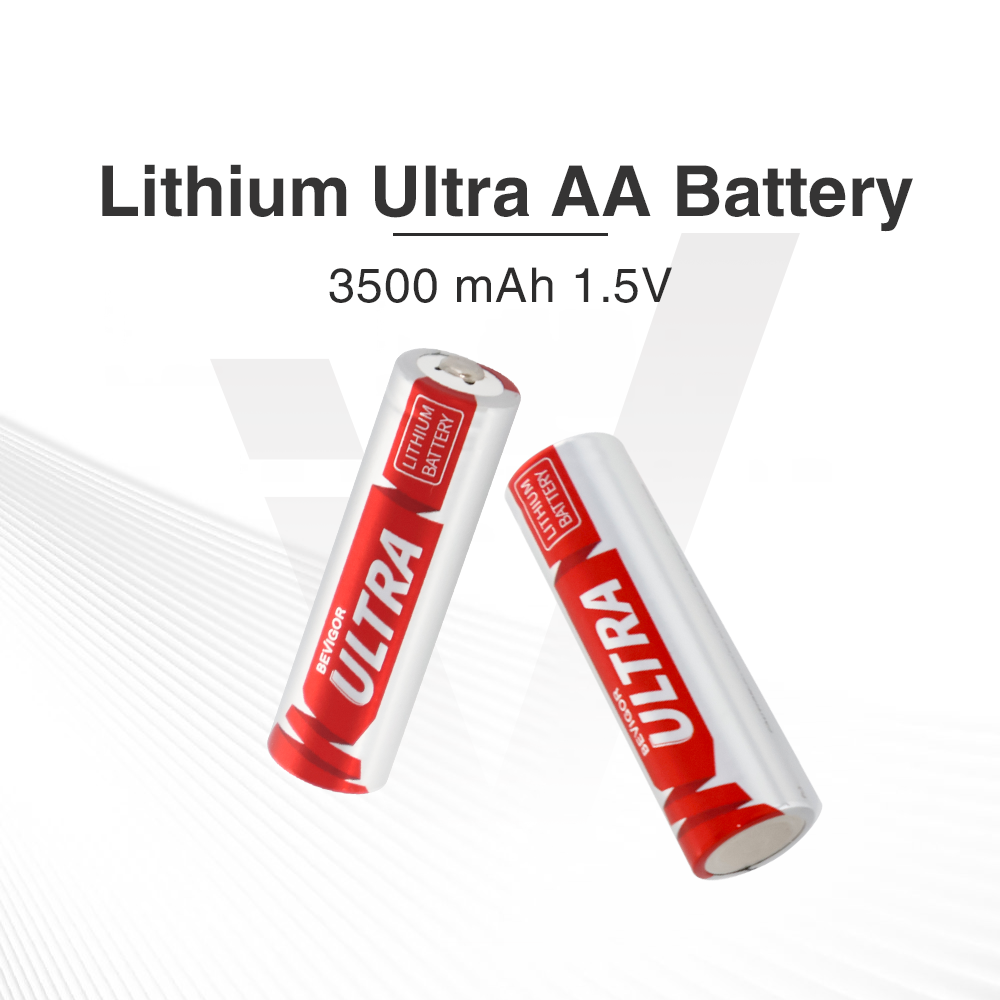
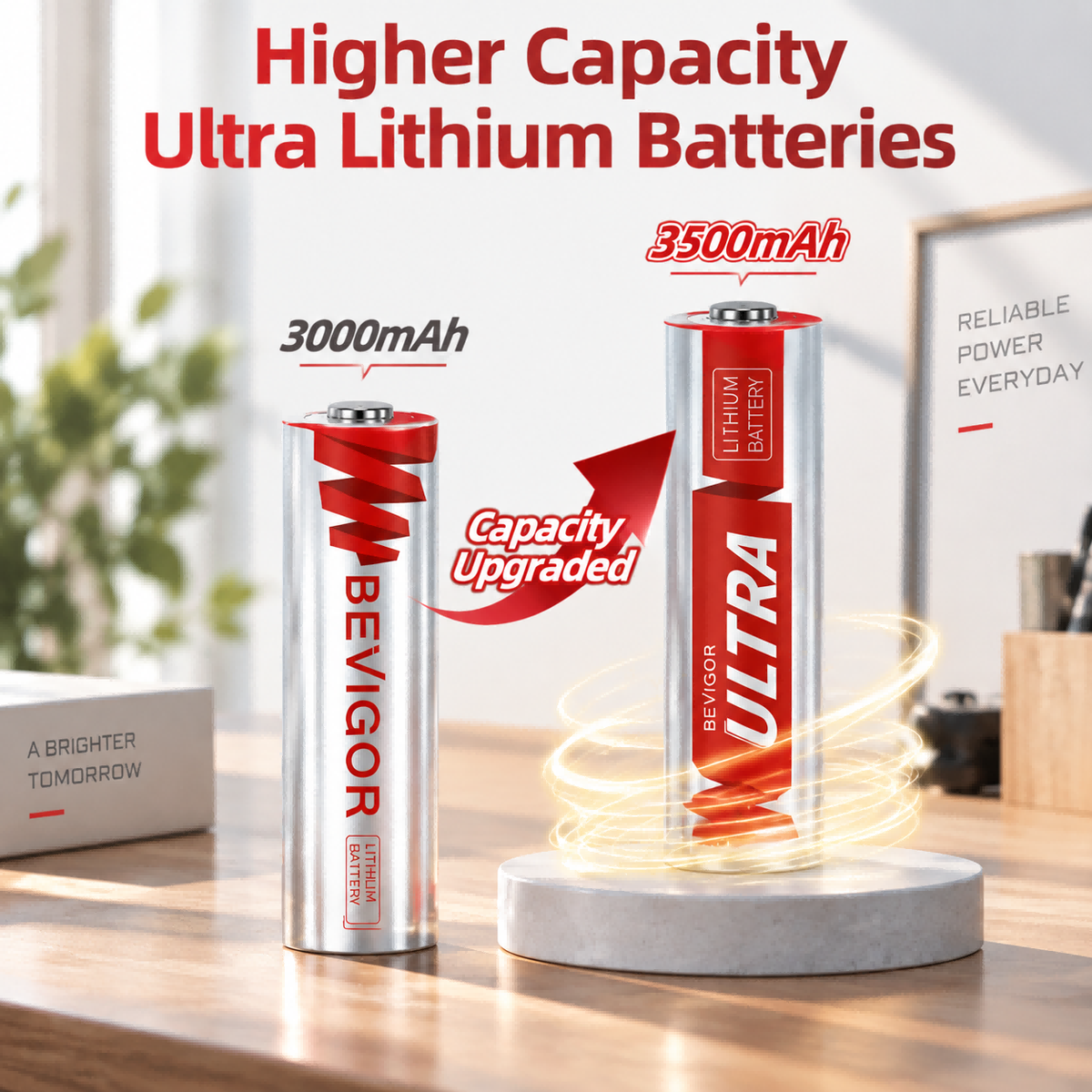
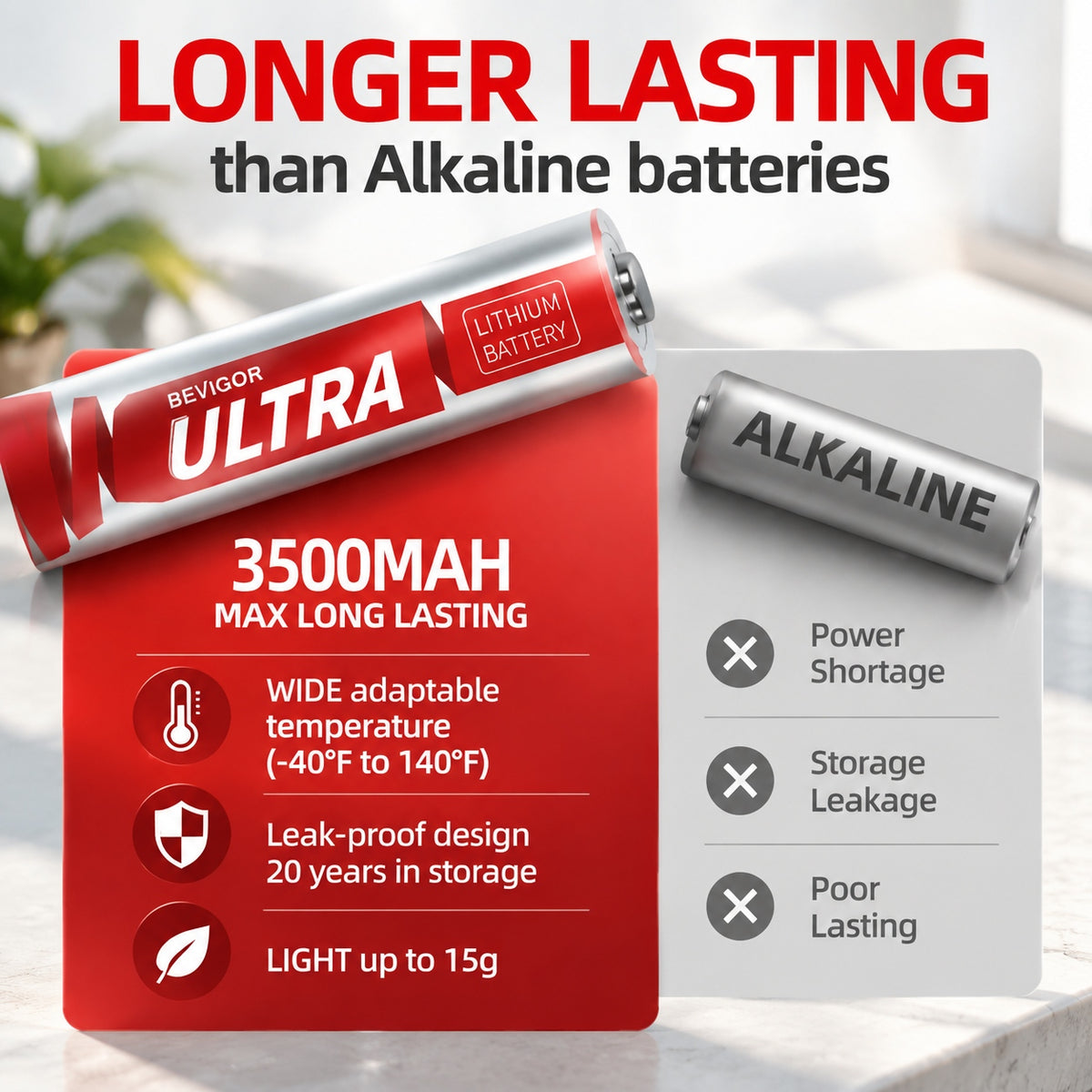
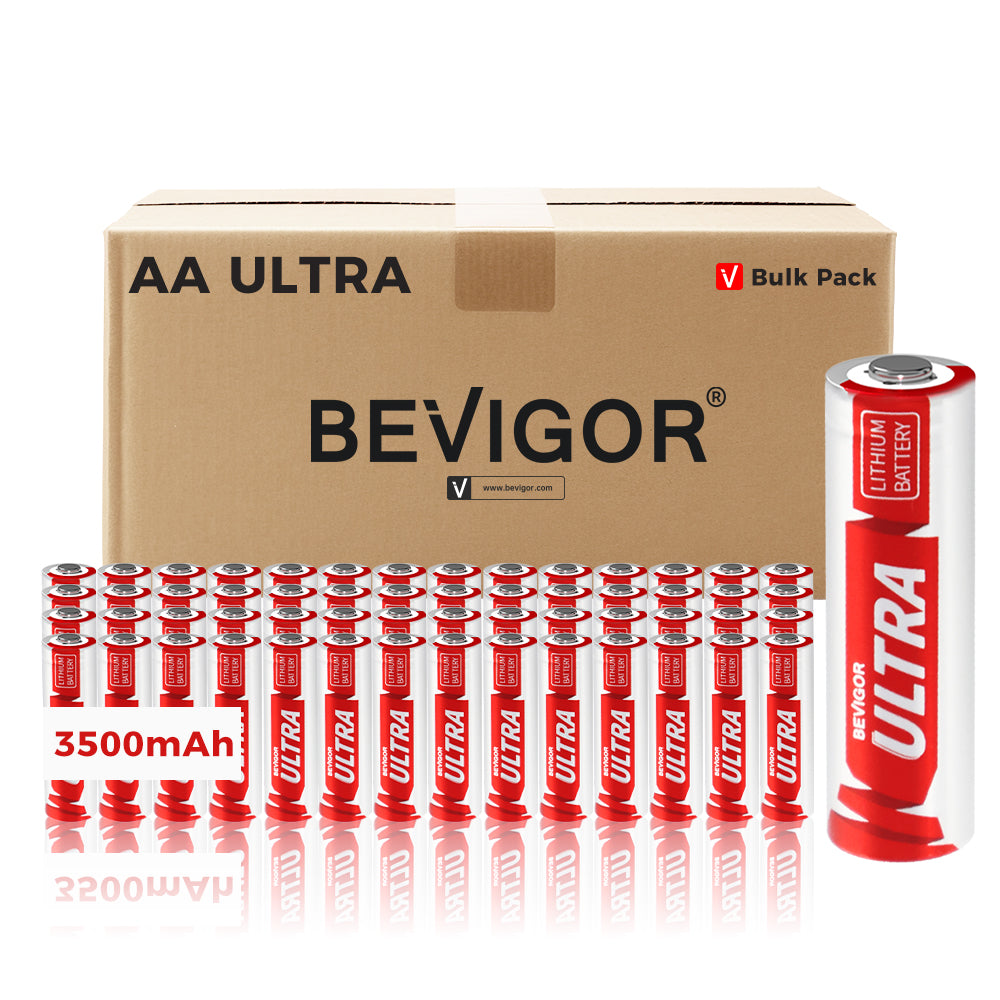
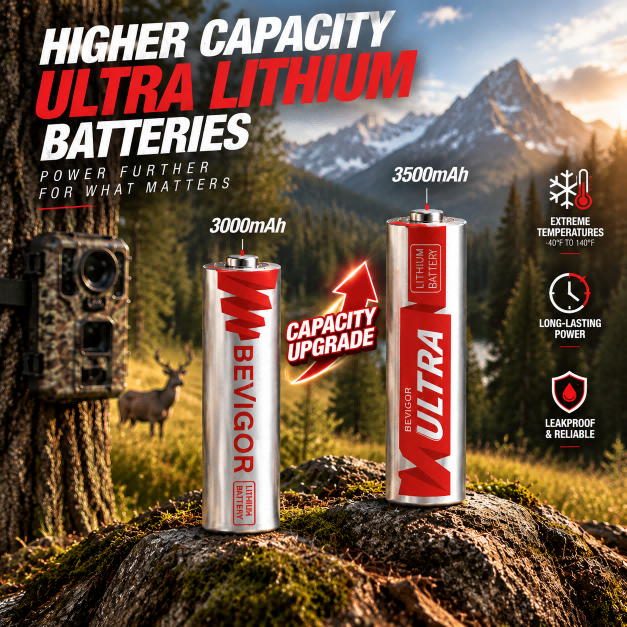
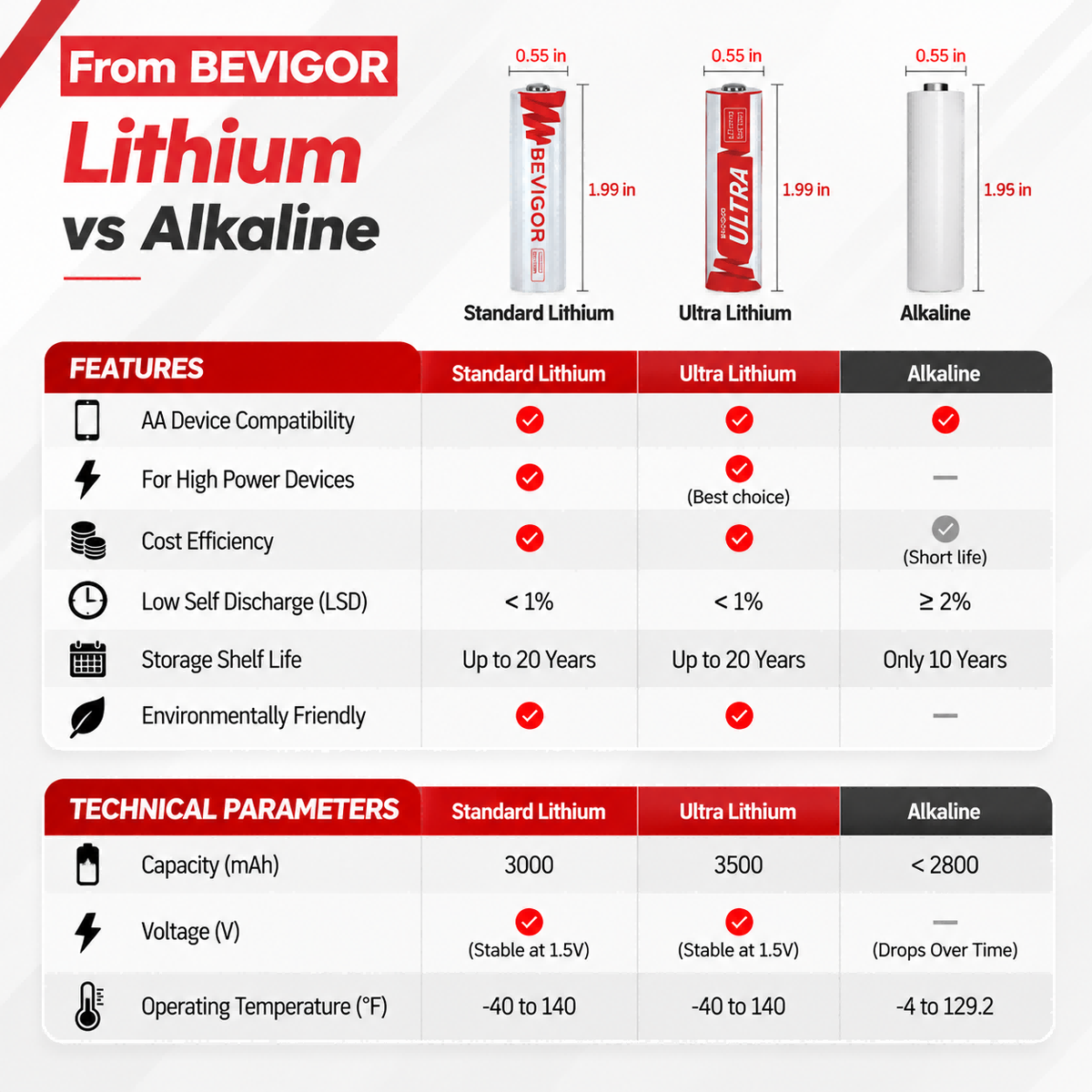
The current BEVIGOR 3000mAh lithium AA product page labels the cells AA, 1.5V, lithium, and non-rechargeable, with consumer pack sizes from 12 to 72 cells. Those facts can be compared with a device manual, but they do not by themselves establish compatibility, approval, or equivalent runtime in a particular video doorbell.
Blink's current comparison names Energizer batteries for its battery-powered Video Doorbell models. Follow Blink's model-specific instruction rather than treating BEVIGOR's general electrical label as a substitute recommendation. BEVIGOR is not affiliated with, endorsed by, or certified by Blink or Amazon.
For another video doorbell brand, repeat the same process using that manufacturer's current documentation. Do not transfer Blink's requirements to a different product.
Replace Complete Sets and Track Your Own Results
When the device maker calls for multiple replaceable cells, use a complete fresh matched set. Record the installation date, exact battery product, device settings, and any unusual weather or activity. Your own record is more useful than a universal runtime promise because it reflects the installation that you actually operate.
If service life changes sharply, check the device maker's troubleshooting guidance before assuming the batteries are defective. Network conditions, motion volume, settings, and environmental exposure may have changed.
For Blink-specific model identification, replacement steps, and post-installation checks, use BEVIGOR's Blink Video Doorbell battery guide. Keeping those service instructions separate prevents this buying page from being mistaken for a device service guide.
Store and Dispose of Used Batteries Responsibly
Keep new and used batteries separated. Do not recharge, crush, puncture, burn, or use a battery with a damaged wrapper, leakage, swelling, or unusual heat.
Disposal rules and accepted collection programs vary by battery chemistry and location. Consult the US EPA used-household-battery guide, the battery label, and your local or state solid-waste authority for current instructions.
Frequently Asked Questions
Are all AA lithium batteries interchangeable in video doorbells?
No. AA describes size, not complete compatibility. Match the device maker's stated voltage, chemistry, rechargeability, cell count, and any named battery brand or model.
Does a higher mAh rating guarantee longer doorbell battery life?
No. Capacity must be compared within compatible products and stated test conditions. Actual service life also depends on the doorbell, settings, activity, signal quality, environment, and battery condition.
Can I use rechargeable AA batteries instead?
Only if the manufacturer permits the exact rechargeable chemistry and voltage system. Do not substitute a rechargeable cell based on size alone, and never recharge a primary battery.
Should I buy the largest available pack?
Not automatically. Estimate complete replacement sets for the devices you own, add a practical spare quantity, and consider how long the remaining cells will be stored.
Are BEVIGOR AA lithium batteries approved for Blink doorbells?
No such approval is claimed here. BEVIGOR's current product label lists AA, 1.5V, lithium, and non-rechargeable specifications, while Blink's current doorbell comparison names Energizer batteries. Follow Blink's instructions for the exact model.



Share:
How Cold Weather Affects Lithium AA Battery Performance
Where to Buy AA Lithium Batteries: Best Bulk Deals & Buying Guide