


Short answer: for Blink models that use replaceable AA batteries, check the instructions for the exact model. Blink says its named AA-powered cameras are designed for AA, 1.5-volt lithium, non-rechargeable batteries. Blink currently recommends Energizer Lithium batteries for optimal performance and notes that performance may vary with other battery types.
This guide focuses on two practical questions: what requirements to check before buying AA lithium batteries for Blink cameras, and what affects real-world battery runtime after installation. It does not replace the current instructions for a specific camera model or generation.
AA Lithium Battery Requirements for Blink Cameras
Blink's current camera battery guide recommends Energizer Lithium 1.5-volt non-rechargeable batteries for optimal performance. Confirm AA size, 1.5V nominal voltage, lithium chemistry, and non-rechargeable construction.
These terms work together. AA describes a physical size, but it does not establish chemistry or rechargeability. An alkaline AA, a typical 1.2V NiMH rechargeable AA, a regulated rechargeable lithium AA, and a higher-voltage 14500 lithium-ion cell are different battery categories.
For the detailed chemistry, voltage, and rechargeability comparison, use our Blink camera battery compatibility guide. This article keeps that technical comparison on its dedicated page.
Confirm the Exact Blink Model Before Buying
Do not buy batteries from the Blink brand name alone. Some Blink products use replaceable AA batteries, while others use USB, USB-C, hardwired power, or model-specific accessories. Confirm the full model and generation in the Blink app, on the device label, or in the current support documentation.
Also confirm how many cells make one complete replacement set. Replace the complete set with fresh matching batteries. Do not combine new cells with partly used cells or mix brands, battery models, chemistries, or ages in one device.
How Long Do Blink Camera Batteries Last?
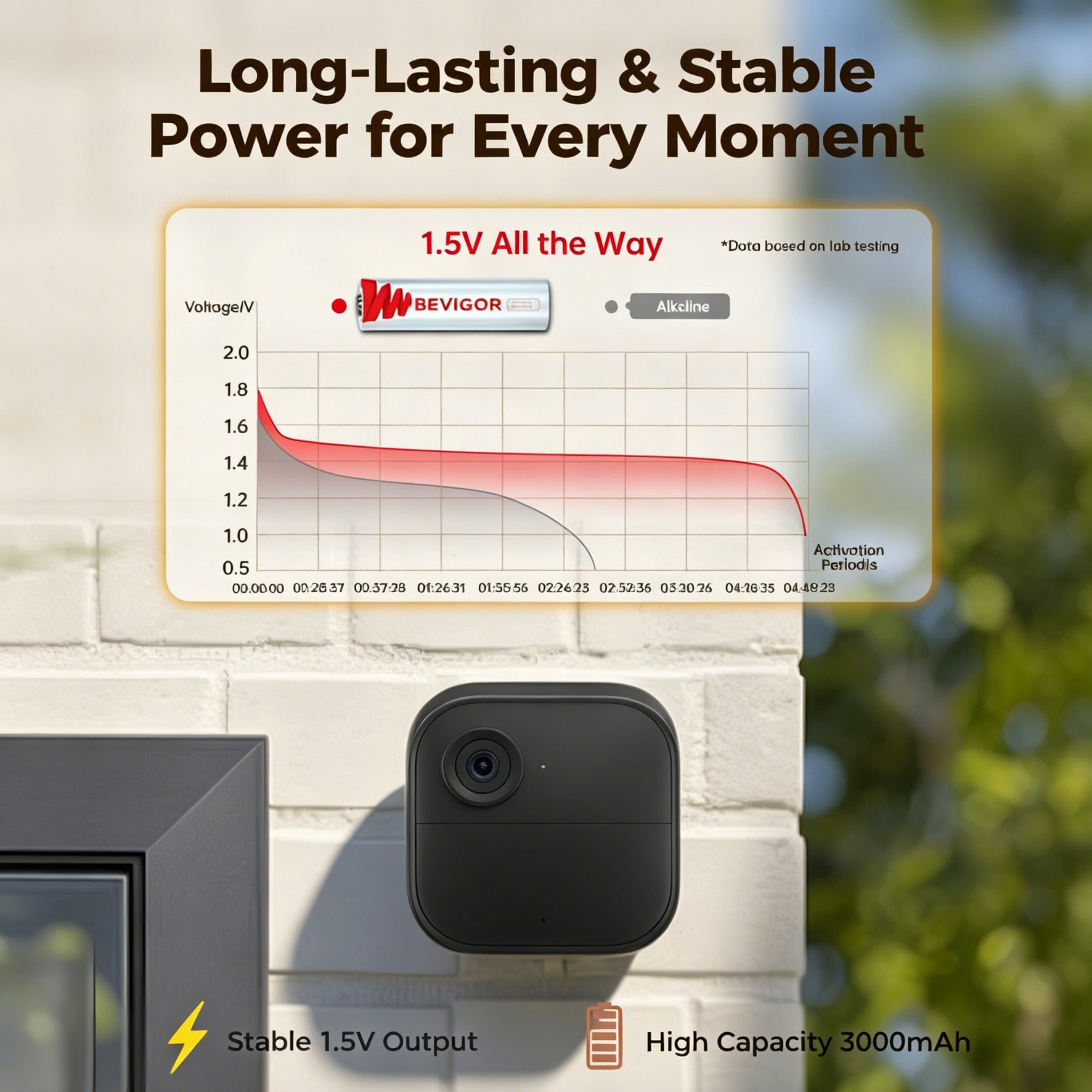
Blink says battery life of up to two years is expected under default settings. The company also states that actual battery life varies with device settings, use, and environmental conditions. “Up to two years” is therefore a conditional system estimate—not a guaranteed replacement interval for every camera or battery brand.
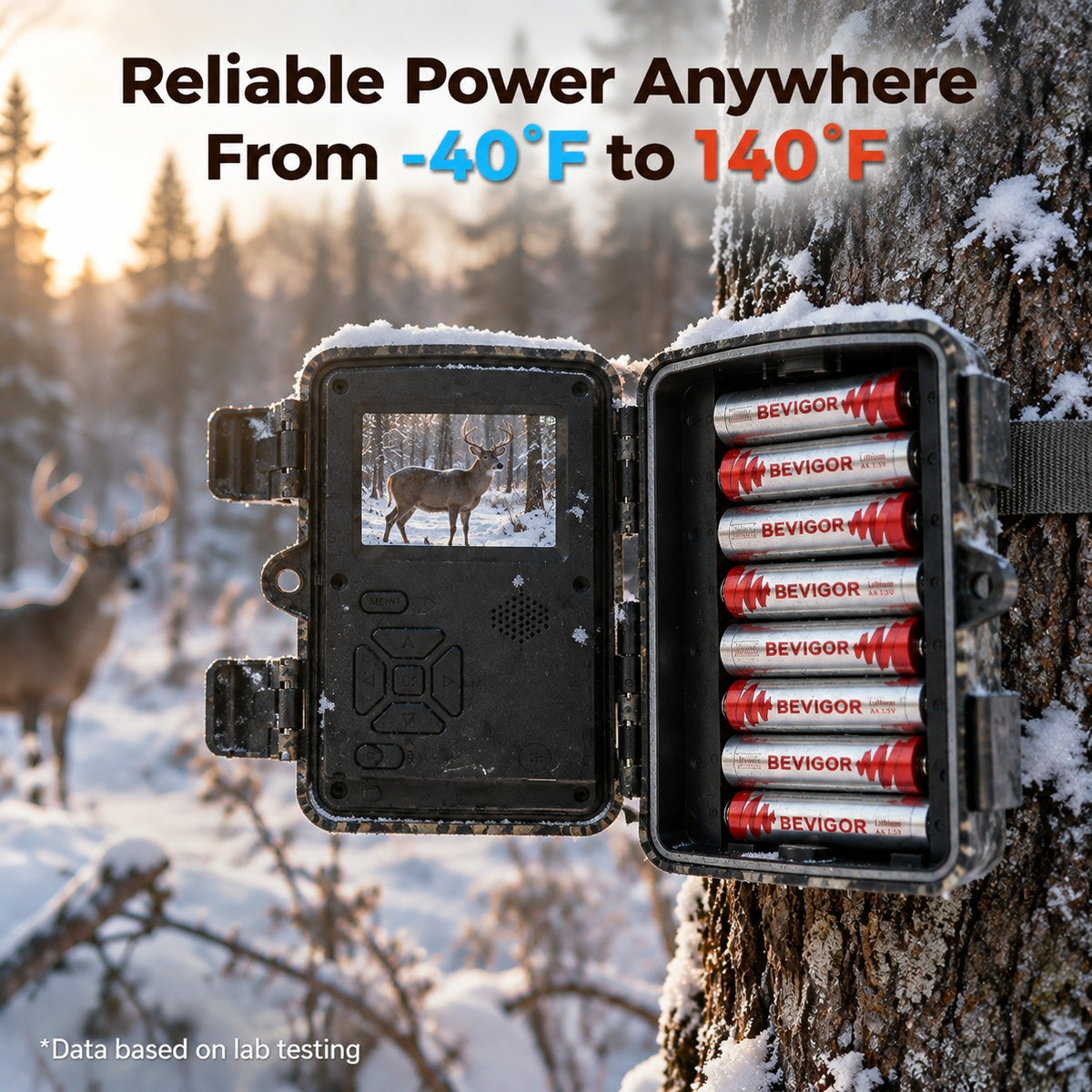
Blink's current battery-life guidance identifies slow internet connections, extreme heat or cold, and weak signal strength as factors that can increase battery consumption or affect performance.
What Affects Real-World Runtime?
- Motion activity: Frequent events wake the camera and create more recordings.
- Clip settings: Longer clips, frequent retriggers, and higher video demands increase active time.
- Live View use: Repeated live sessions add camera activity outside automatic recordings.
- Network conditions: Slow internet or weak Wi-Fi and device signals can increase battery use.
- Temperature: Heat and cold can affect battery performance.
- Battery condition: Age, storage history, and mixed cells can affect a replacement set.
The Blink app reports battery status as “OK” or “Needs Replacement.” It may also display a High Usage alert when camera settings are likely to cause higher-than-normal consumption. Use those signals and the actual history of the installation instead of relying on a fixed calendar schedule.
A Practical Buying Checklist
- Identify the full Blink model and generation.
- Confirm that the device actually uses replaceable AA batteries.
- Verify the required size, voltage, chemistry, and rechargeability.
- Confirm the number of cells in one complete replacement set.
- Plan the installed and spare sets you need.
- Compare the product label without assuming Blink approval.
For multi-camera systems, calculate complete installed and spare sets before choosing a package. Our separate Blink battery label and pack-size checklist provides the set calculation and pack-planning method without turning runtime into a fixed number of months.
How BEVIGOR Product Labels Compare
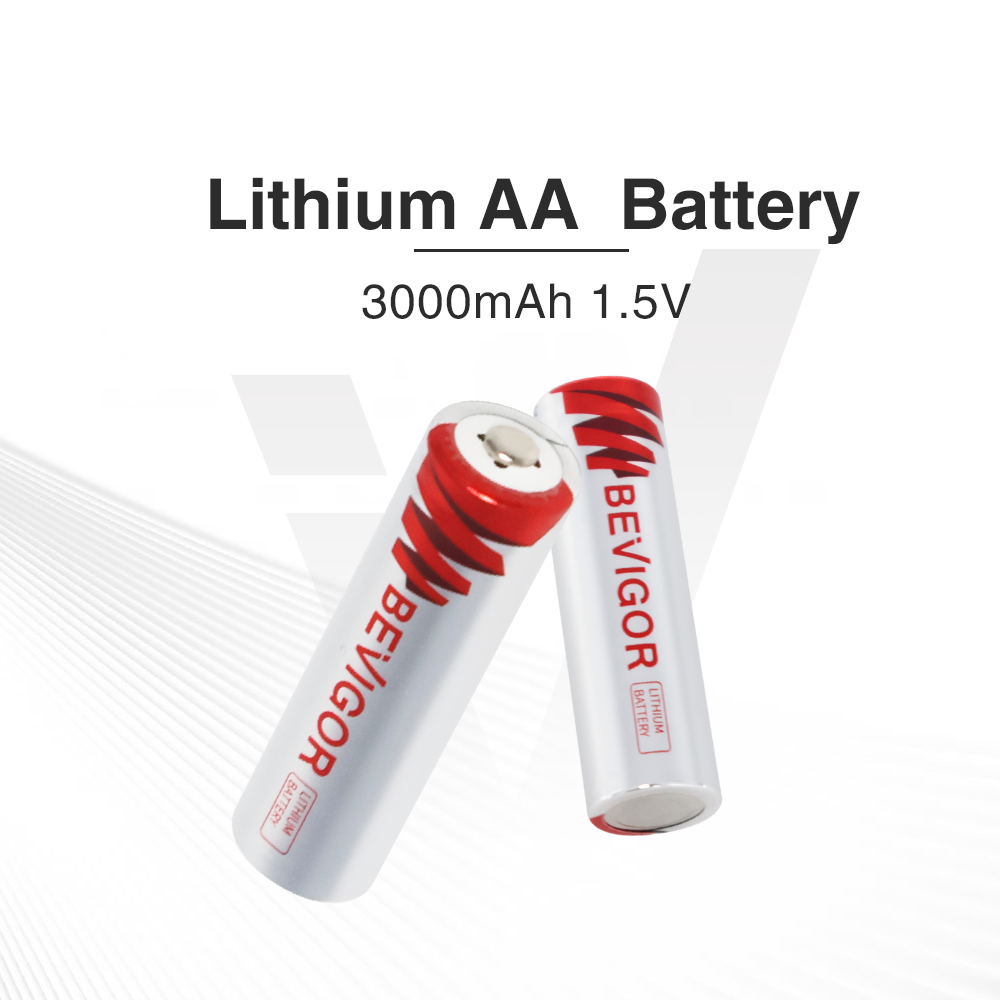
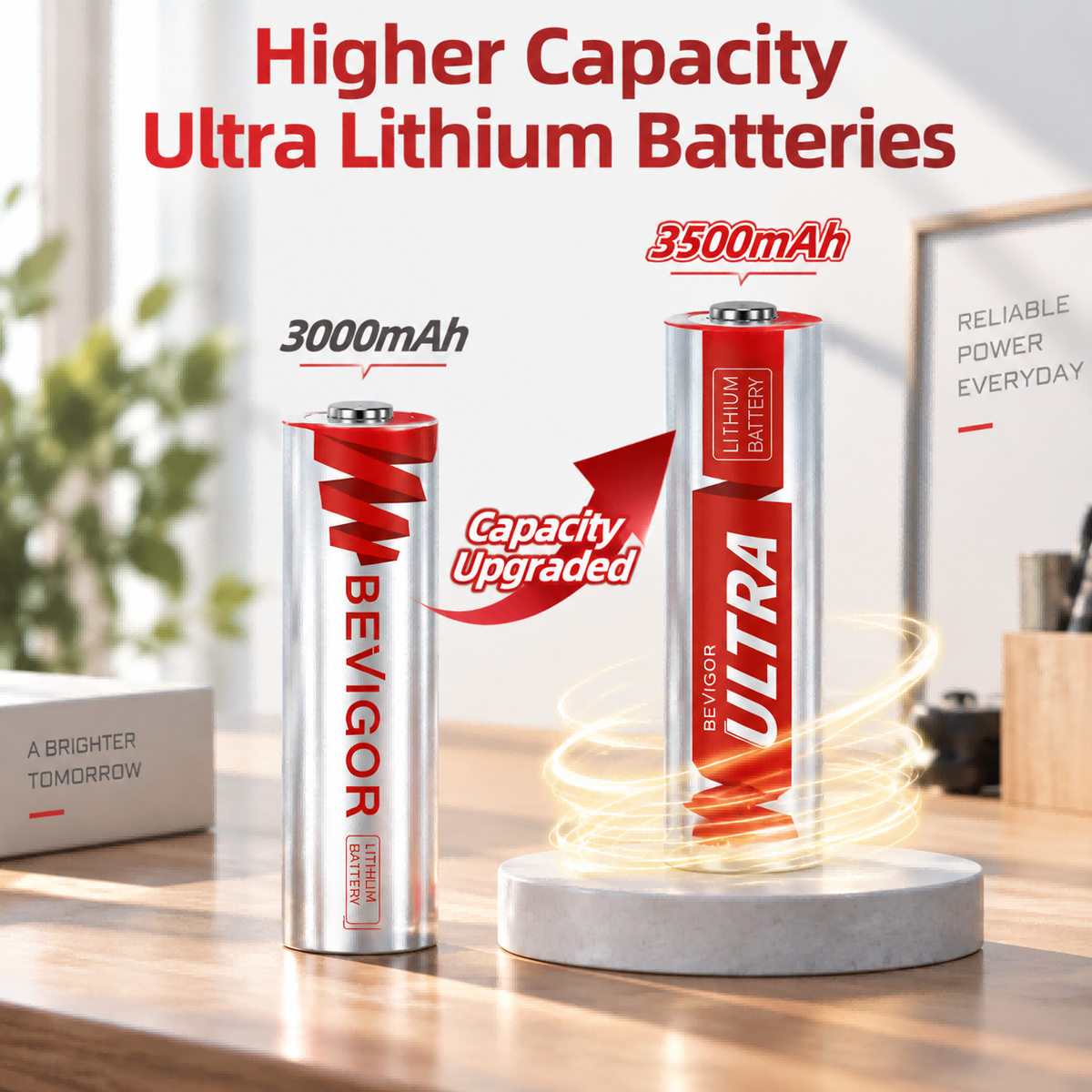
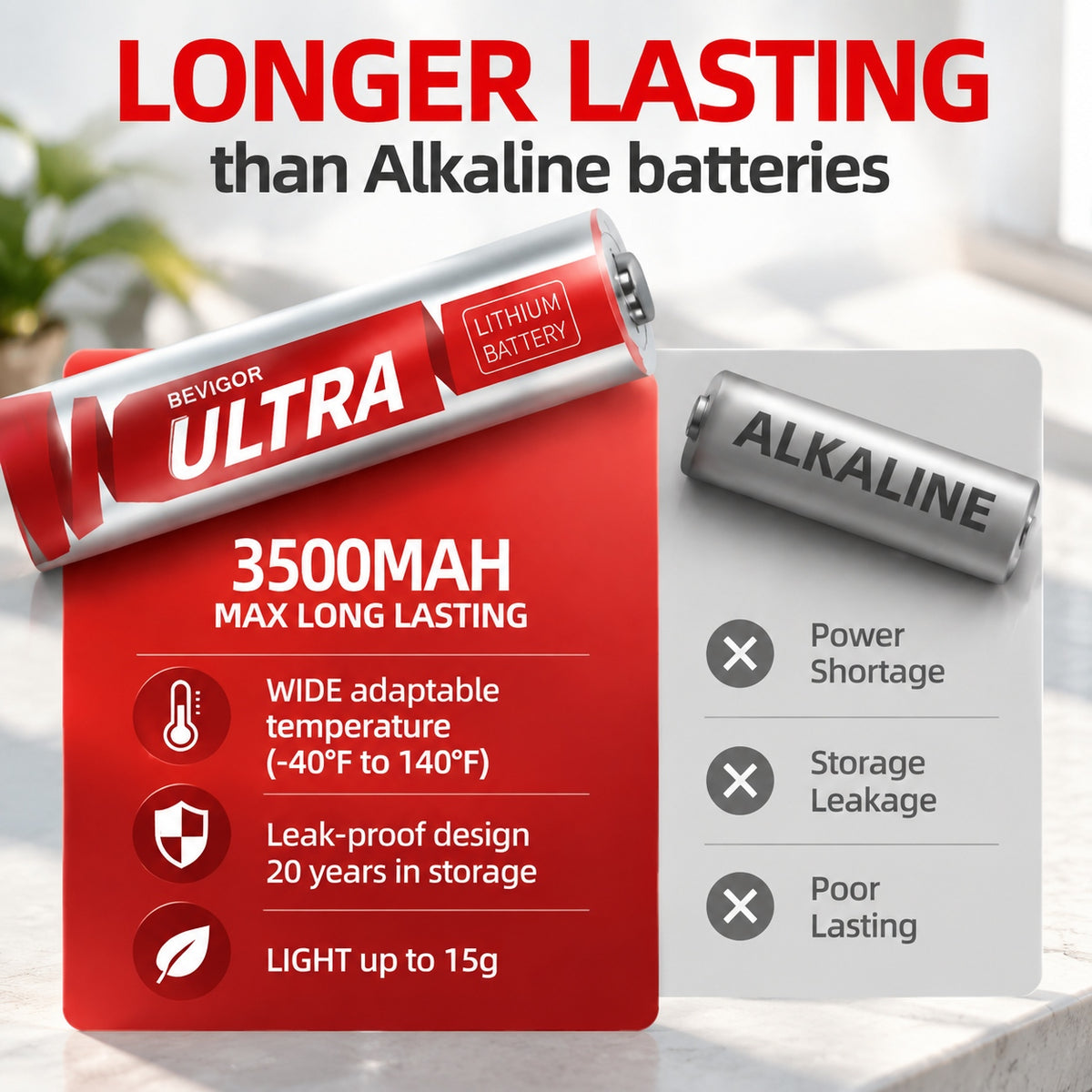
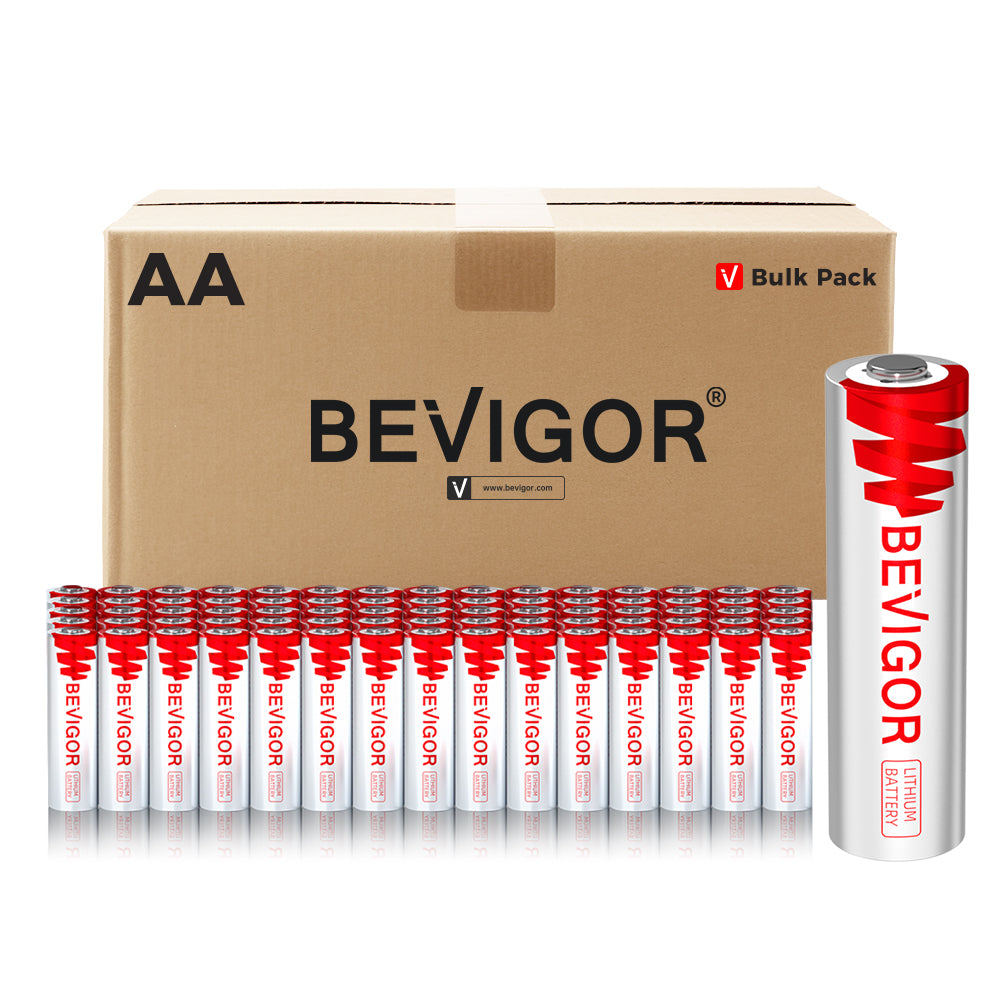
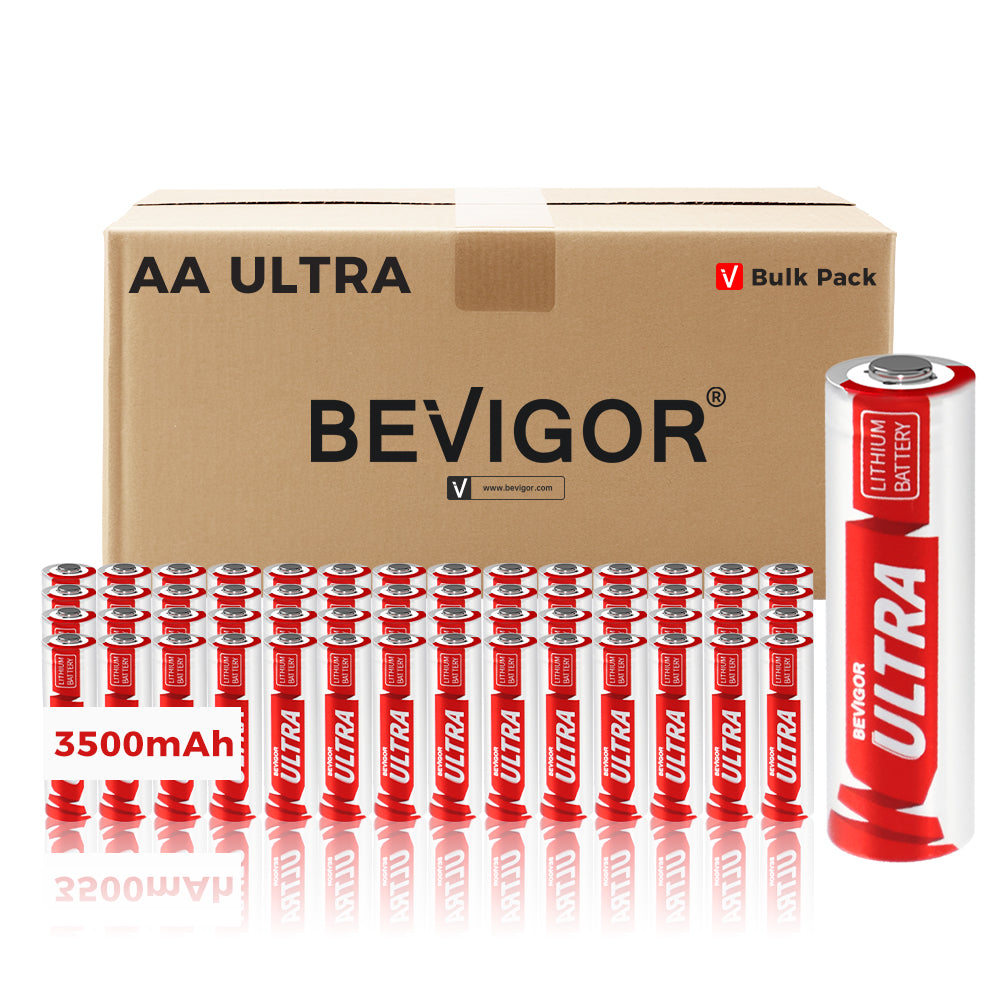
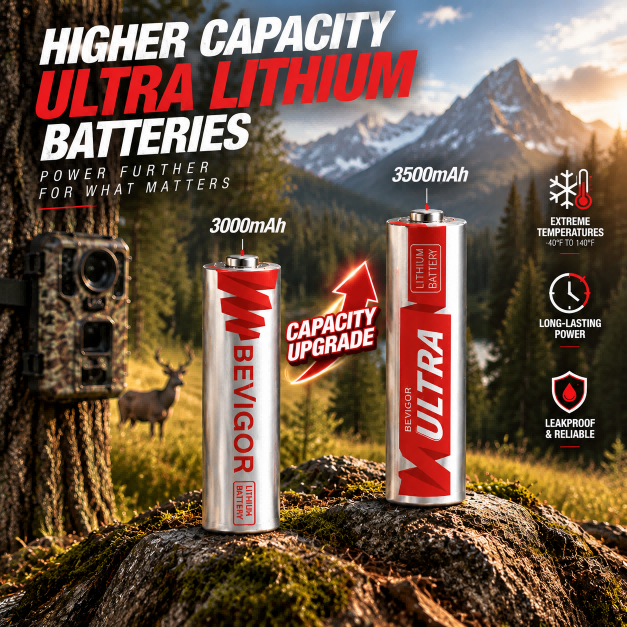
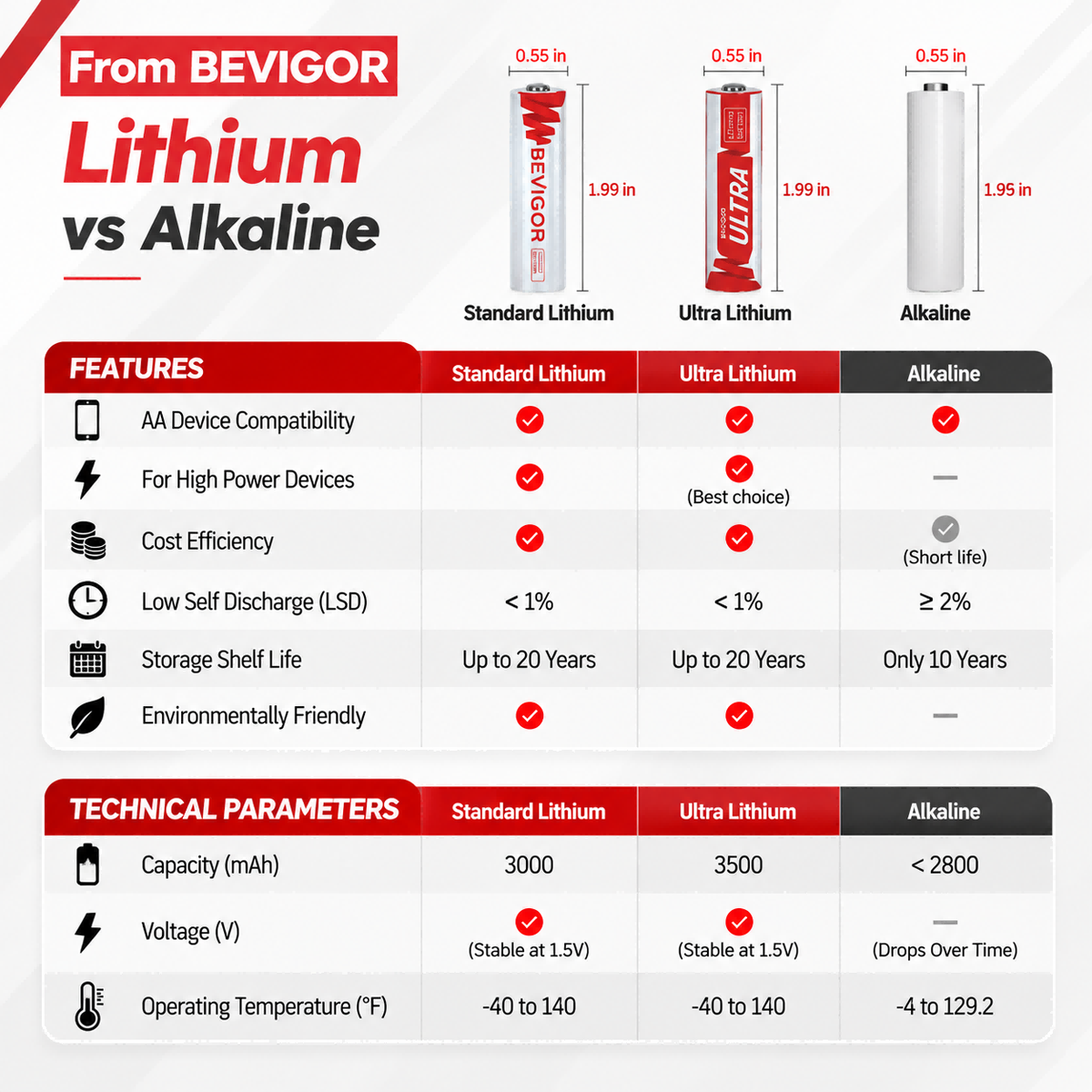
BEVIGOR's current 3000mAh AA lithium product is labeled AA, 1.5V, lithium, and non-rechargeable. Those are relevant product-label details to compare with a device requirement.
A label match does not establish Blink approval, certification, endorsement, universal compatibility, equal performance, or a guaranteed runtime. Blink recommends Energizer Lithium batteries for optimal performance and states that performance may vary with other battery types. BEVIGOR is not affiliated with, endorsed by, or certified by Blink or Amazon.
After reviewing the manufacturer guidance, shoppers can browse the current BEVIGOR AA lithium battery collection and compare the label with the requirements for their exact device.
Replacing a Complete Battery Set
- Review the current replacement instructions for the exact model.
- Remove the complete old set rather than replacing only one cell.
- Inspect the compartment and contacts. Stop if you find corrosion, residue, deformation, or heat damage.
- Install a complete fresh set of matching batteries in the marked orientation.
- Close the cover and restore any weather seal as the model instructions require.
- Confirm that the camera reconnects, then check its status and operation in the Blink app.
For model-aware installation details and troubleshooting, see the Blink camera battery replacement guide.
Storage and End-of-Life Handling
Keep unused batteries in their original packaging or another container that prevents loose terminals from contacting metal. Store them according to the battery manufacturer's instructions and keep them away from children and pets. Do not use a battery that is leaking, swollen, corroded, unusually hot, or physically damaged.
End-of-life requirements vary by battery chemistry and location. Consult the US EPA used household battery guide and applicable state or local requirements for recycling or disposal options.
Frequently Asked Questions
What AA batteries does Blink recommend?
Blink currently recommends Energizer Lithium 1.5-volt non-rechargeable batteries for optimal performance and says performance may vary with other battery types. Confirm the current instructions for the exact model.
Will AA lithium batteries last two years in every Blink camera?
No. Blink describes battery life of up to two years under default settings and says actual life varies with settings, use, network conditions, signal quality, temperature, and other environmental factors.
Do all Blink cameras use replaceable AA batteries?
No. The Blink product family includes AA-powered cameras as well as products powered by USB, USB-C, wiring, or model-specific accessories. Identify the model and generation before purchasing batteries.
Can I use rechargeable AA batteries instead?
Do not assume compatibility from the AA shape or a 1.5V label. Blink specifies non-rechargeable lithium AA batteries for its named AA-powered cameras. Rechargeable AA products are a different category.
Are BEVIGOR batteries approved by Blink?
No Blink approval, certification, or endorsement is claimed. Compare the product label with the device requirement, then follow Blink's current recommendation and the instructions for the exact model.
Bottom Line
For a Blink model that specifies AA batteries, verify AA size, 1.5V nominal voltage, lithium chemistry, and non-rechargeable construction. Then plan complete matching sets and account for the settings, activity, network conditions, and temperature that affect runtime. This keeps the buying decision clear without treating a conditional battery-life estimate as a guarantee.



Share:
How to Dispose of Lithium Batteries Safely and Responsibly
Are Lithium AA Batteries Considered Dangerous Goods?