

Introduction to Air Travel Battery Safety
A reliable battery should make life easier—not add unnecessary risk. Whether you fly to a ski resort, hunt in freezing weather, or run a smart home with devices like smart locks, thermostats, Blink cameras, doorbells, and motion sensors, the ultimate goal is exactly the same: safe power that lasts in use, stores well on the shelf, and holds up in tough temperatures.
Note: this article provides general safety information, not formal legal advice. Airline policies can frequently be much stricter than federal guidance.
Battery Classifications and Terminology
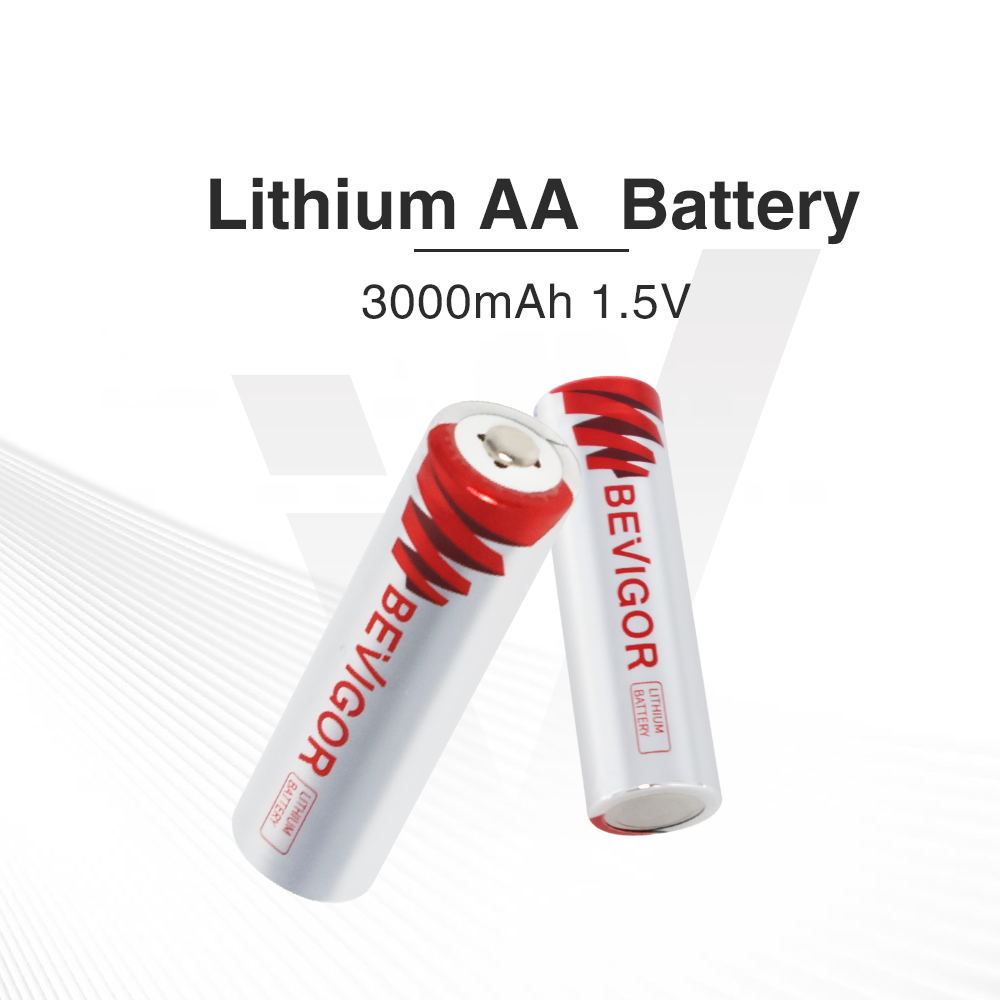
To accurately understand airline quantity limits, it helps to review a quick reference for lithium batteries, lithium AA batteries, and lithium AAA batteries. The phrase "lithium batteries" can actually refer to two entirely different definitions:
- Lithium metal (primary) batteries: These are usually non-rechargeable cells, which include many standard "lithium AA/AAA" retail products.
- Lithium-ion (rechargeable) batteries: These are used to power portable banks, cell phones, laptops, heated-gear battery packs, and many common smart devices.
The rules place strict emphasis on whether a cell is a spare or installed. "Spare" or "uninstalled" means the battery is completely loose and not currently inside a device. Spares are treated much more strictly for air travel.
Additionally, electrical capacity is measured in Watt-hours (Wh), which indicates how big a rechargeable lithium-ion battery is. You will often see this Wh rating clearly printed on a power bank label.
The Reality of Battery Quantity Limits
When preparing for a trip, many passengers ask exactly how many spare lithium batteries they can legally bring on a flight for an expedition. Interestingly, there is no single universal "you may bring exactly X" numerical limit for typical household spares.
Instead of a flat quantity cap, hard compliance lines are completely determined by specific factors: whether the cell is a spare versus installed, the battery size in Watt-hours, and specific airline approval for larger batteries. A safe, realistic expedition approach involves a few key steps: 1. Bring what you reasonably need for your trip;
2. Keep all loose spares in carry-on bags;
3. Keep each spare protected so terminals cannot short;
4. Always expect your specific airline to be stricter than the baseline federal rule.
Capacity Thresholds and Size Boundaries
Understanding size limits is crucial for electronic devices and power banks. For instance, can I fly with my battery-heated jacket to a ski resort? Yes, in most cases—but permission depends entirely on the specific battery pack.
Last Autumn, my friend Jack (who works for a travel agency) flew to Lutsen Mountains, Minnesota, and was actually denied boarding because of a 50,000 mAh power bank he carried for his laptop. A heated jacket battery is usually a rechargeable lithium-ion cell, and FAA passenger rules outline clear capacity thresholds for these packs:
- Up to 100 Wh: Generally allowed without special permission. At a standard 3.7V, this capacity translates precisely to 27,027 mAh.
- 101–160 Wh: Allowed only with explicit airline approval, and airlines may choose to cap the total quantity you can carry.
- Over 160 Wh: Completely prohibited on passenger aircraft. At 3.7V, this maximum capacity equals 43,243 mAh.
Because Jack's 50,000 mAh bank exceeded these legal limits, it caused a direct boarding denial.
Proactive Security Checkpoint Declarations
Another crucial aspect of compliance is understanding security declarations. Do I need to declare spare lithium batteries at TSA security checkpoints? Usually, no formal declaration is required for normal household spares.
However, you should proactively inform the officer at the checkpoint if you meet certain specific criteria. First, you must tell them if it is a large power bank nearing or sitting above the 100 Wh threshold.
Second, you should declare it if it is an unmarked or completely custom battery pack that lacks factory labeling. Finally, you must declare them if you are directly asked to identify an item by security personnel. Proactive communication helps avoid unnecessary delays during screening.

Absolute Checked Baggage Restrictions
The single most important travel rule to memorize is that spare, uninstalled lithium batteries and power banks belong exclusively in carry-on, not checked bags. If you want to pack standard lithium batteries in checked luggage for a vacation, the answer for loose lithium AA/AAA cells or power banks is: no—pack spares in carry-on only.
You can reference this micro decision tree when packing: Is it a spare/uninstalled lithium battery or power bank? If yes, it is carry-on only. If no, it is installed in a device. Checked devices containing installed batteries must be powered off completely and fully protected from damage or accidental activation.
Practical Packing Guidelines and Official Resources
To ensure a seamless journey, apply practical "don't-get-stopped" packing tips. Put your battery pack in your carry-on luggage. Protect the terminals using the original case, a terminal cover, or a separate plastic bag. If you must check a heated jacket, remove the battery and keep it with you in the cabin.
For detailed passenger rules, the most reliable starting point is the FAA's official PackSafe guidance on lithium batteries. TSA screening guidance is consumer-facing, but the detailed framework comes from FAA hazardous materials passenger rules. You can cross-check rules at TSA's battery hub, titled TSA "What Can I Bring?" batteries.
For a simple checklist you can bookmark, start with BEVIGOR's general safety and handling FAQ or view their travel-focused guide for quick reminders under the BEVIGOR TSA travel rules.



Share:
6 Devices and Applications Where AA Lithium Batteries Outperform Alkaline
2026 Lithium Battery Checked Bag Rules and TSA Guide