

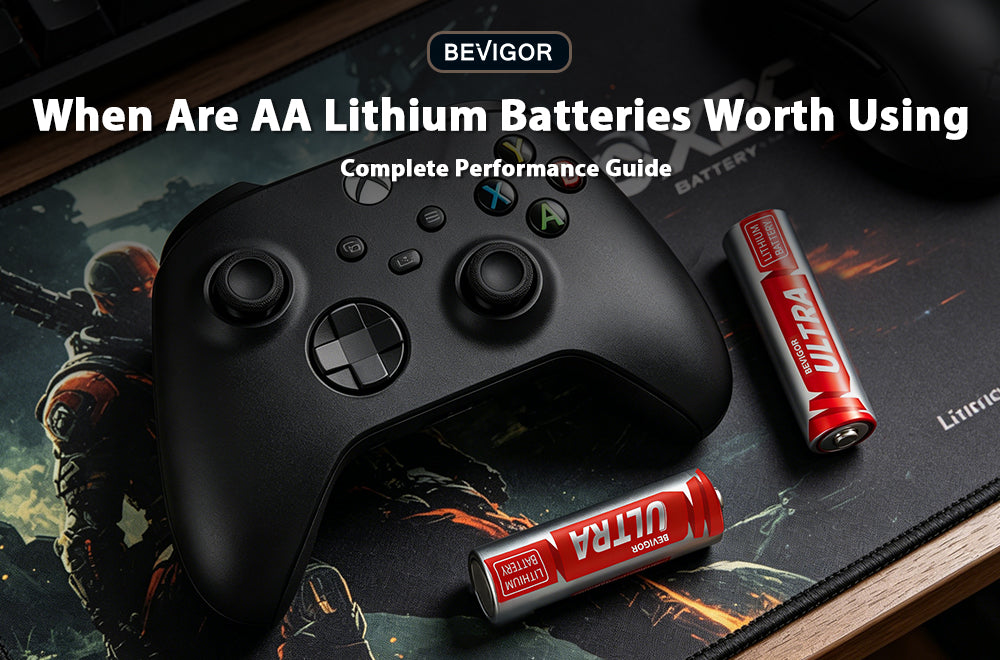
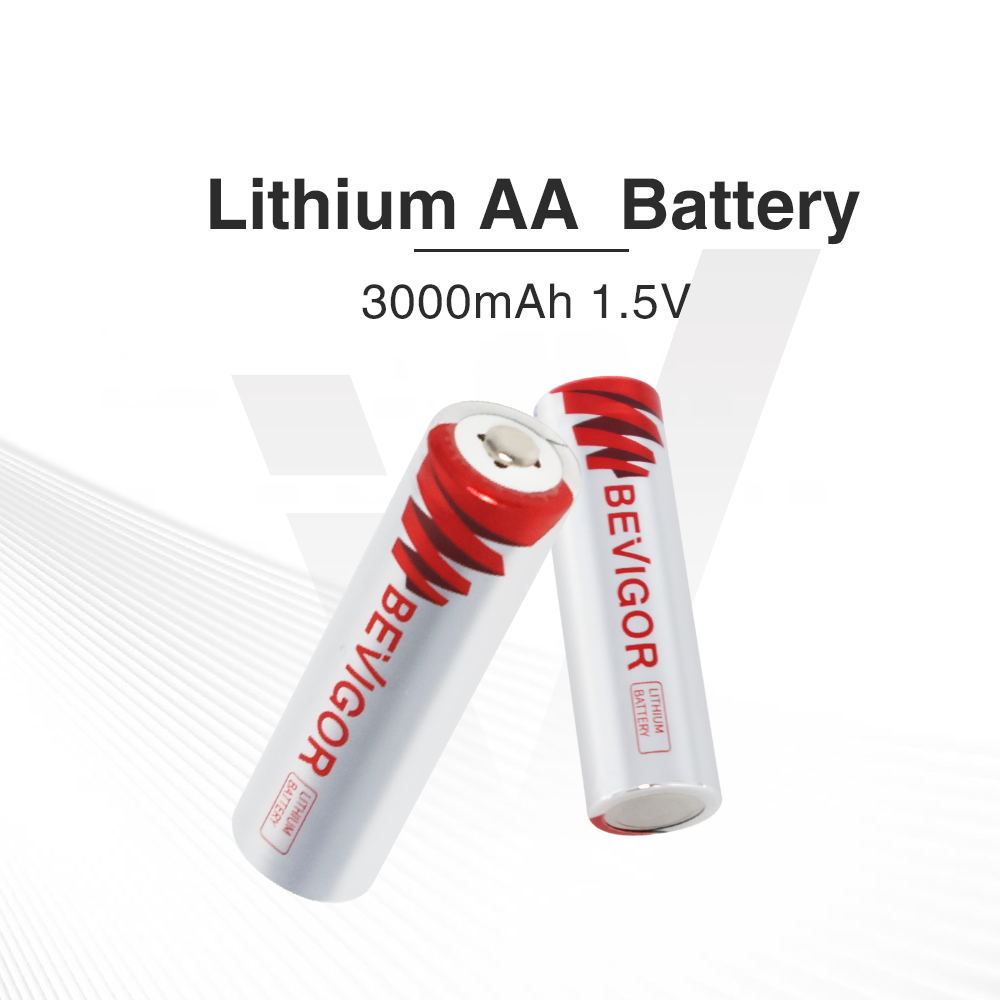
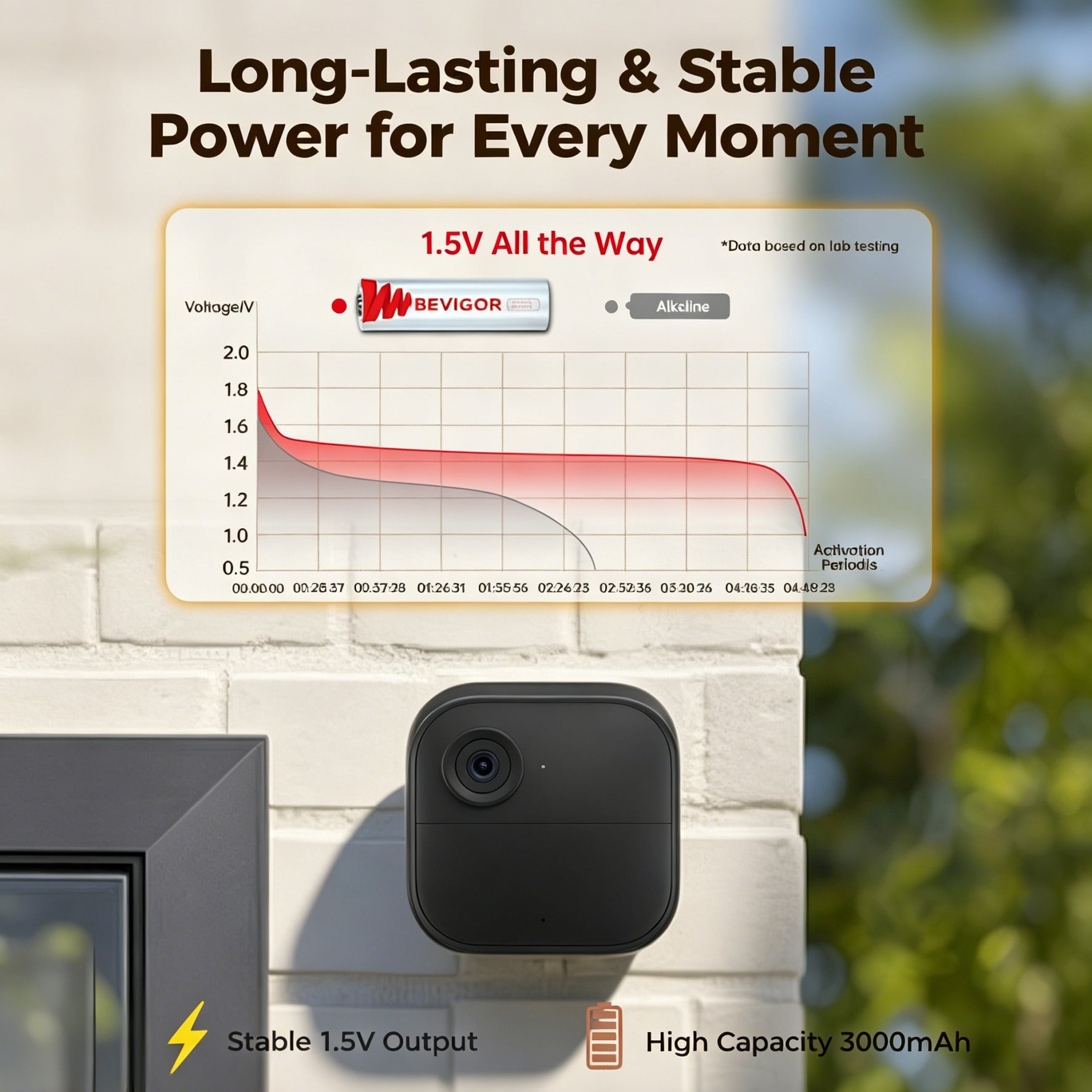
AA lithium primary batteries are usually 1.5V, just like alkaline. That's why they're often drop-in replacements. People buy lithium AA batteries for three reasons. First, they hold voltage more steadily under load. Second, they tend to perform better in cold weather. Third, they have low self-discharge, which matters if you store gear for months.
They're not automatically "better" for every device. If a device is low-drain and used indoors, alkaline may be fine. The point is to match the battery to how the device is used. AA lithium vs rechargeable AA: which should you use? This is one of the most common points of confusion. AA lithium primary (non-rechargeable) is a good choice when you want long shelf life, cold-weather reliability, and you don't want to deal with charging. Rechargeable AA (often NiMH) is a good choice when you're changing batteries frequently and can recharge easily.

The catch is that many rechargeables are 1.2V nominal, not 1.5V. Some devices don't care. Some devices do. If a device behaves strangely with rechargeables (short runtime, wrong battery indicator), use the type the manufacturer recommends.
What Are Lithium AA Batteries And How Do They Work?
Lithium AA batteries are high-performance power cells that utilize lightweight lithium metal chemistries to deliver consistent voltage and extended runtimes for standard household and professional electronics. By replacing the traditional zinc and manganese dioxide found in alkaline batteries with advanced lithium components, engineers created a power source that handles heavy electrical drains without suffering from severe internal resistance.
What Chemistry Powers Primary Lithium AA Batteries?
Primary lithium AA batteries are powered by a lithium iron disulfide (Li-FeS2) chemical formulation. This specific chemistry pairs a highly reactive lithium anode with an iron disulfide cathode (Stanford University, 2014), allowing the battery to store significantly more energy by weight than standard alkaline cells. Because lithium is an exceptionally light metal with high electrochemical potential, these batteries weigh about one-third less than traditional AA batteries while delivering a much higher energy density.
Why Do Lithium AA Batteries Output 1.5 Volts?
Lithium AA batteries output 1.5 volts because they are engineered specifically to act as direct, safe replacements for standard alkaline cells in everyday consumer electronics. While many raw lithium-ion chemistries naturally produce 3.7 volts or higher, the lithium iron disulfide formulation is chemically designed to operate at a nominal 1.5 volts. This ensures that you can safely insert them into flashlights, cameras, and remote controls without overloading the delicate internal circuits.
How Long Is The Shelf Life of Primary Lithium AA Batteries?
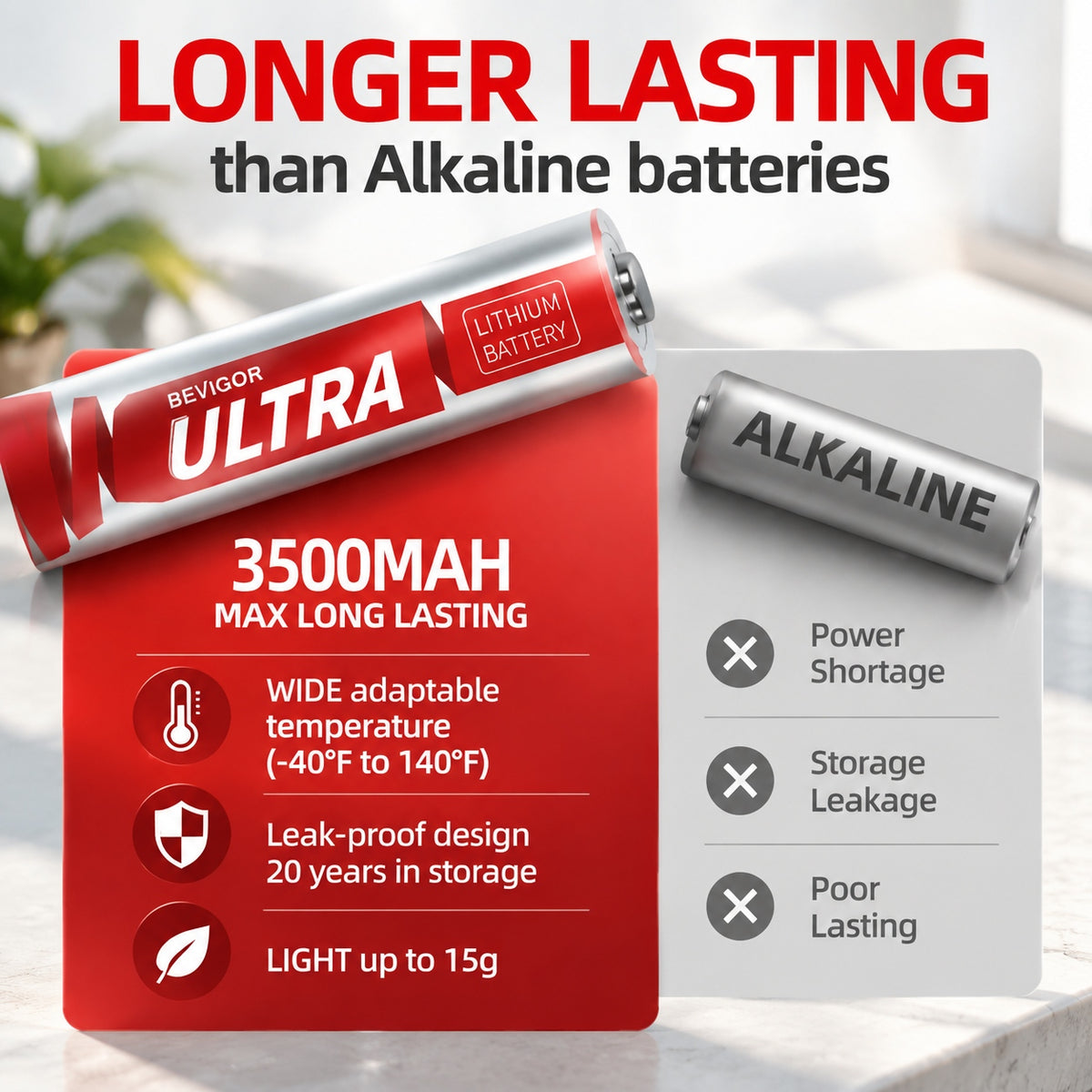
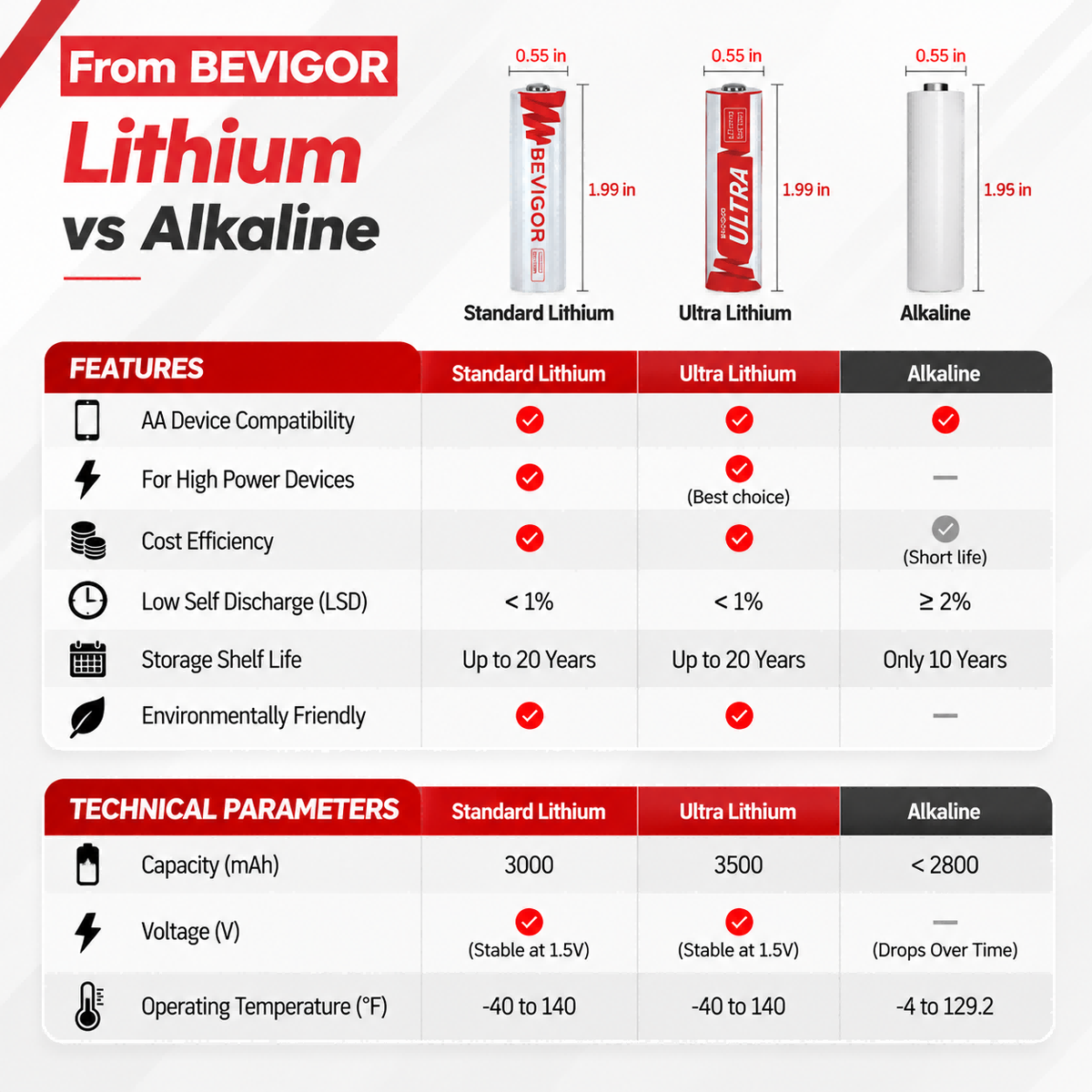
The shelf life of primary lithium AA batteries frequently extends up to 20 years due to their exceptionally low self-discharge rate and highly stable internal chemical structure. Unlike alkaline batteries, which slowly degrade and leak corrosive potassium hydroxide over time, lithium iron disulfide cells remain dormant when not in use. This makes them the ultimate choice for emergency kits, smoke detectors, and safety beacons that must sit untouched for a decade but work flawlessly at a moment's notice.
What Are The Differences Between Rechargeable And Non-Rechargeable Lithium AA Batteries?
The primary difference is that non-rechargeable lithium AA batteries use a single-use chemical reaction to generate power, whereas rechargeable lithium AA batteries utilize a 3.7-volt lithium-ion core paired with an internal microchip to simulate a reusable 1.5-volt output. While they share the same physical size and the word "lithium," their internal engineering and everyday applications are entirely different.
How Do Non-Rechargeable Lithium AA Batteries Function?
Non-rechargeable lithium AA batteries function by permanently consuming their internal lithium and iron disulfide materials to generate a steady electrical current until the chemical fuel is completely exhausted. Once the reaction is finished, the battery is dead and must be recycled. As mentioned earlier, this primary (non-rechargeable) chemistry is the superior choice when you prioritize a multi-decade shelf life and absolute reliability in extreme outdoor environments.
What Makes Rechargeable Lithium AA Batteries Different?
Rechargeable lithium AA batteries are different because they feature an internal lithium-ion cell (similar to a smartphone battery) combined with a tiny, built-in "buck converter" circuit that steps the high 3.7V down to a steady 1.5V. This internal microchip ensures the battery outputs the exact voltage your standard devices need, while allowing you to plug the battery into a USB cable or charging dock hundreds of times to replenish its energy.
Why Are NiMH Batteries Confused with Rechargeable Lithium AA Batteries?
Nickel-Metal Hydride (NiMH) batteries are confused with rechargeable lithium AA batteries because both are popular, reusable alternatives to standard single-use alkaline cells. However, NiMH operates at a lower nominal voltage of 1.2 volts. While NiMH is the traditional standard for rechargeable household batteries, modern rechargeable lithium AA batteries were invented specifically to solve the 1.2V limitation for specialized devices that demand a strict 1.5V to function properly.
How Do Device Indicators React to Rechargeable Lithium AA Batteries?
Device indicators react poorly to rechargeable lithium AA batteries because the internal step-down microchip forces the battery to output a continuous 1.5 volts until it dies completely and abruptly. Standard devices measure battery life by reading the natural, gradual voltage drop of alkaline or primary lithium cells. Because the rechargeable lithium cell masks its true internal voltage drop behind the microchip, your camera or smart lock will show a "100% full" icon right up until the exact second the device unexpectedly powers off.
Where Are Rechargeable And Primary Lithium AA Batteries Used Differently?
These two types of lithium AA batteries are used differently based on whether the specific electronic device requires long-term, untouched reliability in harsh conditions or supports frequent, high-drain daily usage that justifies routine recharging. Choosing the correct type comes down to matching the battery's unique advantages and disadvantages to your real-world usage habits.
What Common Devices Use All Lithium AA Batteries?
High-drain electronics like motorized toys, powerful tactical flashlights, and digital camera flashes commonly use all types of lithium AA batteries because these devices demand heavy, continuous electrical currents. Both primary and rechargeable lithium cells feature exceptionally low internal resistance, meaning they can push massive amounts of power to a camera flash instantly without bogging down or overheating like a standard alkaline battery would.
Why Do Outdoor Sensors Prefer Non-Rechargeable Lithium AA Batteries?
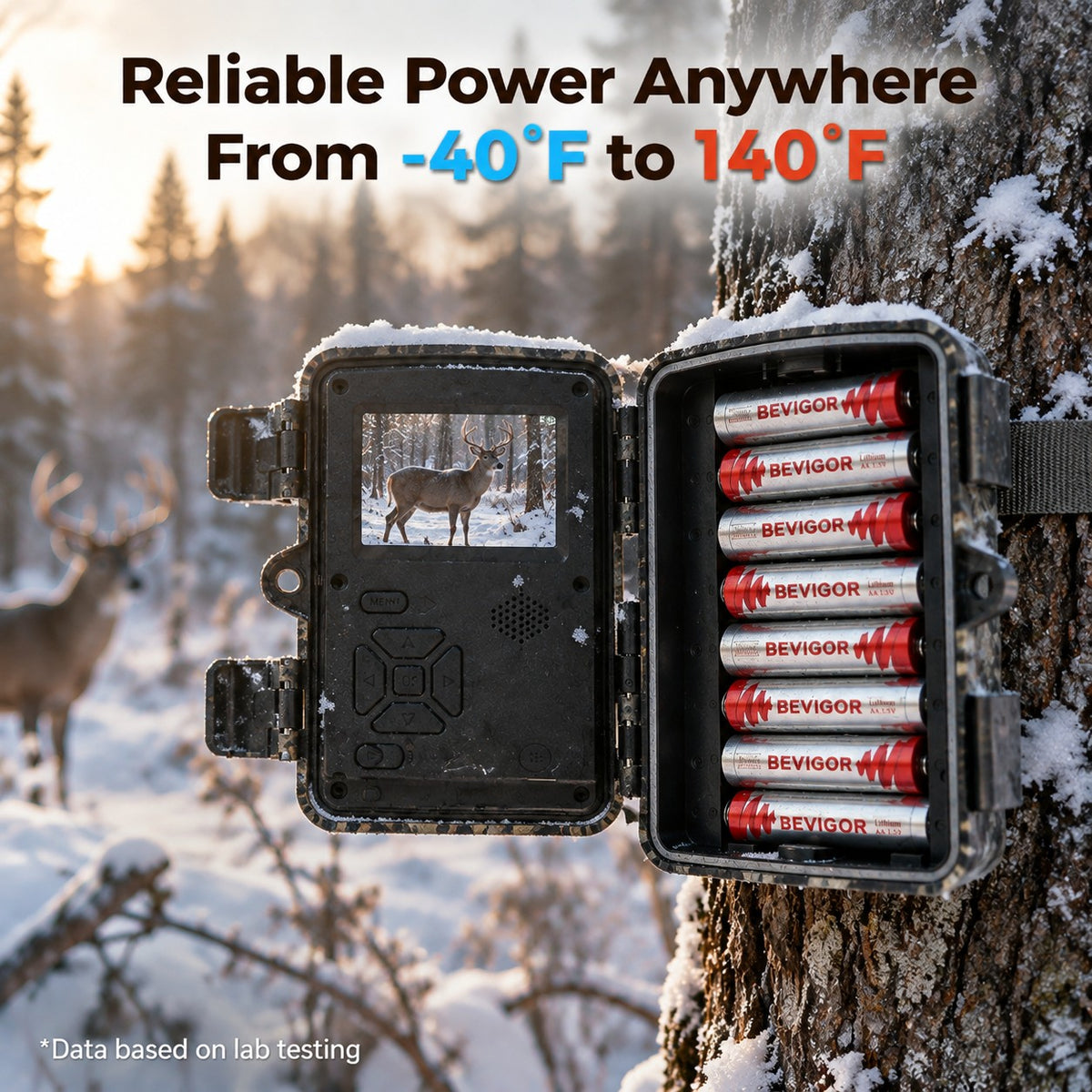
Outdoor sensors prefer non-rechargeable lithium AA batteries because the lithium iron disulfide chemistry can easily survive extreme winter freezing (-40°C) and sweltering summer heat (60°C) without losing its charge or leaking. Rechargeable lithium-ion batteries and NiMH cells experience severe voltage drops in freezing weather, causing outdoor trail cameras or weather stations to fail overnight. Primary lithium cells ignore the cold, providing uninterrupted data transmission through the dead of winter.
How Do Gamers Benefit from Rechargeable Lithium AA Batteries?
Gamers benefit from rechargeable lithium AA batteries because high-usage wireless console controllers burn through massive amounts of power, making a reusable 1.5-volt cell highly cost-effective over months of daily play. Unlike NiMH batteries, which sometimes cause wireless controllers to disconnect prematurely due to their 1.2V limit, the regulated 1.5V output of a rechargeable lithium cell ensures the controller's rumble motors and wireless transmitters operate at absolute peak performance.
What Are The Main Disadvantages of Rechargeable Lithium AA Batteries?
The main disadvantages of rechargeable lithium AA batteries include a significantly higher upfront purchasing cost, a complex internal circuitry that can fail if dropped, and a complete lack of low-battery warnings. Because they shut off instantly when depleted, they are a poor choice for critical safety devices like avalanche beacons or smoke detectors, where a gradual low-battery chirp is a necessary, life-saving feature.
To make all these sizes and chemistries easier to compare at a glance, here's a quick chart that ties each power source to the kinds of devices you'll usually see it in:
|
Battery Type |
Chemistry |
Voltage |
Best of Use |
|
Primary Lithium AA |
Li-FeS2 |
1.5V |
Long-term storage, extreme cold, smoke detectors |
|
Rechargeable Lithium AA |
Li-ion (Regulated) |
1.5V |
Gaming controllers, VR headsets, frequent high-drain use |
|
Rechargeable NiMH AA |
NiMH |
1.2V |
General household electronics, standard daily usage |
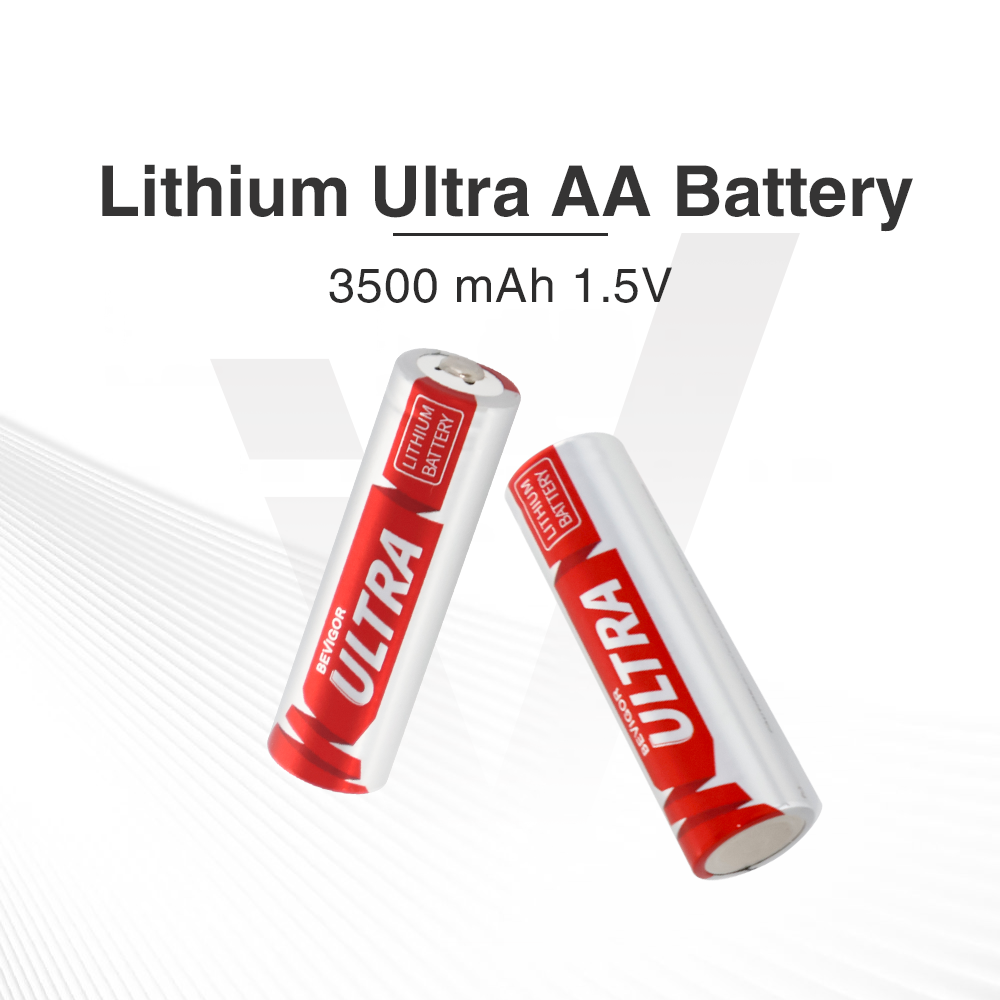
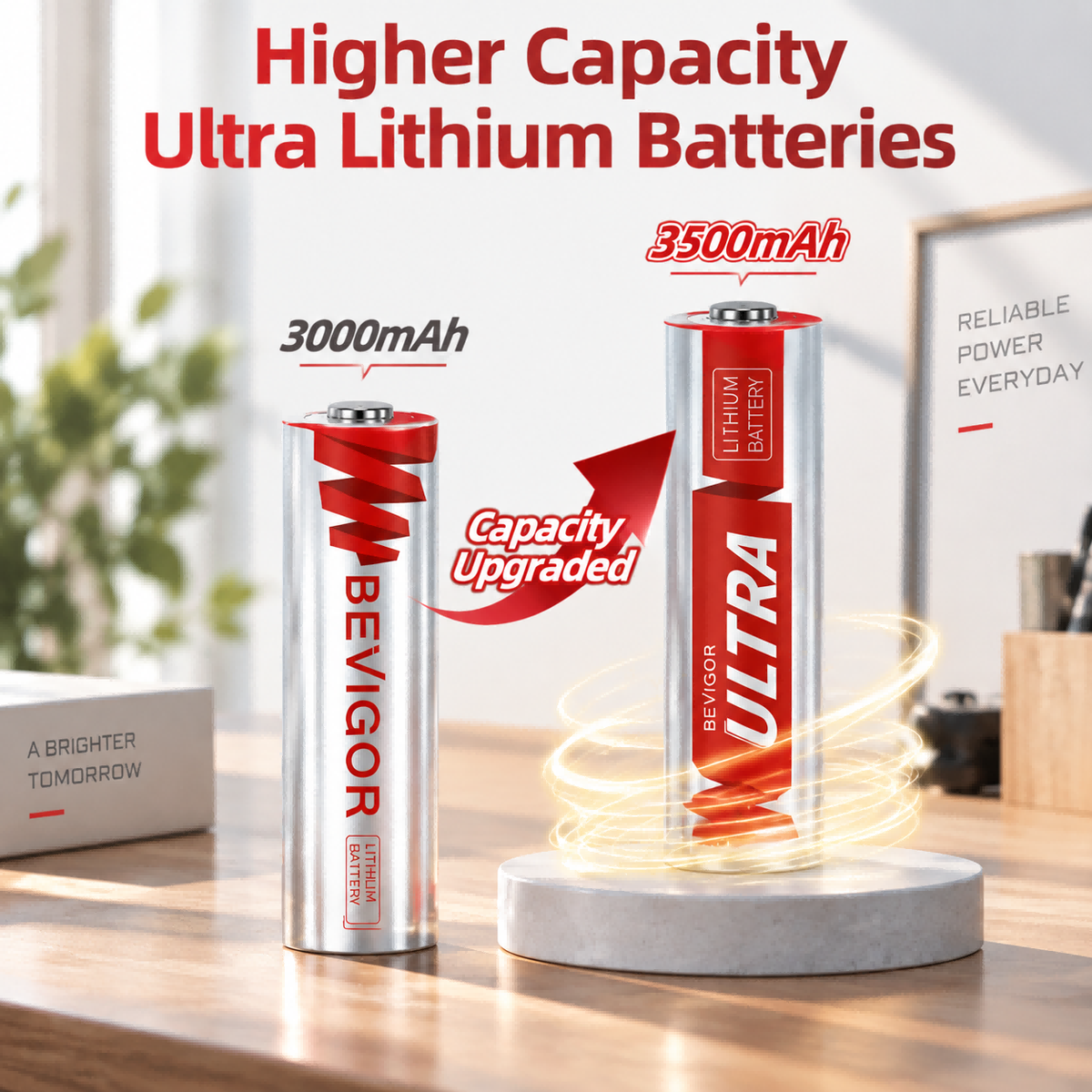
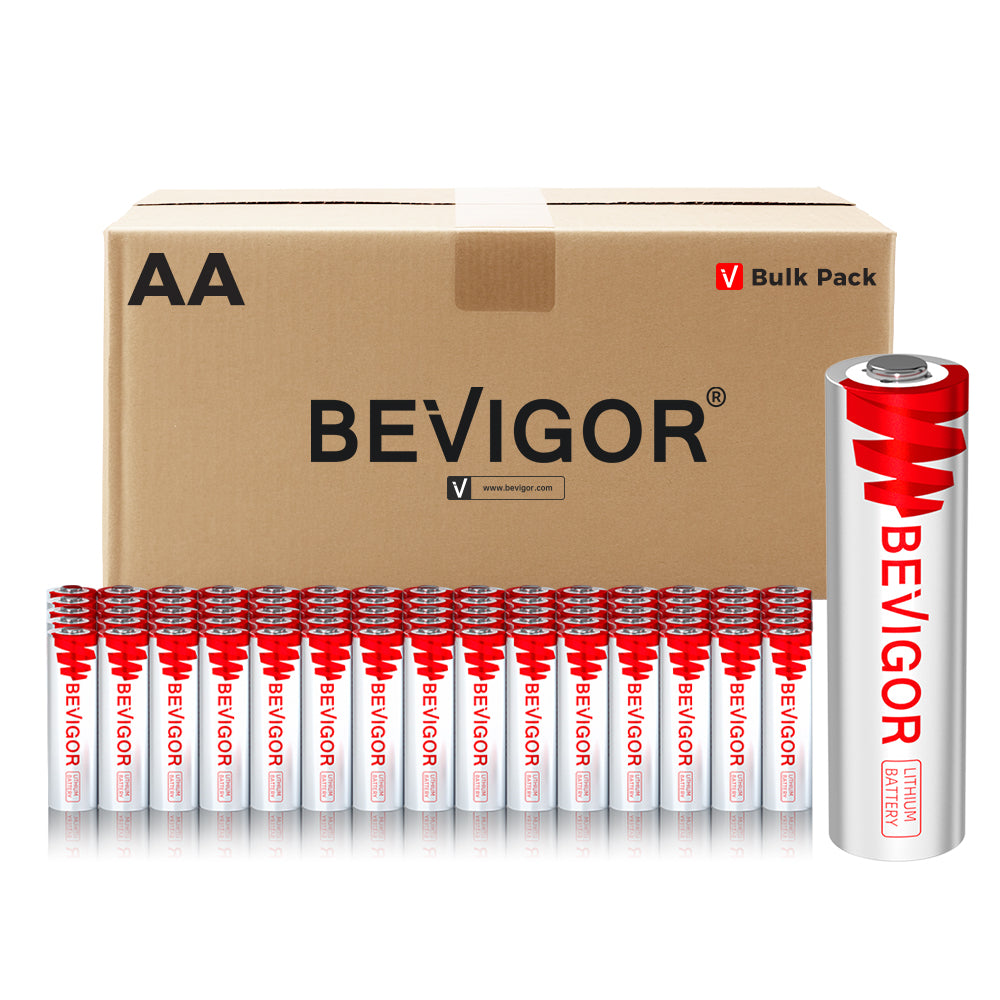
The secret to maximizing your equipment's performance is recognizing that no single battery chemistry is perfect for every scenario. To discover specialized, high-performance power solutions tailored to the exact specifications of your most demanding electronics, explore the comprehensive lineup at Bevigor today.



Share:
Special 3V Cylinder Lithium Batteries: CR2 and CR123A
The Five Most Common Ways People Buy the Wrong Lithium Batteries