

AA batteries share a familiar size, but they are not all electrically interchangeable. Alkaline, primary lithium, nickel-metal hydride (NiMH), and regulated rechargeable lithium-ion AA batteries differ in voltage behavior, rechargeability, storage characteristics, and device compatibility. The right choice is the chemistry and voltage permitted by the device manufacturer—not simply the battery with the largest capacity number or strongest marketing claim.
This guide explains the main AA battery types, how to read their labels, which factors affect service life, and how to store and dispose of them responsibly.
What Does “AA” Mean?
AA is a size designation for a cylindrical cell. It does not identify the chemistry, nominal voltage, capacity, or whether the battery can be recharged. Two products labeled AA may fit the same compartment yet behave differently in the device.
Before installing a battery, check:
- Size: AA or the exact size named by the device maker
- Nominal voltage: commonly 1.5V for alkaline and primary lithium AA, and 1.2V for NiMH
- Chemistry: alkaline, primary lithium, NiMH, or another specifically permitted type
- Rechargeability: rechargeable or non-rechargeable
- Device instructions: any chemistry, temperature, or matched-set requirements
Do not substitute an AA-shaped 14500 lithium-ion cell for a standard 1.5V AA. A 14500 is commonly labeled 3.6V or 3.7V, which is substantially different from a 1.5V battery.
How to Read an AA Battery Label
Read the small print rather than relying on the word “lithium.” A useful label should identify the battery size, chemistry or chemical system, nominal voltage, and whether it is rechargeable. A primary battery may use words such as “single-use” or “non-rechargeable,” while a rechargeable product should identify its charging requirements.
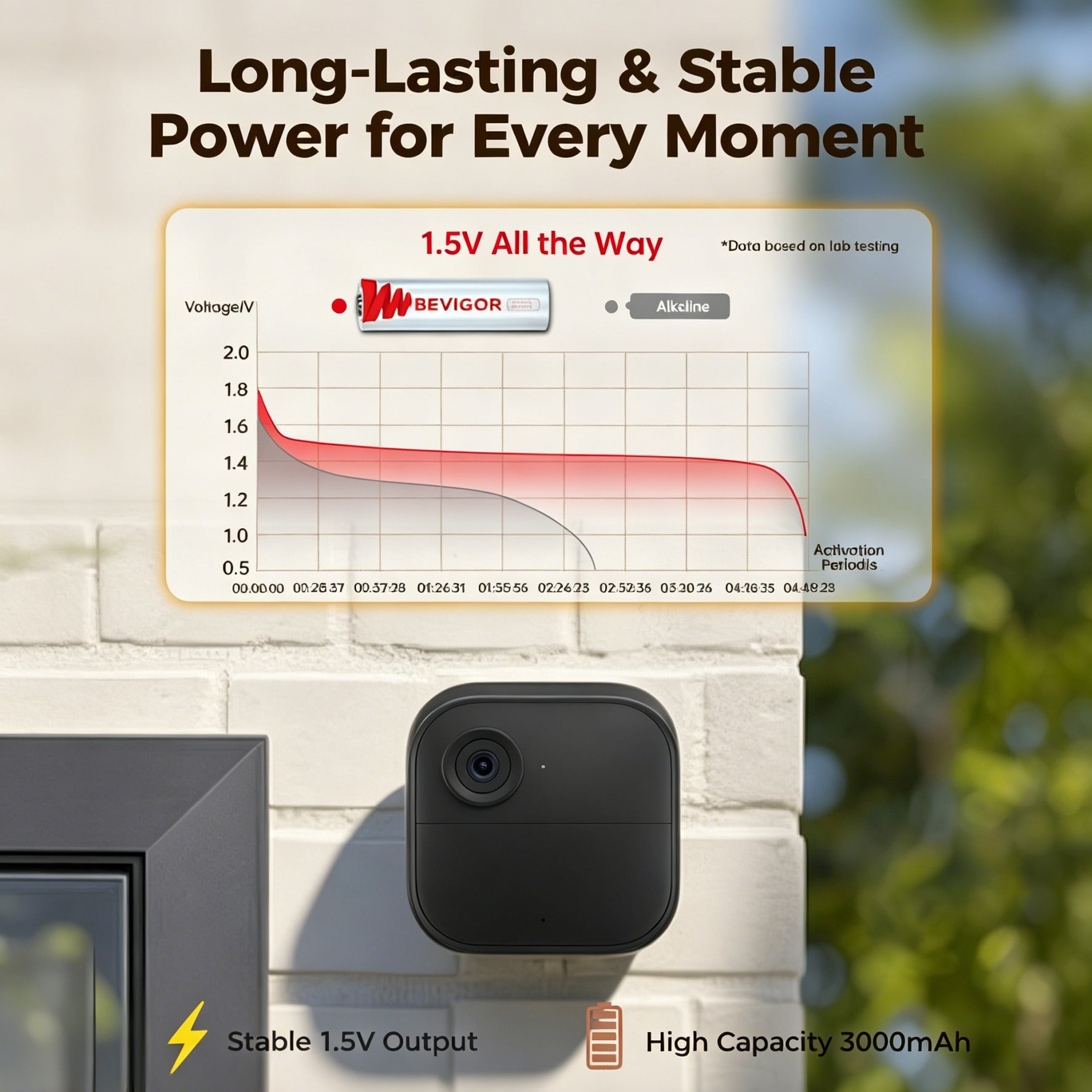
Capacity may be stated in milliamp-hours (mAh) or energy in watt-hours (Wh), but the number is meaningful only with the chemistry and test conditions. A larger printed mAh value does not prove longer runtime in every device. Regulated-output batteries may also keep their output near one voltage and then stop more abruptly, which can affect battery gauges. When a label is unclear, do not install the cell until the manufacturer or seller provides a complete specification.
Common Types of AA Batteries
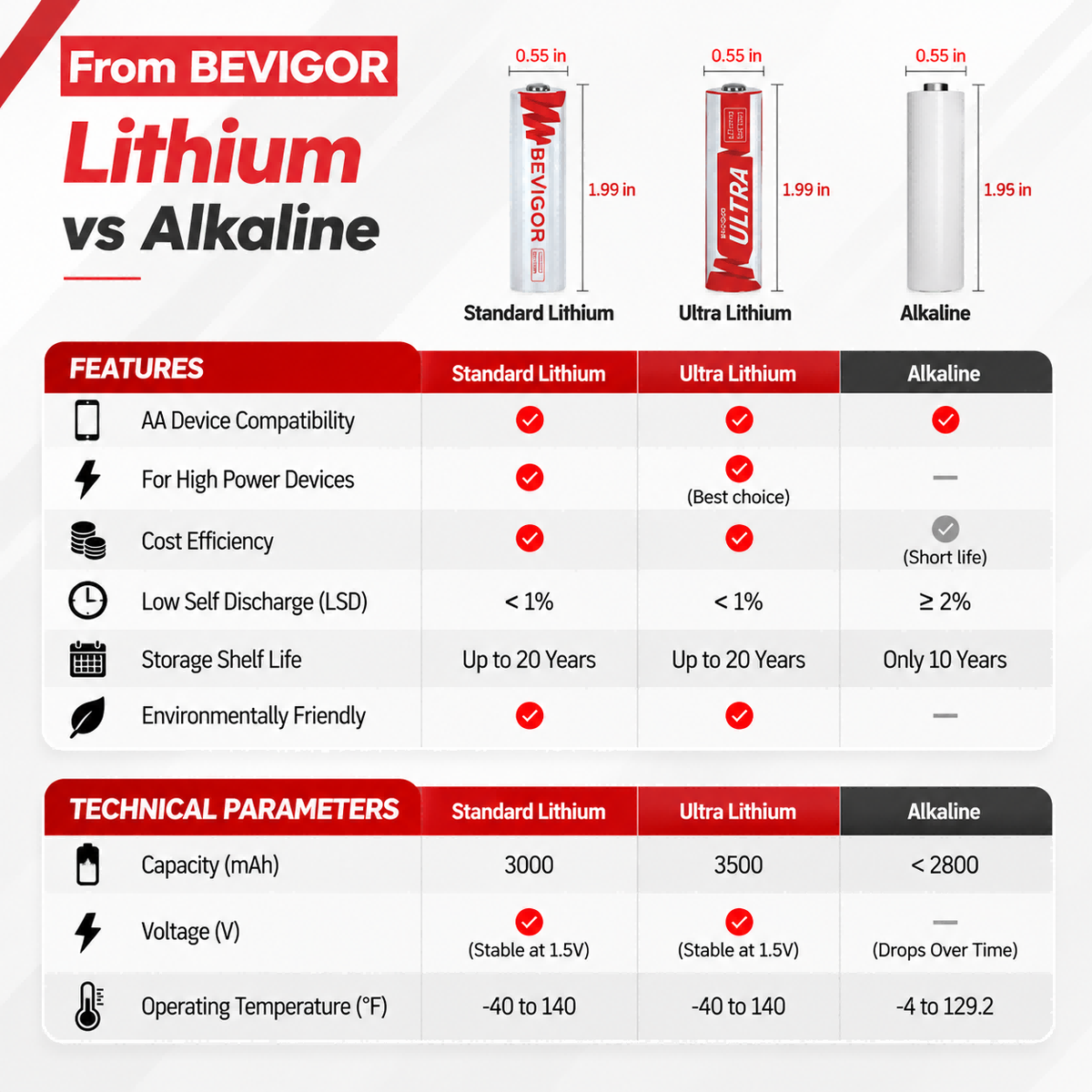
| AA battery type | Typical nominal voltage | Rechargeable? | Practical use |
|---|---|---|---|
| Alkaline AA | 1.5V | No | Common household devices when alkaline is permitted |
| Primary lithium AA | 1.5V | No | Compatible devices where storage, weight, temperature, or demanding use matters |
| NiMH AA | 1.2V | Yes | Frequently used devices that permit 1.2V rechargeable cells |
| Regulated lithium-ion AA | Often labeled 1.5V output | Yes | Only where the device maker permits the design and the specified charger is used |
| 14500 lithium-ion | Usually 3.6V or 3.7V | Yes | Only for equipment specifically designed for 14500 cells |
Alkaline AA Batteries
Alkaline AA batteries are single-use cells commonly found in remotes, clocks, toys, flashlights, and other household electronics. They are widely available and can be a practical choice when the device permits alkaline chemistry and its power demands are modest.
Actual service life depends on the device load, cutoff voltage, temperature, storage history, and battery condition. A capacity or runtime number measured under one test condition should not be treated as a universal result.
Primary Lithium AA Batteries
Primary lithium AA batteries are single-use cells. Products in this category are commonly labeled 1.5V lithium and non-rechargeable. They can behave differently from alkaline batteries under demanding loads or temperature conditions, but the benefit varies by device and use pattern.
Never attempt to recharge a primary lithium battery. If a device specifies alkaline only, or names another chemistry, follow that requirement even when a lithium AA physically fits.
NiMH Rechargeable AA Batteries
NiMH cells are rechargeable and commonly labeled 1.2V. They can be useful in frequently used equipment because the same cells can be charged and reused. However, the lower nominal voltage may affect devices that expect a 1.5V cell, including their battery-level indicators or operating cutoff.
Use a charger designed for the exact battery chemistry and follow the battery and charger manufacturers’ instructions. Do not mix NiMH cells with alkaline or primary lithium batteries in one device.
Regulated Rechargeable Lithium AA Batteries
Some rechargeable lithium-ion products use internal electronics to provide a regulated 1.5V output in an AA-style package. They are not the same as primary lithium AA cells, even when both labels show 1.5V. Charging method, output behavior, fit, and battery-level reporting can differ.
Use these only when the device documentation permits them, and charge them only with the system specified by their manufacturer.
How to Choose an AA Battery for a Device
Start with the device manual or battery-compartment label. The manufacturer’s instructions take priority over a general chemistry comparison.
- Confirm the required size and cell count. Replace batteries as a complete set when the device uses multiple cells together.
- Match the voltage and chemistry. Physical fit alone does not establish compatibility.
- Check whether rechargeable cells are allowed. Do not assume that every 1.5V product behaves the same way.
- Consider the use pattern. Standby time, bursts of high power, temperature, wireless activity, and frequency of use can change performance.
- Compare total cost for the intended use. Include chargers, replacement frequency, unused inventory, and current pack pricing rather than relying only on cost per battery.
For households buying larger quantities, use the calculation and rotation method in our AA battery bulk-buying guide. It helps estimate complete-set demand before selecting a pack size.
What Determines AA Battery Life?
No single runtime applies to every AA battery or device. Important variables include:
- Device power demand and cutoff voltage
- Standby time versus active use
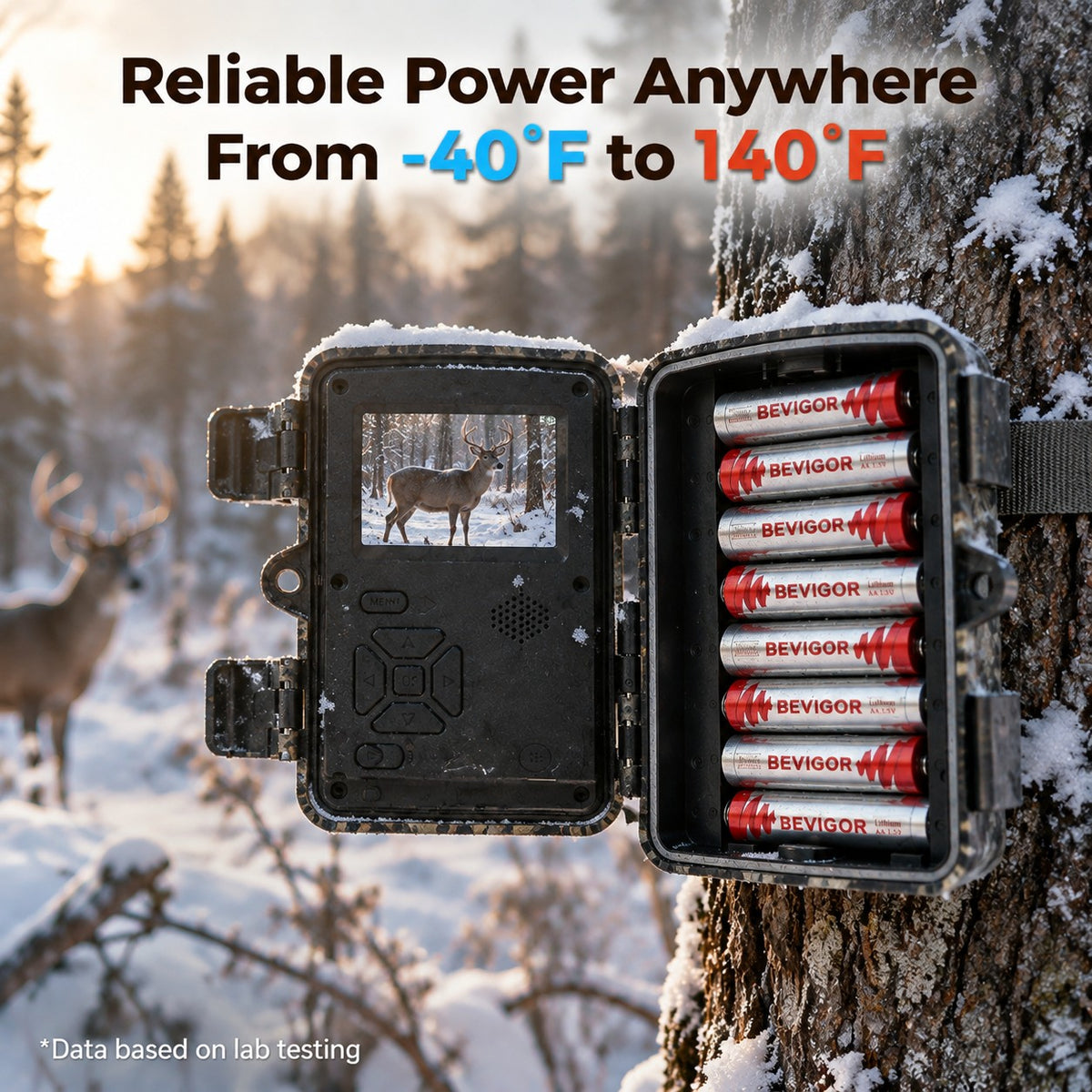
- Temperature during storage and operation
- Wireless signal quality and recording activity in connected devices
- Battery chemistry, age, condition, and storage history
- Whether all cells in a multi-battery device are a fresh matched set
Capacity is also test-dependent. Two batteries with similar labels can produce different usable energy in different devices. Treat milliamp-hour figures as specifications measured under stated conditions, not as guaranteed runtime.
Can You Mix AA Battery Types?
Do not mix different chemistries, brands, ages, or states of charge in one device. A weaker or differently behaving cell can limit the complete set. Replace all cells together unless the device manufacturer explicitly instructs otherwise.
Keep fresh, used, rechargeable, and non-rechargeable batteries separated so they cannot be confused during installation.
AA Battery Storage and Safety
- Keep batteries in their original packaging or an organizer that protects the terminals.
- Store them in a dry location within the manufacturer’s stated temperature range.
- Keep loose cells away from coins, keys, tools, and other conductive objects.
- Keep batteries away from children and pets.
- Do not use batteries that are leaking, swollen, corroded, damaged, or unusually hot.
- Never recharge a cell labeled primary, disposable, or non-rechargeable.
- Follow device instructions for polarity and replace multi-cell sets together.
If you maintain AA batteries for trail cameras, the trail-camera battery checklist explains how to count matched sets and plan field replacements.
How to Dispose of Used AA Batteries
Disposal depends on chemistry and local rules. The US EPA’s household battery guidance says that alkaline and zinc-carbon batteries can go in household trash in most communities, although recycling is encouraged where available. Requirements may differ by state or locality.
EPA advises consumers not to place lithium single-use or rechargeable batteries in household trash or municipal recycling bins. Use an appropriate battery recycler or household hazardous-waste collection option and protect terminals as directed by the collection program.
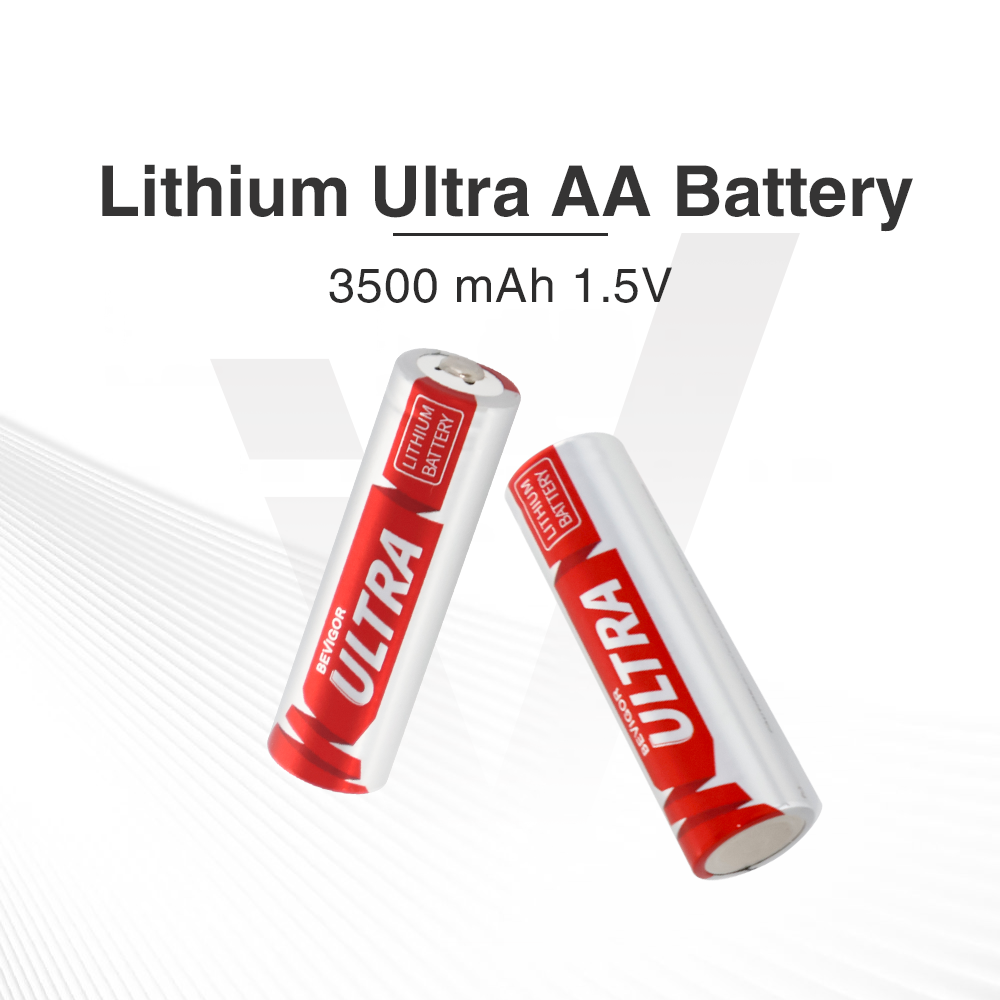
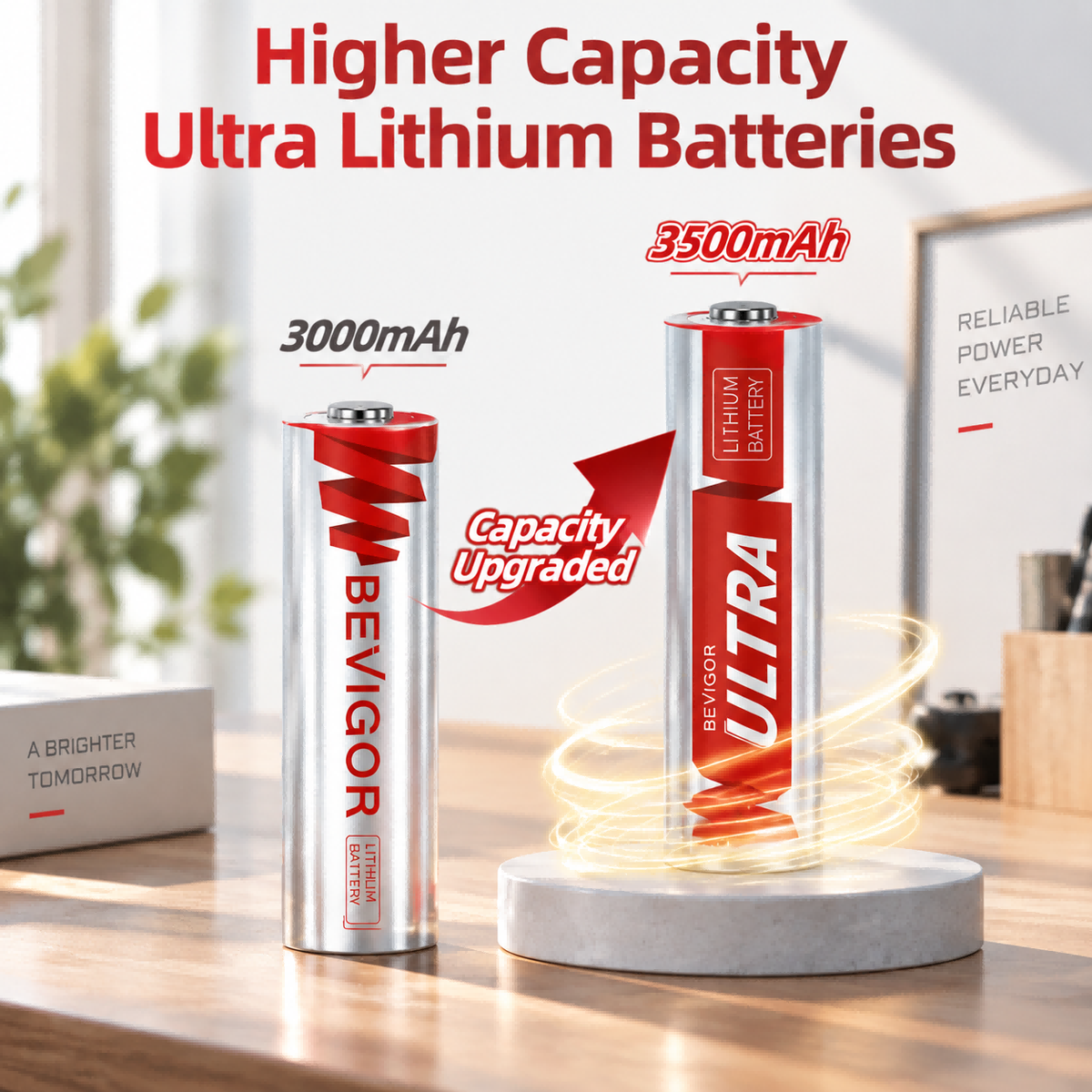
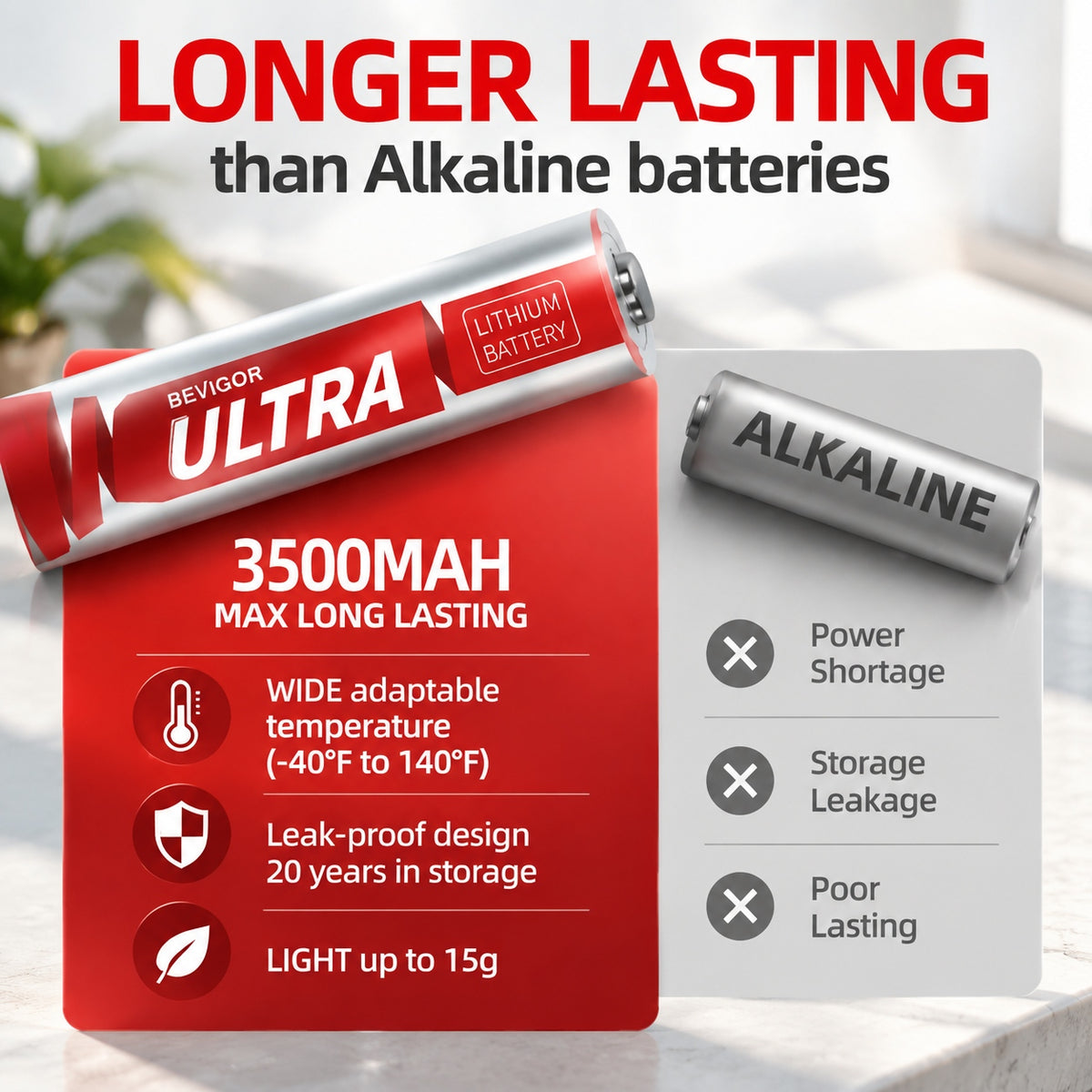
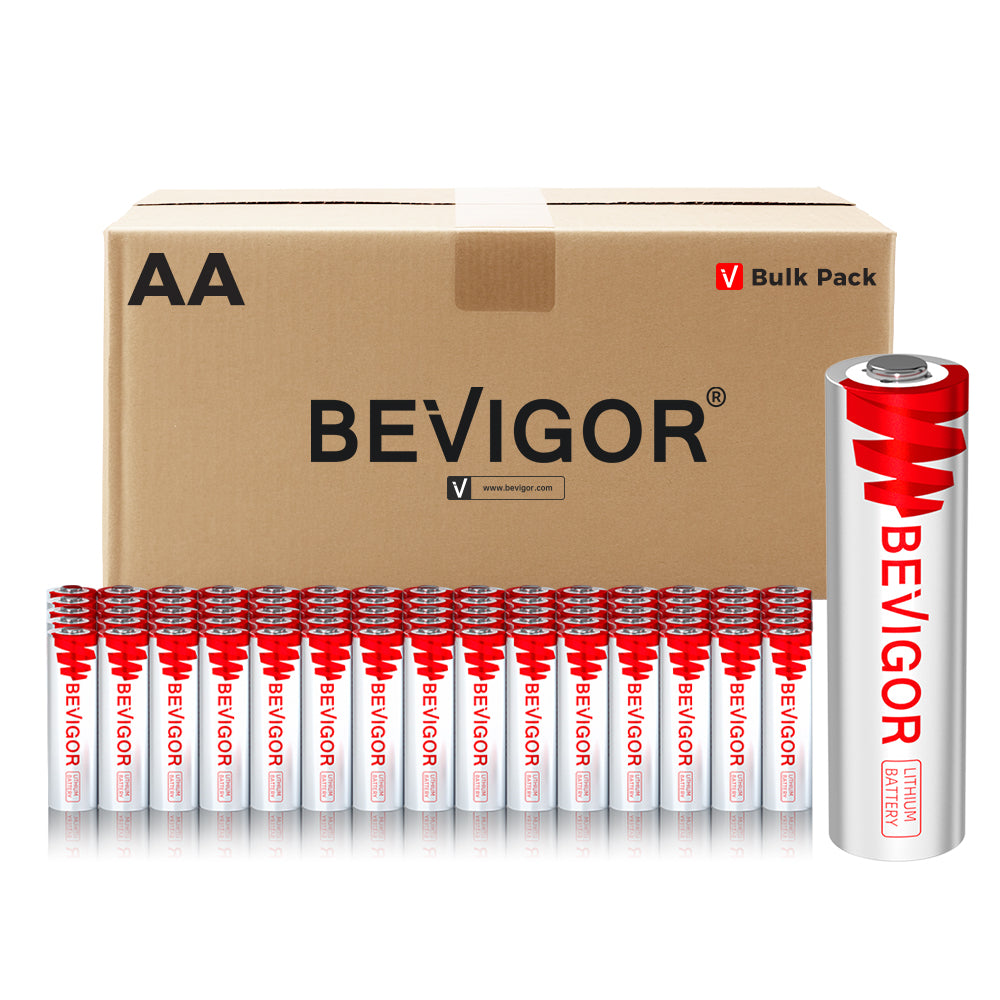
BEVIGOR AA Lithium Battery Options
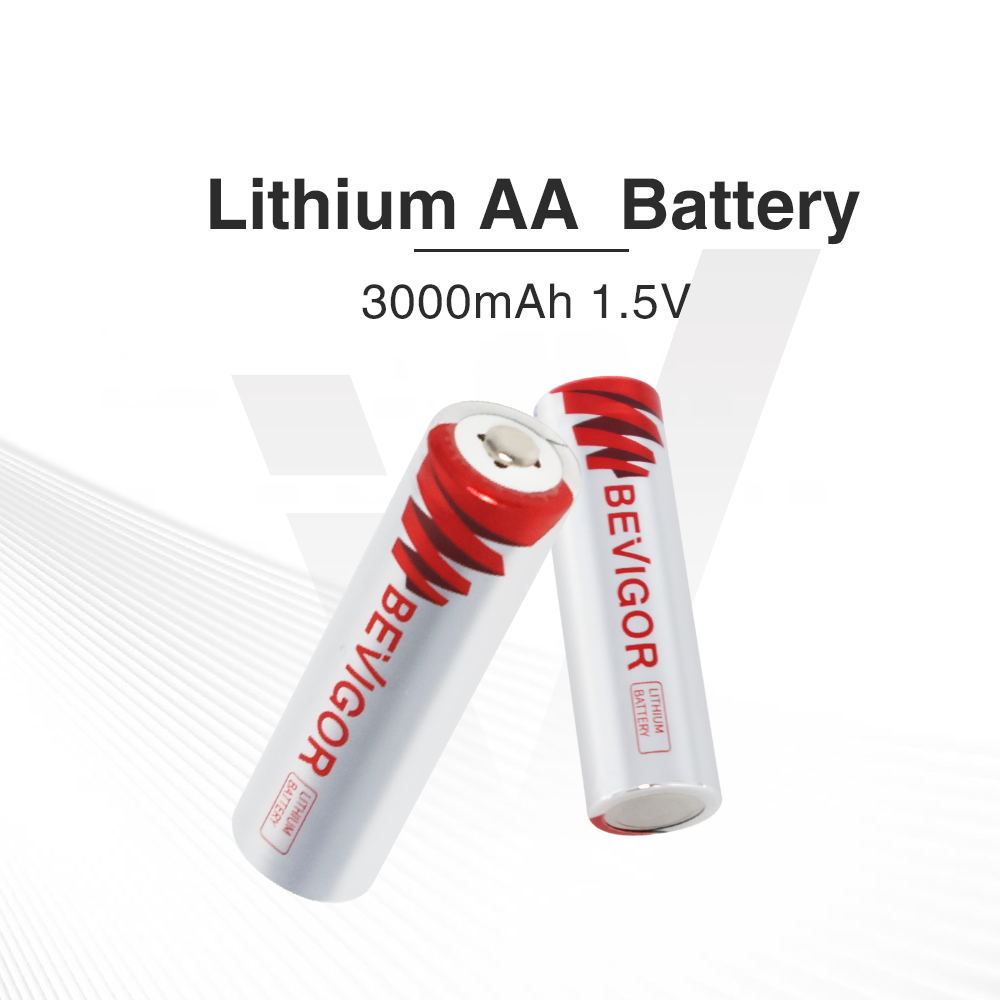
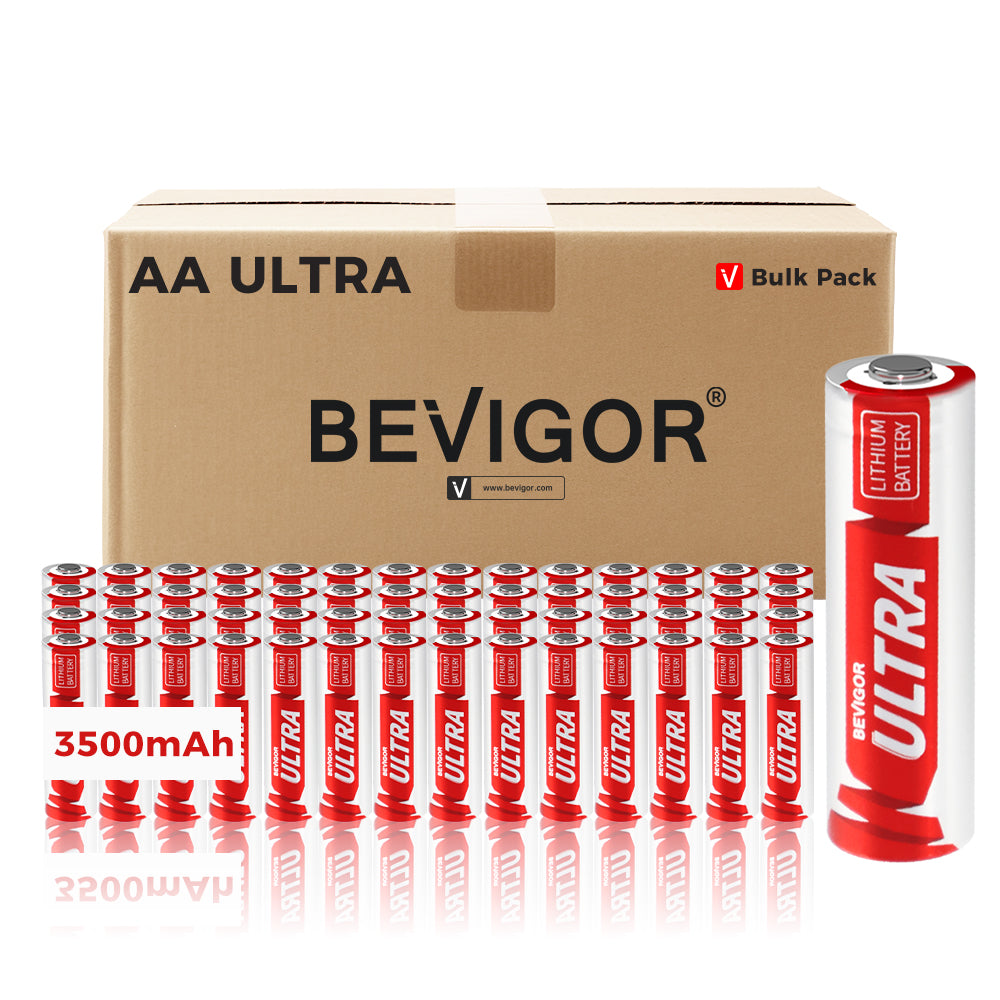
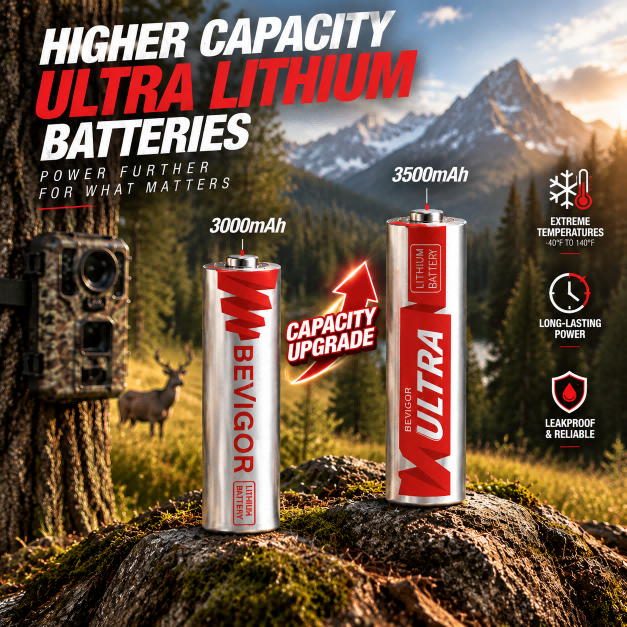
BEVIGOR currently lists 1.5V non-rechargeable lithium AA batteries for compatible devices. Confirm the requirements for the exact device before purchasing or installing them. Current specifications, pack sizes, pricing, and availability are shown on the AA lithium battery collection.
Frequently Asked Questions
Are all AA batteries the same voltage?
No. Alkaline and primary lithium AA batteries are commonly labeled 1.5V, while NiMH rechargeable AA cells are commonly labeled 1.2V. Some regulated rechargeable lithium AA products advertise a 1.5V output, and 14500 lithium-ion cells are commonly 3.6V or 3.7V. Check the complete label and device requirements.
Are lithium AA batteries rechargeable?
Some AA-style lithium products are rechargeable, but primary lithium AA batteries are not. Never recharge a battery unless it is explicitly labeled rechargeable, and use only the specified charging system.
Which AA battery type lasts the longest?
There is no universal winner. Runtime depends on the battery chemistry, device load, cutoff voltage, temperature, settings, age, and test conditions. Choose a compatible chemistry and compare specifications under conditions relevant to the device.
Can I use lithium AA batteries instead of alkaline?
Only when the device manufacturer permits the lithium battery’s size, voltage, and chemistry. Do not assume compatibility based on the AA label alone.
Should AA batteries be stored in a refrigerator?
Follow the battery manufacturer’s storage directions. A dry, protected location within the stated storage range is the practical default; refrigeration can introduce condensation when batteries return to room temperature.
Bottom Line
Choose AA batteries by the device requirements, not by size or marketing claims alone. Match size, voltage, chemistry, and rechargeability; use fresh matched sets; store cells so their terminals remain protected; and follow chemistry-specific local disposal guidance.



Share:
Are Double AA Batteries Lithium? Understanding the Different Types of AA Batteries and Their Advantages
9V Batteries for Smoke Detectors: Complete Guide, Types, Lifespan, and How to Choose